IRS Overhauls Conservation Easement Strategy: New Specialized Office Replaces Blanket Settlement Initiatives
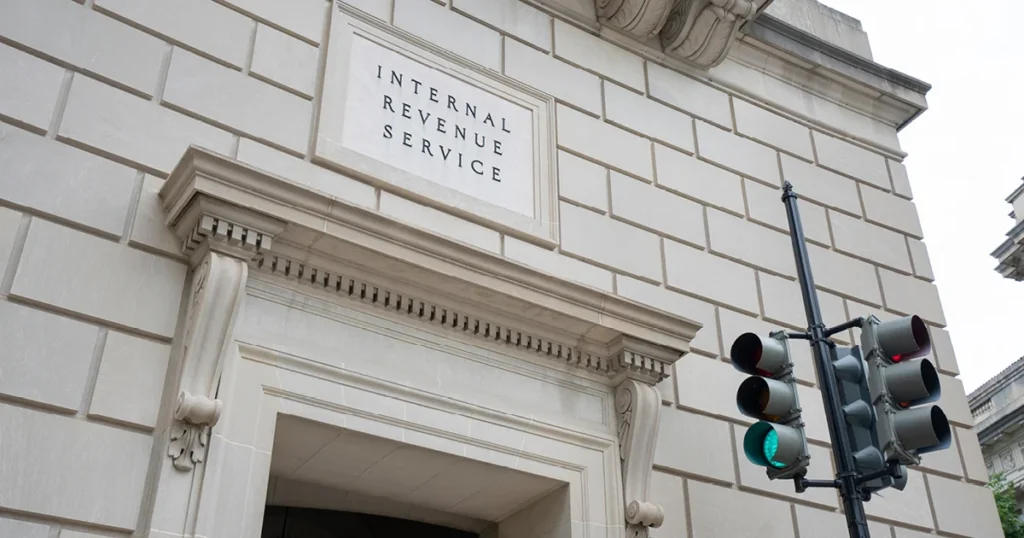
WASHINGTON — In a major strategic shift aimed at resolving years of costly, complex tax disputes, the Internal Revenue Service (IRS) announced Wednesday that it is dismantling its uniform settlement approach for conservation easement cases. Moving away from rolling, standardized offers, the agency has established a dedicated Office of Conservation Easements designed to handle these intricate tax controversies through a more tailored, case-by-case methodology.
The policy pivot marks a direct acknowledgment by federal tax authorities that previous blanket initiatives—which relied on rigid, one-size-fits-all letters and fixed response windows—failed to account for the vast legal and structural differences inherent in modern conservation and historic preservation partnerships.
Main Facts
The overarching restructuring involves two primary administrative actions: the immediate termination of the most recent uniform settlement framework and the creation of a centralized administrative body intended to streamline future enforcement, policy coordination, and taxpayer engagement.
- Termination of Uniform Offers: Effective August 19, the IRS has ceased issuing uniform settlement letters under the initiative that was launched earlier in May. All pending deadlines for accepting previously issued standardized offers have been formally withdrawn.
- Establishment of the Office of Conservation Easements: The newly created office will consolidate technical expertise from across the agency and the Office of Chief Counsel. Its mandate includes unifying enforcement strategies, overseeing case resolutions, and communicating directly with stakeholders, including taxpayers, tax practitioners, and conservation organizations.
- Targeting Syndicated Partnerships: The agency’s primary focus remains on what it classifies as abusive or inflated deductions claimed under Section 170(h) of the Internal Revenue Code, particularly transactions involving syndicated conservation easement partnerships.
- Path Forward for Active Cases: While blanket offers are a thing of the past, taxpayers with pending disputes retain the option to request settlements under the terms of the May framework. However, the agency emphasized that individual cases will increasingly be evaluated based on their unique merits and the distinct "hazards of litigation."
Chronology: The Evolution of the Conservation Easement Dispute
The friction between the IRS and promoters, investors, and taxpayers over conservation easement deductions is not a recent development. It represents a multi-year enforcement saga defined by escalating regulatory scrutiny, massive court backlogs, and repeated attempts by the federal government to close down perceived tax shelters.
1. The Rise of Syndicated Conservation Easements (Mid-2010s)
During the mid-2010s, promoters increasingly marketed syndicated conservation easement transactions. These arrangements typically involved pass-through entities—often partnerships—that acquired real estate, held it for a brief period, and then donated a conservation easement on the property to a land trust. Investors were promised significant charitable contribution deductions that vastly exceeded their initial cash investments, often calculated using aggressive and inflated appraisals.
2. IRS Enforcement Signals and Notice 2017-10
Alarmed by the proliferation of these tax shelters, the IRS issued Notice 2017-10, formally designating syndicated conservation easements as "listed transactions." This classification required mandatory disclosure by participants and material advisors, placing these arrangements under intense, nationwide audit scrutiny.
3. Judicial Battles and Legislative Interventions
As the IRS began disallowing deductions and assessing heavy penalties, the dispute migrated heavily to the U.S. Tax Court and federal appellate courts. Thousands of petitions were filed by taxpayers challenging IRS adjustments. Simultaneously, Congress attempted to address the issue legislatively, culminating in provisions included in the SECURE 2.0 Act of 2022 that placed strict limits on charitable contribution deductions for certain partnerships where the deduction exceeds two and a half times the partner’s relevant basis.
4. Broad Settlement Initiatives (2020–2024)
To clear the massive backlog of docketed cases, the IRS turned to broad settlement initiatives. In late 2020, the agency rolled out a settlement offer featuring severe financial concessions—including the disallowance of deductions, repayment of back taxes, and substantial penalties, though generally at a reduced rate compared to what the IRS might have won at trial. Subsequent programs followed, culminating in the May uniform settlement initiative.
5. The August 2024 Pivot
Following feedback from tax practitioners and internal reviews demonstrating that rolling, standardized letters were ineffective across the broad spectrum of partnership agreements, insurance arrangements, and procedural postures, the IRS abandoned the uniform approach on August 19, establishing the Office of Conservation Easements to chart a more flexible course.
Supporting Data and Scale of the Controversy
The scope of the conservation easement controversy is vast, representing billions of dollars in disputed tax revenue and a massive administrative burden for the federal judiciary and the IRS alike.
- Court Dockets: As of May, more than 1,100 conservation easement cases were actively docketed in the U.S. Tax Court or undergoing IRS Examination. This represents one of the single largest concentrations of related tax litigation in modern history.
- Valuation Disparities: A central driver of the litigation is the valuation of the donated easements. Promoters routinely relied on appraisals asserting that development potential dramatically elevated the property’s "before" value, whereas IRS experts frequently argued that the highest and best use of the land did not support such astronomical valuations.
- Penalty Structures: In many litigated cases, the IRS successfully asserted gross valuation misstatement penalties (often 40% of the underpayment) alongside negligence penalties, significantly increasing the financial stakes for participating investors.
- Stakeholder Impact: Hundreds of land trusts and historic preservation organizations have found themselves caught in the crossfire. While legitimate conservation easements form a foundational pillar of American land preservation, the association of the tool with aggressive tax shelters has complicated fundraising and public perception for compliant organizations.
Official Responses and Administrative Insights
In its official news release announcing the structural changes, the IRS candidly addressed the limitations of its prior methodology.
"IRS experience with administering previous settlement initiatives and engaging with taxpayers has shown that standardized, unsolicited settlement letters on a rolling basis, each with a fixed response period, are not well suited to the full range of conservation easement cases," the agency stated. It noted that variables such as partnership agreements, insurance arrangements, and the procedural posture of individual cases "differ materially and affect when and how taxpayers evaluate settlement."
Crucially, the agency sought to manage expectations regarding the newly minted office, explicitly stating that the transition does not signal a retreat from enforcement or the introduction of more lenient settlement terms.
"This transition does not signal a new or more favorable standardized offer," the IRS cautioned. "Rather, it ends issuance of uniform offers and deadlines."
Under the new operational model, the Office of Conservation Easements will act as an overarching coordinator. Beyond managing active enforcement and case-resolution strategies, the office is tasked with collaborating directly with the U.S. Department of the Treasury. This collaboration will focus on evaluating broader administrative and legislative options concerning conservation and historic preservation tax policies, with a stated emphasis on maintaining "consistent tax administration and valuation integrity."
Implications for Taxpayers, Practitioners, and the Conservation Sector
The dismantling of uniform settlement initiatives and the creation of a centralized office carry profound implications for everyone involved in conservation easement transactions.
For Taxpayers and Legal Counsel
Taxpayers currently navigating audits or litigating conservation easement disputes must reassess their strategy. With rolling deadlines eliminated, individuals and partnerships with pending cases retain the right to request a settlement under the May framework through their assigned IRS examination or chief counsel representative. However, because the agency is moving toward a more individualized assessment model, taxpayers may find that settlement negotiations require deep, fact-specific evidentiary presentations regarding valuation, partnership structure, and technical compliance with Section 170(h).
Furthermore, individual cases will increasingly be resolved based on the specific "hazards of litigation" associated with each file. This means that strong legal arguments regarding procedural compliance or robust, unassailable appraisal data may yield better outcomes than waiting for a blanket government offer.
For Tax Practitioners and CPAs
CPA firms and tax attorneys advising high-net-worth clients involved in historic preservation or land conservation will need to establish direct lines of communication with the new Office of Conservation Easements once its operational details and contact points are published. The centralization of expertise suggests that the IRS will take a more unified, sophisticated approach to auditing these structures, requiring practitioners to match that sophistication with meticulous documentation.
For the Conservation and Land Trust Community
Legitimate land trusts and historic preservation groups have long expressed concern that the broad brush of IRS enforcement against syndicated shelters could chill philanthropic donations for genuine conservation projects. The establishment of an office that explicitly intends to "support engagement with taxpayers, practitioners, conservation and historic preservation organizations, and other stakeholders" offers a glimmer of hope. By separating abusive syndications from bona fide conservation efforts through careful administrative oversight, the federal government may eventually help restore public and investor confidence in perpetual conservation restrictions.
Future Outlook
As of press time, the IRS has not yet announced a definitive timeline for when the Office of Conservation Easements will be fully operational, nor has it released specific contact directories for the new unit. Nevertheless, the structural change signals the end of an era of blunt-force administrative maneuvering and the beginning of a more granular, albeit intensely scrutinized, phase in the federal government’s campaign against abusive tax shelters.