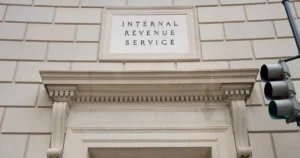
IRS Issues Notice 2026-49: Streamlining Retirement Plan and IRA Rollovers Under SECURE 2.0

WASHINGTON — In a major regulatory step aimed at modernizing and securing the retirement landscape, the Internal Revenue Service (IRS) issued Notice 2026-49 on Wednesday. The newly released guidance introduces a comprehensive suite of sample forms and proposed rollover procedures designed to simplify, standardize, and secure the movement of assets between employer-sponsored retirement plans and individual retirement accounts (IRAs).
This administrative milestone directly fulfills the statutory mandates outlined in Section 324 of the SECURE 2.0 Act of 2022 (enacted as Division T of the Consolidated Appropriations Act, 2023, P.L. 117-328). By establishing standardized documentation, federal regulators hope to eradicate traditional friction points in the rollover process, mitigate administrative burdens for plan sponsors, and construct robust safeguards around sensitive participant data.
While the release of Notice 2026-49 marks a significant victory for financial institutions, plan administrators, and retirement savers alike, the IRS has emphasized that adoption remains strictly optional. Furthermore, the agency has opened a public comment period, inviting stakeholders across the financial and legal sectors to weigh in on the proposed frameworks before final regulations are codified.
Main Facts
The core of Notice 2026-49 centers on administrative uniformity and data security. As millions of Americans switch jobs, consolidate accounts, or restructure their retirement portfolios annually, the mechanics of transferring funds from a 401(k), 403(b), or governmental 457(b) plan into another plan or an IRA have historically been plagued by fragmented paperwork, inconsistent verification standards, and operational delays.
Scope and Applicability
The newly introduced sample forms and proposed rollover procedures apply exclusively to:
- Rollovers from an eligible employer-sponsored retirement plan to another eligible retirement plan.
- Rollovers from an eligible employer-sponsored retirement plan to an IRA.
- Rollovers from an IRA back into an eligible employer-sponsored retirement plan.
Crucially, the guidance does not apply to IRA-to-IRA transfers. The statutory scope of Section 324 of the SECURE 2.0 Act specifically targets plan-to-plan, plan-to-IRA, and IRA-to-plan transactions, leaving standard trustee-to-trustee IRA transfers governed by pre-existing IRS rules.
Key Features of the IRS Guidance
- Standardized Sample Forms: The IRS has formulated easy-to-use, standardized templates that plan sponsors and financial institutions can integrate into their existing rollover workflows. These forms are engineered to capture all necessary regulatory disclosures and participant elections without imposing unnecessary bureaucratic hurdles.
- Enhanced Data Security & Privacy Protection: A primary driver behind the SECURE 2.0 Section 324 mandate is the escalating threat of identity theft and financial fraud within the retirement sector. The newly released sample forms incorporate advanced design principles specifically intended to protect participants’ Personal Identifying Information (PII)—such as Social Security numbers, banking details, and home addresses—during transmission between plan administrators and receiving custodians.
- Optional Compliance: In recognition of the varying technological infrastructures across the retirement plan industry, the IRS has confirmed that the use of these sample forms and proposed procedures is optional for plan sponsors. Organizations are not mandated to adopt the IRS templates, though doing so offers a reliable "safe harbor" framework regarding compliance with SECURE 2.0 provisions.
- Forward-Looking Guidance: Beyond the immediate release of sample forms, Notice 2026-49 outlines additional regulatory approaches currently under consideration by the Treasury Department and the IRS to further expedite the end-to-end rollover timeline.
Chronology: The Path to Notice 2026-49
The publication of Notice 2026-49 is the culmination of years of legislative negotiation, regulatory review, and inter-agency collaboration. Understanding the timeline of events clarifies why this guidance is both timely and vital for the U.S. retirement system.
December 2022: The Enactment of SECURE 2.0
Following widespread bipartisan support, the Consolidated Appropriations Act, 2023, was signed into law, containing within it the landmark SECURE 2.0 Act of 2022. Among its nearly 100 provisions aimed at expanding retirement coverage and simplifying plan administration was Section 324, which directed the Secretary of the Treasury to develop sample forms and procedures to facilitate and standardize plan and IRA rollovers.
2023–2025: Industry Dialogue and Inter-Agency Consultation
In the years following the passage of SECURE 2.0, the IRS, the Department of Labor (DOL), and the Pension Benefit Guaranty Corporation (PBGC) engaged in extensive consultations with retirement industry stakeholders, recordkeepers, third-party administrators (TPAs), and consumer advocacy groups. Industry roundtables repeatedly highlighted the inefficiencies of paper-based rollover checks, decentralized form designs, and the heightened vulnerability of paper check processing to mail interception and check-washing scams.
Early 2026: Drafting and Finalization of Regulatory Frameworks
Recognizing the industry’s need for actionable guidance, the IRS finalized the drafts for Notice 2026-49. The agency synthesized feedback regarding operational feasibility, data privacy protocols, and digital integration.
Wednesday, Official Release Date
The IRS formally issued Notice 2026-49, releasing the comprehensive PDF document containing the text of the proposed procedures, technical specifications, and the exact layouts of the sample rollover forms.
Looking Ahead: October 23 Comment Deadline
With the notice now active, the official public comment window is open. Industry participants, legal experts, plan sponsors, and individual taxpayers have until October 23 to submit formal feedback, recommendations, and critiques to the IRS. Following the close of this comment period, federal regulators will review the submissions and draft final, permanent guidance.
Supporting Data: The Scale of Retirement Rollovers in America
To fully appreciate the significance of Notice 2026-49, one must examine the staggering volume and economic impact of retirement rollovers within the United States financial ecosystem.
The Macroeconomics of Rollovers
According to data compiled by the Employee Benefit Research Institute (EBRI) and the Investment Company Institute (ICI):
- Annual Volume: Billions of dollars move between employer-sponsored retirement plans and IRAs every single year. In typical market environments, annual IRA rollover activity exceeds $500 billion, representing one of the largest movements of private capital in the global economy.
- Job Mobility: The Bureau of Labor Statistics (BLS) reports that the median tenure of a U.S. worker with their current employer is approximately 4.1 years. This high degree of labor market mobility guarantees that millions of workers face critical decisions regarding stranded retirement accounts on a continuous basis.
- Leakage and Friction: Historically, the rollover process has suffered from structural "leakage"—instances where participants cash out their retirement savings rather than rolling them over, incurring steep income taxes and early-withdrawal penalties. Streamlining the process directly combats leakage by making direct, trustee-to-trustee transfers as frictionless as possible.
The Security Imperative
Data from the Identity Theft Resource Center (ITRC) and cybersecurity firms specializing in the financial sector underscore the urgency of PII protection:
- Check Fraud and PII Exposure: Traditional rollover operations frequently rely on physical checks mailed through the postal service or unencrypted PDF email attachments containing sensitive financial data. Law enforcement agencies have noted a sharp rise in check-washing and mail theft targeting retirement distributions.
- Administrative Cost Savings: Industry estimates suggest that plan administrators spend millions of hours annually manually verifying rollover certifications, confirming the tax-qualified status of receiving plans, and reconciling mismatched participant data. Standardized forms reduce back-office overhead, minimizing human error and processing delays that can leave participants out of the market for days or weeks.
Official Responses and Industry Stakeholder Perspectives
The release of Notice 2026-49 has triggered widespread analysis across the financial services, legal, and regulatory communities. While initial reactions are largely positive, stakeholders are meticulously reviewing the fine print to determine operational impacts.
Plan Sponsors and Recordkeepers
For corporate plan sponsors and major recordkeeping institutions (such as Fidelity, Vanguard, Empower, and Principal), the availability of IRS-sanctioned sample forms offers a welcome degree of legal certainty.
- “Standardization is the holy grail for high-volume operational workflows,” noted a senior compliance officer at a major national recordkeeping firm who spoke on background. “When every institution uses a slightly different form, human error spikes, processing times drag out, and security risks multiply. Having a federal blueprint significantly helps.”
- At the same time, sponsors must weigh whether to overhaul their existing proprietary digital rollover portals to incorporate the new IRS sample forms or maintain their current systems, given that adoption is optional.
Legal and Tax Experts
Tax attorneys and employee benefits specialists have focused heavily on the interplay between SECURE 2.0 mandates and existing tax code requirements under Section 402(c) and Section 408(d) of the Internal Revenue Code.
- Legal analysts point out that while the sample forms reduce ambiguity regarding what constitutes a valid rollover certification, plan administrators must still exercise due diligence to ensure that receiving entities are legitimate, tax-qualified vehicles.
- Experts also emphasize that because IRA-to-IRA transfers are excluded, financial institutions must maintain separate workflows for internal IRA transfers versus plan-related rollovers, preventing operational confusion.
The Accounting Profession
The American Institute of CPAs (AICPA) and tax practitioners have historically advocated for administrative relief in cross-plan asset transfers. The invitation for public comments through the AICPA and broader professional networks ensures that CPAs—who frequently assist clients with tax planning surrounding retirement distributions—will have a direct voice in shaping the final version of the rules.
Implications: What Notice 2026-49 Means for the Future
The long-term implications of Notice 2026-49 extend far beyond basic paperwork reduction. By laying the groundwork for standardized, secure, and expedited rollovers, the IRS is signaling a broader modernization of retirement infrastructure.
1. Accelerated Transition to Digital-First Workflows
While the sample forms released in Notice 2026-49 can be utilized in paper formats, their structured design naturally lends itself to electronic integration. Financial technology (fintech) firms and recordkeepers are expected to incorporate these standardized data fields into Application Programming Interfaces (APIs), enabling instantaneous, machine-to-machine validation of rollovers. This technological shift could reduce processing times from weeks to mere hours.
2. Heightened Standards for Cybersecurity
By explicitly emphasizing the protection of Personal Identifying Information (PII), the IRS is raising the compliance bar across the retirement industry. Plan sponsors and custodians that fail to adopt modern security protocols for transmitting rollover data face escalating risks of regulatory scrutiny and reputational damage in the event of data breaches.
3. Empowerment of the Individual Saver
For the everyday worker, the complexities of moving a 401(k) from a former employer to a new employer or an IRA have long been a source of anxiety and confusion. Standardized, plain-language forms reduce the cognitive load on participants, encouraging them to preserve their retirement savings rather than abandoning accounts or prematurely liquidating funds.
4. The Road to Final Regulations
As the financial sector digests Notice 2026-49, all eyes turn toward the October 23 comment deadline. Industry associations, legal coalitions, and technology providers are actively drafting commentary to address nuances such as electronic signature verification, cross-border jurisdictional rules, and edge cases involving inherited IRAs and qualified domestic relations orders (QDROs).
The feedback gathered during this period will ultimately dictate whether the final regulations mirror the proposed procedures or introduce further refinements. Regardless of the final outcome, Notice 2026-49 represents a critical, constructive leap forward in safeguarding and streamlining America’s multitrillion-dollar retirement savings network.
To comment on this article, or to suggest an idea for future coverage, please contact Martha Waggoner at [email protected].