IRS Announces Midyear Hike in Standard Mileage Rates Amid Surging Fuel Costs
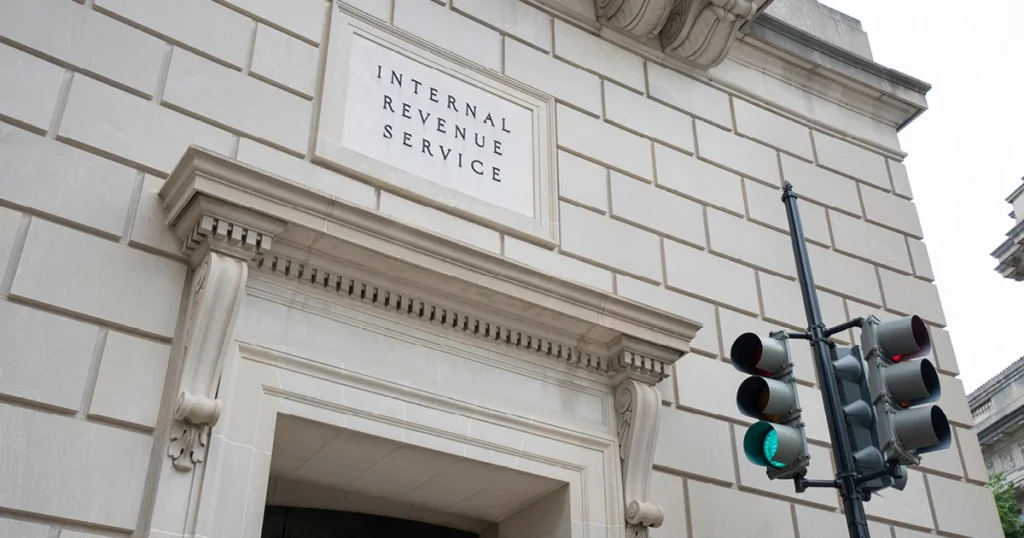
In a rare and significant midyear adjustment, the Internal Revenue Service (IRS) has officially raised the optional standard mileage rates used to calculate the deductible costs of operating an automobile for business, medical, and moving purposes. The decision, formalized in Announcement 2026-11, arrives as a direct response to the aggressive volatility in domestic fuel prices observed throughout the first half of 2026. This move modifies the initial guidance provided in Notice 2026-10 and serves as a financial relief mechanism for taxpayers who rely on their personal vehicles to conduct business or navigate essential life changes.
Effective July 1, 2026, the new rates represent a meaningful recalibration intended to align tax deductions more closely with the actual economic burden faced by motorists at the pump. While the IRS typically sets these rates annually, the current macroeconomic climate necessitated a midyear intervention—a step last taken in 2022 to combat similar inflationary pressures in the energy sector.
Main Facts: The New Rates at a Glance
The revised rates apply to the final six months of 2026, providing taxpayers with a higher threshold for substantiated expense reimbursements. The adjustments are as follows:
- Business Use: The rate has increased to 76 cents per mile, up from the 72.5 cents per mile established earlier this year.
- Medical and Moving Expenses: The rate has risen to 23.5 cents per mile, an increase from the previous 20.5 cents per mile.
- Charitable Contributions: This rate remains unchanged at 14 cents per mile. Unlike the business and medical rates, the charitable mileage rate is fixed by statute under Section 170(i) of the Internal Revenue Code and is not subject to administrative adjustment by the IRS based on fuel costs.
Taxpayers, employers, and accounting professionals must update their tracking and reimbursement systems immediately to ensure compliance and accuracy for the second half of the calendar year.
Chronology of the 2026 Fuel Surge
To understand the necessity of this midyear pivot, one must look at the trajectory of gasoline prices over the last seven months. The American Automobile Association (AAA) has been the primary barometer for these shifts, tracking the national average price for regular gasoline with clinical precision.
The January Baseline
At the dawn of 2026, the energy market appeared relatively stable. On January 8, the national average for a gallon of regular unleaded gasoline sat at $2.819. At this time, the IRS had calculated its standard mileage rates based on actuarial projections that assumed moderate fuel costs and vehicle maintenance expenses.
The Mid-Year Crisis
By the middle of the second quarter, analysts began tracking a consistent, rapid upward trend in crude oil futures and refining costs. By July 15, the national average had climbed to $3.890 per gallon. This represents a staggering 38% increase in just over six months.
This sustained pressure at the pump eroded the ability of the previous 72.5-cent business rate to adequately cover the actual operational costs of an average vehicle. Recognizing the growing gap between the tax-deductible allowance and the reality of the open road, the Treasury Department and the IRS initiated an emergency review process to adjust the figures before the end of the fiscal year.
Supporting Data: Why Mileage Rates Matter
The standard mileage rate is more than just a number; it is a vital tool for the American economy. It is used by small business owners, gig economy workers, and corporate employees to calculate tax deductions for business-related travel. Furthermore, it serves as the benchmark for many employers who reimburse their staff for the use of personal vehicles.
The Components of the Rate
The IRS calculates these rates using a complex formula that accounts for more than just fuel. It integrates:
- Fuel Costs: The most volatile component, which triggered this year’s adjustment.
- Maintenance and Repairs: The costs of tires, oil changes, and mechanical servicing.
- Insurance: The average cost of premiums for vehicle operators.
- Depreciation: The loss in value of a vehicle as it accumulates mileage.
Because these costs generally trend upward, the IRS performs an annual comprehensive study. However, the 38% spike in fuel prices was an outlier that threatened to render the original 2026 guidance obsolete. By raising the rate, the IRS is acknowledging that the "cost of doing business" has objectively shifted, and that taxpayers should not be penalized for utilizing their own assets for professional purposes during a period of extreme economic fluctuation.
Official Responses and Regulatory Context
The IRS issued Announcement 2026-11 as a formal modification to Notice 2026-10. This document serves as the regulatory cornerstone for this adjustment. In its communication, the IRS emphasized that the change is intended to provide a "deemed substantiated" amount for reimbursements.
Understanding "Deemed Substantiated"
When an employer reimburses an employee at or below the IRS standard mileage rate, the payment is generally not considered taxable income for the employee, and the employer does not need to collect detailed receipts for every gallon of gas or every car wash. This simplifies administrative burdens for human resources and accounting departments. By raising the rate to 76 cents, the IRS has effectively widened the "safe harbor" for employers, allowing them to provide higher tax-free reimbursements to their employees to help offset the increased costs of commuting and travel.
Historical Precedent
The last time the IRS found it necessary to make a midyear adjustment was in 2022. During that period, global supply chain disruptions and geopolitical instability caused energy prices to soar. The 2022 decision set a precedent that the IRS could, and would, act when the cost of operation diverged significantly from the annual forecast. Financial experts and tax policy analysts view this 2026 action as a return to that "crisis management" model, signaling a proactive approach by the current administration to mitigate the impact of inflation on the workforce.
Implications for Taxpayers and Businesses
The change in rates will have immediate, tangible effects on various segments of the economy.
For Small Business Owners and Freelancers
Self-employed individuals who claim the standard mileage deduction on Schedule C of their tax returns will need to keep two sets of records for the 2026 tax year. They will calculate mileage for the period of Jan. 1 through June 30 at the old rate (72.5 cents) and mileage for the period of July 1 through Dec. 31 at the new rate (76 cents). Failure to bifurcate these records could lead to errors in reporting and potential scrutiny during an audit.
For Employers and Human Resources
Companies that use the IRS rate as their internal reimbursement policy must update their payroll and expense management software immediately. If a company continues to reimburse at the old rate, they may face internal pressure from employees who are now seeing their personal vehicle expenses exceed their compensation. Conversely, if a company chooses to increase their reimbursement, they must ensure that their accounting software is correctly programmed to apply the 76-cent rate only to travel occurring on or after July 1.
For Tax Professionals
CPAs and tax preparers face an increased workload as they guide their clients through this midyear shift. Tax professionals are advising clients to aggregate their mileage logs by date, ensuring that travel in the first half of the year is clearly distinguished from travel in the second half. This is particularly crucial for those who drive significant distances for business, as the 3.5-cent difference per mile can translate into substantial tax savings over thousands of miles.
Looking Ahead: The Stability of the 14-Cent Rate
While the business and medical rates saw an increase, the stability of the 14-cent charitable rate remains a point of interest for tax policy advocates. This rate is fixed by Congress under Section 170(i) of the Internal Revenue Code. Because it is a statutory rate rather than an administrative one, the IRS does not have the authority to increase it, even when fuel prices rise.
Charity-minded individuals who frequently use their vehicles for volunteer work have long lobbied for this rate to be indexed to inflation, but such a change would require legislative action from Capitol Hill. As of now, the discrepancy between the business rate (76 cents) and the charitable rate (14 cents) continues to grow, highlighting the different ways the tax code treats professional versus altruistic activity.
Conclusion
The IRS’s decision to increase the standard mileage rates for the remainder of 2026 is a pragmatic response to the realities of the modern energy market. By acknowledging the 38% rise in gasoline prices, the government has provided a necessary bridge for workers and businesses to maintain their operations without absorbing the full weight of inflationary costs.
Taxpayers are encouraged to visit the IRS website to review the full text of Announcement 2026-11 and ensure their records are in order. As the year progresses, both employers and employees should maintain rigorous documentation of their travel logs, ensuring that their 2026 tax filings accurately reflect these midyear adjustments. In a volatile economic environment, staying informed on these changes is the most effective way to ensure fiscal health and regulatory compliance.
For further inquiries or to suggest future topics for coverage, please contact Martha Waggoner at [email protected].