Fifth Third Bancorp Advances Strategic Transformation: Integration Milestones and AI Innovation Define Q2 Results
By PYMNTS | July 17, 2026
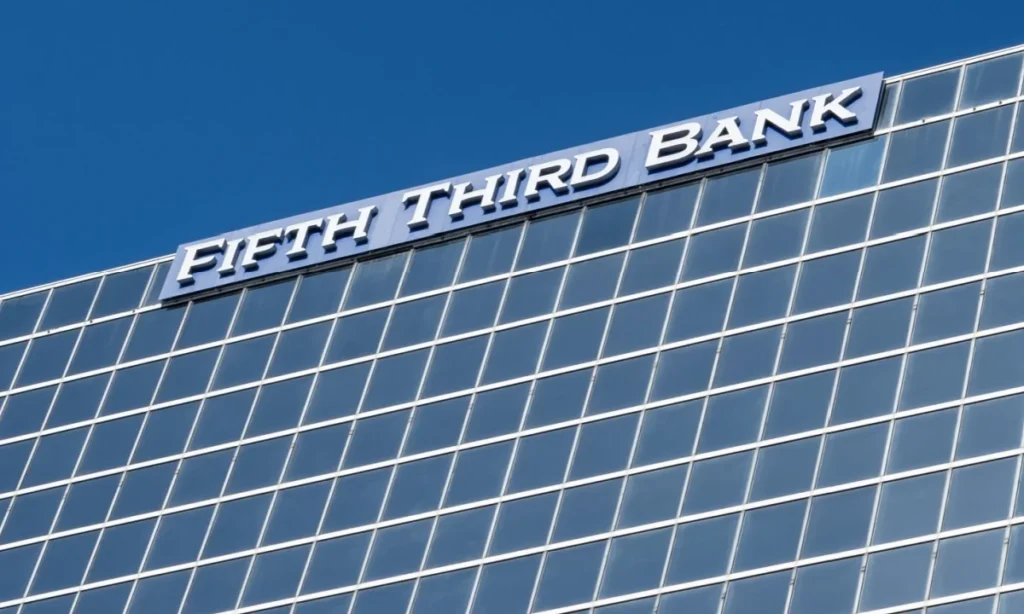
Fifth Third Bancorp is beginning to realize the strategic promise of its landmark merger with Comerica, signaling a period of robust operational growth and technological expansion. During the bank’s second-quarter earnings call on Friday, July 17, 2026, Chairman, CEO, and President Tim Spence articulated a vision of a modernized, more efficient financial institution. As the bank approaches a pivotal systems conversion scheduled for Labor Day weekend, it is balancing the complexities of large-scale integration with an aggressive push into artificial intelligence (AI) and digital banking.
The Strategic Merger: A Chronology of Consolidation
The path to the current integration began in October 2025, when Fifth Third announced its $10.9 billion acquisition of Comerica. The deal was designed to solidify Fifth Third’s position as a dominant regional player, ultimately resulting in the formation of the ninth-largest bank in the United States by asset size. Following regulatory approvals and extensive planning, the transaction officially closed in February 2026.
Since the merger’s inception, management has focused on three core pillars: preserving tangible book value per share, enhancing profitability, and building a scalable platform for long-term growth. Nine months into this transition, the bank reports that it is effectively navigating the integration process.
"When we announced our merger with Comerica nine months ago, we made three commitments," Spence noted during the earnings call. "While we are still in the middle of integration and not every metric is yet where it will be, our trajectory and long-term potential are visible in this quarter’s results."
A critical milestone in this timeline is the upcoming Labor Day weekend systems conversion. This technological integration is the final, essential step required to unlock approximately $850 million in annualized run-rate synergies, a goal the company expects to deliver in full by the fourth quarter of 2026. To ensure a seamless transition, the bank successfully executed a second "mock conversion" in June, which provided management with high confidence in the upcoming migration.
Financial Performance: Strong Metrics Amid Integration
Fifth Third’s second-quarter financial results underscore a bank operating from a position of strength. The company reported a 10% year-over-year increase in tangible book value per share, a 1% sequential growth, and a 7% improvement since the merger was initially announced.
The bank’s efficiency and profitability metrics also painted a positive picture for investors:
- Adjusted Return on Tangible Common Equity (ROTCE): Improved to 19%.
- Adjusted Return on Assets (ROA): Improved to 1.3%.
- Adjusted Efficiency Ratio: Improved to 57%.
- Deposit Growth: Consumer and small business deposits saw a 4% sequential increase, signaling continued customer trust during the integration phase.
These figures suggest that Fifth Third is successfully managing the "J-curve" of its merger, where initial costs are balanced by rapidly materializing operational efficiencies and organic growth.
Digital Evolution and AI Integration
Beyond the balance sheet, Fifth Third is positioning itself as a leader in banking technology. The second quarter saw the bank’s product and technology teams launch several high-impact initiatives aimed at deepening customer engagement and streamlining internal operations.
The Rise of AI-Powered Banking
A centerpiece of the bank’s strategy is the implementation of AI across its consumer-facing and internal infrastructure. Notable developments include:
- Newline Innovations: The bank extended the Model Context Protocol (MCP) server capabilities of its Newline division. By standardizing how AI models interact with bank tools and workflows, Fifth Third is creating a more modular, flexible development environment.
- AI-Driven Mobile Interface: The consumer banking team launched a sophisticated, AI-powered interface within the company’s mobile application, designed to provide more intuitive navigation and personalized financial insights for users.
- Internal Productivity: Internally, the bank has accelerated the deployment of AI tools to enhance coding quality and general administrative productivity, a strategy Spence believes will yield significant long-term dividends.
"While it’s early days and we have much yet to learn about how best to harness the power of these tools, I’m looking forward to what we will be able to do after our technical conversion is complete," Spence remarked.
Digital User Growth
The impact of these digital investments is reflected in the bank’s user activity metrics. As of the second quarter, Fifth Third reported 3.27 million average active digital users—a notable rise from 3.17 million in the same period last year. Simultaneously, mobile-specific engagement grew, with average active mobile users reaching 2.57 million, up from 2.43 million a year ago.
Modernizing Small Business Banking
Recognizing the vital role of the small business sector, Fifth Third introduced Fifth Third for Business, a comprehensive banking experience tailored to the specific needs of entrepreneurs and small business owners. This platform integrates traditional banking functions with modern digital tools, aiming to reduce the administrative burden on business owners and streamline cash flow management.
The launch of this platform serves as a direct response to the increasing demand for seamless, integrated digital solutions in the small-to-medium enterprise (SME) market, a segment that has historically been underserved by larger financial institutions.
Direct Express: Expanding the Federal Footprint
In September 2025, the U.S. Department of the Treasury selected Fifth Third Bank to serve as the financial agent for the Direct Express program. This program is a critical piece of the federal social safety net, providing roughly 3.4 million Americans with a secure, reliable method to receive monthly federal benefits via a prepaid debit card.
During the second quarter, the bank reached a major milestone in this partnership by shipping the first cards on its new, proprietary platform. "We have successfully shipped the first cards, with 66,000 new beneficiaries and all participating federal agencies now live," Spence confirmed.
This program not only solidifies Fifth Third’s relationship with federal agencies but also expands its reach into a critical demographic, utilizing the bank’s robust digital infrastructure to ensure that beneficiaries receive timely and secure disbursements.
Implications for the Future of Regional Banking
The progress observed at Fifth Third Bancorp serves as a case study for the current landscape of regional banking in the United States. In an era where digital-first neo-banks are competing for market share, legacy institutions must evolve or risk obsolescence.
Scale vs. Agility
By merging with Comerica, Fifth Third has achieved the scale necessary to compete with larger national institutions. However, the true test lies in maintaining the agility of a smaller bank. The upcoming systems conversion is not merely an IT task; it is the final act of organizational unification. Once this is complete, the bank expects to have the internal capacity to pivot more quickly to market demands and consumer trends.
The Role of Technology in Human-Centric Finance
Fifth Third’s emphasis on AI and digital platforms suggests that the bank views technology as a means to enhance, rather than replace, the customer-bank relationship. By offloading routine tasks to AI and providing customers with more powerful self-service tools, the bank is essentially freeing up human talent to focus on more complex, high-value advisory services.
Long-Term Outlook
As Fifth Third heads into the second half of 2026, the market will be watching the "Labor Day Conversion" closely. Success here would validate the management team’s ambitious timeline and provide a clear roadmap for the $850 million in annual synergies. With a strong foundation of deposit growth, a clear path to technological leadership, and a successful rollout of the Direct Express program, Fifth Third is effectively positioning itself as a modern, technology-forward, and highly efficient financial powerhouse.
For stakeholders, the message is clear: the bank is in a period of disciplined execution. By delivering on the promises made during the merger announcement, Fifth Third is not only creating value for its shareholders but is also setting a new benchmark for how legacy financial institutions can successfully navigate the digital age.