Federal Appeals Court Rejects Trump EPA Bid to Roll Back Soot Pollution Standards
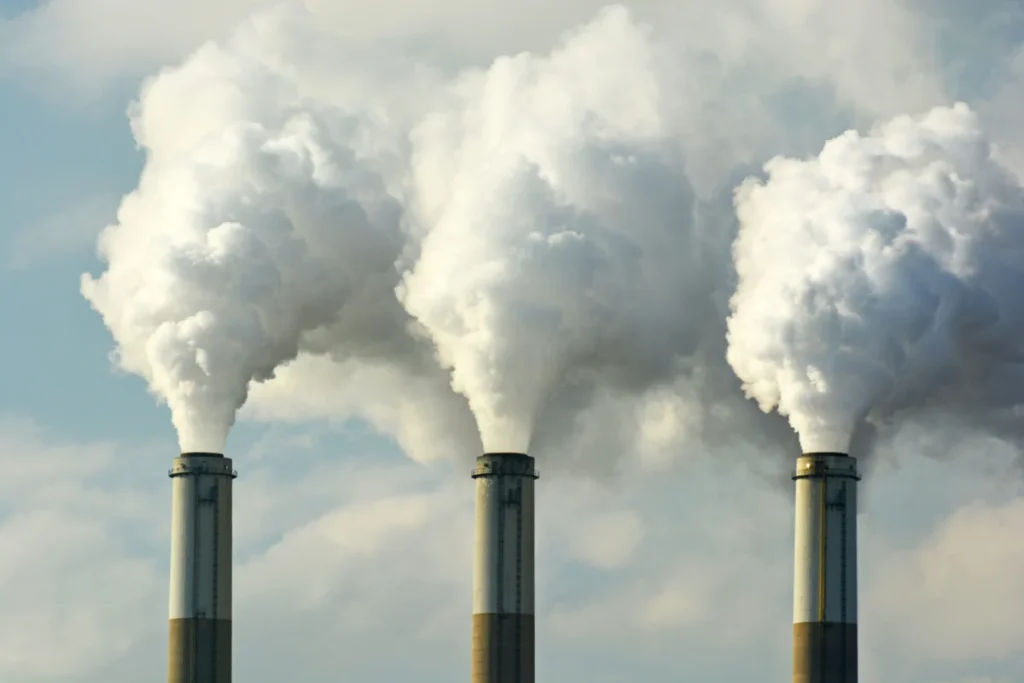
In a significant judicial rebuke to the Trump administration’s aggressive deregulatory agenda, a U.S. federal appeals court ruled on Friday that the Environmental Protection Agency (EPA) cannot unilaterally withdraw the stringent soot pollution limits established during the Biden administration. The decision preserves the current annual limit of 9 micrograms per cubic meter for fine particulate matter—commonly referred to as PM 2.5—marking a pivotal victory for public health advocates and environmental organizations.
The three-judge panel’s ruling effectively halts the EPA’s attempt to invalidate the 2024 rule, which aimed to curb toxic emissions from coal-fired power plants and heavy manufacturing facilities. By denying the agency’s motion to vacate, the court has signaled that the executive branch cannot bypass established administrative procedures or ignore the scientific consensus that informed the original policy.
The Core Conflict: Science vs. Economic Cost
At the heart of the legal battle lies a fundamental disagreement over the role of economic analysis in environmental regulation. The EPA, under the current Trump administration, petitioned the court to invalidate the 2024 soot standards, arguing that the Biden-era agency acted "unreasonably" by failing to conduct a sufficiently rigorous cost-benefit analysis.
The agency’s petition asserted that the new limits would impose an economic burden of "hundreds of millions, if not billions of dollars" on the American economy, potentially stifling industrial growth. Furthermore, the Trump-led EPA argued that the standards were not predicated on a comprehensive, updated review of all available scientific data.
However, the court was unpersuaded by these arguments. In its written opinion, the panel noted that the EPA had initially defended the rule before pivoting to a stance of opposition. "After initially defending the new rule, the EPA now moves to vacate the rule on the grounds that it exceeded its statutory authority and acted unreasonably by failing to consider costs. Because these arguments lack merit, we deny the petitions for review and the motion for vacatur," the judges wrote.
A Chronology of the 2024 Soot Rule
The journey of the PM 2.5 standards has been fraught with political volatility.
- Early 2024: The Biden administration finalizes the updated rule, lowering the annual soot limit to 9 micrograms per cubic meter. The agency cites extensive public health data suggesting that long-term exposure to particulate matter is linked to severe respiratory and cardiovascular illnesses.
- Late 2024/Early 2025: Following the change in administration, the EPA shifts its legal posture. The agency initiates a move to vacate the 2024 rule, citing economic concerns and alleged procedural flaws during the rule-making process.
- Mid-2025: Environmental advocacy groups, including the Natural Resources Defense Council (NRDC), file legal briefs opposing the EPA’s request to vacate, arguing that the move represents a "blatant retreat" from established public health safeguards.
- Friday Ruling: The federal appeals court issues its decision, maintaining that the EPA failed to provide a compelling legal basis to overturn the rule. The court reaffirms that the agency’s previous scientific justifications hold the weight of law.
Supporting Data: The Health Case for Stricter Limits
The debate over PM 2.5 is not merely academic; it is a matter of immediate public health. Fine particulate matter consists of microscopic particles that can penetrate deep into the lungs and enter the bloodstream. Because these particles are so small, they can trigger a cascade of systemic health issues.
The Biden-era EPA’s rationale for tightening the standards was supported by significant clinical and epidemiological data. According to the agency’s original impact assessment, the stricter limit of 9 micrograms per cubic meter was projected to have a profound impact on national health outcomes:
- Asthma Management: A projected reduction of over 800,000 cases of asthma-related symptoms annually.
- Healthcare Utilization: An estimated 2,000 fewer hospitalizations per year, alleviating pressure on regional emergency departments.
- Mortality Rates: A potential prevention of approximately 4,500 premature deaths annually.
Environmental health experts have long argued that the cumulative cost of these health outcomes—lost wages, increased medical expenditures, and the emotional toll on families—far outweighs the industrial compliance costs cited by the current administration.
Official Responses and Stakeholder Reactions
The reaction to the court’s decision has been deeply polarized, reflecting the broader divide in American environmental policy.
The EPA’s Stance:
Following the ruling, the EPA issued a brief, measured statement confirming that it is "reviewing the decision." While the agency has not yet signaled whether it will seek an appeal to a higher court, the tone of the response suggests that the administration is recalibrating its strategy. The agency maintains that its oversight role requires a focus on the economic viability of regulations, emphasizing that environmental policy must be balanced against the necessity of maintaining a competitive industrial base.
The Environmental Perspective:
For advocacy groups like the Natural Resources Defense Council (NRDC), the ruling is a long-overdue validation of scientific rigor. In a statement released shortly after the verdict, the NRDC expressed relief, framing the decision as a necessary check on executive overreach.
"While the Trump EPA dragged its heels, millions of Americans kept breathing unhealthy levels of soot—pollution the science shows has no safe level," the NRDC stated. "This decision removes any remaining doubt: the science has long been clear, and now the law is too."
Broader Implications for Administrative Law
This case carries implications that extend well beyond the specific issue of soot pollution. It touches upon the "Chevron deference"—a principle of administrative law that has faced recent challenges—and the extent to which a new administration can undo the regulatory legacy of its predecessor.
The Standard of Review
The court’s refusal to allow the EPA to simply "vacate" its own rule highlights the judicial standard for administrative consistency. Agencies are generally required to provide a "reasoned explanation" for changing their position. By ruling that the EPA’s current arguments "lack merit," the court has sent a message that political shifts alone are not sufficient to bypass the Administrative Procedure Act (APA), which mandates that rule-making processes be grounded in evidence rather than mere political preference.
The Future of Deregulation
If the EPA had succeeded, it would have set a precedent for future administrations to dismantle environmental protections simply by declaring them too expensive. By rejecting this path, the court has reinforced the idea that environmental regulations are institutional, not merely political.
However, the legal battle may not be over. The administration could attempt to initiate a formal, multi-year rulemaking process to replace the current standard with a weaker one, rather than trying to vacate the existing rule through the courts. Such a process would be subject to public comment periods and rigorous administrative scrutiny, making it a much longer and more difficult path for deregulation proponents.
Conclusion: A Turning Point?
The federal appeals court’s decision is a major obstacle for the current administration’s environmental policy agenda. By keeping the 9-microgram PM 2.5 limit in place, the court has effectively protected millions of citizens from higher levels of industrial soot.
As the EPA reviews the decision, the focus will likely shift toward how the agency handles future environmental standards. This case serves as a reminder that in the complex ecosystem of American law, scientific evidence and procedural adherence remain the ultimate gatekeepers of public policy. For now, the "soot rule" remains the law of the land, providing a rare moment of stability for public health advocates who have spent years navigating the shifting tides of federal environmental oversight. The ruling underscores the enduring strength of the nation’s foundational environmental laws and the judiciary’s role in ensuring that public health remains a priority, regardless of who occupies the White House.