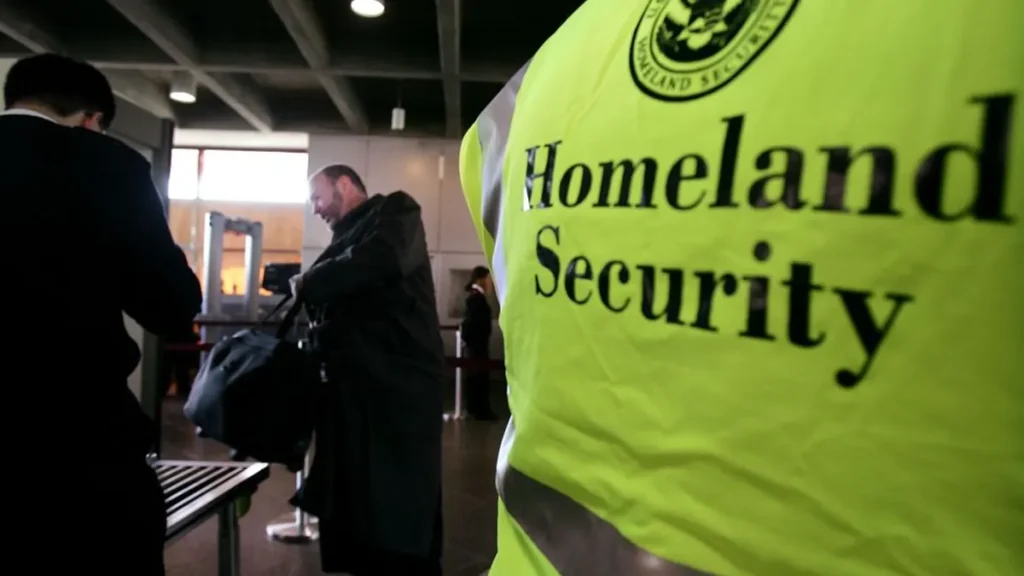
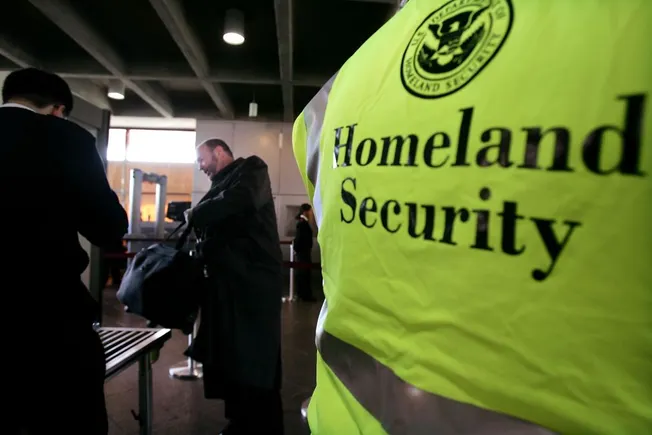
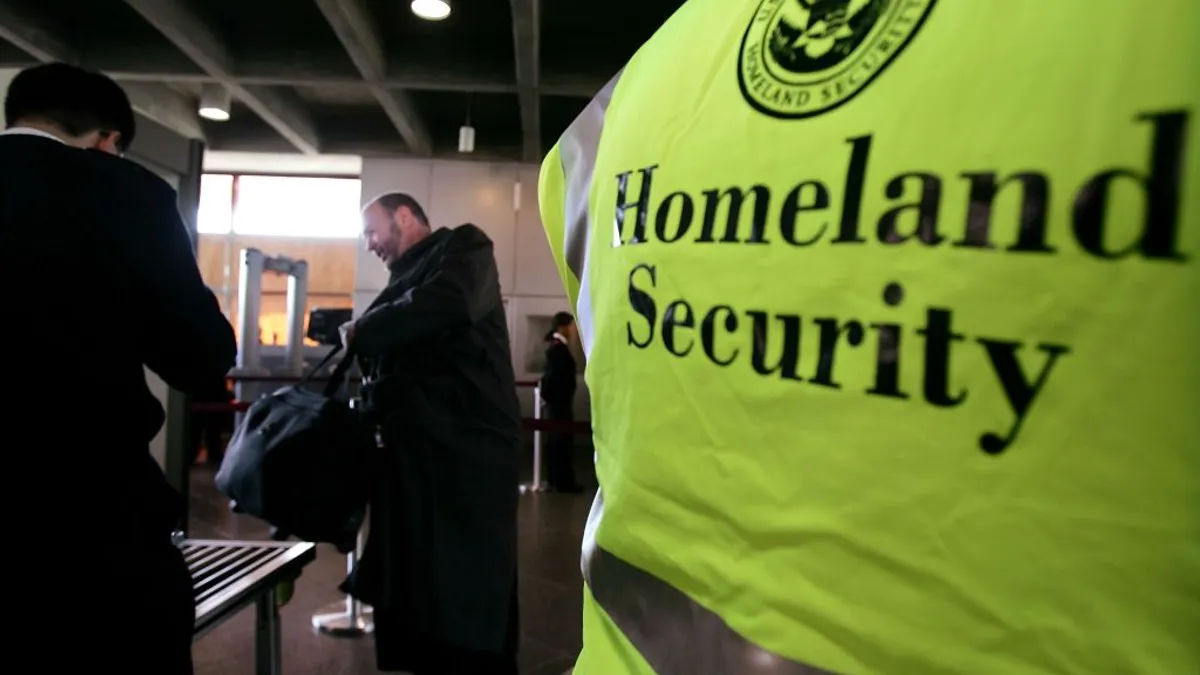
WASHINGTON — In a regulatory move that could send shockwaves through the American tech, engineering, and corporate sectors, the U.S. Department of Homeland Security (DHS) has officially proposed ending the discretionary 60-day grace period currently afforded to laid-off H-1B and other high-skilled nonimmigrant workers.
Unveiled on Friday, September 14, 2026, the Notice of Proposed Rulemaking (NPRM) targets a vital window of stability that has existed for a decade. Since 2016, this cushion period has allowed specialized foreign workers and their families to remain legally in the United States after a sudden job loss, giving them crucial time to secure alternative employment, transfer their visas, or wind down their affairs before being forced to leave the country.
If enacted, the proposal would strip away this transition period, leaving terminated employees with little to no time to navigate the complexities of job hunting while maintaining legal status. The public and interested stakeholders now have a 60-day window, running through November 10, 2026, to submit formal comments on the rule before the agency considers moving toward a final implementation.
Main Facts
The core of the DHS proposal centers on rescinding the regulation that permits a grace period of up to 60 days following the cessation of employment for individuals holding specific nonimmigrant classifications.
The Impacted Visas: While the H-1B visa for specialty occupation workers is the most widely recognized category affected, the proposed change also impacts other high-skilled nonimmigrant classifications, including L-1 (intra-company transferees), O-1 (individuals with extraordinary ability or achievement), E (treaty traders and investors), and TN (North American Free Trade Agreement professionals).
The Proposed Vacuum: Under the current framework, workers who lose their jobs unexpectedly can use the 60-day grace period to find a new sponsor, file a change of status, or prepare for departure. The new rule would effectively eliminate this discretion.
The 10-Day Alternative: While DHS previously observed and may fall back on a strict 10-day grace period, legal experts emphasize that this shorter window applies only under very narrow circumstances—specifically, after an authorized validity period naturally expires, rather than following a sudden mid-term termination.
Employer Liabilities: Even without the grace period, employers remain bound by certain statutory obligations. For instance, companies that terminate an H-1B worker before their authorized period of admission expires are legally liable for the "reasonable cost of return transportation abroad" for that individual.
Chronology and Regulatory Background
To understand the weight of the DHS’s latest proposal, it is necessary to examine the timeline of how nonimmigrant grace periods have evolved within American immigration policy.
Pre-2016 Landscape: For decades, workers who lost their jobs faced an immediate loss of legal status. The moment employment ceased, individuals were technically considered out of status, forcing them to scramble for immediate departure or face severe future immigration penalties, despite the high demand for their labor.
The 2016 Obama Administration Rule: Recognizing the administrative burdens on employers and the unfair disruptions faced by highly skilled professionals, the federal government formally introduced the 60-day grace period in 2016. This policy was designed to foster workforce mobility, making the U.S. immigration system more responsive to the fluid nature of modern corporate employment.
Friday, September 14, 2026: DHS issues its new Notice of Proposed Rulemaking in the Federal Register, signaling a sharp pivot away from the previous decade’s flexibility.
November 10, 2026: The conclusion of the mandatory 60-day public comment period. During this time, corporations, immigration attorneys, advocacy groups, and affected workers can submit feedback, data, and opposition to the rule.
Post-Comment Phase: Following the review of public comments, DHS will decide whether to issue a final rule, modify its provisions, or withdraw the proposal entirely. If finalized, the rule will set an effective date for enforcement.
Supporting Data and Legal Analysis
Immigration attorneys and policy analysts have rushed to dissect the text of the proposed rule, warning of severe unintended consequences for both employers and the U.S. economy.
Steven Brown, a partner at the prominent immigration law firm Reddy Neumann Brown, highlighted a critical discrepancy in how the agency plans to apply fallback rules. H-1B status is typically granted for an initial period of up to three years and can be extended for an additional three years, totaling a maximum standard admission period of six years.
According to agency guidelines, the traditional 10-day grace period is strictly tied to the end of the total validity period. Brown points out the devastating mathematical reality this creates for workers:
"The company that lays off an H-1B employee two years into a three-year approval leaves that employee with no cushion at all."
Without the 60-day grace period to bridge the gap, a mid-career layoff would mean an immediate out-of-status designation for the worker, rendering standard H-1B portability—the legal mechanism that allows workers to transfer their sponsorship to a new employer—virtually impossible to execute within the available timeframe.
Furthermore, legal analysts point out that while H-1B portability provisions technically remain on the books under the statutory framework of the immigration code, stripping away the grace period creates an insurmountable bureaucratic hurdle. Filing a change of employer petition requires time, document gathering, and processing—none of which can realistically occur instantaneously.
Official Responses and Agency Justification
In its published rulemaking documents, the Department of Homeland Security defended its decision by framing the elimination of the grace period as an administrative cleanup and a return to strict statutory intent.
Administrative Burden
DHS argued that managing the discretionary up-to-60-day grace period creates unnecessary red tape for federal adjudicators. The agency stated that the ongoing process of determining whether a grace period applies in individual termination cases, reviewing submitted documentation, and deciding whether to shorten or eliminate the period is "time consuming and complex for the agency." Furthermore, DHS asserted that the current system is "confusing or unpredictable for the petitioner, alien and the alien’s dependents."
Statutory Alignment and Program Integrity
More fundamentally, the agency claimed that the 60-day grace period runs counter to the foundational logic established by Congress when crafting nonimmigrant visa categories. DHS noted that the grace period is:
"inconsistent with the purpose for which Congress created the relevant nonimmigrant classifications."
The agency added that "restoring the expectation that aliens depart the United States upon cessation of the employment or activity upon which the alien’s status was based, would better promote program integrity and be more consistent with statutory purpose."
In essence, the federal government is signaling a return to a rigid interpretation of temporary worker visas: that an individual’s right to remain in the United States is inextricably and exclusively tied to active, uninterrupted employment with a specific sponsoring entity.
Broader Implications for Employers, Workers, and the Economy
The potential removal of the 60-day grace period carries sweeping implications that extend far beyond individual visa holders, touching corporate recruitment strategies, talent retention, and America’s competitive edge in the global technology and innovation markets.
Impact on Tech and Corporate Mobility
The United States has long relied on H-1B and specialized worker programs to attract top-tier global talent in engineering, software development, healthcare, finance, and scientific research. The 60-day grace period was widely viewed by human resources professionals as an essential safety valve during economic downturns and corporate restructurings.
If this cushion is eliminated, foreign professionals who experience unexpected layoffs will face immediate deportation pressures. Rather than risking unlawful presence or chaotic last-minute departures, many top-tier global talents may choose to bypass the United States entirely, opting instead for countries like Canada, the United Kingdom, or European Union nations that offer more flexible immigration pathways for skilled labor.
Increased Compliance Risks for Employers
HR departments and corporate legal teams will face heightened urgency and financial exposure. Under current regulations, employers are liable for return transportation costs if an H-1B worker is dismissed before their contract expires. Without a grace period to facilitate seamless job transfers, companies engaged in layoffs may find themselves dealing with complex immediate repatriation logistics, alongside a shrinking pool of domestic tech workers willing to risk employment on a sponsored visa.
Family Upheaval
The proposed rule also places immense pressure on the dependents of nonimmigrant workers—spouses and children whose legal status (such as H-4 visas) is tethered to the primary visa holder. Without time to sell homes, withdraw children from schools, or settle financial obligations, families will face severe logistical and emotional hardships.
The Path Forward: Public Commentary
As the debate intensifies, corporate leaders, trade associations, and immigration advocates are mobilizing to draft formal opposition during the 60-day comment period, which closes on November 10, 2026. Whether the Department of Homeland Security will alter its stance in the face of anticipated pushback from the business community remains one of the most critical questions facing the American labor market this year.