Cultivating Justice: The New Generation of New York Farmers Reshaping Food Systems
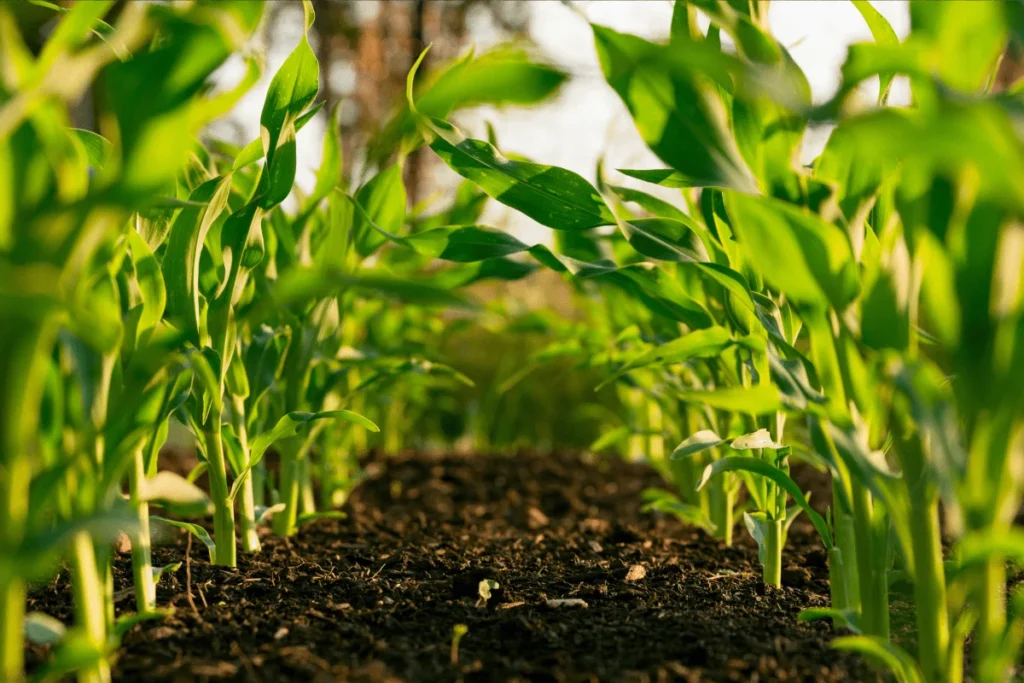
The American food system is currently navigating a period of profound instability. As food insecurity rates continue to climb—exacerbated by economic volatility and the rapid loss of agricultural land to development—a quiet revolution is taking root in New York State. A new generation of farmers, driven by a social justice mandate rather than purely profit-driven motives, is fundamentally altering the landscape of local agriculture. By centering community health, mutual aid, and agroecology, these growers are proving that the future of farming lies not in industrial expansion, but in regional, values-based food systems.
Main Facts: A Paradigm Shift in Agriculture
The modern agricultural crisis is twofold: the physical loss of arable land and the growing disconnect between food production and community nutrition. In response, farmers like Iris Fen Gillingham, Chris Nickell, Brenda Gonzalez, and Sea Matias are establishing models that prioritize equitable access.
At the core of this movement is the concept of "agroecology"—a method of farming that actively rejects the extractive nature of industrial agriculture. These farmers view their work as a form of community organizing. Whether through nonprofit community farms, cooperatives, or sliding-scale Community Supported Agriculture (CSA) programs, these growers are treating food as a human right rather than a commodity.
By utilizing innovative land-tenure models, such as community land trusts, and participating in regional alliances that share logistics and infrastructure, these farmers are overcoming the traditional barriers to entry that have historically kept young, diverse, and mission-driven growers out of the profession.
Chronology: From Concept to Community Anchor
The path taken by these farmers often begins with a recognition of systemic failure, followed by a pivot toward restorative action.
- 2022: Iris Fen Gillingham founded Gael Roots Community Farm in Livingston Manor, NY. Motivated by the loss of local farmland to development, she secured funding to purchase a 150-acre site—land she had a sentimental connection to from childhood.
- 2023: Chris Nickell and Brenda Gonzalez, after a decade of community organizing in Washington Heights, NYC, launched Finca Seremos. Burnt out by the challenges of urban activism, they transitioned to farming as a means of continuing their community-building work in a more restorative, land-based context.
- Late 2023: Gillingham spearheaded the founding of Calliope & Gael Grocers, a free-choice food pantry in Livingston Manor, responding to local food insecurity despite the area’s relative median income.
- 2024: Sea Matias founded Serra Vida Farm in the Catskills Delaware Valley. A trailblazer in the use of community land trusts, Matias donated 97% of their 14,000-pound harvest to mutual aid groups and food pantries across Delaware County and the Bronx.
- Ongoing: These farms continue to scale their operations, with Finca Seremos preparing to expand to three acres and transition toward a cooperative ownership model, inspired by the success of worker-led entities like Rock Steady Farm.
Supporting Data: The Scale of the Crisis and the Response
The urgency of this movement is underscored by stark statistics. Sullivan County, where several of these farms operate, has some of the poorest health outcomes in New York State. According to census data, while median household incomes in these regions may appear moderate—hovering around $72,000—this figure obscures the deep pockets of poverty and food insecurity that exist within the same zip codes.
The effectiveness of these new models is measured not just in tonnage of produce, but in social reach:
- Food Access: Finca Seremos targets a goal where 30% of their 150 CSA slots are reserved for Supplemental Nutrition Assistance Program (SNAP) recipients.
- Distribution: In 2024 alone, Sea Matias’s Serra Vida Farm distributed 14,000 pounds of fresh produce to 18 distinct mutual aid networks, effectively bypassing traditional grocery supply chains that often exclude low-income populations.
- Collaborative Infrastructure: The Catskills Agrarian Alliance (CAA) has become a vital backbone for these growers. By providing shared cold storage, trucking, and logistics, the alliance allows small-scale farmers to focus on growing and community engagement rather than the prohibitive costs of transportation and distribution.
Official Perspectives and Personal Narratives
The farmers themselves serve as both practitioners and philosophers of this new system. They emphasize that their work is a direct rejection of the industrial status quo.
"When we talk about this as a food justice project, it’s really a community organizing project at the core," says Chris Nickell of Finca Seremos. "It uses food as the vehicle for making those connections." This sentiment is echoed by Gillingham, who views the "regionalization" of food systems as a vital moral imperative. "Affordability is a major part of health," Gillingham notes, pointing out that in a society disconnected from the origins of its sustenance, the act of teaching food production is an act of reclaiming lost agency.
The commitment of these farmers extends to the cultural relevance of the food they grow. They actively solicit input from their communities, moving away from monoculture toward diverse crops—such as Asian eggplants or uvilla (Peruvian husk cherries)—that reflect the heritage and preferences of the populations they serve. As Sea Matias puts it, "Beyond an act of resilience, it is extremely important to show our communities that we have their best interests in mind; we have their backs."
Implications: A Model for National Replication
The work happening in New York State provides a blueprint for what a decentralized, community-centered food system could look like on a national scale. Several key implications emerge from these case studies:
1. The Necessity of Land Trusts
The primary barrier for new farmers is the skyrocketing cost of land. The success of Sea Matias, supported by a community land trust, demonstrates that when land is taken off the speculative market and placed under stewardship, the barrier to entry for marginalized or beginning farmers is significantly lowered.
2. From LLC to Cooperative
The transition from individual ownership to cooperative models—as seen in the planned evolution of Finca Seremos—is critical. Cooperative structures protect farmers from the instability of individual failure and ensure that the farm’s mission remains tied to the community rather than the whims of a single owner or board.
3. Mutual Aid as a Safety Net
These farms are not just businesses; they are nodes in a wider mutual aid network. By integrating immigrant rights advocacy, health resources, and solidarity for labor movements into their operations, these farms have become essential civic infrastructure. They prove that food is the most effective medium for building the social cohesion necessary to withstand climate change and economic shocks.
4. The Role of Institutional Support
While the passion of these young agrarians is the engine of this movement, the fuel remains precarious. Grants, donations, and diverse income streams—often supplementing farm work with other jobs—are currently required to keep these farms operational. The implication is clear: if these models are to be scaled, local, state, and federal policies must pivot to provide structural support—such as subsidies for agroecological practices and investment in shared regional logistics—rather than favoring large-scale industrial subsidies.
Conclusion
The "new generation" of New York farmers is effectively redefining the purpose of agriculture. By aligning their business models with the principles of social justice, these individuals are creating a resilient, human-centered alternative to the industrial food system. As they continue to bridge the gap between rural production and urban consumption, they offer a compelling vision of a future where food is not only accessible but is a powerful tool for community liberation. Their success suggests that the most effective way to solve the food crisis is to empower the people who grow it, one acre and one community at a time.