Bridging the Gap: A Practical Guide to Navigating Cash Shortfalls in Modern Canada

Payday is still days away, and your bank account is scraping the bottom. If that scenario hits close to home, you are far from alone. With the cost of living climbing steadily across Canada—from record-high rents in major urban centers to the persistent inflation of essential grocery items—running short before your next deposit has become a painfully common experience for many.
Surveys on financial well-being consistently show that roughly one-third to one-half of Canadian adults live paycheque to paycheque. Among Canadians under the age of 30, that number skews even higher, as entry-level wages struggle to keep pace with the rising costs of housing and debt servicing. The good news? You have real options for navigating these gaps. However, not every option is equally safe, and some can make the problem significantly worse. This guide serves as a practical playbook for managing immediate cash flow issues, dodging predatory financial traps, and leveraging modern tools to build long-term stability.
First: Don’t Panic. Take These 3 Steps Right Now.
Before you consider borrowing money, the smartest move is to take stock of your financial reality. A few proactive steps can cut your anxiety in half and might even free up the cash you need without taking on any new obligations. Think of this as financial triage: you are stopping the bleeding before deciding whether you need stitches.
1. Perform an Immediate Cash Audit
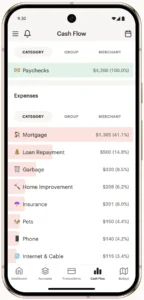
Take 30 minutes to review your bank transactions from the last 30 days. Identify "leaks"—subscriptions you don’t use, daily habits that add up to hundreds of dollars, or unnecessary impulse purchases. Even if you only find $50 in savings, that is $50 you don’t need to borrow.
2. Communicate with Service Providers
If you are worried about a bill payment, reach out to your utility provider, landlord, or credit card issuer before the payment is missed. Many companies have hardship programs or can offer a one-time payment deferral. It is far easier to negotiate a solution when you are proactive than it is to deal with the fallout of a declined transaction.
3. Monetize Your Assets
Look around your living space. Do you have electronics, clothing, or furniture that you no longer use? Platforms like Facebook Marketplace, Kijiji, or local consignment shops can provide a quick injection of cash. Selling items is always preferable to accruing debt, as it requires no repayment and carries zero interest.
The Danger Zone: Why Payday Loans Are a Financial Trap
When you are desperate for cash, a payday loan storefront or its online equivalent can feel like the obvious answer. They promise quick approval, minimal paperwork, and immediate access to cash. However, these products are among the most dangerous financial tools available to Canadian consumers. They are specifically structured to lock borrowers into a vicious cycle of repeat borrowing.
The Mechanics of the Debt Spiral
The combination of sky-high fees and brutally short repayment windows makes it genuinely difficult for many borrowers to repay the full amount on their next payday. According to the Financial Consumer Agency of Canada (FCAC), when those fees are annualized, the effective annual percentage rate (APR) on a payday loan can reach a staggering 365%.
To put that in perspective, even a high-interest credit card typically carries an APR of 20% to 25%. When you take out a payday loan, you are often using next month’s income to pay for today’s expenses—plus a massive premium. If you cannot make the full payment on time, you are forced to take out a second loan to cover the first, effectively compounding your debt until it becomes unmanageable. It is a classic debt trap that keeps vulnerable Canadians in a state of permanent financial instability.
Smarter Ways to Bridge the Gap: The Rise of Fintech
So, you have cut your spending and contacted your creditors, but you still need a small bridge to get to payday. The emergence of financial technology (fintech) has provided safer, more transparent alternatives to traditional predatory lending.
Low-Fee Digital Tools
Over the past few years, fintech platforms have stepped in to fill the gap between "I’m broke" and "I need a payday loan." These services provide short-term financial buffers without the astronomical interest rates that characterize payday lenders.
One notable example in the Canadian market is KOHO. Unlike traditional lenders that bolt a loan product onto an account, KOHO integrates its cash advance feature—known as "Cover"—directly into the account used for daily spending.
- How it Works: Cover allows users to access an instant cash advance of up to $250.
- The Cost: Instead of interest, users pay a small, transparent monthly subscription fee for the service bundle.
- The Safety Net: The advance is automatically repaid from your next direct deposit, preventing you from accidentally spending money you don’t have.
This approach is fundamentally different from the traditional lending model. Because it is built into the account, it removes the friction and stigma associated with borrowing, while keeping costs predictable. For many younger Canadians, this is an accessible alternative to high-interest overdraft fees or payday loans.
Pro-Tip for Total Transparency
The Cover feature is an optional add-on to a base KOHO account plan (such as the "Essential" plan, which is $4/month). However, you can waive the base fee entirely by setting up a recurring direct deposit or by adding $1,000 to your account monthly. By doing this, you ensure you only pay for the specific services you use, making it a highly cost-effective tool for managing cash flow.
At a Glance: Comparing Your Options
| Feature | KOHO Cover | Payday Loan | Bank NSF/Overdraft Fee |
|---|---|---|---|
| Cost Structure | Low, flat monthly fee | Extremely high (400%+ APR) | High one-time fee (~$45/item) |
| Impact on Credit | No credit check required | Can hurt if sent to collections | Can hurt if sent to collections |
| Debt Cycle Risk | Minimal | Very high | Low to medium |
From Surviving to Thriving: Building a Foundation
Securing a small cash advance can solve tonight’s immediate problem, but the ultimate goal must be to build a sufficient cushion so you don’t find yourself in this position again. A standard starter account at a big bank often acts as a passive container for your money. To move from "surviving" to "thriving," you need a platform that acts as a financial toolkit.
The Role of Financial Ecosystems
Modern platforms like KOHO are designed to actively improve your financial health. Beyond the "Cover" feature, these accounts include:
- Credit Building: By reporting payments to credit bureaus, users can establish or improve their credit scores, which is vital for securing lower rates on future major purchases like vehicles or mortgages.
- Automated Savings: Tools that help you earn interest on your balance or "round up" purchases to put small amounts into savings help break the cycle of living paycheque to paycheque.
- Real-Time Insights: Built-in budgeting tools allow you to categorize spending, ensuring you know exactly where your money is going before it hits zero.
Implications for Canadian Consumers
The shift toward digital, transparent, and user-centric financial tools reflects a broader change in the Canadian banking landscape. Consumers are increasingly rejecting the "one-size-fits-all" approach of traditional brick-and-mortar banks, which have historically been slow to innovate for those with lower balances or limited credit history.
However, even with better tools, the responsibility remains on the individual to foster financial literacy. A tool like a cash advance is a parachute, not a ladder. It is meant to be used in emergencies, not as a permanent supplement to one’s income. When used correctly, these tools provide the breathing room necessary to save, invest, and eventually move past the cycle of debt entirely.
Frequently Asked Questions
How much does KOHO Cover cost?
The Cover feature is an optional add-on bundle starting at $2/month. There is no interest charged on the money accessed. Users must have a base account plan (such as the $4/month "Essential" plan), which can be waived to $0 by setting up recurring direct deposits or adding $1,000 monthly.
Will getting a cash advance affect my credit score?
No. Accessing the Cover feature does not require a credit check and does not impact your credit score. However, it is essential to manage your account responsibly and ensure funds are available for the automatic repayment to maintain good standing with the platform.
How quickly do I get the money?
Once you subscribe to the Cover bundle within the app, any amount you are eligible to access becomes available in your KOHO account instantly. There is no waiting period and no approval queue, providing a true safety net for immediate needs.
Final Verdict
Running short before payday is stressful, but it is a manageable situation if you approach it with clarity and caution. Start by auditing your spending, cutting unnecessary costs, and communicating with your creditors. If you still need extra funds, steer clear of the predatory trap of payday loans.
Instead, look to modern, low-cost digital alternatives that offer transparency and built-in protections. By choosing a platform that helps you save, budget, and build credit, you aren’t just surviving until your next paycheque—you are building a durable financial foundation that will make these cash crunches a thing of the past. Real progress starts when you stop reacting to your finances and start managing them with the right tools.