Beyond the Spreadsheet: How One Investor Built a 30-Unit Portfolio by Ignoring "Vanity Metrics"
"My goal is not to buy one property. My goal is to build a machine that continuously funds future acquisitions."
For many aspiring real estate investors, the journey begins and ends in the same place: behind a screen. It is a world of podcasts, YouTube tutorials, and glossy Instagram feeds that make the BRRRR (Buy, Rehab, Rent, Refinance, Repeat) method look like a simple game of Monopoly. But for Detroit-based investor Osama, the transition from spectator to operator wasn’t born from a secret hack—it was born from a realization that most investors are chasing the wrong numbers.
In just over 12 months, Osama has scaled from zero to nearly 30 units in the Detroit market. His secret isn’t a higher credit score or deeper pockets; it is a fundamental shift in how he evaluates a deal. While his peers are blinded by high After-Repair Values (ARV) and "equity pride," Osama is obsessed with the velocity of his capital.
The Anatomy of an Investor: Breaking the Paralysis
Osama’s story is a familiar one to many: a high-achiever, educated in top-tier programs, who found himself perpetually stuck in the "analysis paralysis" phase. He spent years consuming content, waiting for the perfect moment or the perfect deal.
"There was no amount of podcasts, books, YouTube videos, or courses that could replace taking action," he admits. The catalyst for his growth was the realization that he was just as capable as the people he was watching. The only difference was that they had started, and he hadn’t.
When he finally entered the Detroit market, he partnered with Julia, a lead agent from the FIRE Realty Team. Together, they established a narrow, disciplined "buy box": single-family homes priced at or under $120,000 in established, high-demand pockets. But the true discipline lies in his vetting process. Before he ever submits an offer, he runs a reverse-engineered model: he starts with the refinance. If the property doesn’t allow him to pull his initial capital out after renovation and stabilization, it isn’t a deal—it’s a vanity project.
Chronology of a Decision: The Three-Way Test
To understand the philosophy that drove his success, we must look at the specific search that defined his strategy. Osama found himself choosing between three properties. On paper, the choice seemed obvious. In reality, it was a trap.

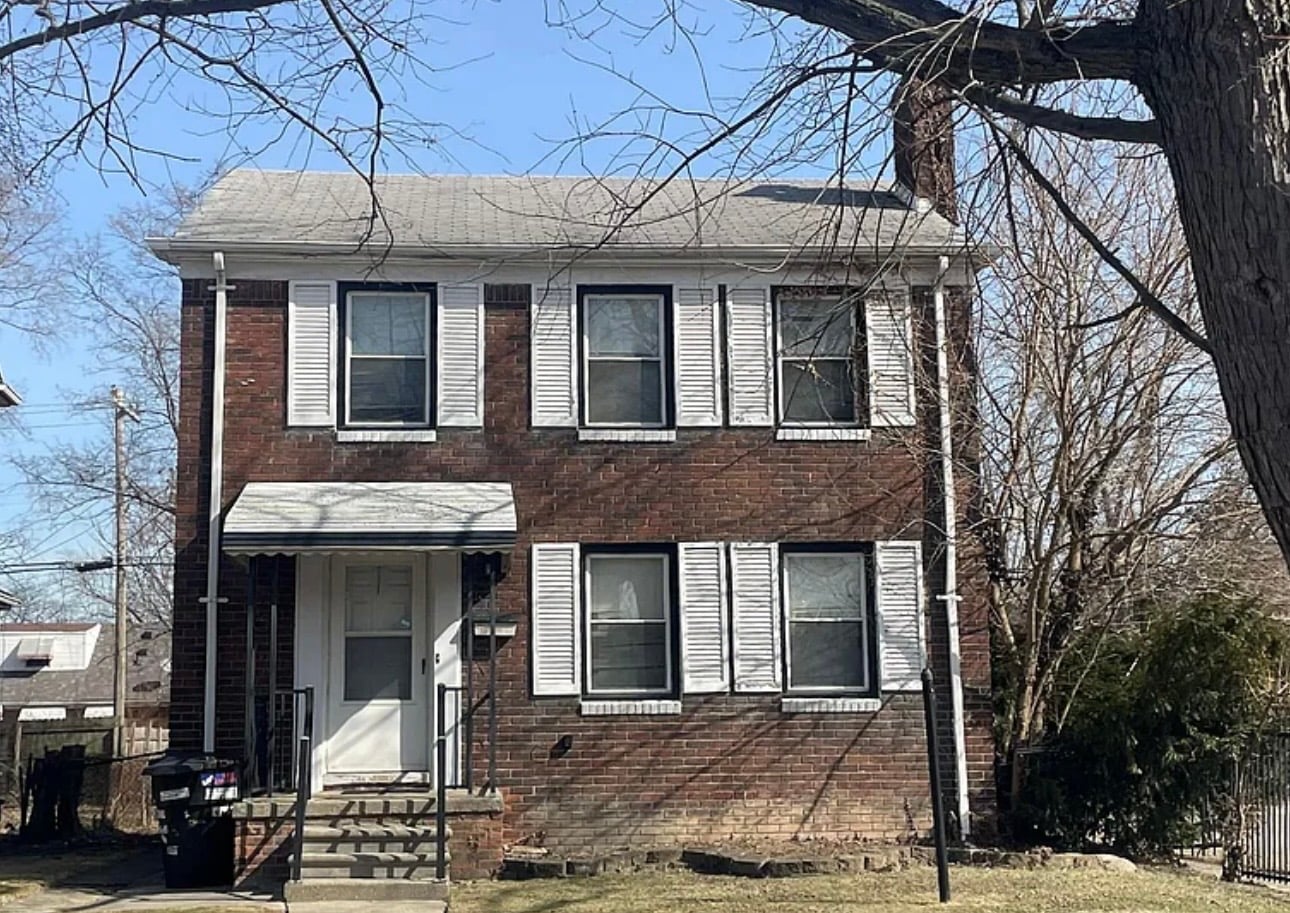
Option 1: The East-Side Colonial (The Illusion of Equity)
A 1,600-square-foot colonial in the Morningside neighborhood. With an ARV flirting with $200,000, it looked like a home run on a spreadsheet. Priced at $90,000, the "paper" profit was substantial. However, beneath the surface, the rent-to-value ratio was soft. Furthermore, Osama had personally dealt with "furnace theft" in this specific area—a hidden cost that erodes long-term cash flow.
Option 2: The Morningside Twin (The "Good Enough" Trap)
A 1,500-square-foot colonial, also in Morningside, listed for $80,000. It shared the high ARV of the first property, but the math on the refinance was underwhelming. It was a "good" deal, but it failed to provide the necessary capital return to fuel his "machine."
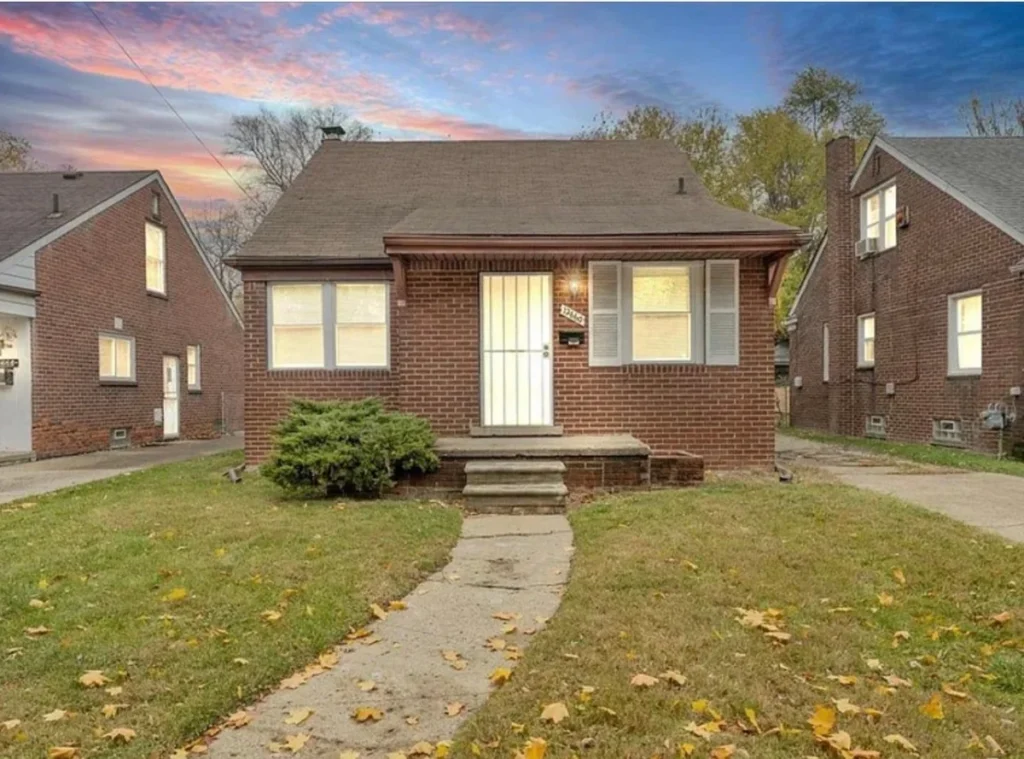
Option 3: The West-Side Bungalow (The Contrarian Choice)
A 1,300-square-foot bungalow on the west side. On paper, it was the weakest of the trio. With an ARV of only $145,000 and a list price of $105,000, it lacked the "prestige" of the $200,000 homes. Yet, the west-side rental market offered significantly higher cash flow.
Supporting Data: Why Cash Flow Beats Equity
Most amateur investors fall in love with "Equity"—the theoretical value of their home as determined by a lender’s appraisal. But as Osama notes, "Equity you cannot pull back out is just a number you quote at parties."
The BRRRR method relies on the "Refinance" stage. If your property has $100,000 in equity but the rental income is too low to support a high enough mortgage to pull that equity out, you are essentially "trapped" in your own investment.
The Financial Comparison
| Feature | East-Side Colonial | West-Side Bungalow |
|---|---|---|
| ARV | $200,000 | $145,000 |
| Initial Price | $90,000 | $105,000 (negotiable) |
| Refinance Potential | Low (Poor Cash Flow) | High (Strong Cash Flow) |
| Strategy | Capital Locked | Capital Recycled |
Osama chose the West-Side bungalow. But he didn’t just accept the price. Through rigorous negotiation, he forced the seller down to $80,000. By lowering his cost basis, he immediately improved his cash-on-cash return, ensuring that his refinance would be clean, fast, and lucrative.
Expert Perspective: The Strategic Risk-Taker
Julia, his agent at FIRE Realty, emphasizes that the most successful investors are those who can balance the numbers with a stomach for the "arena."
"I would call Osama a strategic risk-taker," Julia says. "A lot of investors never get skin in the game because they are too paralyzed by the risk and work involved. The most successful real estate investors are the ones in the arena rolling with the punches."
This perspective is vital. Real estate is not a passive investment; it is a business. The "punches" refer to the reality of the BRRRR method: construction delays, unexpected repair costs, and finding quality tenants. By focusing on cash flow rather than theoretical equity, Osama ensures that his business can withstand these inevitable operational shocks.
Implications for Future Investors
What does this mean for those currently looking for their first, or their tenth, property? The implications are three-fold:
- Stop Chasing Appraisals: An appraisal is a snapshot in time. A tenant’s rent check is a recurring event. Prioritize the latter, as it is the fuel for your next acquisition.
- The "Machine" Mindset: Treat every property as a means to an end. If you buy a house and your capital is locked in it for 30 years, you have failed the BRRRR test, regardless of how much "equity" you have on paper.
- Negotiation is Your Primary Return: Osama’s success wasn’t just in the property choice; it was in the $25,000 price reduction he negotiated. That reduction was pure profit and the difference between a successful refinance and a stagnant one.
Conclusion: The New Definition of Success
Osama’s journey to 30 units serves as a blueprint for the modern investor. He has successfully stripped away the noise of the industry to focus on the cold, hard reality of the numbers.
"I do not buy properties to say I own them," he concludes. "I buy properties to create profit, generate cash flow, and build momentum. Every successful BRRRR is not just another rental. It is the down payment on the next opportunity."
For those still sitting on the sidelines, waiting for the perfect market conditions or the perfect "equity-heavy" deal, take note: the best deals aren’t the ones that look perfect on paper. They are the ones that quietly and consistently fuel your path to the next closing table. In the world of real estate, the only number that truly pays the bills is the one that allows you to repeat the process.