Beyond the Paper: How One Investor Built a 30-Unit Portfolio by Ignoring "Vanity Metrics"
"My goal is not to buy one property. My goal is to build a machine that continuously funds future acquisitions."
For most aspiring real estate investors, the journey begins in a state of paralysis. They spend months—sometimes years—consuming podcasts, reading books, and analyzing spreadsheets, all while remaining on the sidelines. Osama, a Detroit-based investor who went from zero to nearly 30 units in just over a year, was once one of those people.
Today, he stands as a testament to the difference between theoretical knowledge and tactical execution. His rapid ascent was not fueled by luck or high-risk speculation, but by a fundamental shift in how he evaluates a deal. While most investors chase the "vanity metrics" of high After-Repair Value (ARV) and shiny property photos, Osama focuses on the cold, hard mechanics of the BRRRR (Buy, Rehab, Rent, Refinance, Repeat) strategy.
His recent acquisition of a seemingly "bad" deal in Detroit offers a masterclass in why, in the world of professional real estate, the numbers that matter most are the ones that facilitate the next deal.
The Philosophy of the "Investor’s Machine"
Osama’s entry into the Detroit market was marked by a realization: the resume of a high-achiever in the corporate world does not guarantee success in real estate. The difference between the person who watches and the person who acts is simply the act of beginning.
"There was no amount of podcasts, books, YouTube videos, or courses that could replace taking action," Osama notes.
His strategy is intentionally disciplined. He targets single-family homes in stable Detroit pockets, typically priced under $120,000. However, his "buy box" isn’t defined by the property’s curb appeal or its neighborhood prestige; it is defined by the refinance potential. Before he even considers submitting an offer, he runs a reverse-engineered calculation: Can I rehab this, place a high-quality tenant, refinance to pull my initial capital out, and have enough cash flow left over to roll into the next deal?
If the answer is no, the deal is discarded, regardless of how "pretty" the equity looks on paper.
Chronology of a Search: Three Paths to Growth
The process of finding the right asset often reveals the pitfalls that trap inexperienced investors. In a recent search facilitated by his agent, Julia of the FIRE Realty Team in Detroit, Osama found himself at a crossroads with three distinct options.

The East-Side Colonials (Options 1 & 2)
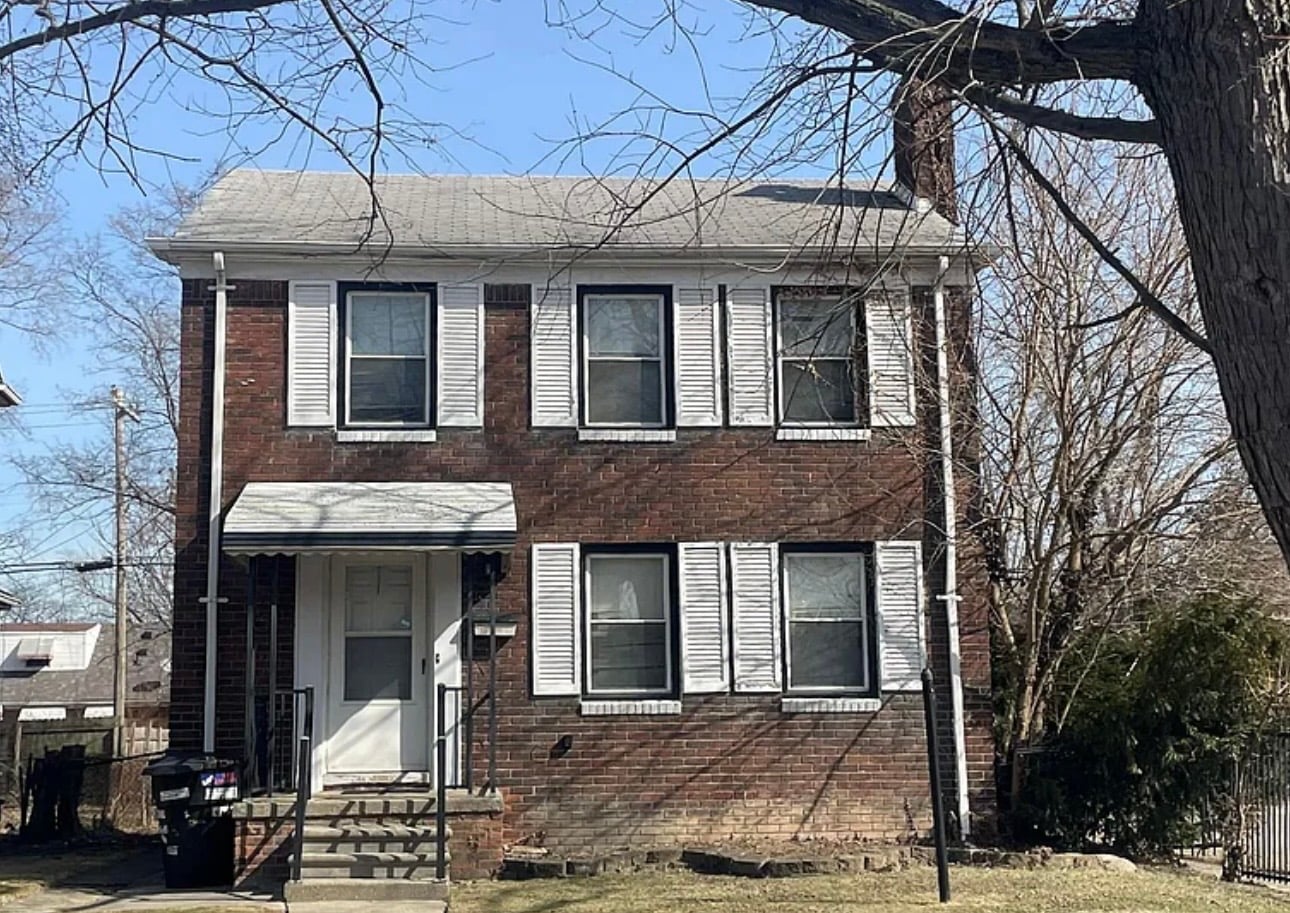
The first two candidates were 1,500-to-1,600-square-foot colonials in the Morningside neighborhood. On paper, they were the "obvious" choices. With projected ARVs approaching $200,000, they offered the kind of equity spread that looks excellent in a presentation or a social media post.
However, when the math was stress-tested against the realities of the local rental market and the costs of the BRRRR process, the numbers softened. Furthermore, Osama had past, painful experiences with property vandalism—specifically furnace theft—on the east side, which added a layer of operational risk that these properties didn’t sufficiently offset. These were "good" deals, but they were not "machine" deals. They lacked the rental velocity required to make the refinancing math hum.
The West-Side Bungalow (Option 3)
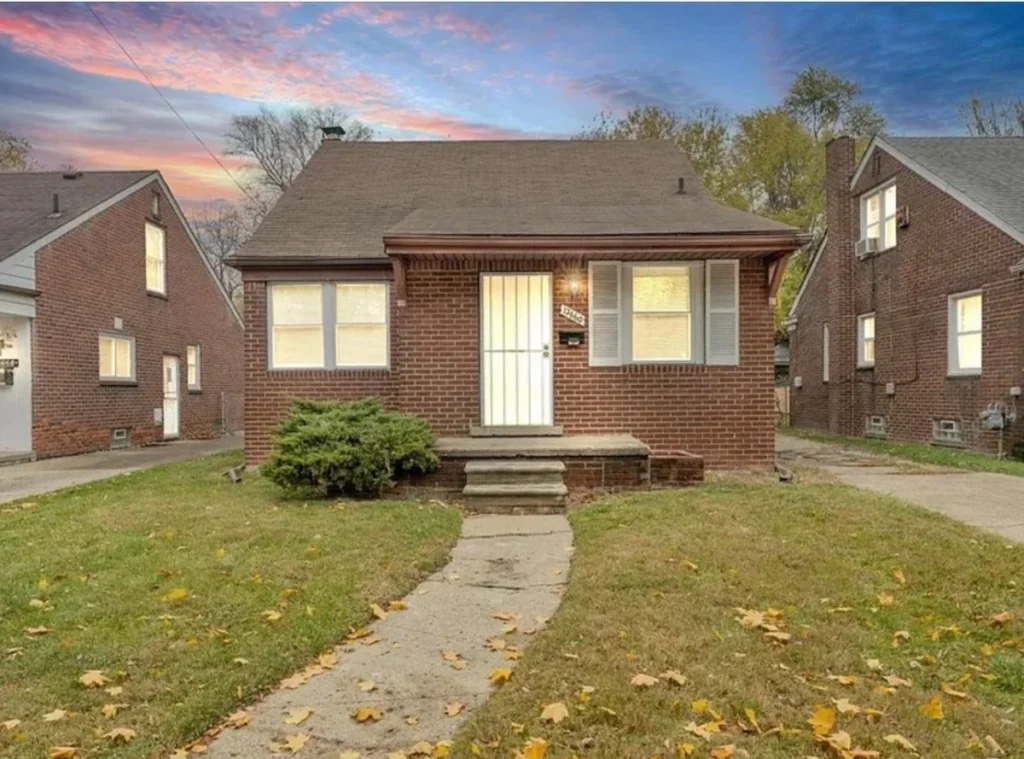
The third option was a 1,300-square-foot bungalow on the west side. To the untrained eye, it was the weakest of the three. Its projected ARV sat at a modest $145,000, significantly lower than the colonials.
Yet, for a BRRRR investor, the ARV is a secondary concern. The primary concern is the monthly cash flow, which dictates the long-term viability of the refinance. The west-side market was producing significantly higher rental yields, meaning the house would not only cover its debt service but also provide the necessary surplus to satisfy a lender’s requirements for a cash-out refinance.
Supporting Data: Why Cash Flow Trumps Equity
The central tension in Osama’s search highlights a common mistake: valuing equity over liquidity.
| Metric | East-Side Colonial | West-Side Bungalow |
|---|---|---|
| Projected ARV | ~$200,000 | ~$145,000 |
| Rental Yield | Moderate | High |
| Refinance Potential | Limited (Low yield) | Strong (High yield) |
| Investor Verdict | "Vanity Deal" | "Growth Machine" |
As Julia, his real estate agent, observes, "I would call Osama a strategic risk-taker. A lot of investors never get skin in the game because they are too paralyzed by the risk and work involved. The most successful real estate investors are the ones in the arena rolling with the punches."
The data supports this "in-the-arena" approach. Equity is a stagnant number—it is what you brag about at parties. But cash flow is the fuel of the BRRRR engine. If an investor captures $50,000 in equity but cannot extract that capital through a refinance because the rental income is insufficient to cover the new mortgage, that capital is trapped. It is dead money. By contrast, a property with less total equity but higher rent allows the investor to pull their original investment out, essentially owning the asset for "free" while retaining the cash flow.
The Negotiated Advantage
Osama’s decision to pursue the west-side bungalow was not just about the asset class; it was about the potential to manufacture value.
While the bungalow was listed at $105,000, Osama did not take the price at face value. Through aggressive but fair negotiation, he secured the property for $80,000. This $25,000 reduction was the "kicker" that turned a solid deal into a home run.
By lowering his cost basis before a single wall was painted, he immediately increased his cash-on-cash return. The lower purchase price allowed for a larger margin during the renovation phase and ensured that, upon refinancing, he could recover virtually 100% of his out-of-pocket capital. This is the "machine" in action: the money used to buy the bungalow was recycled back into the bank account, ready to fund the next purchase.
Implications for the Modern Investor
The story of this Detroit bungalow carries profound implications for anyone looking to scale a real estate portfolio.
1. Distrust the Paper
As Osama notes, "ARV alone does not pay the bills." Investors must look past the appraisal value and focus on the Debt Service Coverage Ratio (DSCR) and the actual rent-to-price ratio. If the property doesn’t make sense on a monthly operating basis, the equity is irrelevant.
2. Focus on Velocity
The goal of the BRRRR method is not to collect properties; it is to collect cash-flowing assets while recycling capital. If a property takes too long to rent or fails to provide enough cash flow to justify a refinance, it breaks the chain of acquisition. Speed and efficiency are the primary drivers of portfolio growth.
3. The "Machine" Mindset
Osama’s approach shifts the focus from "buying a house" to "building a system." Every property in his portfolio serves as a down payment for the next one. By treating each acquisition as a functional component of a larger machine, he has successfully mitigated the risks of vacancy and market fluctuation.
4. Operational Awareness
The "east side vs. west side" dilemma highlights the importance of market knowledge. Beyond the numbers, an investor must understand the local operational risks—such as the prevalence of theft or the stability of the tenant base. A deal that looks perfect in a spreadsheet can be destroyed by a high turnover rate or maintenance issues in a problematic area.
Final Thoughts: The Arena Awaits
The takeaway from Osama’s journey is clear: success in real estate requires moving from the observer’s chair to the investor’s arena. It is about making decisions that prioritize the long-term health of the portfolio over the short-term satisfaction of an appraisal number.
"I do not buy properties to say I own them," Osama says. "I buy properties to create profit, generate cash flow, and build momentum. Every successful BRRRR is not just another rental. It is the down payment on the next opportunity."
For those still waiting on the sidelines, the message is simple: stop watching the paper and start looking at the cash flow. The machine won’t build itself, but once the first gear begins to turn, the potential for growth is limited only by your ability to find the next deal that truly works.