Beyond the Emoji: How Pixi Is Transforming Digital Communication with Interactive AR
The evolution of digital messaging has long been defined by a transition from the static to the expressive. We moved from plain text to the shorthand of SMS, then to the visual vocabulary of emojis, followed by the looping brevity of GIFs and the ephemeral nature of stickers. Now, a new startup called Pixi is betting that the next frontier of human connection is not just visual, but intelligent, interactive, and spatial.
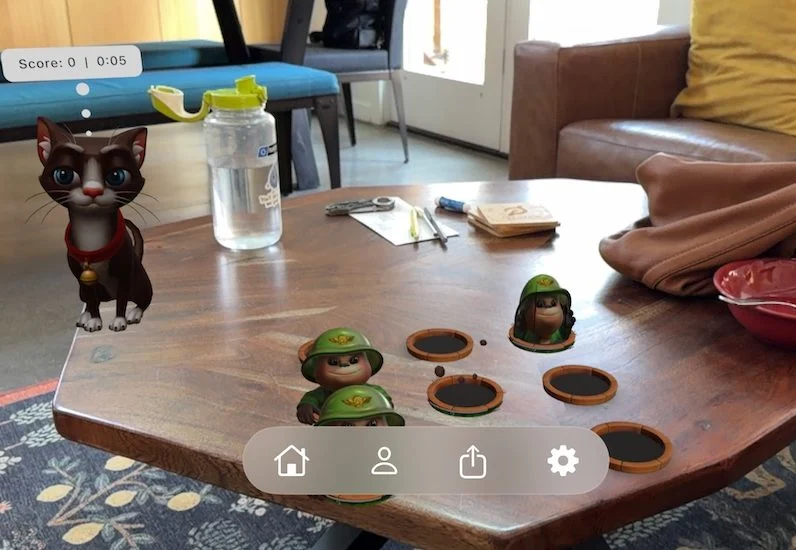
With the launch of its messaging-native application on the Apple App Store this week, Pixi is introducing a suite of augmented reality (AR) characters that transcend the screen. These are not merely digital overlays; they are AI-powered agents designed to inhabit the recipient’s physical environment, reacting to their surroundings, responding to facial expressions, and engaging in real-time gameplay.
The Core Concept: Redefining Digital "Presence"
At its heart, Pixi aims to solve the "presence gap"—the psychological void felt when we want to share a moment or a sentiment with someone who isn’t physically there. Founder Mark Drummond, a veteran of both DreamWorks Animation and Apple, views the current landscape of digital gifting and casual messaging as antiquated.
"The consumer problem we’re solving is thinking of a friend when they’re not present," Drummond explained in an interview. "Sometimes the psychology is called ‘pebbling’ or ‘creative gifting.’ You’re sharing tokens of affection—cards, e-cards, and gifts. That’s your dad’s or your granddad’s media. We can do better. We can do something that’s digitally native, and that uses everything we learned about AR on the iPhone."
Unlike traditional AR filters that merely track a face or place a static 3D model in a room, Pixi utilizes on-device AI to enable environmental awareness. If a user sends a virtual cat to a friend, the AI—operating entirely on the recipient’s device to maintain strict privacy standards—understands the room’s layout. If a real-world dog walks through the frame, the virtual cat can react accordingly. This shift from "media consumption" to "shared experience" is the foundation of Pixi’s value proposition.
Chronology of the Development
The path to Pixi’s launch has been marked by a deliberate focus on technical integration and user experience.
- Conceptualization (The DreamWorks/Apple Influence): Drawing from his background in high-end animation and consumer hardware, Drummond sought to combine the emotional resonance of character-driven storytelling with the spatial precision of Apple’s ARKit.
- Engineering Phase: The development team focused heavily on "on-device" processing. By ensuring that visual and audio data processing never leaves the user’s smartphone, the company addresses the significant privacy concerns that often plague AI-integrated social applications.
- Beta Testing and Refinement: Prior to the public launch, the team stress-tested the characters’ ability to perceive and respond to human cues, such as smiles or movement, ensuring that the latency remained low enough for fluid interaction.
- Official Launch (June 2026): Pixi officially landed on the App Store, integrating directly with iMessage. By utilizing the existing messaging infrastructure, the startup removed the barrier of entry for recipients; the person receiving the Pixi does not need to have the app installed to view the AR interaction.
Supporting Data and Technical Capabilities
Pixi’s technical architecture is built to support a high degree of interactivity. Upon launch, the app offers three distinct character archetypes: a robot, a cat, and an animated envelope.
Key Features at Launch:
- Environmental Awareness: Characters can recognize and interact with physical obstacles or triggers in a user’s room.
- Emotional Responsiveness: Utilizing the iPhone’s front-facing camera, the characters detect human expressions. For instance, a character might finish a stand-up comedy routine only when the recipient smiles, validating the performance.
- Interactive Gaming: The platform includes built-in mini-games like "Whack-a-Mole" and "Tic-Tac-Toe," which move beyond the screen and into the user’s living room.
- Playful Aggression: The envelope character is designed to chase users around their space, adding a layer of tactile, humorous interaction that static stickers cannot replicate.
The platform is currently optimized for iPhone models 11 and newer, utilizing the Neural Engine to handle the heavy lifting of spatial mapping and AI-driven behavior.
Official Perspectives: The Creator’s Vision
Mark Drummond’s vision for Pixi is not limited to a closed ecosystem of company-owned characters. He views the app as a "digital stage" that will eventually be populated by third-party creators, brands, and film studios.

"We’re going to encourage people to do it for free, because then people become your own brand ambassadors," Drummond noted. "You’re putting them in charge of using your characters to tell their own stories."
The company is currently exploring partnerships that would see famous intellectual properties—such as Alice in Wonderland—brought to life as interactive agents. The goal is to provide a "consistency engine" for these characters, ensuring that a brand-owned character reacts to the world in a way that aligns with its established personality. An Alice character, for instance, would respond to objects in a desk-based environment with her characteristic curiosity and wonder, rather than acting like a generic robotic interface.
Market Implications and Future Trajectory
The implications of Pixi’s entry into the messaging space are twofold: it represents a maturation of AR as a consumer tool, and it suggests a paradigm shift in how brands might interact with their audiences.
The Rise of the "Interactive Creator Economy"
Pixi plans to open its generative AI tools to the public, allowing users to "prompt" their own characters into existence. The ability for a user to type, "I want a blue blob that threatens my friend and growls at them," marks a democratization of 3D animation. It turns the user from a passive sender of media into a director of digital experiences.
The Evolution of Digital Marketing
For brands, the potential is immense. Rather than releasing a static advertisement, a movie studio could release an interactive character to build buzz before a premiere. By allowing users to "own" and "play" with these characters, the brand creates a deeper, more personal connection with the consumer. As Drummond pointed out, when a user shares an interactive M&M character with a friend, the brand is no longer just a logo—it’s a participant in a personal social interaction.
Challenges Ahead
While the technology is impressive, Pixi faces several hurdles.
- Platform Expansion: Currently restricted to iOS, the startup will need to navigate the more fragmented ecosystem of Android devices to achieve mass-market ubiquity.
- Platform Integration: While iMessage is a strong starting point, the company has expressed intentions to move into WhatsApp and Instagram. Each platform presents unique technical challenges regarding third-party integration and camera access.
- Monetization Sustainability: Balancing the desire for a free, viral-friendly user experience with the need for a profitable marketplace for brands will be a delicate tightrope walk for the leadership team.
Conclusion: A New Language for Messaging
Pixi represents the first significant attempt to synthesize generative AI, spatial computing, and social messaging into a single, cohesive consumer product. By shifting the focus from the screen to the space surrounding the user, Pixi is attempting to redefine the "message" from a piece of data to be read into an experience to be lived.
Whether this becomes the standard for how we communicate in the coming decade depends on the platform’s ability to scale, the creativity of its future developer community, and the willingness of users to embrace a world where their phones act as windows into an augmented, interactive reality. For now, the "cat on the desk" is just the beginning; the real test will be whether Pixi can turn the ephemeral nature of a text message into the lasting memory of a shared digital encounter.