Apple’s Roadmap for 2027: New iPad Pros, Entry-Level MacBook Pro, and the Dawn of the M7 Chip
By Tech Insights Bureau
July 1, 2026
As the technology landscape pivots toward a post-Tim Cook era, Apple is quietly sharpening its hardware strategy. Reports surfacing today suggest a significant refresh cycle slated for the first half of 2027, centered on a major expansion of its tablet lineup and a strategic recalibration of its professional laptop offerings. According to industry insiders and supply chain reports, the Cupertino-based tech giant is developing four distinct iterations of the iPad Pro, a revamped “entry-level” MacBook Pro, and the highly anticipated debut of its M7 processor architecture.
The Core Developments: A Snapshot of 2027
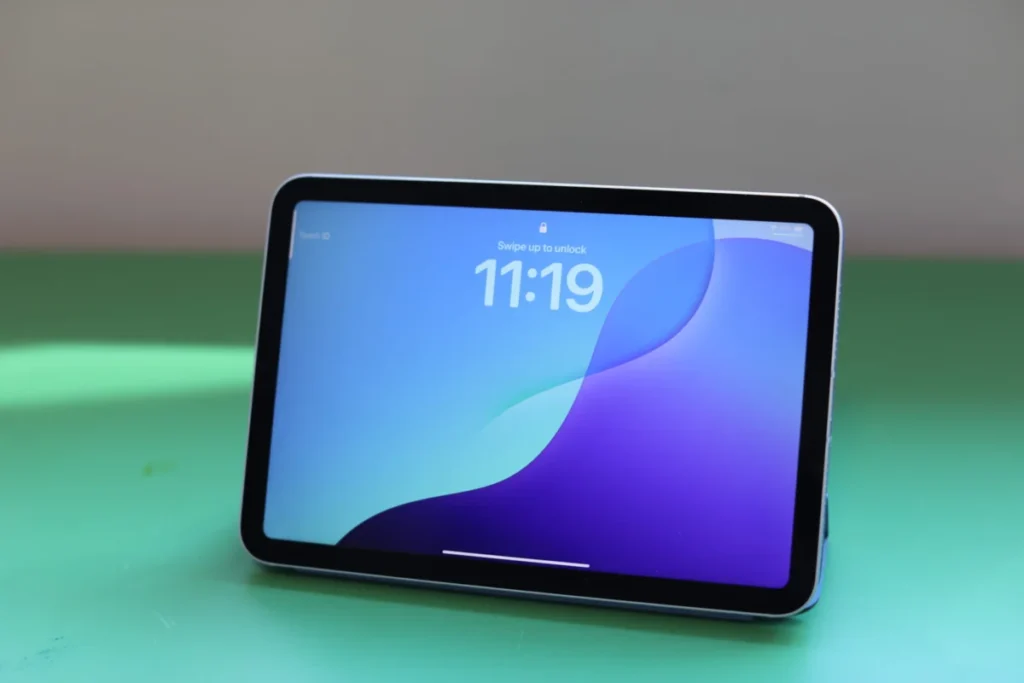
The strategy for early 2027 represents a calculated effort to sustain Apple’s momentum in the premium hardware market. The most notable development is the internal effort to refresh the iPad Pro lineup. With four distinct models currently in development, Apple appears to be aiming for broader segmentation, likely catering to power users, creative professionals, and those seeking the latest silicon-driven performance gains.
Alongside the tablets, the spotlight is on the project codenamed "K104." This initiative seeks to introduce an "entry-level" MacBook Pro. While the term "entry-level Pro" may sound oxymoronic, it signals a move to bridge the gap between the budget-friendly "MacBook Neo" (which currently runs on the A18 iPhone chip) and the high-end M5 Pro/Max machines. By positioning a new device between these two tiers, Apple hopes to capture consumers who require a true macOS "Pro" experience without the premium price tag associated with the top-of-the-line MacBook Pro models.
Finally, the centerpiece of this hardware refresh is expected to be the debut of the M7 silicon. Building on the success of the M5 series released in 2025 and early 2026, the M7 chip promises to further tighten the integration between hardware and software, likely focusing on advanced neural processing and thermal efficiency.
Chronology of Hardware Evolution
To understand the significance of these 2027 plans, it is necessary to examine the recent history of Apple’s product release cycles:
- October 2025: Apple released its current iteration of the iPad Pro, featuring the then-revolutionary M5 chip, setting a high bar for mobile computing performance.
- March 2026: Apple refreshed the high-end MacBook Pro line with the M5 Pro and M5 Max chips. This event also marked the debut of the "MacBook Neo," a machine that garnered praise for its repairability but left some users wanting more raw processing power due to its reliance on the A18 chipset.
- June 2026: Reports surfaced regarding significant supply chain disruptions and surging memory costs, leading to a notable price hike—most notably seen in the 1TB MacBook Pro, which climbed from $1,699 to $1,999.
- July 2026 (Present): With supply chain headwinds continuing, Apple pivots its focus toward a massive H1 2027 release window, balancing the need for higher-margin products with the necessity of maintaining market share through more accessible hardware.
Supporting Data: Economic Pressures and Strategic Pivots
The 2027 roadmap is not happening in a vacuum. Apple is currently navigating a period of unprecedented economic complexity. The company’s recent price hikes, necessitated by fluctuating semiconductor costs and global supply chain instability, have tested consumer loyalty.
Market analysts observe that the $300 price jump for the 1TB MacBook Pro is a symptom of a larger trend: the commoditization of high-end components becoming increasingly expensive to source. In this context, the development of the "K104" entry-level MacBook Pro is a strategic move to provide an "off-ramp" for customers who are being priced out of the high-end Pro market. By offering a device that maintains the Pro chassis and thermal design but perhaps scales back on specific secondary features or memory configurations, Apple can maintain its "Pro" branding while keeping the entry point lower.

Furthermore, the simultaneous development of four iPad Pro models suggests that Apple is attempting to solidify its dominance in the high-end tablet space, which has faced increased competition from Windows-based 2-in-1 devices and foldable tablets.
Official Responses and Corporate Silence
As is standard practice for the company, Apple has maintained a policy of strict confidentiality regarding unannounced projects. When contacted for comment regarding the K104 project, the impending M7 silicon, and the status of the upcoming iPad Pro lineup, Apple representatives did not provide an official statement.
However, industry analysts note that the absence of a denial is often telling. The leaked information, originating from reliable supply chain channels, aligns with the company’s typical 18-month R&D cycle for its flagship silicon.
Implications: The Road Ahead
The implications of this hardware push are twofold: they reflect both the immediate future of Apple’s product ecosystem and the broader legacy of the Tim Cook era.
1. The Post-Cook Transition
As speculation continues regarding the future of Apple’s leadership, the company’s ability to execute a seamless transition hinges on product reliability. Delivering a refined, efficient M7-powered lineup in early 2027 would signal that the company’s R&D engine remains in high gear, independent of any potential executive transitions.
2. Supply Chain Resilience
Apple’s shift toward a more tiered product strategy suggests a transition away from the "one-size-fits-all" approach to high-end computing. By diversifying its hardware—ranging from the repairable, consumer-focused MacBook Neo to the performance-oriented M7 MacBook Pros—Apple is creating a more resilient product architecture that can withstand component shortages. If one part of the supply chain faces a bottleneck, the company has more levers to pull to ensure it can continue moving units across its varied price brackets.
3. The Foldable Factor
While the focus is currently on the M7 and new MacBook Pro models, the "whisperings" of a foldable iPhone remain the elephant in the room. If Apple chooses to integrate its foldable ambitions with the release of the M7 chip—perhaps in a "Pro" foldable device—it could redefine the mobile market once again. However, the conservative approach of focusing on core computing hardware suggests that Apple is prioritizing the stabilization of its bread-and-butter products before making a high-risk entry into the foldable segment.
Conclusion
As we look toward the first half of 2027, the narrative surrounding Apple is one of cautious expansion. By prioritizing the M7 chip and expanding the "Pro" umbrella to include more accessible hardware, Apple is attempting to solve the dual problem of rising manufacturing costs and the need for constant innovation. For the consumer, this could result in a more segmented, yet highly performant, range of devices that cater to an increasingly diverse set of professional needs. Whether these products will succeed in mitigating the impact of recent price hikes remains to be seen, but one thing is clear: Apple is not slowing down.