Apple’s Bold Pivot: The "HomeView" and the Future of the Smart Home Ecosystem
By Tech Insights Bureau
Updated: October 11, 2026
After years of speculation, persistent rumors, and a series of high-profile product delays, Apple is finally ready to make its most significant play for the modern household. According to a report by Bloomberg’s Mark Gurman, the Cupertino-based tech giant is set to unveil "HomeView"—a dedicated smart home hub—this coming Tuesday. This launch marks a fundamental shift in Apple’s strategy, moving away from fragmented accessories toward a unified, command-center experience designed to finally anchor the company in the competitive smart home market.
The Main Event: What is HomeView?
The HomeView is being positioned as the central nervous system of the Apple-connected home. Unlike the existing HomePod lineup, which relies primarily on audio-first interactions, HomeView is built around a visual interface. Powered by the A18 chip—the same high-performance silicon currently driving Apple’s latest mobile flagship devices—the device is expected to handle complex local processing, including on-device Siri requests and sophisticated automation logic.
The device will launch in two distinct form factors, signaling Apple’s intent to capture different use cases within the home:
- The Countertop Model: Designed for kitchen islands, bedside tables, or office desks, this version is intended to function as a portable, touch-accessible dashboard.
- The Wall-Mounted Model: This iteration aims to replace traditional light switches and wall panels, offering a sleek, permanent command post for controlling lights, climate, and security.
By utilizing the A18 chip, Apple is ensuring that the HomeView remains responsive even as smart home complexity grows. The local processing power is a critical differentiator, addressing long-standing user concerns regarding privacy and the latency often associated with cloud-dependent smart home devices.
Chronology of a Smart Home Ambition
Apple’s journey to this moment has been anything but linear. The company’s history in the smart home space has been characterized by high expectations followed by lukewarm consumer adoption.
- 2014: Apple introduces HomeKit, its software framework for smart home integration. While it promised simplicity and security, it struggled to gain mass-market traction due to strict hardware requirements for manufacturers.
- 2018: The launch of the original HomePod provided a premium audio experience but failed to dominate the smart speaker market, which was rapidly being consolidated by Amazon’s Echo and Google’s Nest series.
- 2025: Persistent reports surfaced regarding a "next-generation" smart home device. However, these were quickly followed by news of significant development hurdles, specifically involving Siri’s ability to understand complex, multi-layered home automation commands.
- Early October 2026: Reports emerge detailing a new partnership with LG, signaling that Apple is finally moving beyond just software and hub hardware to provide a holistic ecosystem of peripherals.
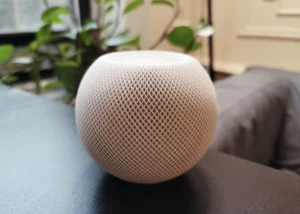
- October 13, 2026: The official unveiling of HomeView, alongside hardware refreshes for the Apple TV and HomePod mini.
The path to HomeView was fraught with internal debate. Sources close to the project suggest that Apple’s leadership remained skeptical about the "smart display" category until it could ensure that the user experience met their stringent privacy and aesthetic standards. The inclusion of a powerful processor suggests that the company is aiming to bridge the gap between a simple remote control and a high-end home computer.
Supporting Data: Why Now?
The timing of the HomeView launch is far from coincidental. For years, the "smart home" market has been fractured. While Amazon and Google successfully penetrated the market with affordable, voice-activated speakers, those devices have often been criticized for data harvesting and limited interoperability.
Apple’s decision to launch HomeView, alongside an updated HomePod mini and a new Apple TV, suggests a three-pronged strategy:

- The Hub (HomeView): Providing the visual interface and processing power.
- The Peripheral Ecosystem (LG Partnership): Apple is reportedly collaborating with LG to release a suite of smart locks, thermostats, and doorbells. By outsourcing the physical hardware of these specific tools to an industry veteran while keeping the software under the Apple banner, the company is finally addressing the "accessory gap" that hindered HomeKit for years.
- The Entertainment Core (Apple TV): By refreshing the Apple TV simultaneously, Apple is signaling that the smart home is not just about utility—it is about the integration of home entertainment with home automation.
Market data indicates that consumers are increasingly experiencing "smart home fatigue." Managing multiple apps for different lightbulbs, locks, and cameras has become a point of friction. HomeView aims to solve this by consolidating these controls into a single, native environment that leverages the existing Apple ID ecosystem.
Official Responses and Strategic Implications
While Apple has not officially commented on the specific features of the HomeView prior to Tuesday’s event, the move is being viewed by analysts as a "must-win" scenario.
"Apple has spent a decade perfecting the individual components of the smart home," says tech analyst Sarah Jenkins. "HomeKit, the HomePod, and the Apple TV were all disparate pieces of a puzzle. With HomeView, they are finally assembling that puzzle. However, they are entering a market that is already saturated with cheap, functional, and deeply embedded competitors. The differentiator here isn’t just hardware—it’s the ecosystem."
The implications for the industry are significant:
- Privacy as a Product: By touting the A18 chip’s ability to process Siri requests locally, Apple is doubling down on its "Privacy is a Human Right" marketing pillar, directly contrasting itself with the data-heavy models of its primary competitors.
- Standardization: The commitment to the Matter protocol—the industry standard for smart home interoperability—is expected to be central to HomeView’s marketing. Apple’s goal is to become the "Switzerland" of the smart home, where any device can play nicely, provided it falls under the HomeView umbrella.
- The LG Partnership: This is a radical departure for Apple. Historically, Apple has preferred vertical integration, manufacturing its own accessories. Partnering with LG for foundational home hardware (thermostats, locks) suggests a pragmatic shift toward scale and reliability.
The Challenges Ahead
Despite the excitement, the road ahead is not without obstacles. The "smart display" market has proven difficult to monetize. Most consumers view these devices as expensive digital picture frames, and the utility often fails to justify the price point. Apple will need to demonstrate that the HomeView offers distinct value—perhaps through advanced AI integrations that predict household needs before a user asks, or through a seamless handoff system where tasks started on an iPhone automatically appear on the HomeView display.
Furthermore, the price will be a critical factor. If Apple positions the HomeView as a premium luxury item, it risks remaining a niche product for the "Apple faithful." If it is priced competitively, it could force a market-wide reassessment of what a smart home hub should cost.
Conclusion: A New Era for the Apple Home
As the tech world turns its attention to Tuesday’s announcement, the stakes for Apple are high. The HomeView is not just another hardware launch; it is an attempt to define the "home experience" for the next decade.
By integrating the A18 chip, collaborating with industry leaders like LG, and refining its software ecosystem, Apple is making a massive bet that the future of the home is not just about voice, but about a visual, high-performance, and deeply private command center. Whether the HomeView can capture the hearts and walls of the average consumer remains to be seen, but one thing is certain: the era of the fragmented, clunky smart home is coming to a close, and Apple intends to lead the transition.
Stay tuned to TechCrunch for live updates, hands-on impressions, and deep-dive analysis following Tuesday’s official Apple event.