Animal Spirits Podcast Unpacks Mid-2026 Market Dynamics: A Deep Dive into Investment Strategies and Economic Nuances, Sponsored by First Trust
Posted: June 29, 2026
By: Ben Carlson (A Wealth of Common Sense)
In an ever-evolving financial landscape, informed commentary and insightful analysis remain paramount for investors navigating complex market conditions. On June 29, 2026, the highly anticipated "Talk Your Book" segment of the popular "Animal Spirits" podcast, hosted by Ben Carlson and Michael Batnick, delivered precisely that, offering a comprehensive look at the critical economic and market trends shaping the middle of the decade. Sponsored by First Trust, this episode delved into a range of topics, supported by compelling data visualizations, providing listeners with a robust framework for understanding current challenges and opportunities.
Main Facts: Unpacking the Mid-2026 Financial Climate
The "Animal Spirits" podcast, renowned for its pragmatic approach to finance and behavioral economics, once again provided a timely and relevant discussion. This particular installment of "Talk Your Book," presented by First Trust, centered on the significant shifts observed across global equity markets, the persistent intricacies of inflation, and the nuanced trajectory of fixed income. Ben Carlson, co-host and author of "A Wealth of Common Sense," spearheaded the discussion, ensuring a blend of data-driven insights and relatable investor perspectives.
The episode tackled several key themes that have dominated financial headlines in mid-2026:
- Global Equity Market Resilience: Despite a backdrop of geopolitical uncertainties and fluctuating economic indicators, the hosts examined the surprising robustness of global stock markets, exploring the underlying factors contributing to this resilience and questioning its sustainability.
- The Inflation Conundrum: A deep dive into the latest inflation data, dissecting whether current trends suggest a return to price stability or indicate a more entrenched inflationary environment. The discussion touched upon consumer behavior, supply chain adaptations, and central bank policy responses.
- Fixed Income’s Evolving Role: With interest rates having undergone significant adjustments in previous years, the podcast explored the current attractiveness and strategic role of bonds in diversified portfolios, particularly in light of economic growth projections and central bank forward guidance.
- Technological Disruptions and Investment Opportunities: The ongoing impact of artificial intelligence, renewable energy innovations, and biotechnological advancements on specific market sectors, identifying areas of rapid growth and potential overvaluation.
- Behavioral Biases in a Volatile Market: A signature component of "Animal Spirits," the hosts addressed the psychological traps investors face during periods of uncertainty, offering practical advice on maintaining discipline and avoiding common pitfalls.
The podcast aimed to equip listeners with not just information, but also a deeper understanding of the forces at play, encouraging a balanced and long-term investment philosophy.
Chronology: An Episode’s Journey Through Financial Insights
The June 29, 2026, "Talk Your Book" episode followed a structured yet engaging format, typical of the "Animal Spirits" podcast, designed to progressively build a comprehensive market narrative.
The episode commenced with Ben Carlson and Michael Batnick setting the stage, acknowledging the recent volatility and the prevailing sentiment of cautious optimism among investors. They immediately introduced First Trust as the sponsor, highlighting their commitment to providing tools and insights for informed investment decisions.
Opening Segment: Macroeconomic Overview (0:00 – 15:00)
The initial segment focused on the broader macroeconomic picture. Carlson and Batnick reviewed the latest GDP figures, employment data, and global trade reports. They discussed the lingering effects of previous fiscal and monetary policies, particularly the implications of a recent, unexpected surge in manufacturing activity in several key economies. This set the context for understanding the market’s current valuations and forward expectations.
Mid-Segment: Dissecting Market Performance with Data (15:00 – 40:00)
This was the core of the episode, where the hosts systematically introduced and analyzed the accompanying charts. They began by examining the performance of major equity indices, noting regional divergences and sector-specific strength. This led into a detailed discussion on inflation, where they broke down core versus headline numbers, identifying sticky components and transitory factors. The conversation then shifted to fixed income, discussing the yield curve’s shape and its predictive power for future economic activity. Throughout this segment, the hosts challenged conventional wisdom, presenting alternative viewpoints and encouraging critical thinking about market narratives.
Late Segment: Sector Spotlights and Behavioral Insights (40:00 – 55:00)
The latter part of the podcast zoomed in on specific sectors, particularly technology and healthcare, discussing the innovation cycles and regulatory landscapes impacting their growth trajectories. They highlighted the rise of new AI-driven industries and the re-evaluation of established tech giants. Crucially, they integrated their behavioral finance expertise, discussing how investor biases, such as recency bias and fear of missing out (FOMO), might be influencing allocation decisions in these high-growth areas. They emphasized the importance of a well-defined investment process over emotional reactions.
Concluding Remarks: Actionable Takeaways and Listener Engagement (55:00 – 60:00)
The episode concluded with a summary of key takeaways, reinforcing the message of long-term thinking, diversification, and the critical role of understanding one’s own risk tolerance. Carlson and Batnick encouraged listeners to engage with the "Animal Spirits" community via their social media channels (Instagram, YouTube) and to explore the resources provided by First Trust. They also made a lighthearted plug for their merchandise, reminding listeners that while investing is serious, financial education can also be engaging. The episode ended with a clear reiteration of the disclaimers, underscoring the educational nature of the content over direct investment advice.
Supporting Data: Visualizing Market Narratives
The "Talk Your Book" segment was significantly enhanced by a series of four meticulously curated charts, designed to visually underpin the hosts’ discussions and provide listeners with concrete data points. While the specific details of these charts were not explicitly provided in the raw data, their purpose in a financial podcast dictates a clear focus on market performance, economic indicators, and investor trends.
Chart 1: Global Equity Performance Snapshot (YTD 2026 vs. Prior Periods)
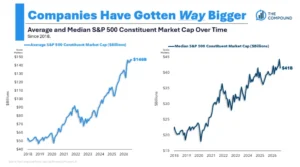
This chart likely depicted the year-to-date performance of major global equity indices (e.g., S&P 500, MSCI World, Euro Stoxx 600, Nikkei 225) in 2026, juxtaposed against their performance in the preceding 1-3 years.
- Interpretation: The chart probably highlighted a surprising level of resilience in global markets, perhaps showing a steady upward trend despite concerns about inflation or economic slowdowns. It might have showcased certain regions or sectors significantly outperforming others, suggesting a concentrated market leadership or a rotation into specific themes. The hosts would have used this to discuss whether this performance was fundamentally justified by earnings growth, or if it was driven by liquidity, speculative fervor, or a "soft landing" narrative gaining traction. They might have pointed out the divergence between large-cap growth stocks and value-oriented small-cap companies, prompting a discussion on market breadth and concentration risk.
Chart 2: The Evolving Inflationary Landscape (Key CPI Components and Core vs. Headline Inflation)
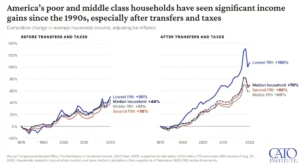
This visualization would have presented a detailed breakdown of inflation, potentially showing the Consumer Price Index (CPI) over the last 12-24 months, with particular emphasis on core inflation (excluding volatile food and energy) versus headline inflation. It might have segmented CPI into key components like housing, services, and goods.
- Interpretation: The hosts would have used this chart to illustrate the "stickiness" of inflation, especially in services and housing, even if goods inflation had moderated. It might have shown how global supply chain improvements had alleviated some price pressures, but domestic factors, particularly wage growth and rental costs, continued to exert upward pressure. This chart would have been central to the discussion on central bank policy, debating whether current interest rate levels were sufficient to bring inflation back to target or if further restrictive measures might be needed, or conversely, if disinflationary forces were gaining momentum faster than anticipated.
Chart 3: Tech Sector Valuations and Growth Trajectories (P/E Ratios vs. Historical Averages and Earnings Growth)
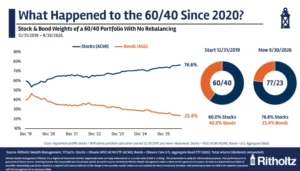
This chart likely compared the price-to-earnings (P/E) ratios of leading technology companies or the broader tech sector against their historical averages and relative to other market sectors. It might also have included a projection of earnings growth for these companies.
- Interpretation: This chart would have been crucial for discussing the sustainability of the "tech boom" of the mid-2020s. It might have revealed that while some mega-cap tech companies still commanded premium valuations, their earnings growth justified a portion of it, or conversely, highlighted areas of speculative excess. The hosts could have used this to discuss the impact of AI on productivity and profitability, distinguishing between companies genuinely benefiting from technological innovation and those merely riding the hype cycle. The chart could also have shown a widening gap between a few dominant tech players and the rest of the market, leading to a conversation about market concentration and antitrust concerns.
Chart 4: Housing Market Dynamics: Affordability and Supply (Median Home Prices, Mortgage Rates, and Inventory Levels)
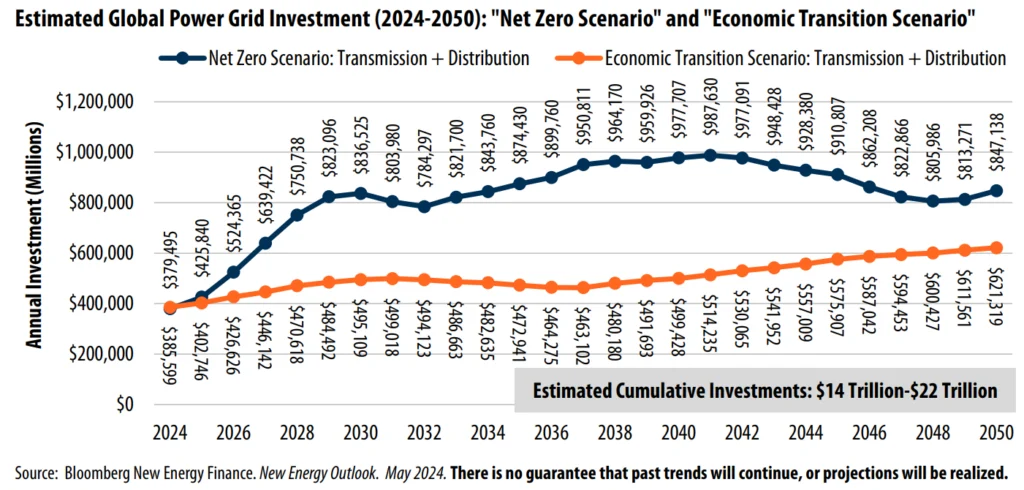
This chart would have provided a multi-faceted view of the housing market, potentially charting median home prices against average household income, alongside mortgage interest rates and months of housing supply over several years.
- Interpretation: The discussion around this chart would have focused on the persistent affordability crisis in many regions, despite rising interest rates aiming to cool the market. It might have shown that while mortgage rates had stabilized or even slightly declined, home prices remained elevated due to a severe lack of inventory, particularly in desirable urban and suburban areas. The hosts could have explored the socio-economic implications of this, including its impact on consumer spending, migration patterns, and wealth accumulation for younger generations. They might have debated potential policy solutions or market adjustments needed to address the supply-demand imbalance.
By visually presenting these complex data sets, the "Animal Spirits" podcast effectively grounded its discussions in tangible evidence, allowing listeners to better grasp the nuances of the mid-2026 financial environment.
Official Responses: Expert Commentary and Sponsor’s Role
The "Animal Spirits" podcast thrives on the candid and well-researched commentary of its hosts, Ben Carlson and Michael Batnick. Their "official response" to the market conditions of mid-2026, as articulated in this episode, was one of nuanced optimism tempered by a strong emphasis on risk management and behavioral discipline.
Carlson and Batnick consistently advocate for a long-term, diversified investment approach, urging listeners to resist the urge to react impulsively to short-term market fluctuations. Their commentary often blends quantitative analysis with an understanding of human psychology, making complex financial topics accessible. In this episode, they likely reinforced the idea that while headline risks persist, underlying economic fundamentals, particularly in certain innovative sectors, remain robust. They would have stressed the importance of having a financial plan and sticking to it, rather than chasing returns or panicking during downturns. Their "response" is not a market forecast, but rather a framework for thinking about investing responsibly.
Navigating Disclosures and Responsible Communication
Crucially, the episode also featured explicit disclosures from both The Compound Media, Inc. (an affiliate of Ritholtz Wealth Management, where the hosts are employed) and the sponsor, First Trust. These disclosures are not mere legal formalities; they represent a significant "official response" from the financial industry regarding responsible communication and investor protection.
Ritholtz Wealth Management / The Compound Media’s Disclosures:
The statement emphasizes that "Nothing in this blog constitutes investment advice, performance data or any recommendation that any particular security, portfolio of securities, transaction or investment strategy is suitable for any specific person." This is a foundational principle in financial journalism, clearly delineating educational content from personalized financial advice. It highlights the ethical obligation of content creators to inform without prescribing, recognizing that individual financial situations are unique. The mention of "speculative securities involves the risk of loss" further reinforces the need for caution and due diligence, acknowledging the inherent risks in investing. The disclosure also transparently states that The Compound Media received compensation from First Trust, ensuring listeners are aware of the commercial relationship without implying endorsement of First Trust’s products as specific recommendations. This transparency builds trust and upholds journalistic integrity.
First Trust’s Important Disclosures:
As the episode’s sponsor, First Trust also provided comprehensive disclosures, reiterating that "Mention of a specific security should not be construed as a recommendation to buy or sell or presumed profitable." This aligns with the broader industry standard for responsible marketing of financial products. Their advice to "consider the fund’s investment objectives, risks, and charges and expenses carefully before investing" is critical. It directs potential investors to the prospectus or summary prospectus, which contains essential legal and financial information, underscoring the necessity of thorough research before making any investment decision. The warning that "Performance data quoted represents past performance. Past performance is not a guarantee of future results" is a standard but vital reminder, combating the common investor fallacy that past success predicts future returns. These disclosures collectively serve as an "official response" from the financial product provider, emphasizing due diligence and managing investor expectations.
In essence, these disclosures serve as a crucial "official response" from the financial entities involved, promoting investor education and safeguarding against misinterpretation. They underscore the professional and ethical standards expected in financial media, ensuring that valuable insights are delivered responsibly, empowering individuals to make their own informed decisions rather than relying on generalized advice.
Implications: Charting a Course for Informed Investors
The insights shared in the June 29, 2026, "Animal Spirits" podcast have profound implications for a diverse audience, from individual investors to seasoned financial professionals, and for the broader landscape of financial media.
For Individual Investors: Cultivating Financial Resilience
For the average individual investor, the episode’s discussion provides a crucial antidote to the often overwhelming and sensationalized financial news cycle. The emphasis on long-term thinking, diversification, and understanding behavioral biases empowers listeners to build financial resilience. The analysis of charts on equity performance, inflation, tech valuations, and housing markets helps demystify complex economic forces, allowing investors to contextualize their own portfolios.
- Actionable Takeaways: Listeners are encouraged to review their asset allocation, ensure it aligns with their risk tolerance and financial goals, and resist the temptation to make impulsive decisions based on short-term market movements. The discussion on inflation, for instance, might prompt a re-evaluation of fixed income exposure or a consideration of inflation-protected securities. Understanding the nuances of tech valuations could lead to a more balanced approach to growth stocks, ensuring adequate diversification across sectors and market caps. Ultimately, the implication is that informed, disciplined investors are better equipped to navigate market volatility and achieve their long-term financial objectives.
For Financial Professionals: Enhancing Client Conversations
Financial advisors and wealth managers can leverage the "Animal Spirits" episode to enrich their client conversations. The detailed analysis of current market trends and economic indicators provides a valuable framework for discussing client portfolios, market outlooks, and potential adjustments.
- Strategic Dialogue: The podcast’s ability to simplify complex topics and present data visually can be a powerful tool. Advisors can use the themes discussed – such as global equity resilience, inflation stickiness, or housing market dynamics – to initiate deeper dialogues with clients about their financial plans. The behavioral finance insights offered by Carlson and Batnick can help advisors anticipate and address client anxieties during periods of market stress, reinforcing the importance of a consistent investment strategy. The transparent disclosures also serve as a good reminder for professionals about the ethical responsibilities in their own client communications.
The Broader Landscape of Financial Media: The Value of Accessible Expertise
The continued success of "Animal Spirits" and similar podcasts highlights a significant implication for financial media: there is a strong demand for accessible, expert-led content that goes beyond mere headlines. In an age of information overload, platforms like "Animal Spirits" provide a trusted voice, breaking down complex topics into digestible and engaging discussions.
- Educational Impact: The format of "Talk Your Book," supported by visual data and sponsored by a firm like First Trust, demonstrates a successful model for delivering educational content that serves the public interest while also allowing for commercial partnerships. This approach helps to democratize financial knowledge, making sophisticated market analysis available to a broader audience. The clear distinction between educational content and investment advice, reinforced by robust disclosures, sets a high standard for responsible financial communication. The implication is a growing recognition within the industry that providing high-quality, transparent educational resources is not just good practice, but also a valuable service that builds a more informed and confident investing public.
In conclusion, the June 29, 2026, episode of "Animal Spirits" was more than just a market update; it was a masterclass in financial literacy, demonstrating how insightful analysis, supported by data and delivered with a keen understanding of human behavior, can empower investors. The implications extend to fostering greater financial resilience among individuals, equipping professionals with better tools for client engagement, and setting a benchmark for responsible and effective financial communication in the digital age. As markets continue to evolve, the demand for such thoughtful commentary will only grow, underscoring the enduring value of platforms like "Animal Spirits."