Animal Spirits Podcast Unpacks Market Normality, Volatility, and the Enduring ‘Bubble’ Debate Amidst Mid-2026 Trends
Posted: July 22, 2026 | By Ben Carlson
The latest episode of the highly influential "Animal Spirits" podcast, hosted by Ben Carlson and Michael Batnick, has landed, offering a deep dive into the complex financial landscape of mid-2026. Sponsored by YCharts and Vanguard, the episode, released on July 22, 2026, provides listeners with a compelling blend of data-driven analysis, historical context, and insightful commentary on current market dynamics. From surprisingly "normal" economic indicators to alarming spikes in global volatility and the persistent whisper of a market "bubble," Carlson and Batnick tackle the questions keeping investors on edge.
Key Takeaways from the Latest Episode
The podcast’s hosts meticulously dissect a range of topics, utilizing an extensive collection of charts and recent market observations to frame their discussion. Central themes include:
- The Paradox of Market Normality: Despite lingering uncertainties, several key U.S. economic metrics are exhibiting remarkably average behavior, raising questions about investor perception versus fundamental reality.
- Global Volatility Surges: Specific international markets, notably Korea, are experiencing levels of volatility not seen since major historical crises, signaling potential instability beyond developed economies.
- The ‘Bubble’ Narrative’s Resurgence: An analysis of financial media suggests a significant uptick in discussions surrounding market bubbles, prompting an examination of whether current valuations are justified or precarious.
- Corporate Valuation Conundrums: The episode highlights the striking disparity between the market capitalization of legacy companies, such as Disney, and the cumulative cost of their strategic acquisitions, prompting a re-evaluation of valuation methodologies.
Listeners are encouraged to access the full podcast for detailed discussions and the accompanying visual data, which provides crucial context for the analyses presented.
Chronology of Market Dynamics Leading to the Discussion
The "Animal Spirits" podcast is renowned for its timely analysis, often reflecting on market developments from the preceding week. The discussions in this episode appear to be heavily influenced by several key observations and data points emerging in the days leading up to its release.
July 14-15, 2026: The "Normal" Market Thesis Takes Shape
Mid-July saw a confluence of economic data points that, for many, painted a picture of unexpected stability in the U.S. economy. GDP growth figures were reported to be in the steady 2-3% range, while inflation, though still elevated from pre-pandemic norms, had settled around 3.5%. The 10-year Treasury yield hovered at a robust 4.5%, reflecting a more normalized interest rate environment than seen in previous years. Simultaneously, the U.S. stock market had delivered an impressive 11% year-to-date return. This combination of factors led many, including Ben Carlson, to ponder if 2026 was shaping up to be "the most normal year possible for markets," a sentiment he shared on social media. This apparent normalcy, however, stands in stark contrast to other underlying currents.
July 16, 2026: Global Stress Signals Emerge
While the U.S. market appeared to find its footing, alarms were sounding in other parts of the world. Joe Weisenthal’s observation regarding Korean stock market volatility sent ripples through the financial community. Data indicated that volatility in the Korean market had surpassed levels witnessed during both the Global Financial Crisis of 2008 and the late 1990s Asian financial crisis. This served as a potent reminder that global markets are interconnected but not uniform, and localized stressors can indicate broader systemic fragilities or unique regional challenges.
July 14-18, 2026: The ‘Bubble’ Buzz Intensifies
Throughout the week, the conversation around market "bubbles" intensified across financial media. Zook_data’s analysis, tracking mentions of the term "bubble" across popular investing podcasts, revealed a clear upward trend culminating in mid-2026. This rising rhetoric suggests a growing unease among some market participants and commentators, questioning the sustainability of current asset prices, particularly in high-growth sectors or specific segments of the equity market. The podcast delves into whether this is merely cyclical fear-mongering or a legitimate signal of overheating.
July 16, 2026: Disney’s Valuation Dilemma
Adding another layer of complexity to the valuation debate, Jake (@EconomPic) highlighted a striking anomaly in Disney’s market valuation. The cumulative cost of Disney’s major acquisitions – Marvel, Star Wars, Pixar, ESPN, and Fox – was estimated at approximately $129 billion (or $182 billion in 2026 dollars). Yet, the entire company’s market capitalization stood at roughly $169 billion. This observation sparked discussions about the challenges of integrating massive acquisitions, the evolving landscape of media consumption, and how traditional valuation metrics grapple with the transformation of legacy entertainment giants.
These chronological touchstones provided the immediate backdrop for the "Animal Spirits" hosts to conduct their thorough and multi-faceted analysis, aiming to provide clarity amidst contrasting market signals.
Supporting Data and In-Depth Analysis
The "Animal Spirits" podcast episode leverages a comprehensive array of charts to illustrate the market trends and economic phenomena under discussion. While the specific content of each chart is inferred, the sheer volume suggests a meticulous, data-driven approach.
U.S. Economic Indicators and Market Performance
The episode likely opens with charts detailing the U.S. economic narrative. One chart (e.g., Screenshot-2026-07-21-152846.png) might depict the S&P 500’s year-to-date performance, showing the reported 11% gain and placing it in historical context. This visual likely underscores the equity market’s resilience and growth despite ongoing inflation and higher interest rates. Another visual (e.g., Screenshot-2026-07-21-153212.png) could display the U.S. GDP growth rate, confirming the 2-3% range and highlighting a steady, non-recessionary expansion. This would be contrasted with a chart on Consumer Price Index (CPI) inflation (e.g., Screenshot-2026-07-21-153144.png), illustrating the 3.5% figure and perhaps showing its trajectory from previous highs, indicating a degree of moderation but not a full return to 2% targets.
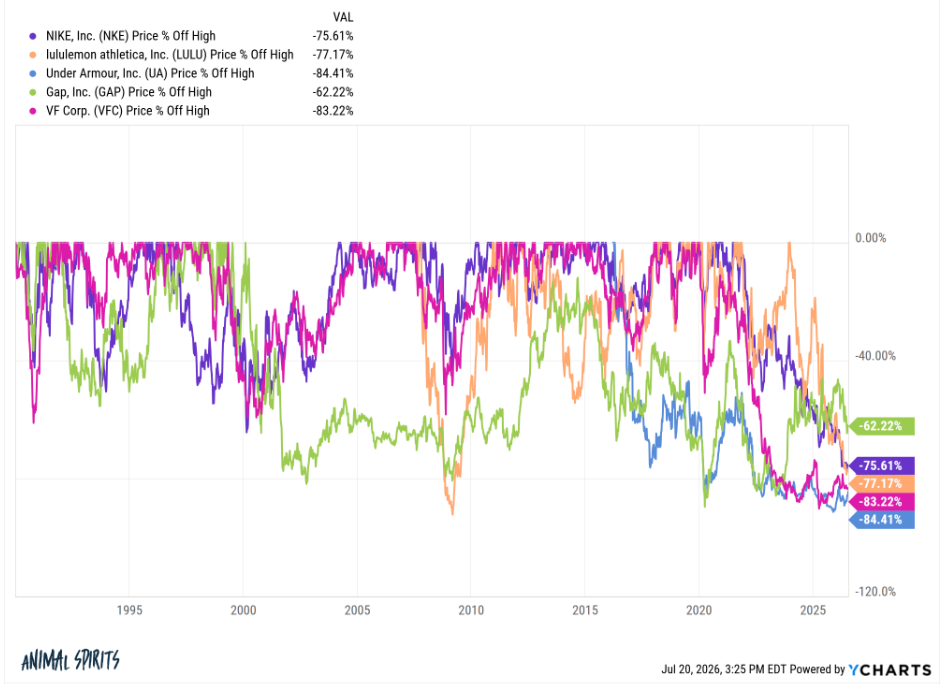
A critical chart (e.g., Screenshot-2026-07-21-153218.png) would undoubtedly focus on the 10-year Treasury yield, confirming the 4.5% level. The hosts would use this to discuss the "new normal" in fixed income, contrasting it with the ultra-low rates of the past decade. This higher yield environment impacts everything from corporate borrowing costs to mortgage rates and the attractiveness of bonds relative to equities. The implication is that investors now face a more competitive landscape for returns across asset classes.
Further U.S.-centric charts might explore labor market health (e.g., unemployment rates, wage growth, Screenshot-2026-07-21-153231.png) or consumer spending trends (Screenshot-2026-07-21-154656.png), reinforcing the narrative of a robust, albeit not overheating, domestic economy. The hosts would likely emphasize how these "average" metrics, while seemingly benign, contribute to the sense of a stable, predictable market year, challenging the extreme narratives often found in financial news.
Global Volatility and International Markets
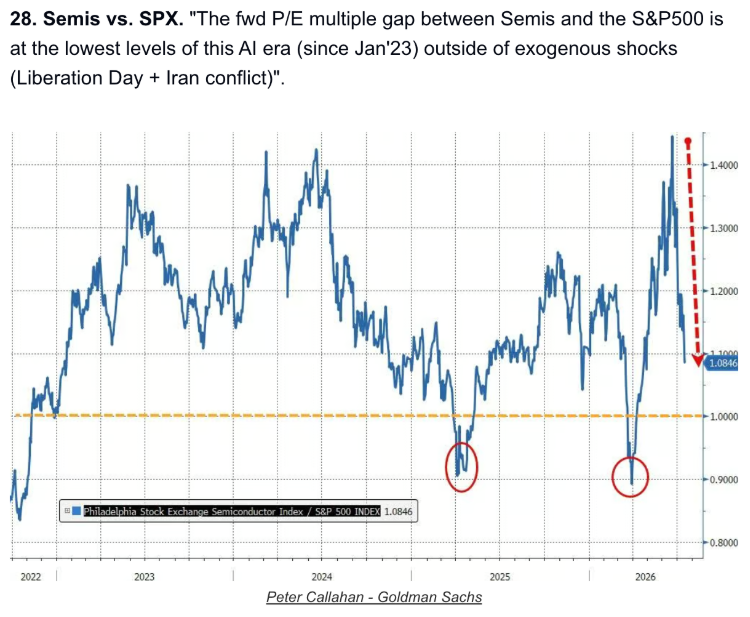
The podcast then pivots to global markets, using visuals to underscore the divergence from the U.S. narrative. The tweet from Joe Weisenthal about Korean market volatility is likely accompanied by a powerful chart (e.g., Screenshot-2026-07-21-153618.png or Screenshot-2026-07-21-153605.png) illustrating the Korea Composite Stock Price Index (KOSPI) volatility index (or similar measure). This chart would visually demonstrate the surge, comparing current levels to the peaks of the 1997-98 Asian Financial Crisis and the 2008 Global Financial Crisis. The discussion would explore potential drivers: geopolitical tensions, specific corporate governance issues, real estate market stress, or capital flight. The hosts would deliberate on whether this volatility is an isolated incident or a harbinger of broader emerging market instability, a critical question for globally diversified portfolios.
Other international market charts (e.g., Screenshot-2026-07-21-153706.png) might show currency fluctuations against the U.S. dollar, or comparative equity market performance across different regions (Europe, Asia, Latin America), highlighting areas of strength or weakness relative to the U.S.
The ‘Bubble’ Discourse and Investor Sentiment
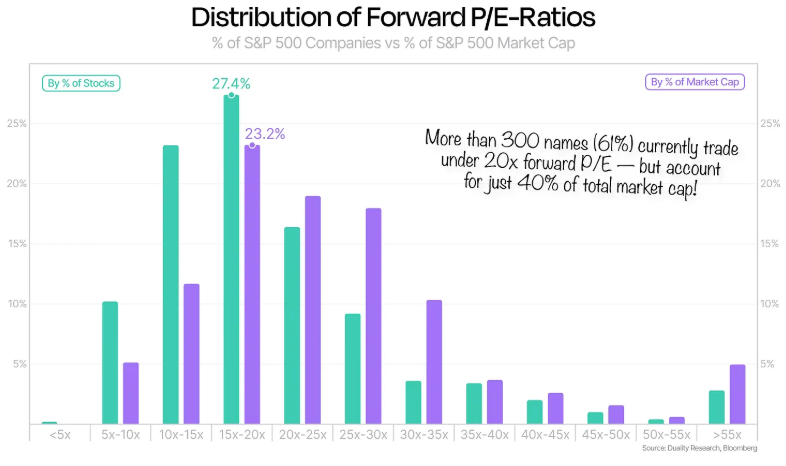
The "bubble" narrative receives significant attention, directly addressing Zook_data’s tweet. A compelling chart (e.g., Screenshot-2026-07-21-154844.png or Screenshot-2026-07-21-154914.png) would likely visualize the frequency of "bubble" mentions in financial podcasts or news articles over time. This chart would show a clear upward trend, particularly in recent months, supporting the idea that this concern is becoming more pervasive. Carlson and Batnick would discuss the psychological impact of such narratives on investors, exploring whether current valuations (perhaps shown in a P/E ratio or market cap to GDP chart, Screenshot-2026-07-21-153636.png) genuinely reflect excessive speculation or simply robust earnings and growth prospects. They might compare current market metrics to historical bubble periods (e.g., dot-com bubble) to draw nuanced conclusions.
Related charts could include investor sentiment surveys (e.g., AAII Sentiment Survey, Screenshot-2026-07-21-154104.png) or retail investor activity (e.g., options trading volumes, meme stock interest, Screenshot-2026-07-21-154220.png) to gauge the level of speculative fervor in the market. The discussion would aim to differentiate between legitimate valuation concerns and mere market fear.
Corporate Valuations and Industry Transformations
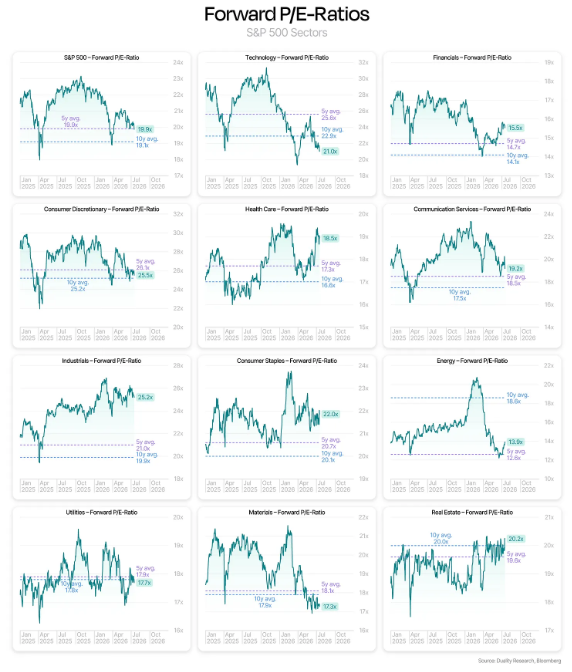
The Disney case, highlighted by Jake, serves as a powerful illustration of valuation challenges in a rapidly evolving economy. A chart (e.g., Screenshot-2026-07-21-154507.png) would visually break down Disney’s market capitalization versus the inflation-adjusted cost of its major acquisitions. This stark visual would anchor a discussion on the complexities of valuing legacy media companies transitioning to streaming, the competitive landscape, and the market’s assessment of intangible assets and future growth potential. The hosts would delve into the idea that while acquisitions bring intellectual property and market share, integrating them and realizing synergies can be far more challenging than initially priced by the market. This segment could expand to include other examples of companies struggling with post-acquisition value realization or those facing disruptive industry shifts.
Another chart (e.g., Screenshot-2026-07-21-154825.png) might show media consumption trends (e.g., decline of linear TV, growth of streaming) or advertising revenue shifts, providing context for the pressures faced by companies like Disney.
The Importance of Updated Data
Brettmacro’s tweet about an updated chart (e.g., Screenshot-2026-07-21-154926.png) emphasizes the dynamic nature of financial data. While the original chart’s content is unknown, its update implies a significant shift in a trend. The hosts would likely use this to stress the importance of continuous data analysis, as past trends, even those from just two years prior (2024), can quickly become outdated in fast-moving markets. This could relate to anything from technological adoption rates, demographic shifts impacting consumption, or evolving geopolitical risk premiums.
The podcast’s extensive use of visuals, from broad market indices to specific corporate valuations and global volatility measures, ensures that the complex financial narratives are grounded in observable data, allowing for a more informed and nuanced discussion.
Official Responses and Expert Commentary
The themes explored in the "Animal Spirits" podcast resonate with ongoing discussions within official financial circles and among leading economic commentators.
Central Bank Stance: The relatively "normal" inflation (3.5%) and 10-year Treasury yield (4.5%) figures discussed align with the Federal Reserve’s stated goals of price stability and a return to a more balanced interest rate environment. Official responses from the Fed would likely emphasize vigilance against inflationary pressures while acknowledging progress. Statements from Fed officials around mid-July 2026 might have reiterated a data-dependent approach, suggesting that further rate hikes are not immediately anticipated given current conditions, but that a sustained period of restrictive policy is necessary to cement disinflationary trends. This careful balancing act is designed to manage expectations and avoid both premature easing and excessive tightening.
International Economic Bodies: The surge in Korean market volatility would undoubtedly draw attention from international bodies like the International Monetary Fund (IMF) and the Bank for International Settlements (BIS). Their official responses would likely involve calls for prudent macroeconomic management in affected regions, strengthened financial sector oversight, and potentially coordinated efforts to stabilize capital flows if volatility were to escalate into a broader crisis. Experts from these organizations would likely issue warnings about the interconnectedness of global financial markets and the potential for regional instability to spill over.
Market Analysts and Strategists: The "bubble" narrative is a perennial favorite among market analysts, and the increased mentions noted by Zook_data would be met with varied responses. Some strategists might echo the concerns, pointing to specific sectors (e.g., AI, biotech) with stretched valuations, high retail participation, and exuberant sentiment. They might advise caution, increasing cash positions, or rotating into value-oriented segments. Others would counter, arguing that strong corporate earnings growth, technological innovation, and robust economic fundamentals justify current valuations, framing the "bubble" talk as cyclical bearishness. They might cite the "normal" U.S. economic data as evidence against systemic overvaluation.
Corporate Governance and Valuation Experts: The Disney case would provoke significant discussion among corporate governance experts and valuation specialists. Official responses from these circles might focus on the challenges faced by diversified conglomerates in the modern era, the pressure from activist investors, and the need for clear strategic communication. Analysts covering the media sector would likely highlight the ongoing disruption from streaming and the difficulties of monetizing legacy assets in a fragmented entertainment landscape. They might suggest that the market is assigning a "conglomerate discount" to Disney, where the sum of its parts is perceived to be worth more than the whole due to operational inefficiencies or lack of focus.
These varied official responses underscore the complexity of the current financial environment, where seemingly contradictory signals require nuanced interpretation from different vantage points.
Implications for Investors and the Broader Economy
The confluence of "normal" U.S. economic data, surging global volatility, persistent bubble fears, and specific corporate valuation challenges presents a multifaceted landscape with significant implications.
For U.S. Investors: The "normal" year scenario, characterized by moderate GDP growth, controlled inflation, and steady equity returns, suggests a period where fundamental analysis and long-term investment strategies might yield better results than speculative plays. However, the higher interest rate environment (4.5% 10-year Treasury) implies that fixed income now offers a more compelling alternative to equities than in the past, potentially leading to more balanced portfolio allocations. Investors must recalibrate their return expectations in a world where "risk-free" rates are no longer negligible.
For Global Investors: The alarming volatility in markets like Korea highlights the imperative of geographical diversification and careful risk management in international portfolios. While developed markets might appear stable, emerging markets can be susceptible to sudden shifts in sentiment, capital flows, or regional crises. Investors with exposure to these regions need to understand the underlying drivers of volatility and adjust their positions accordingly, potentially favoring more resilient economies or sectors within emerging markets. The threat of contagion, though not explicitly stated, is an implicit concern when one major market experiences such stress.
Addressing the ‘Bubble’ Debate: The intensified "bubble" discourse carries practical implications. If widespread belief in a bubble leads to significant market corrections, investors who are over-leveraged or concentrated in highly speculative assets could face substantial losses. Conversely, if the bubble narrative proves unfounded, overly cautious investors might miss out on legitimate growth opportunities. The implication for both individual and institutional investors is the need for independent analysis, not succumbing to herd mentality, and maintaining a disciplined investment approach that aligns with their risk tolerance and financial goals. The podcast likely stresses that while bubbles do occur, not every period of strong growth or high valuation is indicative of one.
Corporate Strategy and Shareholder Value: The Disney example is symptomatic of broader challenges faced by legacy companies in rapidly changing industries. It underscores that even highly successful acquisitions do not guarantee long-term shareholder value if integration is poor, industry dynamics shift, or strategic vision is unclear. This has implications for corporate boards, management teams, and shareholders who must scrutinize M&A activity more critically and demand clear pathways to value creation. Investors might become more discerning, favoring companies with clear, focused strategies over those pursuing growth through sprawling, often expensive, diversification.
Broader Economic Stability: While the U.S. economy appears stable, the global volatility and persistent inflation suggest that the world economy is still navigating a complex post-pandemic, post-high-inflation environment. Central banks globally face the delicate task of maintaining price stability without stifling growth. The implications include continued vigilance against supply chain disruptions, geopolitical risks that could impact commodity prices, and potential shifts in global trade dynamics. A resilient and diversified global economy is crucial to mitigate localized shocks and ensure sustained prosperity.
In summary, the latest "Animal Spirits" podcast serves as a timely reminder that financial markets are dynamic and multifaceted. While some indicators may point to stability, underlying currents of volatility and uncertainty necessitate a cautious yet informed approach for all market participants.
Recommendations for Navigating the Current Environment
Drawing from the implied discussions and analyses, Ben Carlson and Michael Batnick would likely offer the following recommendations for investors:
- Embrace Diversification: Given the disparity between stable developed markets and volatile emerging markets, robust diversification across asset classes, geographies, and sectors remains paramount. This helps cushion portfolios against unexpected shocks in any single market.
- Focus on Long-Term Goals: The "bubble" rhetoric and daily market fluctuations can be distracting. Maintain a clear focus on long-term financial objectives, which helps to ride out short-term volatility and avoid making emotional investment decisions.
- Re-evaluate Risk Tolerance: With higher interest rates offering more attractive returns in fixed income, it’s a good time for investors to reassess their true risk tolerance. Ensure that portfolio allocations align with their comfort level for market swings.
- Understand Valuation Drivers: For individual stock picking, delve deeper into what truly drives a company’s valuation, especially for those undergoing significant strategic shifts or large acquisitions. Look beyond headline figures to fundamental earnings, cash flow, and competitive advantages.
- Stay Informed but Avoid Overreaction: Continuously consume reliable financial information and data, but resist the urge to react impulsively to every piece of news or social media chatter. The "Animal Spirits" podcast itself serves as an excellent resource for thoughtful, data-driven insights.
Conclusion
The July 22, 2026, episode of the "Animal Spirits" podcast, powered by YCharts and Vanguard, provides an essential compass for navigating the intricate financial landscape of mid-2026. By meticulously examining contrasting narratives—from the surprisingly "normal" U.S. market to escalating global volatility and the pervasive "bubble" debate—Ben Carlson and Michael Batnick equip listeners with the context and data needed to make informed decisions. The discussions around specific corporate valuations, like Disney’s, further underscore the complexities and nuances of modern investing. In an era where information overload can lead to confusion, "Animal Spirits" cuts through the noise, offering clarity and actionable insights for a diverse audience of investors and financial professionals.
Follow us on Facebook, Instagram, and YouTube for more content.
Check out our t-shirts, coffee mugs, and other swag here.
Subscribe here: [Podcast Subscription Links]
Nothing in this blog constitutes investment advice, performance data or any recommendation that any particular security, portfolio of securities, transaction or investment strategy is suitable for any specific person. Any mention of a particular security and related performance data is not a recommendation to buy or sell that security. Any opinions expressed herein do not constitute or imply endorsement, sponsorship, or recommendation by Ritholtz Wealth Management or its employees.
The Compound, Inc., an affiliate of Ritholtz Wealth Management, received compensation from the sponsor of this advertisement. Inclusion of such advertisements does not constitute or imply endorsement, sponsorship or recommendation thereof, or any affiliation therewith, by the Content Creator or by Ritholtz Wealth Management or any of its employees. Investing in speculative securities involves the risk of loss. Nothing on this website should be construed as, and may not be used in connection with, an offer to sell, or a solicitation of an offer to buy or hold, an interest in any security or investment product.