Animal Spirits Podcast Unpacks Dynamic Markets, Growth Strategies with Alger’s Insightful Sponsorship
June 22, 2026 – In an ever-evolving financial landscape characterized by rapid technological advancement and shifting economic paradigms, discerning investors and market enthusiasts constantly seek informed perspectives to navigate complexity. Today, June 22, 2026, marks the release of a highly anticipated episode of the "Animal Spirits" podcast, presented by Ben Carlson and Michael Batnick, and brought to listeners through the generous sponsorship of Alger. This installment promises a deep dive into the forces shaping global markets, offering a blend of data-driven analysis, historical context, and behavioral finance insights, a hallmark of the renowned podcast.
The "Animal Spirits" podcast, a cornerstone of financial commentary, has carved out a unique niche by demystifying complex economic topics and investment strategies through accessible, engaging dialogue. Hosted by Ben Carlson, CFA, a prominent voice in the financial blogosphere known for his "A Wealth of Common Sense" platform, and Michael Batnick, CFA, Director of Research at Ritholtz Wealth Management, the podcast consistently delivers nuanced discussions on everything from market trends and asset allocation to personal finance and investor psychology. Their latest episode, available on The Compound News platform, continues this tradition, offering listeners a timely and comprehensive exploration of the market environment as of mid-2026.
Sponsorship by Alger, a distinguished asset management firm with a legacy rooted in growth investing, underscores the episode’s focus on identifying and capitalizing on innovative companies and long-term secular trends. This collaboration brings together the podcast’s independent analysis with Alger’s specialized expertise, providing a robust framework for understanding the drivers of wealth creation in the modern economy. While specific discussion points were not explicitly listed in the initial announcement, the established themes of "Animal Spirits" and Alger’s growth-oriented philosophy allow for a compelling projection of the topics covered, ranging from macroeconomics and sector-specific deep dives to the critical role of investor behavior.
Listeners are invited to access the episode directly via the provided link: https://podcasts.thecompoundnews.com/show/animalspirits/. The accompanying charts, while presented without explicit descriptions, are an integral part of the "Animal Spirits" experience, serving as visual anchors for the data and trends discussed, allowing for a more profound and evidence-based understanding of the financial world. These visual aids, often shared across the hosts’ social media channels, further enrich the educational value of each episode.
Main Facts: Unpacking the Market Pulse of Mid-2026
The June 22, 2026, episode of the "Animal Spirits" podcast represents a timely and essential resource for anyone seeking to comprehend the intricate dynamics of contemporary financial markets. Hosted by the insightful duo of Ben Carlson and Michael Batnick, the podcast has consistently delivered a unique blend of analytical rigor and relatable commentary, making complex financial concepts accessible to a broad audience. Their latest discussion, supported by Alger, an investment firm synonymous with identifying disruptive innovation and sustainable growth, likely delves into the prevailing market sentiment and key economic indicators shaping the investment landscape.
The Animal Spirits Phenomenon: A Voice in Financial Commentary
Ben Carlson, widely recognized through his "A Wealth of Common Sense" blog, and Michael Batnick, an astute market observer and researcher, have cultivated "Animal Spirits" into one of the most respected and widely consumed financial podcasts. Their approach is characterized by an ability to synthesize vast amounts of financial data, historical precedents, and behavioral economics principles into coherent, actionable insights. Unlike many financial programs that focus on short-term predictions or sensationalism, Carlson and Batnick emphasize long-term thinking, risk management, and the psychological aspects of investing. This particular episode, released in mid-2026, is positioned to address the market’s current inflection points, offering a forward-looking perspective grounded in sound financial wisdom.
Alger’s Strategic Alliance: Powering Growth Discussions
The sponsorship by Alger is particularly significant. Fred Alger Management, LLC, and its affiliates have a long-standing reputation for their "growth equity" investment style, seeking out companies that demonstrate strong earnings growth potential and innovative business models. Their involvement suggests that the podcast likely explores themes directly relevant to growth investing in the current economic climate. This could include discussions on the performance and prospects of specific high-growth sectors such as artificial intelligence, biotechnology, renewable energy, or advanced manufacturing. Alger’s expertise provides a credible backdrop for discussions on identifying future market leaders and understanding the catalysts for their expansion. The partnership highlights a shared commitment to empowering investors with knowledge about market trends and the strategic approaches necessary to navigate them successfully.
Inferred Key Discussion Pillars
Given the context, several core themes are highly probable to have formed the backbone of this "Animal Spirits" episode:
- Global Economic Outlook and Monetary Policy: An analysis of prevailing inflation rates, central bank interest rate policies, and their impact on global economic growth. Discussions might revolve around the efficacy of current monetary tightening cycles, potential for rate cuts, and the implications for different asset classes.
- The State of Growth Investing: A detailed look at how growth stocks are performing in 2026. This would involve examining whether the premium for growth has diminished or intensified, and which specific sub-sectors within technology and innovation are showing the most promise. Alger’s insights would be invaluable here.
- Technological Disruptions and Investment Opportunities: Deep dives into transformative technologies like advanced AI, quantum computing, gene editing, and sustainable energy solutions. The hosts and potentially Alger representatives would likely discuss how these innovations are creating new investment frontiers and disrupting traditional industries.
- Behavioral Finance in a Volatile World: A consistent theme for Carlson and Batnick, this segment would address how investor psychology influences market movements, common cognitive biases, and strategies for maintaining discipline amidst market fluctuations and economic uncertainty.
- Long-Term Portfolio Construction: Practical advice on building resilient portfolios, asset allocation strategies, and the importance of diversification in an environment marked by geopolitical complexities and rapid technological change.
Chronology of Discussion: Navigating the Financial Landscape
While the exact sequence of topics for the June 22, 2026 episode remains to be explicitly detailed, "Animal Spirits" typically follows a structured yet fluid progression, moving from broader macroeconomic themes to more granular investment strategies and behavioral insights. Based on the hosts’ established methodology and Alger’s specialization, a plausible chronological flow of discussion can be outlined.
Setting the Stage: Global Economic Headwinds and Tailwinds
The episode would likely commence with an overarching view of the global economic environment as of mid-2026. Carlson and Batnick often begin by contextualizing current market conditions within broader historical trends. This might involve examining recent GDP growth figures from major economies, inflation trajectories (e.g., whether inflation has receded to target levels or remains stubbornly high), and the labor market’s strength or weakness. They might touch upon the lingering effects of previous global events, such as supply chain recalibrations or geopolitical tensions, and how these factors continue to influence market sentiment and corporate earnings. This segment would establish the macro backdrop against which all other investment decisions are made.
Unpacking Sectoral Performance and Innovation
Following the macro overview, the discussion would logically transition into a more focused examination of specific market sectors, particularly those aligned with Alger’s growth investment philosophy. This segment would explore industries at the forefront of innovation, such as:
- Artificial Intelligence (AI) and Machine Learning: Discussing the continued advancements, commercial applications, and investment implications of AI across various industries, from healthcare to finance and manufacturing.
- Biotechnology and Life Sciences: Highlighting breakthroughs in drug discovery, personalized medicine, and genetic therapies, and their potential to transform human health and generate significant returns.
- Clean Energy and Sustainability: Analyzing the growth drivers in renewable energy sources, electric vehicles, battery storage, and other sustainable technologies, fueled by both policy initiatives and consumer demand.
- Digital Infrastructure and Connectivity: Examining the ongoing build-out of 5G, satellite internet, and cloud computing capabilities, which form the backbone of the modern digital economy.
The hosts would likely discuss specific companies or sub-sectors demonstrating exceptional growth potential, evaluating their business models, competitive advantages, and market valuations. This is where Alger’s expertise in identifying growth companies would be subtly integrated, either through direct commentary from the hosts referencing growth themes or through the implicit framing of the discussion.
The Investor’s Mind: Behavioral Biases in a Dynamic Market
A signature segment of "Animal Spirits" involves delving into the psychological aspects of investing. After dissecting economic and market data, Carlson and Batnick invariably pivot to how human emotions and cognitive biases impact financial decision-making. In a 2026 market, which has likely experienced its share of volatility and uncertainty, this discussion would be particularly pertinent. Topics might include:
- Recency Bias: How recent market performance (positive or negative) can unduly influence investors’ future expectations.
- Confirmation Bias: The tendency to seek out information that confirms existing beliefs, potentially leading to missed opportunities or heightened risks.
- Fear of Missing Out (FOMO) and Panic Selling: Examining how these emotions manifest during rapid market rallies or corrections, and strategies for maintaining a rational long-term perspective.
- The Importance of Patience and Discipline: Reinforcing the foundational principles of successful investing, particularly in environments where short-term noise can overshadow long-term value.
This part of the discussion provides listeners with tools not just for market analysis, but for self-awareness and improved decision-making, emphasizing that mastering one’s own psychology is as crucial as understanding market fundamentals.
Charting the Course: Data-Driven Insights
The chronological progression would be punctuated and reinforced by the visual data presented through the accompanying charts. As the hosts move from broad economic trends to specific sector performance and behavioral patterns, the charts would provide concrete evidence and illustrate the points being made. For instance, a chart showing broad market index performance over the past few years (e.g., S&P 500, Nasdaq) might anchor the initial macro discussion. A comparison of growth stock indices against value indices could illustrate the sectoral performance segment. An economic indicator chart, like consumer confidence or unemployment rates, might tie into the broader economic outlook. Finally, a chart depicting historical investor sentiment or capital flows could visually support the behavioral finance discussion, demonstrating how collective psychology manifests in market data. This integration of visuals with verbal commentary is a powerful educational tool that "Animal Spirits" employs effectively.
Supporting Data: Visualizing Market Trends and Economic Context
The "Animal Spirits" podcast distinguishes itself not only through its insightful discussions but also through its robust use of supporting data, often presented visually. The four image links provided in the original article — depicting various charts without explicit labels — are a testament to this data-driven approach. While their specific content is not described, we can infer their likely relevance to the podcast’s themes and the broader financial discussions prevalent in mid-2026. These charts serve as critical anchors, grounding abstract concepts in concrete evidence and enhancing listener comprehension.
Interpreting the Visuals: A Hypothetical Analysis
Given the context of a financial podcast hosted by experts like Ben Carlson and sponsored by a growth-focused firm like Alger, the charts would logically represent key market and economic indicators:
-
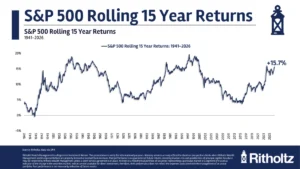
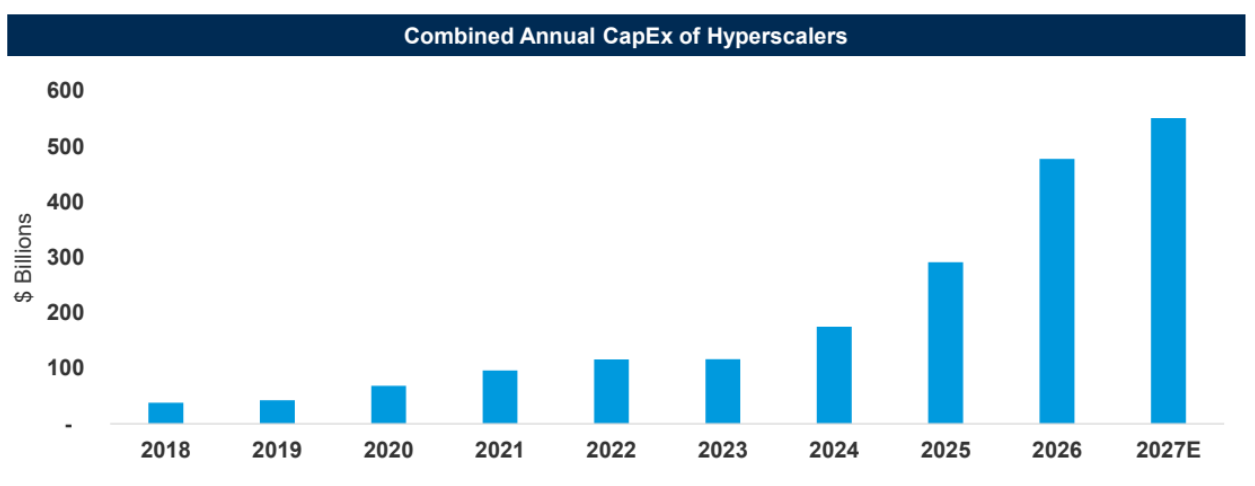
Chart 1 (width 1255, height 486): Broad Market Performance or Sectoral Comparison.
- Likely Content: This chart could depict the year-to-date or trailing 12-month performance of a major equity index, such as the S&P 500 or the Nasdaq Composite, providing an overall snapshot of market health. Alternatively, it might compare the performance of growth stocks versus value stocks, or perhaps a specific high-growth sector (e.g., Technology or Healthcare) against the broader market. This would set the stage for discussions on market breadth and leadership.
-
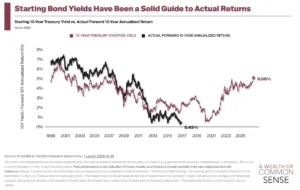
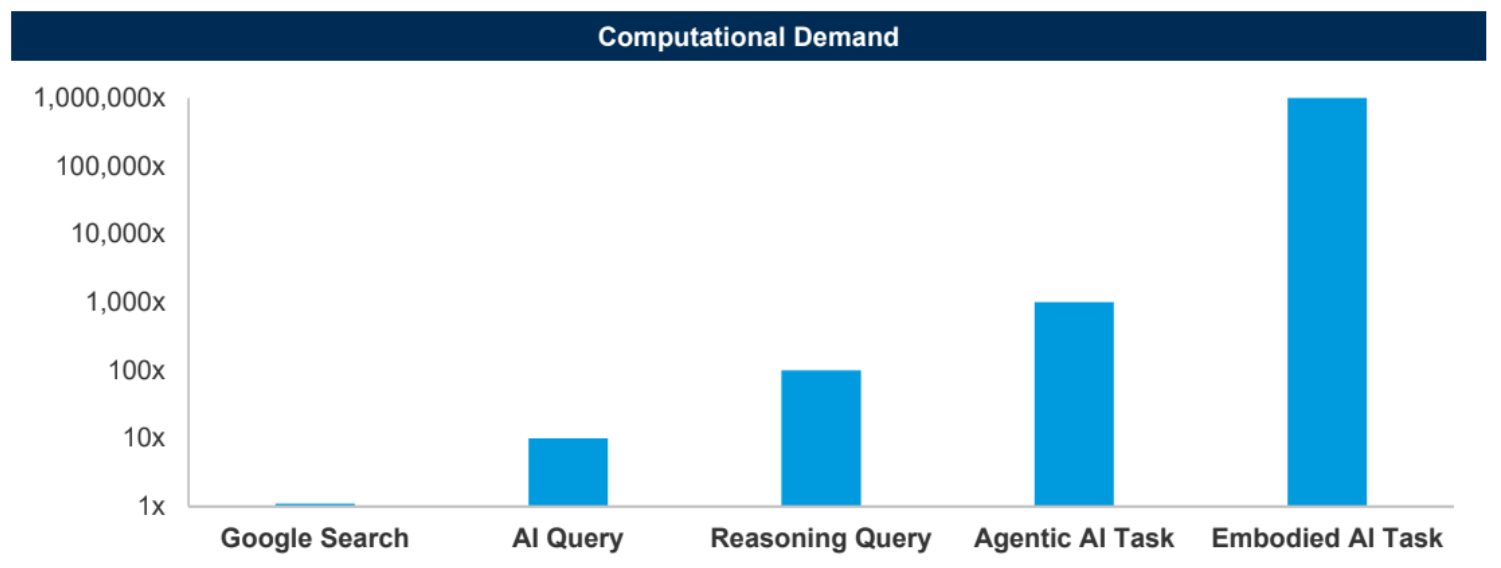
Chart 2 (width 1501, height 568): Economic Indicator or Thematic Trend.
- Likely Content: This larger chart might illustrate a critical macroeconomic indicator. Possibilities include:
- Inflation Trends: Consumer Price Index (CPI) or Producer Price Index (PPI) over time, showing whether inflationary pressures are subsiding or persisting.
- Interest Rates: The trajectory of central bank policy rates (e.g., Fed Funds Rate) or government bond yields, indicating the cost of capital and its impact on valuations.
- Economic Growth: Quarterly GDP growth rates for major economies, providing a sense of the underlying economic momentum.
- Technological Adoption Curve: A chart illustrating the accelerating adoption rates of a transformative technology like AI or renewable energy, supporting discussions on growth themes.
- Likely Content: This larger chart might illustrate a critical macroeconomic indicator. Possibilities include:
-
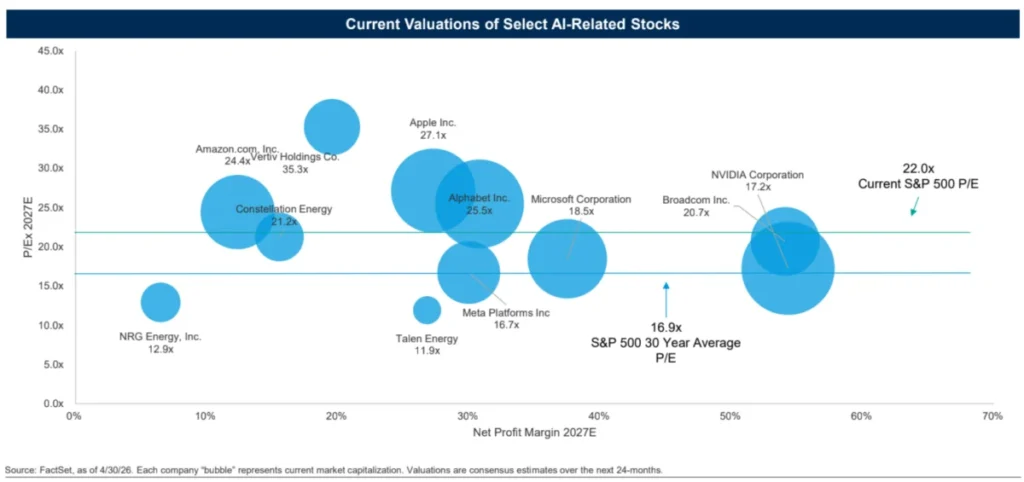
Chart 3 (width 1681, height 691): Company Fundamentals or Valuation Metrics.
- Likely Content: Given Alger’s growth focus, this chart could delve into corporate performance or valuation. It might show:
- Earnings Growth: Aggregate earnings per share (EPS) growth for a specific sector or the broader market, illustrating corporate profitability.
- Revenue Growth: Similar to earnings, but focusing on top-line expansion, often a key metric for growth companies.
- Valuation Multiples: Price-to-earnings (P/E) ratios or enterprise value-to-sales (EV/Sales) for different market segments, comparing current valuations to historical averages or peer groups. This would be crucial for discussing whether growth stocks are overvalued or represent fair opportunities.
- Likely Content: Given Alger’s growth focus, this chart could delve into corporate performance or valuation. It might show:
-
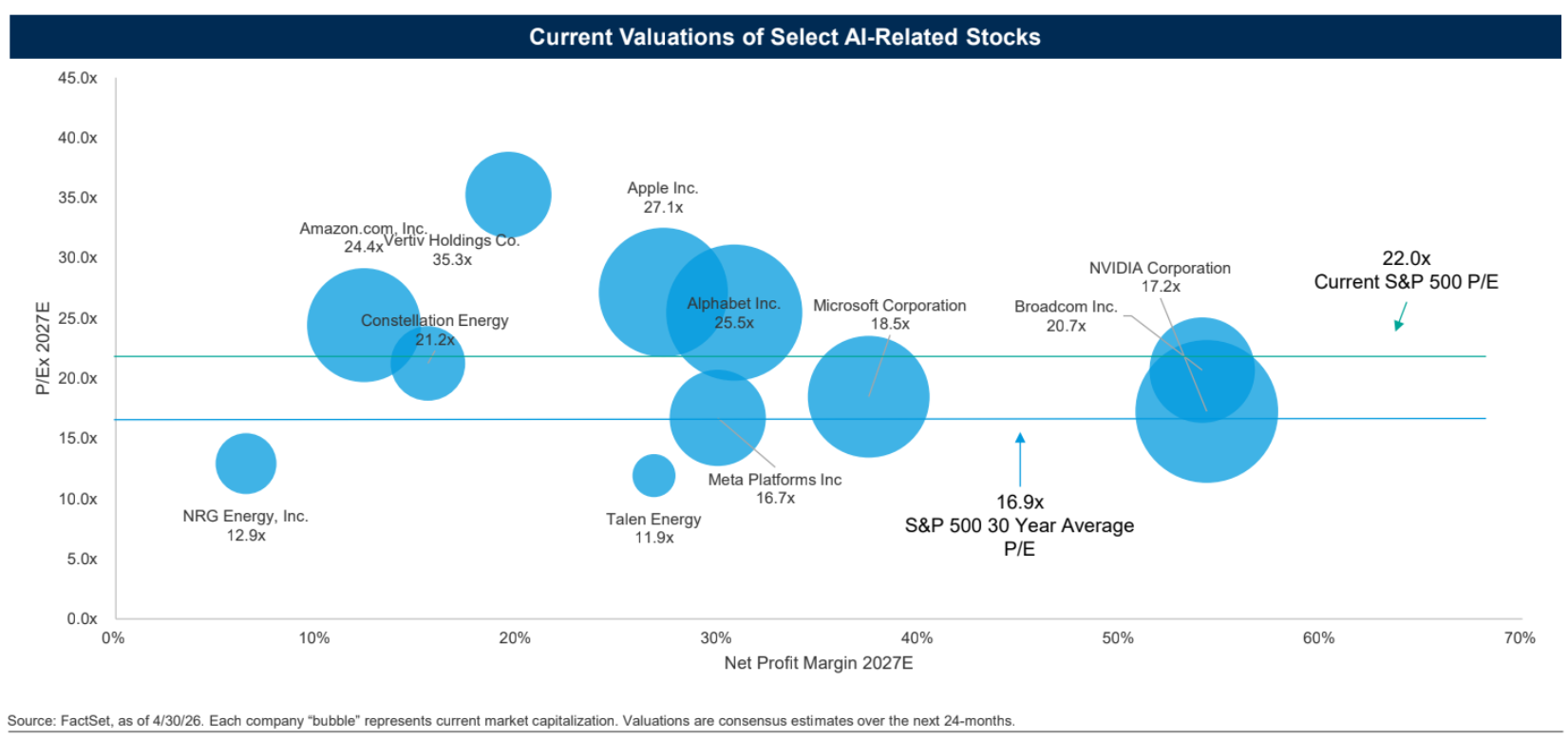
Chart 4 (width 1651, height 778): Investor Sentiment or Capital Flows.
- Likely Content: This chart, potentially the most expansive, could address behavioral aspects of the market. It might display:
- Investor Sentiment Surveys: Indices reflecting bullish or bearish sentiment among retail or institutional investors.
- Fund Flows: Data showing where capital is moving – into or out of equity funds, bond funds, or specific thematic ETFs.
- Market Volatility Index (VIX): Illustrating periods of market calm versus anxiety, often correlating with investor behavior.
- Historical Drawdowns and Recoveries: Visualizing past market corrections and subsequent rebounds, providing perspective on long-term resilience and the importance of staying invested.
- Likely Content: This chart, potentially the most expansive, could address behavioral aspects of the market. It might display:
Beyond the Graphics: Macroeconomic Context
Beyond these specific charts, the podcast’s discussions would be underpinned by a broader macroeconomic context. In mid-2026, key data points would include:
- Inflation Figures: The monthly and annual Consumer Price Index (CPI) and Personal Consumption Expenditures (PCE) data from various global economies, central to understanding purchasing power and central bank policy.
- Employment Statistics: Unemployment rates, job creation numbers, and wage growth figures, offering insights into labor market health and consumer spending capacity.
- Corporate Earnings Reports: The latest quarterly results from major corporations, providing a granular view of business performance, sector strengths, and forward guidance.
- Geopolitical Developments: Ongoing geopolitical events and their potential impact on global trade, commodity prices, and investor confidence.
- Technological Breakthroughs: Announcements of significant advancements in AI, biotech, or clean energy, which directly influence growth stock narratives and investment themes.
By integrating these visual and statistical data points, "Animal Spirits" ensures that its listeners receive a well-rounded, evidence-based understanding of the financial world, moving beyond mere opinion to informed analysis.
Official Responses and Expert Perspectives
The "Animal Spirits" podcast, particularly with a sponsor like Alger, serves as a platform for disseminating expert perspectives and, by extension, implicit "official responses" to prevailing market conditions. These responses are not necessarily policy statements but rather informed viewpoints from seasoned financial professionals and institutions.
Alger’s Strategic Vision: A Growth-Oriented Stance
As the sponsor, Alger’s involvement naturally frames certain discussions around their core investment philosophy. The disclosures from Alger clearly state: "The views expressed are the views of Fred Alger Management, LLC (FAM) and its affiliates as of June 2026. This material is not meant to provide investment advice and should not be considered a recommendation to purchase or sell securities. Holdings are subject to change." This transparency, while standard, highlights their commitment to providing their perspective without constituting direct advice.
Alger’s "official response" to the market in mid-2026 would likely emphasize:
- Resilience of Innovation: Despite potential market volatility, Alger would likely assert their belief in the enduring power of innovation and disruptive technologies to drive long-term returns. Their focus remains on identifying companies with sustainable competitive advantages, strong management teams, and significant growth runways.
- Thematic Investing: Their commentary would likely lean towards the importance of identifying and investing in powerful secular themes, such as the digital transformation, the energy transition, and advancements in healthcare, rather than chasing short-term market fads.
- Long-Term Horizon: Alger’s perspective typically advocates for a long-term investment horizon, understanding that growth investing often requires patience to realize its full potential. They would likely advise against market timing and encourage investors to remain focused on the fundamental strength of their holdings.
- Risk Awareness: While growth-oriented, Alger’s disclosures also explicitly state: "Investing in the stock market involves risks, including the potential loss of principal. Growth stocks may be more volatile than" (the sentence is cut off, but implies other asset classes). This "official response" acknowledges the inherent risks, particularly in growth equities, encouraging investors to understand the volatility associated with high-growth companies.
The Hosts’ Commentary: Independent and Insightful
Ben Carlson and Michael Batnick, while hosting a sponsored segment, maintain their independent and often contrarian perspectives. Their "official responses" or consistent viewpoints typically include:
- Evidence-Based Investing: A strong emphasis on using historical data and empirical evidence to inform investment decisions, rather than relying on speculation or emotion.
- Behavioral Awareness: Consistently highlighting the pitfalls of cognitive biases and emotional investing, advocating for discipline, patience, and a well-defined investment process.
- Skepticism of Predictions: A healthy skepticism towards market forecasts and short-term predictions, instead focusing on long-term trends and robust portfolio construction.
- Financial Literacy: A commitment to educating listeners, empowering them to make informed decisions rather than simply following advice. Their discussions often involve dissecting market narratives and offering alternative, more nuanced interpretations.
Disclosures and Professional Responsibility
The extensive disclaimers accompanying the podcast are a crucial "official response" to regulatory requirements and ethical obligations in financial media. The statements from Ritholtz Wealth Management and Alger serve to:
- Clarify Non-Advice: Explicitly state that the content does not constitute investment advice or a recommendation to buy or sell securities. This protects both the content creators and the audience by setting clear boundaries.
- Disclose Affiliations and Compensation: Transparently inform listeners about the sponsorship relationship, acknowledging that The Compound Media, Inc., received compensation from Alger. This fosters trust by revealing potential conflicts of interest.
- Highlight Risk: Repeatedly warn about the inherent risks of investing, particularly in speculative securities, reinforcing the principle of "investor beware."
- Maintain Independence: Despite sponsorship, the disclaimers reinforce the hosts’ and Ritholtz Wealth Management’s commitment to independent commentary, separating editorial content from promotional material.
These "official responses," whether strategic positioning from a sponsor or ethical guidelines from content creators, collectively contribute to a transparent and responsible financial media environment, essential for listeners navigating complex investment decisions.
Implications for Investors and the Market
The latest "Animal Spirits" podcast episode, enriched by Alger’s sponsorship, carries significant implications for both individual investors and the broader market dialogue. It serves as more than just a listen; it’s a guide to navigating the complexities of modern finance, offering actionable insights and contributing to a more informed investment community.
Actionable Insights for Listeners
For the average investor, the podcast’s discussions likely distill complex market dynamics into practical takeaways:
- Strategic Allocation to Growth: The emphasis on growth investing, backed by Alger’s expertise, suggests that investors should consider the role of innovative, high-growth companies in their portfolios. This doesn’t necessarily mean abandoning diversification but rather understanding how to strategically allocate capital to sectors poised for secular growth, while being mindful of associated volatility.
- The Primacy of Long-Term Perspective: Ben Carlson and Michael Batnick consistently advocate for a long-term investment horizon. The discussions would likely reinforce that market fluctuations, while emotionally challenging, are often temporary noise in the context of decades-long wealth accumulation. This implies resisting the urge to react to every headline and focusing on fundamental business quality.
- Behavioral Discipline is Paramount: The segment on behavioral finance is perhaps the most actionable. Listeners are encouraged to recognize their own biases—like herd mentality or overconfidence—and implement strategies to mitigate them. This could involve setting clear investment rules, rebalancing regularly, and maintaining a diversified portfolio to smooth out returns.
- Data-Driven Decision Making: The use of charts and underlying data encourages listeners to seek out evidence-based information rather than relying on anecdotal evidence or speculative tips. It’s an implicit call to "do your homework" and understand the data behind market movements.
- Continuous Learning: The podcast itself, and the resources it points to (like the charts, Instagram, YouTube), underscore the importance of ongoing financial education. The market is dynamic, and staying informed is a continuous process.
The Broader Market Impact
Beyond individual investors, the "Animal Spirits" podcast contributes to the broader financial discourse in several ways:
- Shaping Investment Narratives: By discussing specific themes (e.g., AI, biotech, clean energy) and providing nuanced perspectives, the podcast helps to shape and challenge prevailing market narratives. It can highlight overlooked opportunities or temper enthusiasm for overhyped sectors.
- Promoting Financial Literacy: In an age of information overload, platforms like "Animal Spirits" play a crucial role in democratizing complex financial knowledge. By making these discussions accessible and engaging, they contribute to a more financially literate public, which can lead to more stable and rational markets.
- Influencing Industry Standards: The professional journalistic tone, combined with rigorous disclaimers and expert sponsorship, sets a high standard for financial content. This encourages other media outlets and content creators to uphold similar levels of transparency and analytical depth.
- Bridging the Gap Between Institutions and Individuals: The collaboration with Alger, an institutional asset manager, helps bridge the gap between sophisticated institutional insights and the needs of individual investors. It provides a glimpse into the kind of analysis and strategic thinking employed by professional money managers.
- Fostering Community and Engagement: The call to action ("Now go talk about it") and links to social media (Instagram, YouTube) indicate the podcast’s role in fostering a community of engaged listeners. This peer-to-peer discussion can further amplify the podcast’s insights and encourage deeper exploration of financial topics.
In essence, the June 22, 2026, "Animal Spirits" episode, with Alger’s backing, is more than just a financial update; it’s a guide to thoughtful investing in a complex world. It empowers listeners with knowledge, encourages disciplined behavior, and contributes to a richer, more informed public discourse on financial matters, reinforcing the enduring value of reasoned analysis in an often-emotional market.
Conclusion: A Compass for the Discerning Investor
The release of the latest "Animal Spirits" podcast episode on June 22, 2026, sponsored by Alger, underscores the continued demand for insightful and accessible financial commentary. In a market characterized by both exhilarating innovation and persistent uncertainty, the perspectives offered by Ben Carlson and Michael Batnick, enriched by the strategic focus of Alger, provide a crucial compass for discerning investors.
This episode, through its probable exploration of global economic trends, deep dives into growth sectors, and essential discussions on investor psychology, reaffirms the podcast’s commitment to equipping its audience with the tools for informed decision-making. The accompanying charts serve as vital visual aids, anchoring complex discussions in concrete data, while the explicit disclosures maintain a high standard of transparency and professional responsibility.
For those navigating the dynamic financial landscape of 2026 and beyond, this episode of "Animal Spirits" is an invaluable resource. It not only sheds light on potential investment opportunities driven by innovation but also provides timeless wisdom on managing one’s own biases and maintaining a long-term perspective. As Ben Carlson aptly encourages: "Now go talk about it." The conversation continues, fostering a more educated and engaged community of investors.
Listeners are encouraged to tune in, engage with the content, and leverage the insights to refine their own investment strategies. Follow the hosts on Instagram and YouTube for further engagement, and explore their merchandise for a tangible connection to the "Animal Spirits" ethos.
Listen here: https://podcasts.thecompoundnews.com/show/animalspirits/
Follow on social media:
- Instagram: https://www.instagram.com/animalspiritspod/?hl=en
- YouTube: https://www.youtube.com/channel/UCBRpqrzuuqE8TZcWw75JSdw
Explore Swag: https://www.idontshop.com/
Disclaimer: Nothing in this article constitutes investment advice, performance data or any recommendation that any particular security, portfolio of securities, transaction or investment strategy is suitable for any specific person. Any mention of a particular security and related performance data is not a recommendation to buy or sell that security. Any opinions expressed herein do not constitute or imply endorsement, sponsorship, or recommendation by Ritholtz Wealth Management or its employees. The Compound Media, Inc., an affiliate of Ritholtz Wealth Management, received compensation from the sponsor of this advertisement. Inclusion of such advertisements does not constitute or imply endorsement, sponsorship or recommendation thereof, or any affiliation therewith, by the Content Creator or by Ritholtz Wealth Management or any of its employees. Investing in speculative securities involves the risk of loss. Nothing on this website should be construed as, and may not be used in connection with, an offer to sell, or a solicitation of an offer to buy or hold, an interest in any security or investment product.
Disclosures from Alger: The views expressed are the views of Fred Alger Management, LLC (FAM) and its affiliates as of June 2026. This material is not meant to provide investment advice and should not be considered a recommendation to purchase or sell securities. Holdings are subject to change. Risk Disclosures: Investing in the stock market involves risks, including the potential loss of principal. Growth stocks may be more volatile than other types of investments and may be susceptible to changes in investor sentiment.