"Animal Spirits" Podcast Unpacks 2026’s Complex Financial Landscape: AI, Housing, and Consumer Shifts Take Center Stage
NEW YORK, NY – July 8, 2026 – The latest episode of "Animal Spirits," the popular financial podcast hosted by Ben Carlson and Michael Batnick, aired today, offering a comprehensive look at the intricate economic and market trends defining mid-2026. Sponsored by KraneShares’ AGIX ETF and Pacer ETFs, the episode delved into everything from the burgeoning artificial intelligence ecosystem and nuanced market valuations to the "bananas" San Francisco housing market and an unprecedented surge in U.S. gambling. With a blend of incisive analysis and data-driven insights, Carlson and Batnick painted a vivid picture of a rapidly evolving financial world.
The podcast, a staple for investors and finance enthusiasts seeking a deeper understanding of market psychology and economic indicators, highlighted several critical themes. Discussions ranged from the ongoing dominance of tech giants and the health of corporate profit margins to the surprising dynamics of generational wealth and the challenges facing the streaming industry. Listeners were treated to a robust examination of both macroeconomic forces and granular, sector-specific developments, all underpinned by a trove of compelling charts and recent social media commentary from leading industry figures.

Chronology of Key Insights and Market Movements
The July 8, 2026, episode of "Animal Spirits" was informed by a confluence of recent data points and expert observations, reflecting the dynamic nature of the current economic environment. Over the past week, several notable trends and discussions emerged that shaped the podcast’s agenda:

- Early July 2026: Reports from prominent real estate analysts like Mike Simonsen began circulating, highlighting extreme conditions in the San Francisco housing market. His July 6 tweet, labeling the situation "absolutely BANANAS," pointed to sales routinely exceeding asking prices by over $1 million, signaling intense demand and limited supply.
- Mid-June to Early July 2026: Financial data continued to underscore the robust performance of specific market segments, particularly the "Magnificent Seven" tech giants, whose market cap weight since 2021 remained a central topic of investment debate. Concurrently, discussions around forward profit margins and consensus price-to-earnings ratios dominated analyst calls, attempting to gauge the sustainability of current market valuations.
- Late June 2026: A striking report from economist Joey Politano on June 30 revealed a dramatic surge in U.S. gambling losses. His findings indicated nearly $250 billion lost this year, a staggering 60% increase since 2019, even before accounting for the expanding unofficial betting landscapes of prediction markets and cryptocurrencies. This data underscored significant shifts in consumer discretionary spending and risk appetite.
- Early July 2026: Insights into generational wealth, such as those shared by Sasha Gusev on July 5, suggested that "each US generation is wealthier than the last." This broad-stroke assessment prompted further discussion on wealth distribution, inflation-adjusted gains, and the underlying drivers of this intergenerational accumulation.
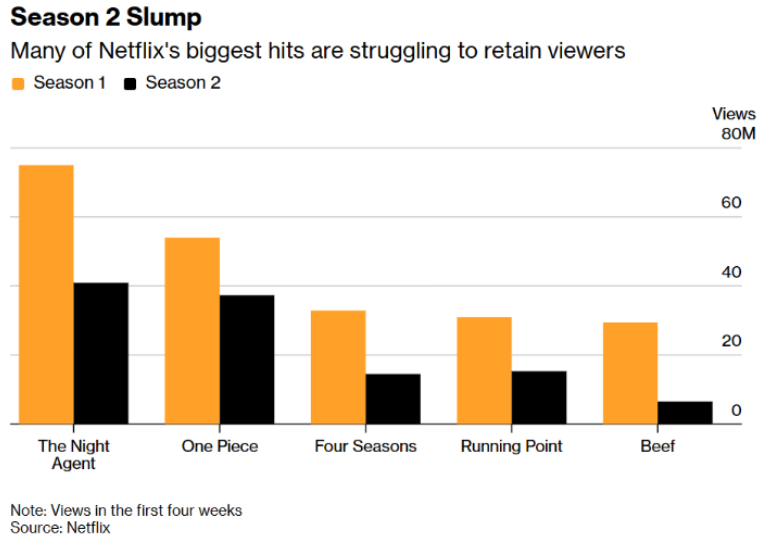
- Early July 2026: The entertainment sector also provided fodder for discussion, with Lucas Shaw reporting on July 5 about a "second season swoon" for Netflix. His analysis indicated that top shows were losing between 30-70% of their audience between their first and second seasons, raising questions about content strategy and viewer engagement in a saturated streaming market.
- Ongoing Context: Ben Carlson’s own observation on July 3, drawing a parallel between the release of "Dazed and Confused" and the present day’s temporal distance from 2009, subtly underscored the accelerating pace of cultural and technological change, a theme that permeates much of the "Animal Spirits" discourse.
These timely observations provided the "Animal Spirits" hosts with a rich tapestry of current events and data points, enabling them to dissect the multifaceted challenges and opportunities confronting investors and the broader economy in mid-2026.

Supporting Data and In-Depth Analysis
The "Animal Spirits" podcast is renowned for its reliance on robust data, and the July 8th episode was no exception, presenting a series of charts and metrics that underpinned the hosts’ discussions.
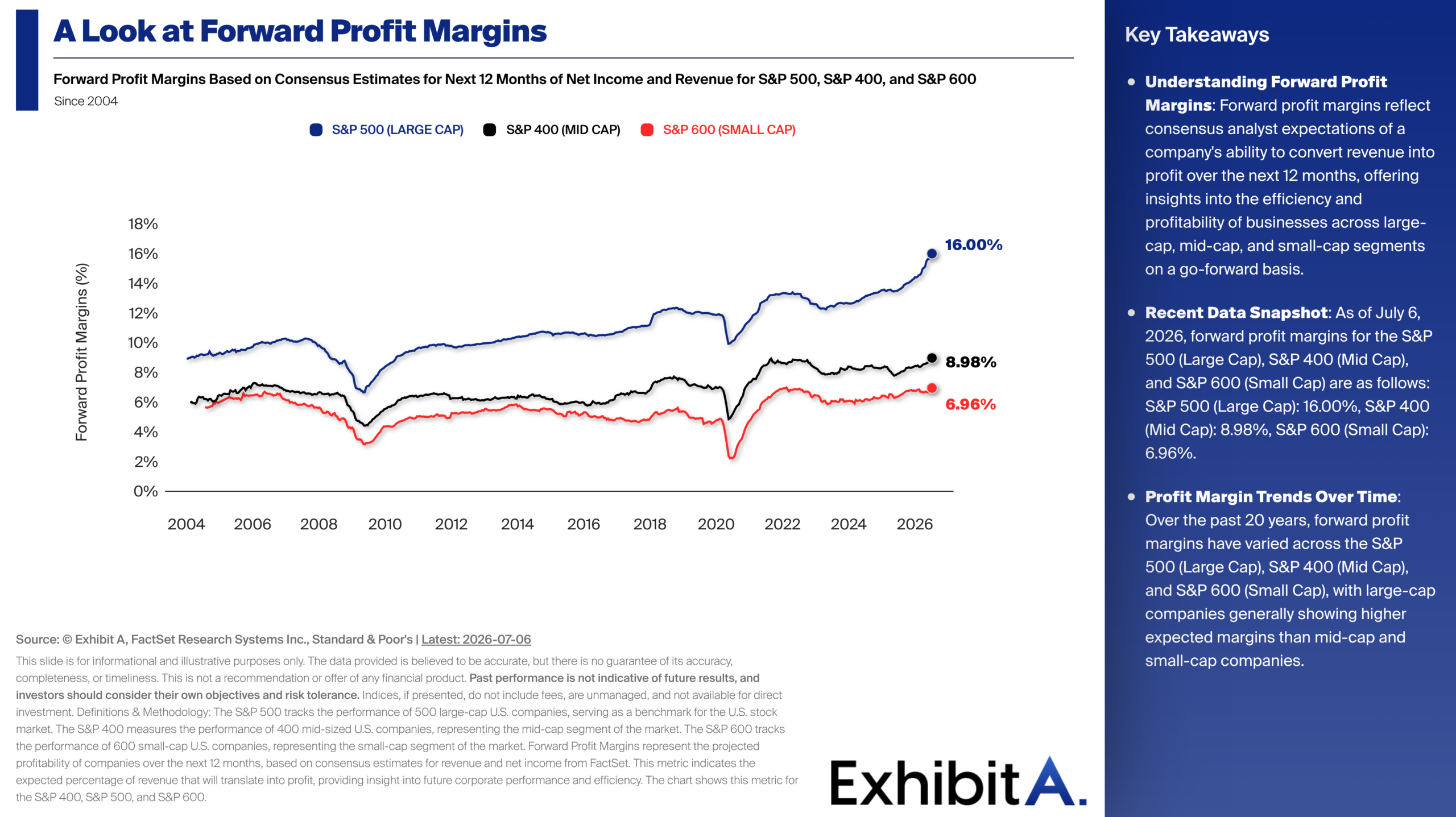
Navigating Market Valuations and Profitability
A significant portion of the conversation revolved around the health and valuation of the broader market. Charts detailing forward profit margins were scrutinized, revealing expectations for corporate profitability in the coming quarters. These margins, often a leading indicator of economic health, showed a nuanced picture, suggesting that while some sectors maintained robust outlooks, others faced headwinds from rising input costs or competitive pressures.
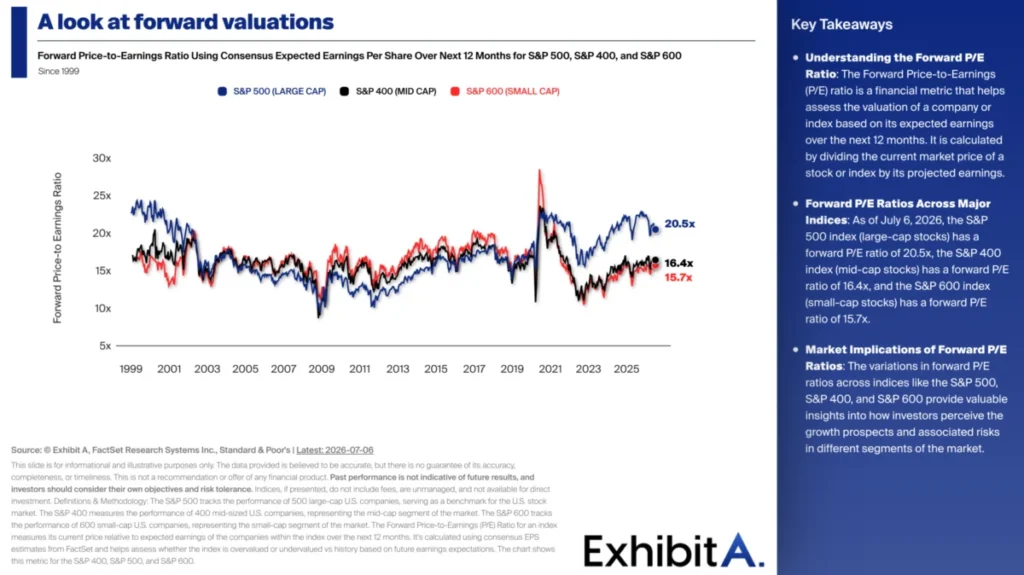
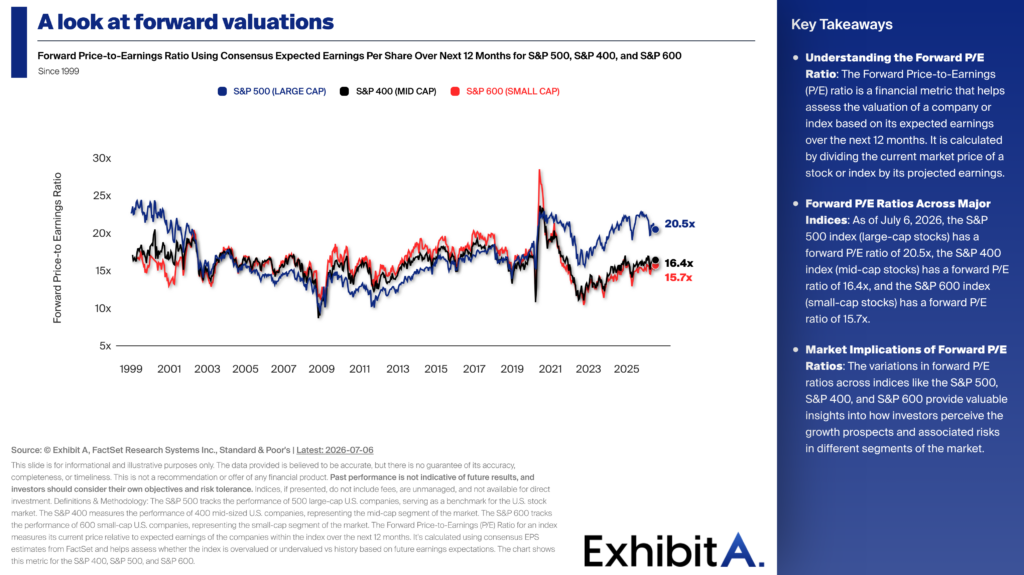
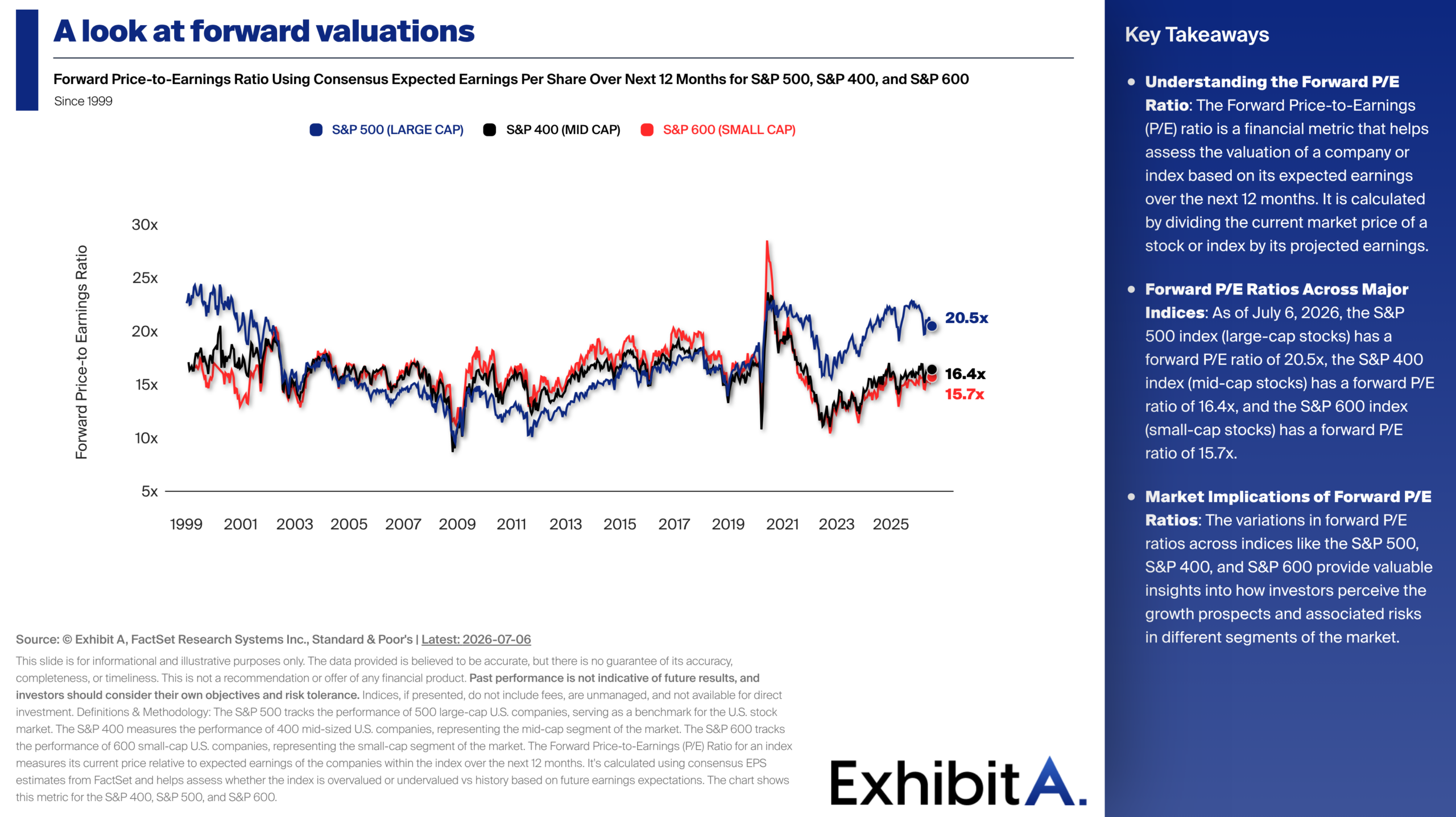
Complementing this, the price-earnings ratio using consensus estimates provided a snapshot of market sentiment and investor expectations. While P/E ratios in certain high-growth sectors, particularly those tied to AI innovation, remained elevated, the aggregate market P/E was discussed in the context of historical averages and the prevailing interest rate environment. The hosts pondered whether current valuations accurately reflected future earnings potential or if they signaled a degree of speculative exuberance.
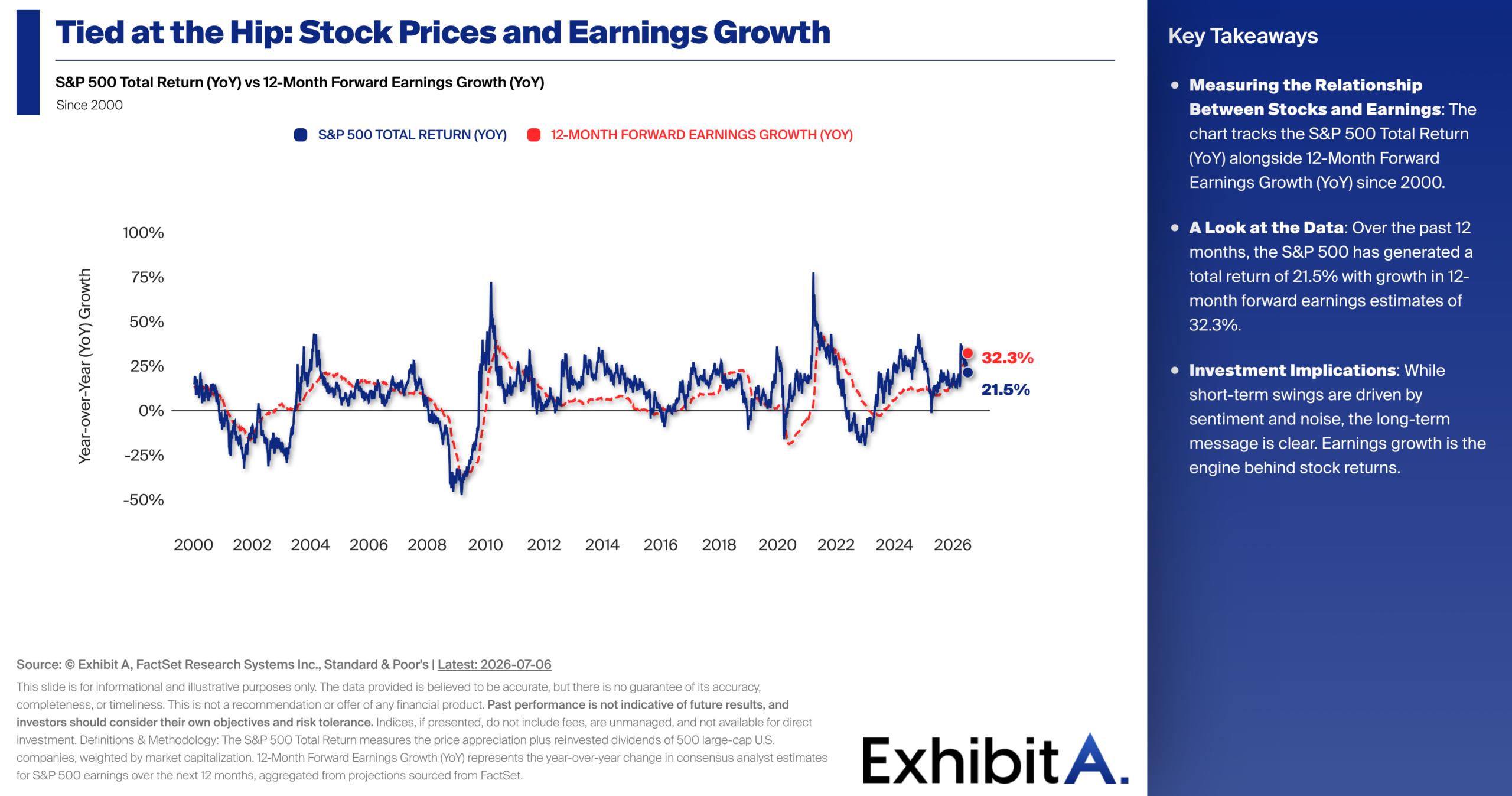
Further analysis was provided through a chart comparing S&P 500 12-month forward earnings versus total returns. This visual demonstrated the historical relationship between earnings growth and market performance, prompting a discussion on whether the market’s recent gains were primarily driven by earnings expansion or multiple expansion, a crucial distinction for long-term investors.
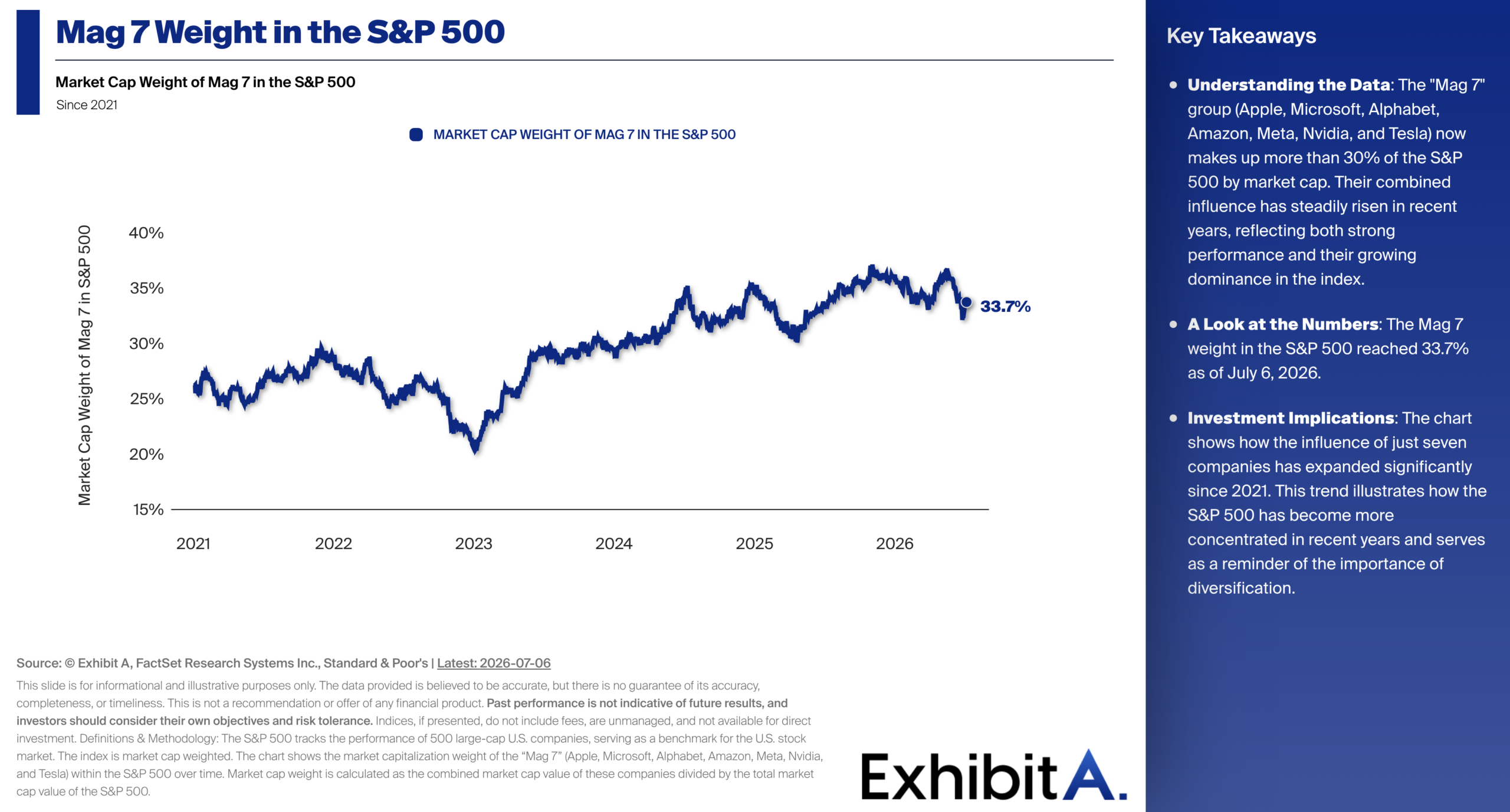
The Enduring Influence of the "Magnificent Seven"
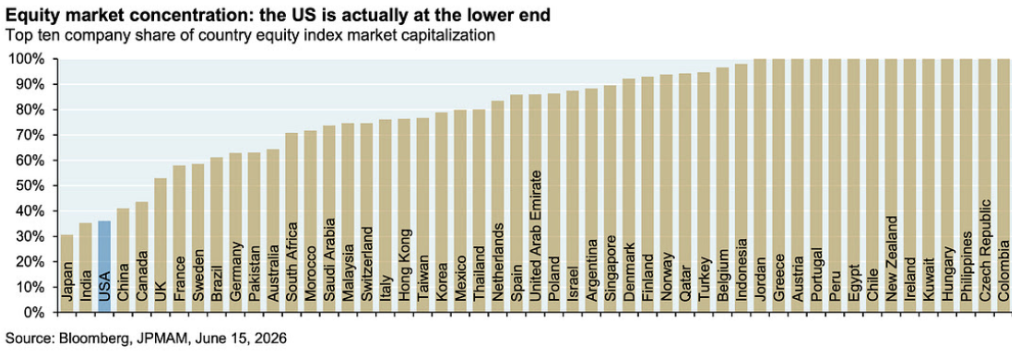
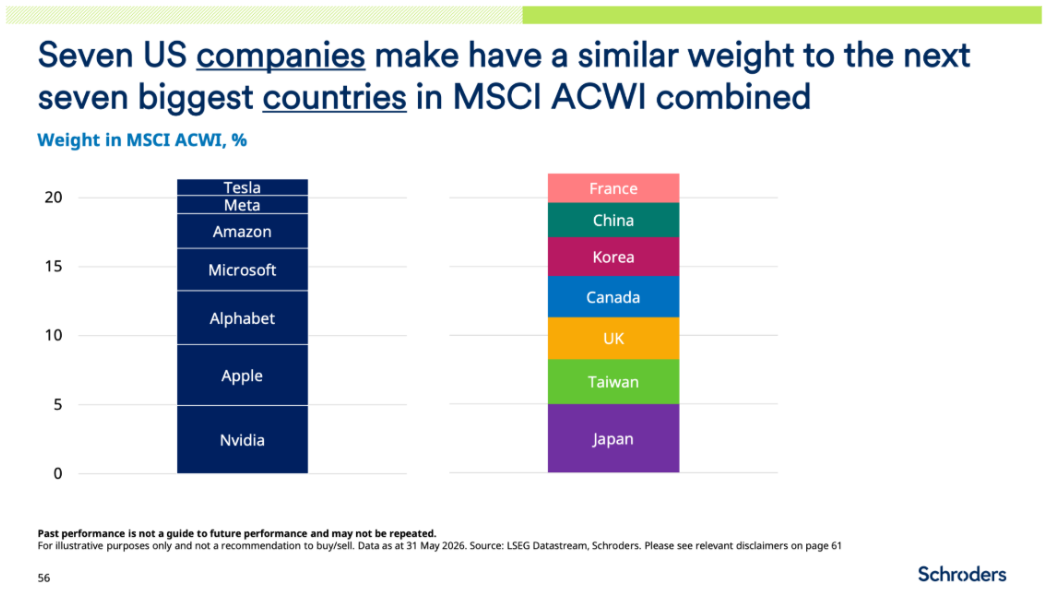
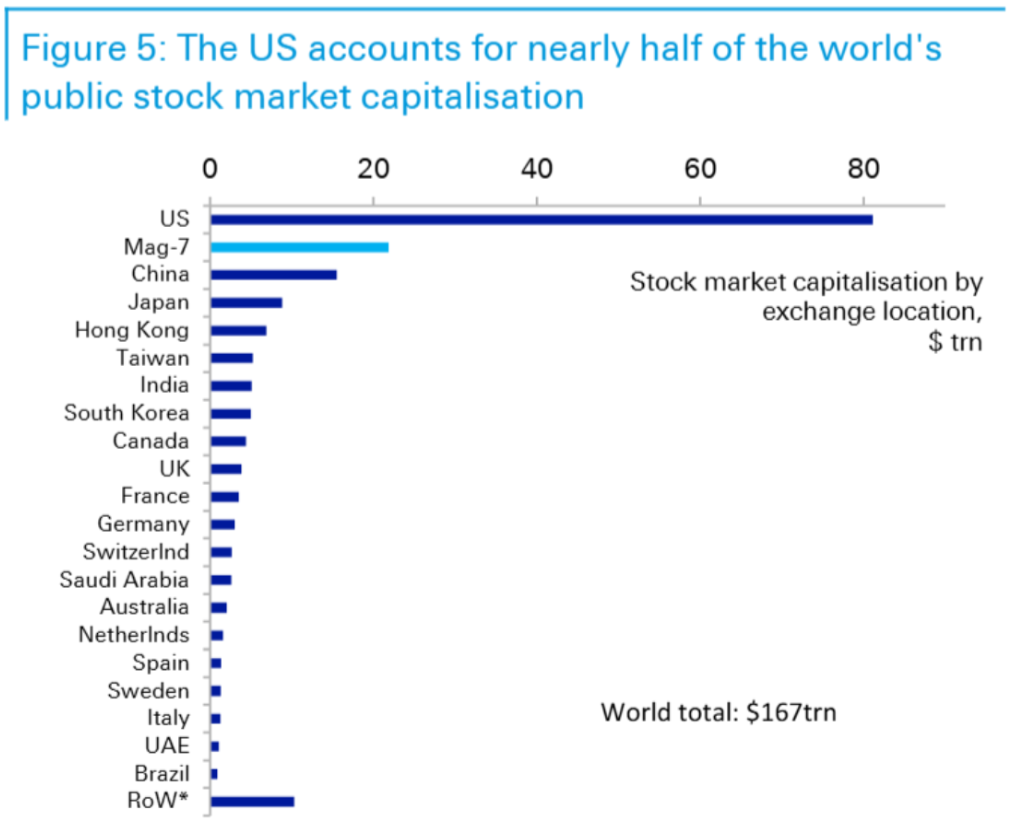
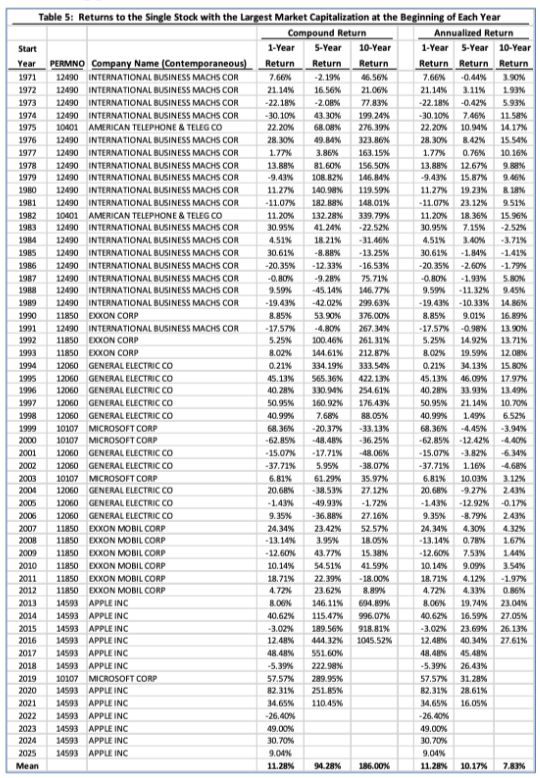
The conversation invariably turned to the "Magnificent Seven" (Mag7), a cohort of dominant technology companies whose market cap weight since 2021 was prominently displayed. The chart underscored their increasing influence on overall market indices. The hosts explored the implications of this concentration, debating whether it represented a healthy reflection of innovation and economic power or posed risks related to diversification and market breadth. The discussion touched upon the "Magnificent Seven’s" ability to continue driving earnings growth and innovation, especially in the context of AI development.
Unpacking Earnings Across Market Caps
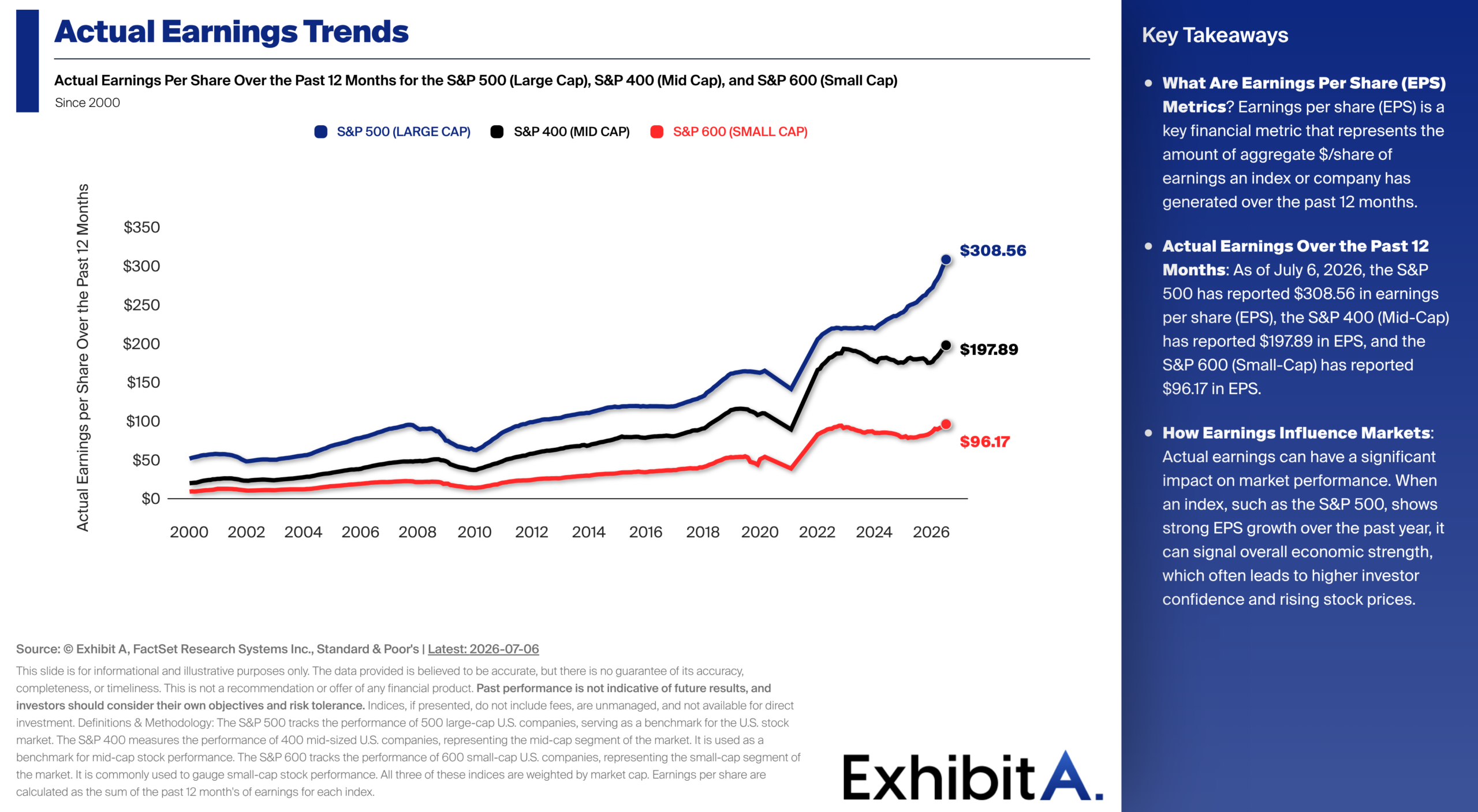
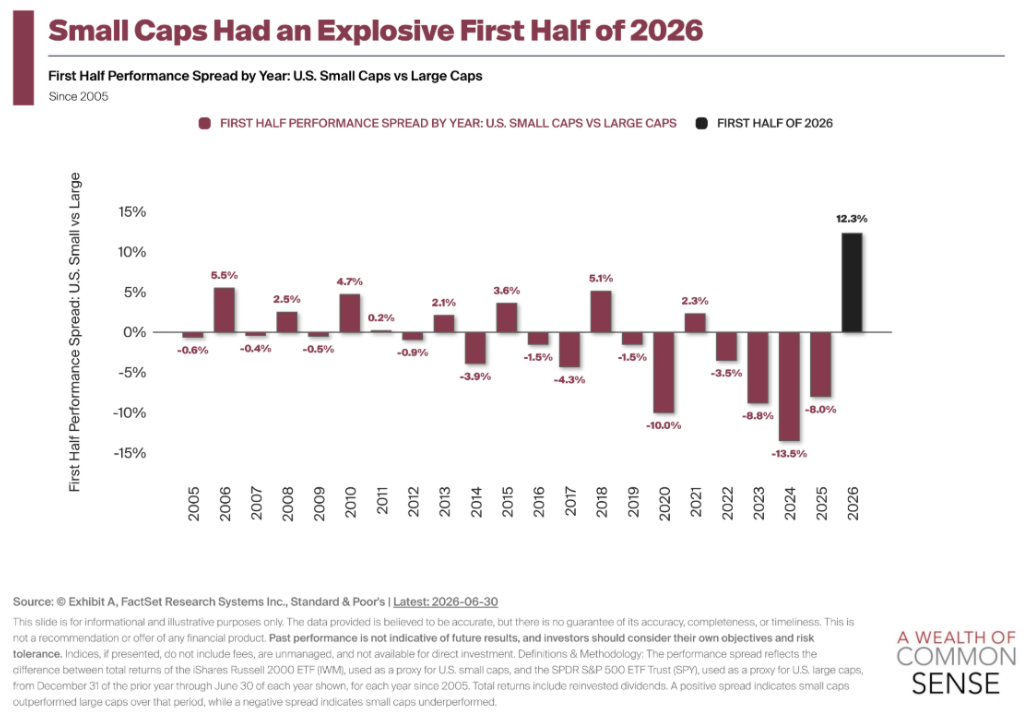
Beyond the large-cap giants, the podcast also examined the performance of companies across the capitalization spectrum. A chart illustrating small, medium, and large-cap EPS (Earnings Per Share) over the past 12 months offered a comparative view. This data suggested varying levels of resilience and growth opportunities outside of the mega-cap tech sphere. While large-cap earnings often benefited from global reach and established market positions, the hosts explored whether small and mid-cap companies were beginning to show signs of a broader economic recovery or if they remained pressured by higher borrowing costs and tighter consumer spending in certain sectors.
AI’s Broadening Ecosystem and Investment Frontiers
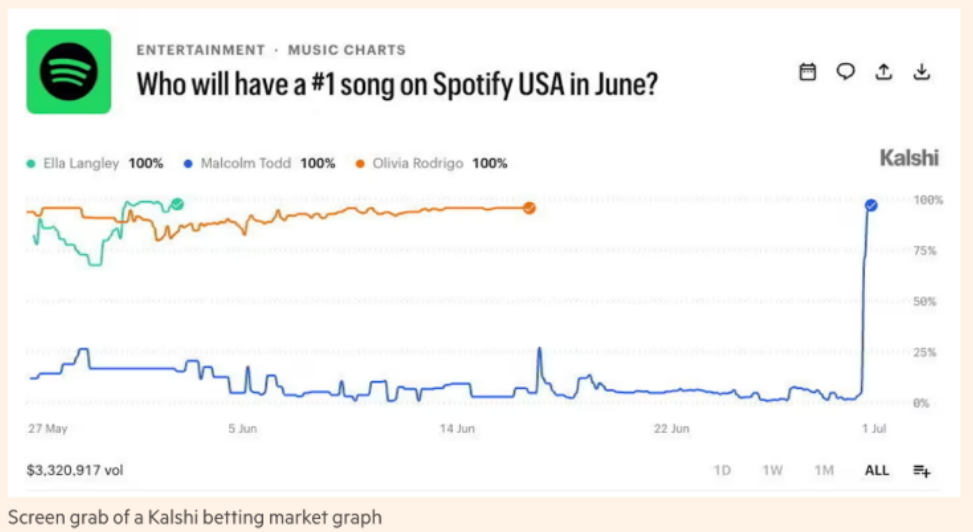
A key segment of the episode, bolstered by the sponsorship of KraneShares AGIX ETF, highlighted the expanding universe of artificial intelligence. The AGIX ETF, designed to provide exposure to multiple emerging layers of the AI ecosystem, was presented as a barometer for this rapidly evolving sector. The hosts specifically mentioned the ETF’s inclusion of Polymarket (a prediction market platform) and Ayar Labs (a photonics hardware company). This prompted a discussion on the diverse components driving AI’s growth:
- Space & Connectivity: The foundational infrastructure for data transmission and global AI deployment.
- Large Language Models (LLMs): The cutting edge of AI, driving innovation in content generation, automation, and intelligent interfaces.
- Self-Driving Technology: A transformational application of AI with profound implications for transportation and logistics.
- Prediction Markets: Utilizing collective intelligence and AI algorithms for forecasting, showcasing a novel application of AI in data synthesis and decision-making.
- Photonics: The hardware bedrock, enabling faster and more efficient AI computation through light-based data transfer.
This segment underscored that AI investment in 2026 was far from monolithic, encompassing a wide array of specialized technologies and applications.
Decoding Consumer Behavior and Economic Indicators
The podcast also presented several unnamed but highly relevant charts that likely delved into broader economic health. These visuals typically cover:
- Inflationary Pressures: Tracking consumer price indices and producer price indices to understand cost dynamics.
- Consumer Spending Habits: Retail sales data, e-commerce trends, and discretionary spending patterns, crucial for understanding demand-side economics.
- Labor Market Dynamics: Employment rates, wage growth, and job openings, providing insights into economic slack and potential inflationary pressures.
- Interest Rate Environment: Yield curves and central bank policy expectations, which directly impact borrowing costs and investment decisions.
The hosts likely used these charts to connect the dots between monetary policy, consumer confidence, and overall economic momentum, offering a holistic view of the forces shaping market sentiment.
Societal and Sectoral Snapshots
Beyond core financial metrics, the episode integrated contemporary social and cultural trends, often illuminated by recent social media commentary.
The "Banana" San Francisco Housing Market
Mike Simonsen’s tweet on July 6, 2026, about San Francisco housing sales routinely going "$1 million OVER the asking price," served as a stark illustration of extreme market dislocations. The "Animal Spirits" hosts explored the underlying factors: the insatiable demand from a booming tech sector fueled by AI wealth, coupled with severe supply constraints and restrictive zoning policies. This segment highlighted the growing affordability crisis in major tech hubs and its broader socio-economic implications, including migration patterns and wealth inequality.
Generational Wealth Accumulation in the U.S.
Sasha Gusev’s observation on July 5, 2026, that "Each US generation is wealthier than the last," prompted a nuanced discussion. While seemingly positive, the hosts likely delved into whether this wealth was evenly distributed, if it was inflation-adjusted, and what role asset appreciation (particularly in housing and equities) played versus earned income. This topic often leads to discussions about intergenerational transfers, retirement planning, and the long-term implications for the economy.
America’s Escalating Gambling Boom
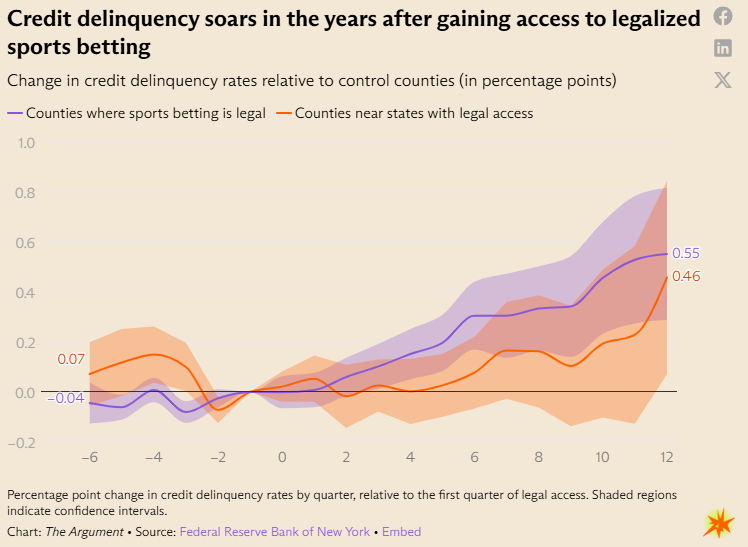
Joey Politano’s June 30, 2026, report on Americans losing nearly $250 billion to gambling this year – a 60% jump since 2019 – provided a compelling look at shifting consumer behavior. The hosts discussed the rapid expansion of online sports betting, the increasing mainstream acceptance of prediction markets, and the speculative allure of crypto. They explored the economic drivers behind this surge (e.g., increased disposable income for some, ease of access, psychological factors) and the potential social costs, including addiction and financial instability.
Netflix’s Content Conundrum: The "Second Season Swoon"
Lucas Shaw’s July 5, 2026, analysis of Netflix’s "second season swoon," where top shows lose 30-70% of their audience, sparked a discussion on the intensely competitive streaming landscape. The hosts likely pondered the implications for content strategy, the rising cost of production, and the challenge of retaining subscribers in an era of abundant choice and fragmented attention spans. This trend suggests a potential shift in consumer loyalty and the need for streaming platforms to innovate beyond initial viewership surges.
The Accelerating Pace of Time and Change
Ben Carlson’s personal reflection on July 3, 2026, comparing the time gap for "Dazed and Confused" to the present, served as a meta-commentary on the speed of modern life. This philosophical interlude likely tied into the broader theme of rapid technological advancement, market cycles compressing, and the constant need for investors and individuals to adapt to an ever-changing environment.
Industry and Expert Perspectives
The diverse topics covered in "Animal Spirits" naturally elicit a range of reactions and analyses from various sectors.
- Financial Analysts and Economists: Many analysts, in response to the sustained high valuations and "Magnificent Seven" dominance, continue to debate the sustainability of current market trends. While some foresee continued growth fueled by AI innovation and strong corporate earnings, others express caution regarding potential market concentration risks and the impact of future interest rate adjustments. The forward profit margins are under intense scrutiny, with economists watching closely for any signs of margin compression due as labor costs rise or global supply chains remain volatile.
- Real Estate Experts: The "bananas" San Francisco housing market has prompted calls for policy intervention. Urban planners and housing advocates are urging local governments to address supply shortages through expedited permitting processes and incentives for higher-density development. Developers, however, point to regulatory hurdles and construction costs as significant barriers. The consensus among experts is that without substantial policy changes, affordability will continue to worsen in prime urban centers.
- Gambling Industry and Regulators: The staggering increase in U.S. gambling losses has drawn mixed reactions. The legalized gambling industry touts economic benefits and tax revenues, while public health officials and consumer advocacy groups raise alarms about rising addiction rates and the potential for widespread financial distress. Regulators are increasingly scrutinizing online betting platforms and prediction markets, considering tighter controls on advertising, age verification, and responsible gambling measures to mitigate the social costs of this boom.
- Streaming Services and Content Producers: Netflix’s "second season swoon" is a topic of intense internal and external debate within the streaming industry. Executives are reportedly re-evaluating content investment strategies, potentially shifting towards more episodic, self-contained narratives or focusing on robust marketing campaigns for subsequent seasons. Content creators, meanwhile, are adapting to a landscape where initial viral success doesn’t guarantee sustained viewership, emphasizing the need for compelling storytelling that resonates long-term.
- AI Ethicists and Technologists: The rapid expansion of the AI ecosystem, as exemplified by the AGIX ETF’s focus areas, is met with both excitement and apprehension. Technologists laud the advancements in LLMs and photonics, while ethicists and policymakers are increasingly vocal about the need for robust regulatory frameworks, data privacy safeguards, and ethical guidelines to ensure responsible development and deployment of AI across all sectors, from self-driving cars to prediction markets.
Broader Economic and Investment Implications
The multifaceted discussions on "Animal Spirits" underscore several critical implications for investors, policymakers, and society at large in 2026.
Investment Strategies in a Dynamic Market
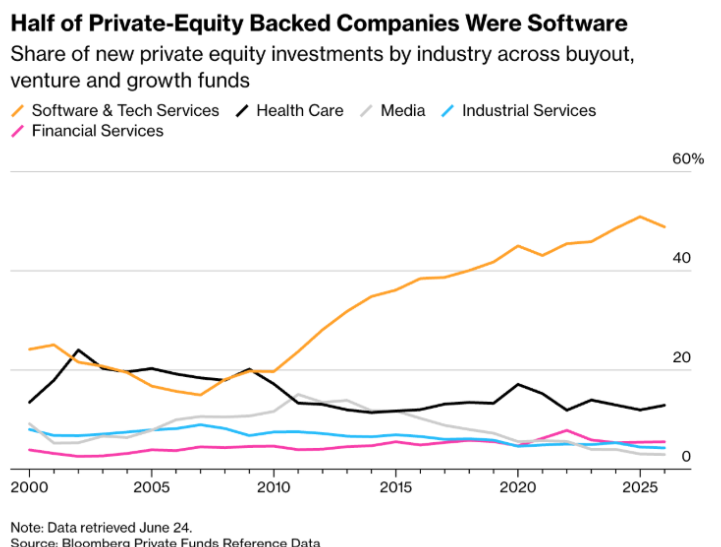
For investors, the current market presents both opportunities and challenges. The continued growth in AI, as highlighted by the AGIX ETF, suggests that targeted investments in this sector could yield significant returns. However, the concentration risk associated with the "Magnificent Seven" and potentially high P/E ratios in certain segments necessitates a careful balance between growth and diversification. Investors are increasingly advised to look beyond the largest market caps, exploring small and mid-cap companies that may offer untapped growth potential if the broader economy continues to expand. The volatile nature of consumer behavior, particularly the gambling boom, also suggests a need for caution when evaluating discretionary spending-reliant sectors.
Policy Challenges and Societal Impact
Policymakers face urgent dilemmas. The San Francisco housing crisis is a microcosm of a national problem, demanding innovative solutions to increase housing supply and address affordability. The surge in gambling losses calls for a re-evaluation of regulatory frameworks, balancing economic benefits with public welfare concerns. Furthermore, the implications of increasing generational wealth, while positive on the surface, necessitate ongoing scrutiny of wealth distribution and access to opportunity to prevent widening social divides. The rapid integration of AI into daily life also places pressure on governments to develop comprehensive policies around job displacement, data security, and ethical AI deployment.
The Future of Digital Entertainment and Engagement
The "second season swoon" phenomenon in streaming points to a maturing and hyper-competitive digital entertainment landscape. Content platforms will need to evolve their strategies beyond simply acquiring new subscribers, focusing more on long-term engagement, fostering community, and potentially exploring new monetization models. This could lead to a renaissance in quality over quantity, as platforms strive to produce content that genuinely captivates audiences beyond initial hype cycles. The increasing fragmentation of attention also has broader implications for how information is consumed and how brands engage with their target audiences.
In conclusion, the July 8, 2026, "Animal Spirits" podcast, through its detailed charts and expert commentary, delivered a vital snapshot of a financial world in flux. From the electrifying potential of AI to the ground-level realities of housing and consumer habits, the episode served as a timely reminder that successful navigation of 2026’s economic currents requires a keen understanding of both traditional market fundamentals and the rapidly evolving socio-technological landscape.
Nothing in this blog constitutes investment advice, performance data or any recommendation that any particular security, portfolio of securities, transaction or investment strategy is suitable for any specific person. Any mention of a particular security and related performance data is not a recommendation to buy or sell that security. Any opinions expressed herein do not constitute or imply endorsement, sponsorship, or recommendation by Ritholtz Wealth Management or its employees.
The Compound, Inc., an affiliate of Ritholtz Wealth Management, received compensation from the sponsor of this advertisement. Inclusion of such advertisements does not constitute or imply endorsement, sponsorship or recommendation thereof, or any affiliation therewith, by the Content Creator or by Ritholtz Wealth Management or any of its employees. Investing in speculative securities involves the risk of loss. Nothing on this website should be construed as, and may not be used in connection with, an offer to sell, or a solicitation of an offer to buy or hold, an interest in any security or investment product.