AICPA Urges Governors to Secure Urgent Tax Relief for Hurricane Isaias Victims
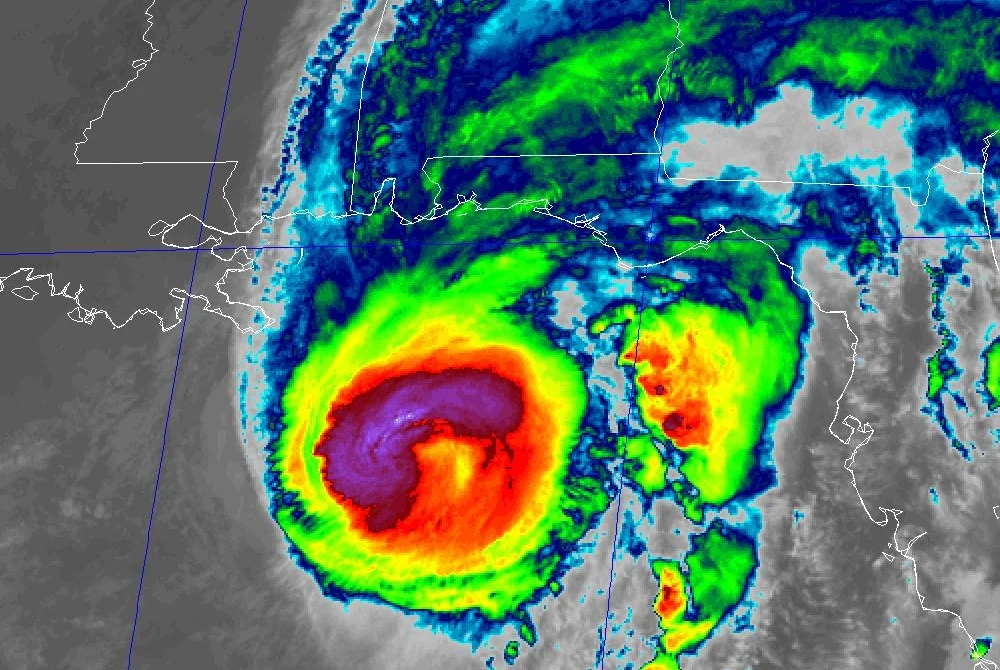
As the fallout from Hurricane Isaias continues to disrupt communities across Florida and neighboring states, the American Institute of CPAs (AICPA) has issued a clarion call to state leadership. With the critical October 15 tax filing deadline looming, the organization is pressuring state governors to formally request federal disaster tax relief from the U.S. Treasury, a step necessary to provide much-needed breathing room for taxpayers and practitioners currently grappling with the aftermath of flooding and property destruction.
The situation is complicated by a regulatory landscape that—while improved by recent legislative wins—remains prone to confusion. Despite the passage of the Filing Relief for Natural Disasters Act (P.L. 119-29) in the summer of 2025, which was designed to streamline tax extensions, many states have yet to initiate the mandatory formal request, leaving millions of taxpayers in a state of limbo.
The Legislative Framework: A "Major Win" Stalled by Complexity
The Filing Relief for Natural Disasters Act was celebrated upon its passage as a landmark victory for tax professionals and their clients. By providing a clearer pathway for the IRS to postpone federal tax deadlines in the wake of qualified state-declared disasters, the law was intended to remove the administrative burden that previously plagued post-disaster periods.
However, the reality of implementation has proven more complex than the legislation’s authors likely envisioned. Under the current law, a gubernatorial declaration of a state emergency is merely the first step; it is not, by itself, a trigger for tax relief. The statute explicitly mandates a formal written request from the governor to the U.S. Treasury. This procedural hurdle has created a gap between state-level emergency response and federal tax-filing leniency.
"Over the last five years, the AICPA has made significant strides in disaster relief legislation and regulations; however, we do not consider our work in this area to be done," stated Melanie Lauridsen, the AICPA’s Vice President of Tax Policy & Advocacy. "As the AICPA continues to advocate for a more seamless process for disaster tax relief, we remain committed to working with policymakers, federal agencies, state leaders, and other stakeholders to ensure taxpayers and practitioners are provided timely relief during a disaster."
Chronology of the Crisis and the Deadline Dilemma
The timing of Hurricane Isaias’s landfall could not have been more detrimental to the tax community. With the October 15 filing deadline—a date representing the final extension period for many individual and business returns—approaching, the storm’s impact has effectively paralyzed accounting operations in the affected regions.
- Friday: Hurricane Isaias makes landfall in Florida, causing immediate, widespread flooding and significant infrastructure damage.
- Saturday/Sunday: Reports of damage spread across multiple states. As news of the destruction emerges, the AICPA issues urgent guidance for CPAs and taxpayers.
- Monday: Due to a federal holiday, government offices remain closed, leaving practitioners and taxpayers in a state of uncertainty regarding potential IRS or FEMA intervention.
- The Immediate Future: With the Oct. 15 deadline drawing near, the window for governors to submit the necessary paperwork to the Treasury is closing rapidly.
The lack of clarity regarding when the IRS might issue supplemental guidance has led to widespread anxiety among tax professionals, many of whom have lost access to offices, technology, and essential documentation due to the storm.
Understanding the "Qualified State-Declared Disaster"
To ensure that states follow the correct procedure, the AICPA has provided a robust resource center for governors and policy officials. A "qualified state-declared disaster" is defined as any natural catastrophe—including fires, floods, or explosions—that reaches a magnitude or severity sufficient to warrant federal intervention.
A primary point of confusion for state administrators is the distinction between Internal Revenue Code (IRC) sections. The AICPA has been proactive in distributing templates to governors that specifically cite IRC Section 7508A(c). This is a critical nuance; many officials mistakenly attempt to utilize Section 7508A(e), which is typically reserved for federal individual assistance programs and does not automatically trigger the broad tax filing relief required by the new law. By providing this specific legal language, the AICPA aims to prevent administrative delays that could result from filing under the incorrect regulatory statute.
The Role of the CPA: Navigating Fraud and Recovery
The havoc wreaked by Hurricane Isaias extends beyond property damage and missed deadlines. In the wake of natural disasters, the risk of financial exploitation increases exponentially. Sophisticated criminal networks, now armed with generative AI tools, are increasingly targeting disaster survivors with fraudulent schemes disguised as relief efforts or insurance aid.
The AICPA has emphasized that the role of the modern CPA has expanded to include "fraud sentinel" duties. A recent article in the Journal of Accountancy, titled "A CPA Playbook to Help Prevent Disaster Fraud," details how accountants can serve as a primary line of defense for clients. CPAs are uniquely positioned to:
- Vet Charitable Organizations: Assist clients in verifying the legitimacy of disaster relief funds before they donate.
- Monitor Financial Statements: Identify suspicious patterns in client accounts that may indicate phishing or identity theft.
- Secure Documentation: Help clients safeguard sensitive tax information that could be compromised during the chaos of displacement.
For CPAs who have personally suffered losses, the AICPA Benevolent Fund remains a vital resource. The fund provides financial assistance for temporary living expenses, insurance deductibles, and the replacement of essential equipment, ensuring that those who guide others through financial crises are not left without a safety net of their own.
Implications for Future Advocacy
The current struggle to secure relief for Hurricane Isaias victims serves as a microcosm of a larger, systemic issue in tax policy. The AICPA’s ongoing advocacy efforts are focused on moving away from a "request-based" system toward one that is more automated and responsive.
"We remain committed to working with policymakers to ensure that the process is as seamless as possible," Lauridsen noted. The goal is to reach a state of administrative maturity where the declaration of a major disaster automatically triggers a standard extension for affected ZIP codes, removing the bureaucratic burden from governors and providing immediate certainty to the tax community.
However, until such a system is fully realized, the responsibility rests on the shoulders of state leadership to be proactive. The failure of a governor to submit a simple letter to the Treasury can result in thousands of taxpayers incurring unnecessary penalties and interest. For the tax professional, who is often dealing with their own loss of home or business, this added layer of administrative stress is unsustainable.
Conclusion
As the nation waits for the Treasury’s response and for governors to exercise their authority under the Filing Relief for Natural Disasters Act, the AICPA remains vigilant. The intersection of natural disaster, tax compliance, and modern technology presents a formidable challenge. By advocating for standardized, efficient relief processes and equipping CPAs with the tools to combat fraud, the AICPA continues to protect both the integrity of the tax system and the well-being of the taxpayers it serves.
For those affected by the storm, the message is clear: coordinate with your CPA, utilize the resources provided by professional organizations, and remain hyper-vigilant against the rising tide of digital disaster fraud. As the October 15 deadline approaches, the hope remains that the federal government will recognize the severity of the situation and provide the relief that families and businesses so desperately require.
To provide feedback on this report or to submit inquiries regarding disaster tax policy, please contact Neil Amato at [email protected].