From Idealism to Realism: A Seven-Year Retrospective on the Homesteading Dream
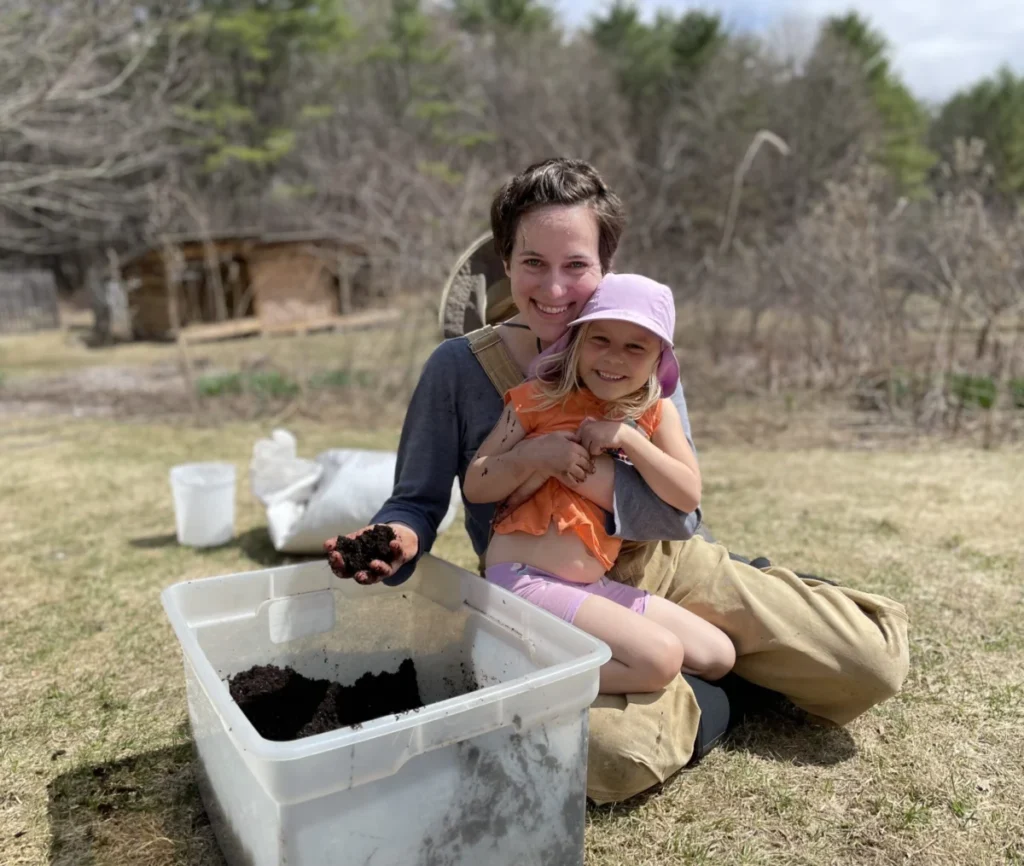
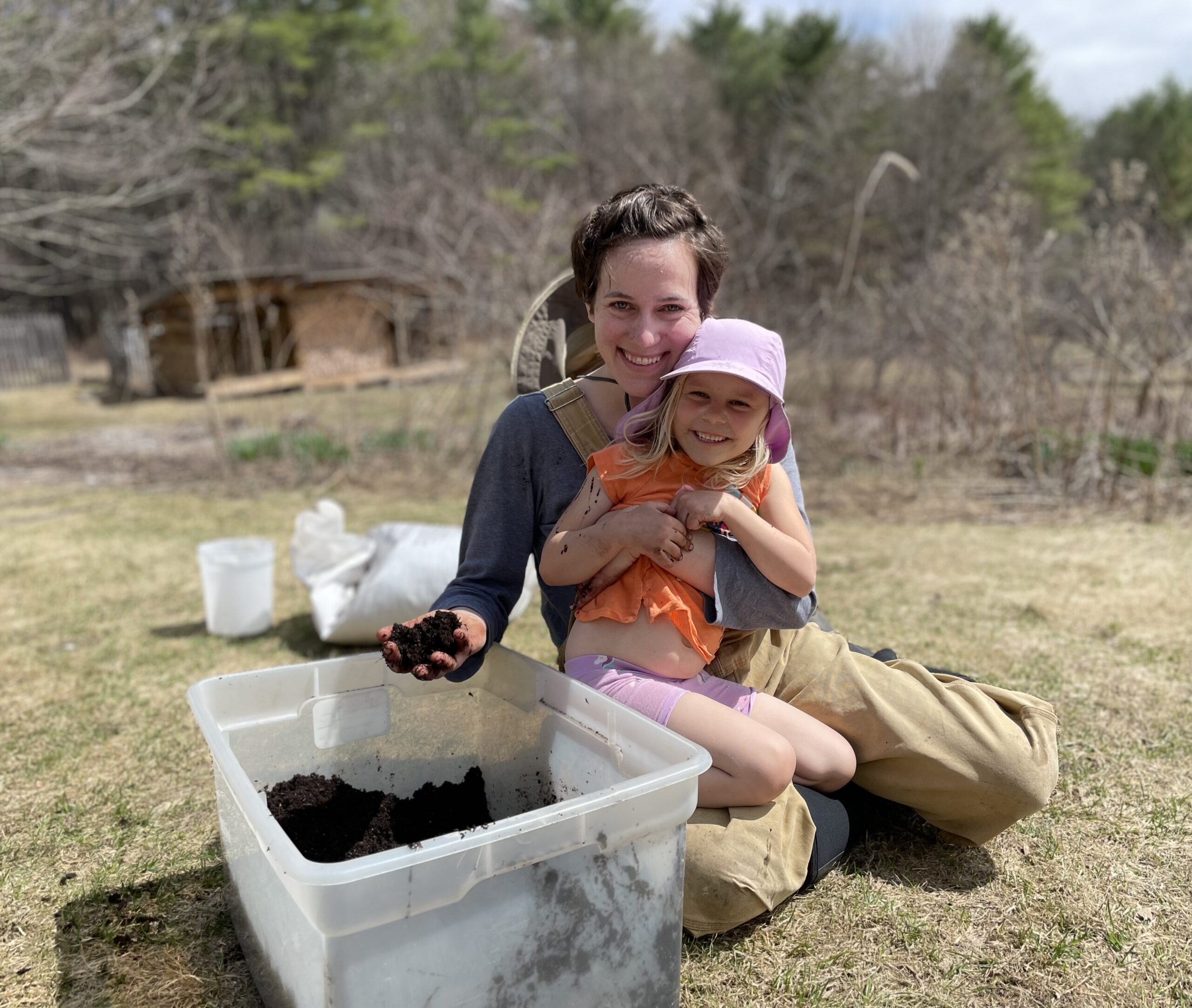
When the founders of the popular lifestyle platform Frugalwoods relocated from the structured, fast-paced environment of city life to a 66-acre rural homestead in Vermont in May 2016, they carried with them a vision that is shared by many modern dreamers. It was a vision of self-sufficiency, wood-warmed winters, and a pantry stocked with the fruits of their own labor. However, as the blog recently reflected upon its seventh year of rural living and ninth year of operation, the reality of the homesteading experience has proven to be a complex intersection of hard-won wisdom, necessary compromises, and the shedding of performative perfectionism.
The Myth of the Total Homestead
At the heart of the Frugalwoods relocation was a "gargantuan assumption": the belief that the family would eventually transition to growing and raising the entirety of their own food supply. In the early days, this vision was idyllic. It featured images of singing to rows of vegetables, children gracefully assisting in the kitchen, and a cellar full of home-preserved goods that would sustain the family through the harshest Vermont winters.
In their early imagination, the homestead was Little House on the Prairie—minus the historical hardships, of course. The initial plan included not just a vegetable garden, but also raising meat chickens, pigs, and goats, and even maintaining a dairy cow for homemade butter and cheese. While acknowledging that such a lifestyle is technically possible and successfully practiced by many, the Frugalwoods authors have come to a stark conclusion: for their specific family, the total-subsistence model is not the path to happiness.

Chronology: Seven Years of Growth and Reality Checks
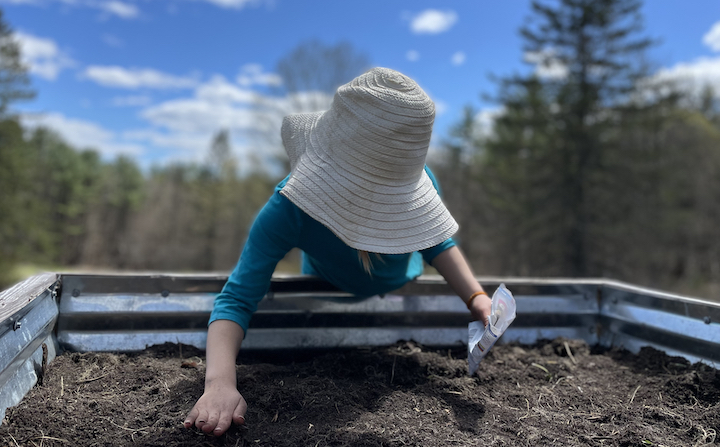
The journey began on May 18, 2016, when the family took possession of their Vermont property. The first few years were characterized by a massive investment in infrastructure. This included the construction of raised beds, the installation of fencing, and the meticulous process of starting seeds.

The turning point, or the "watershed moment," occurred in 2018 during what has become known as the "Kale and Chard Apocalypse." In an effort to prove their self-sufficiency, the family planted 80 kale and chard plants. The crop was undeniably successful, but the harvest was overwhelming. The process of washing, blanching, and preserving the bounty took days, consuming the family’s time and energy during the height of the summer. The demoralizing realization that they could not consume all they had preserved before it spoiled marked a shift in their philosophy. They realized that by trying to become "perfect" homesteaders, they had merely replaced the stress of a corporate office with the anxiety of an unmanageable garden.

Supporting Data: The Current Garden Infrastructure
Today, in 2023, the approach is one of intentional, limited cultivation rather than forced abundance. The homestead’s gardening operations are now categorized into three manageable segments:

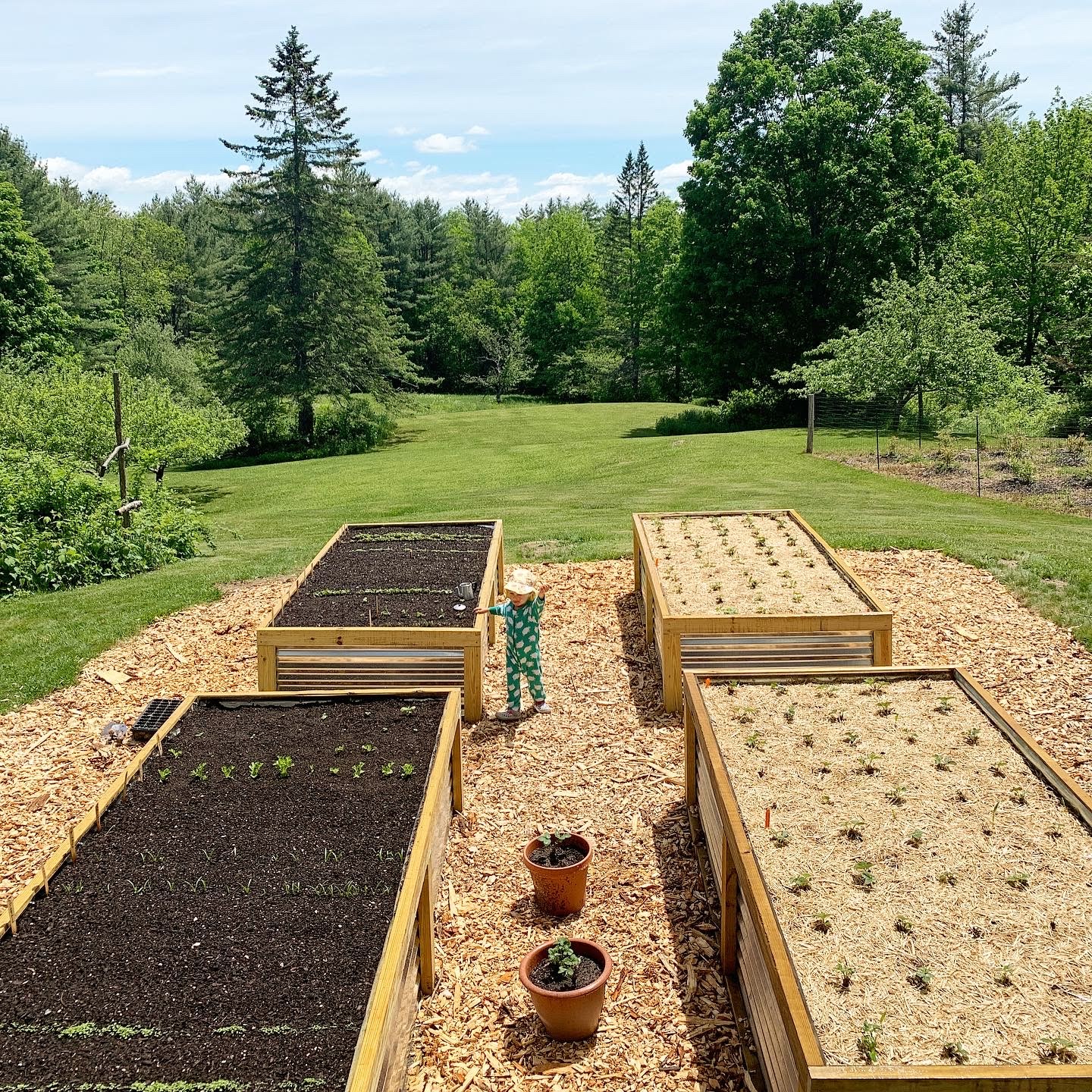
- The Porch-Adjacent Raised Beds: These four beds, constructed in 2020, are primarily used for quick access to strawberries, herbs, and salad greens. Their proximity to the house makes daily maintenance simple and non-intrusive.
- The "Big" Vegetable Garden: This fenced-in area utilizes cattle panels for vertical growth—a labor-saving innovation that makes trellising tomatoes and peas significantly easier. Each child is allotted their own row to manage, fostering a connection to the land without the pressure of total output.
- The Perennial Orchard: This area includes fruit trees and bushes that require years of patience to reach production. However, the output is frequently challenged by "The Clever Varmint Patrol" (CVP)—local wildlife that consistently beats the family to the harvest.
The Challenges of Nature and Labor
The reality of rural production involves factors that are often overlooked in the romanticized version of homesteading. The Frugalwoods retrospective highlights several key barriers to total self-sufficiency:

- Production Timelines: Fruit trees and perennial shrubs take years to mature. An apple tree, for instance, may take six years before yielding its first harvest.
- The "All-at-Once" Harvest: Most crops reach peak ripeness simultaneously. This creates a bottleneck where the gardener must either process the entire harvest immediately or lose it to spoilage or wildlife.
- Wildlife Interference: From wild turkeys trapped in garden fences to small mammals raiding orchards, nature is a persistent competitor.
- Environmental Variables: Success is often dictated by factors beyond the gardener’s control, such as late spring frosts, droughts, or excessive rainfall.
Official Perspective: Redefining Success
The Frugalwoods team now views their homestead not as a place to achieve total independence from the grocery store, but as a place to cultivate "joy, time, freedom, and space." They have come to value their local farmers, preferring to purchase goods from neighbors who specialize in the intensive labor of large-scale agriculture.

The primary lesson learned is that chaining oneself to a garden is fundamentally no different than chaining oneself to a corporate desk. If the activity does not bring joy and instead demands a schedule that precludes other life experiences—such as hiking, lake visits, or community events—then the fundamental goal of the lifestyle change has been defeated.

Implications for Future Homesteaders
The shift in the Frugalwoods approach offers several key implications for those considering a move to rural living:
- Avoid the "Perfection Trap": The pressure to look like an expert homesteader is often a self-imposed burden that can lead to burnout.
- Prioritize Balance: The purpose of moving to the country should be to reclaim time and reduce stress, not to fill every waking hour with manual labor.
- Acceptance is Essential: Successful gardening involves accepting that not every crop will survive, not every harvest will be preserved, and that is perfectly acceptable.
- Community Integration: Supporting local agriculture is a form of sustainability in its own right. One does not need to grow every calorie to lead an ethical and fulfilling life.
Ultimately, the Frugalwoods experiment has been a success, not because they have achieved the goal of complete self-sufficiency, but because they have achieved the goal of self-awareness. By letting go of the performative aspects of homesteading, they have found a sustainable rhythm that allows them to enjoy the land they love without becoming its servant. As they move forward, their garden will continue to grow, but it will do so on their terms—providing a source of fresh food and family memories, rather than a checklist of chores to be mastered.