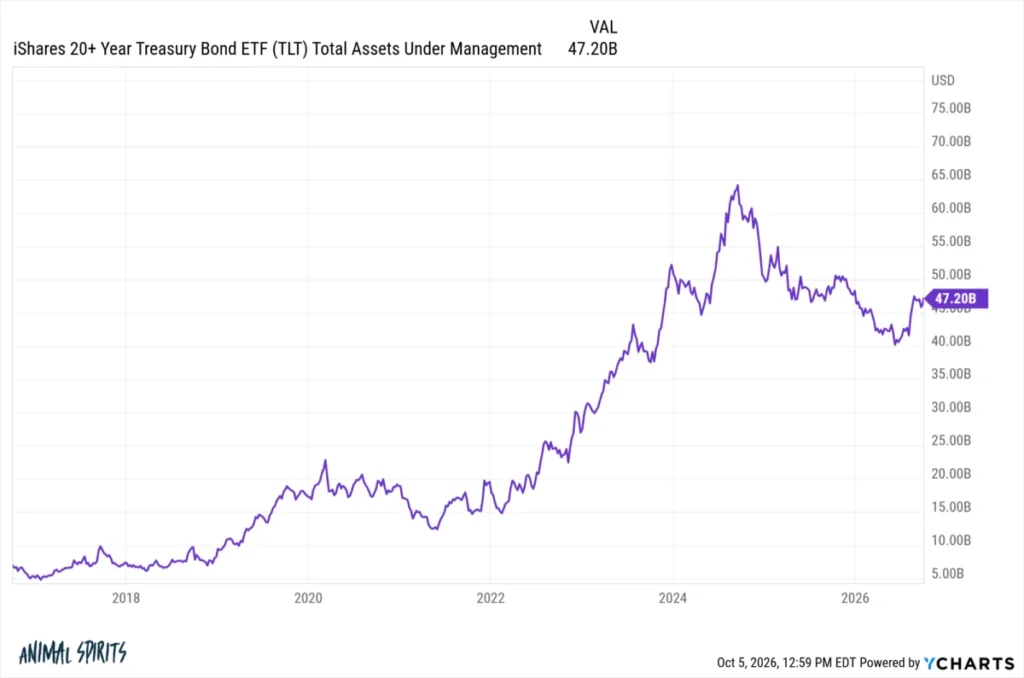
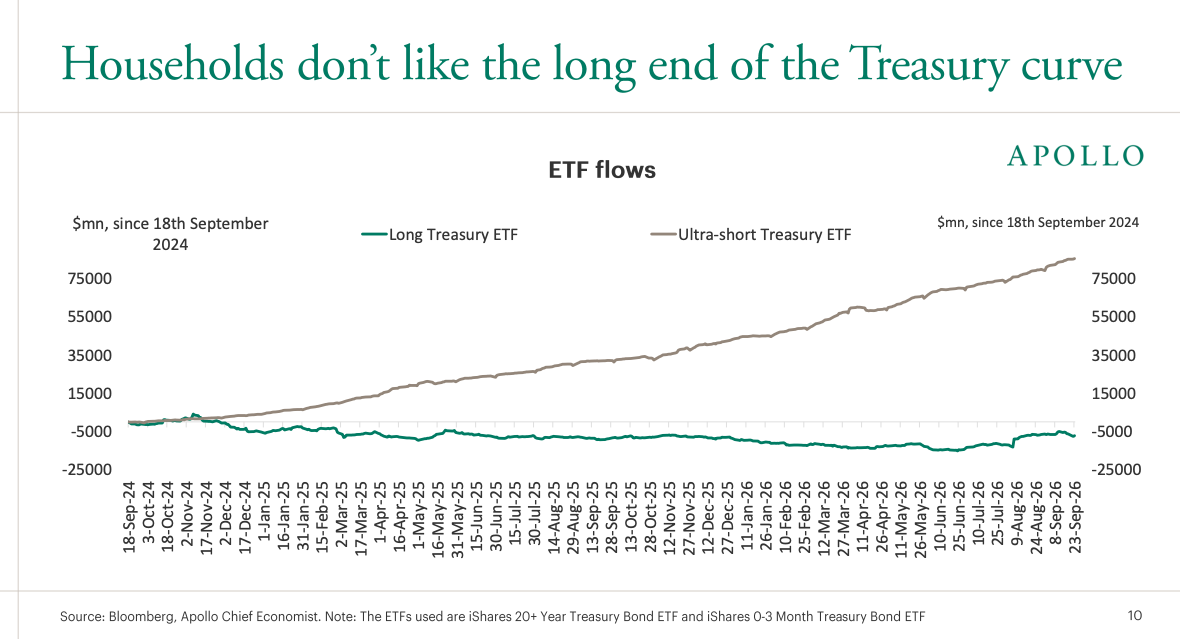
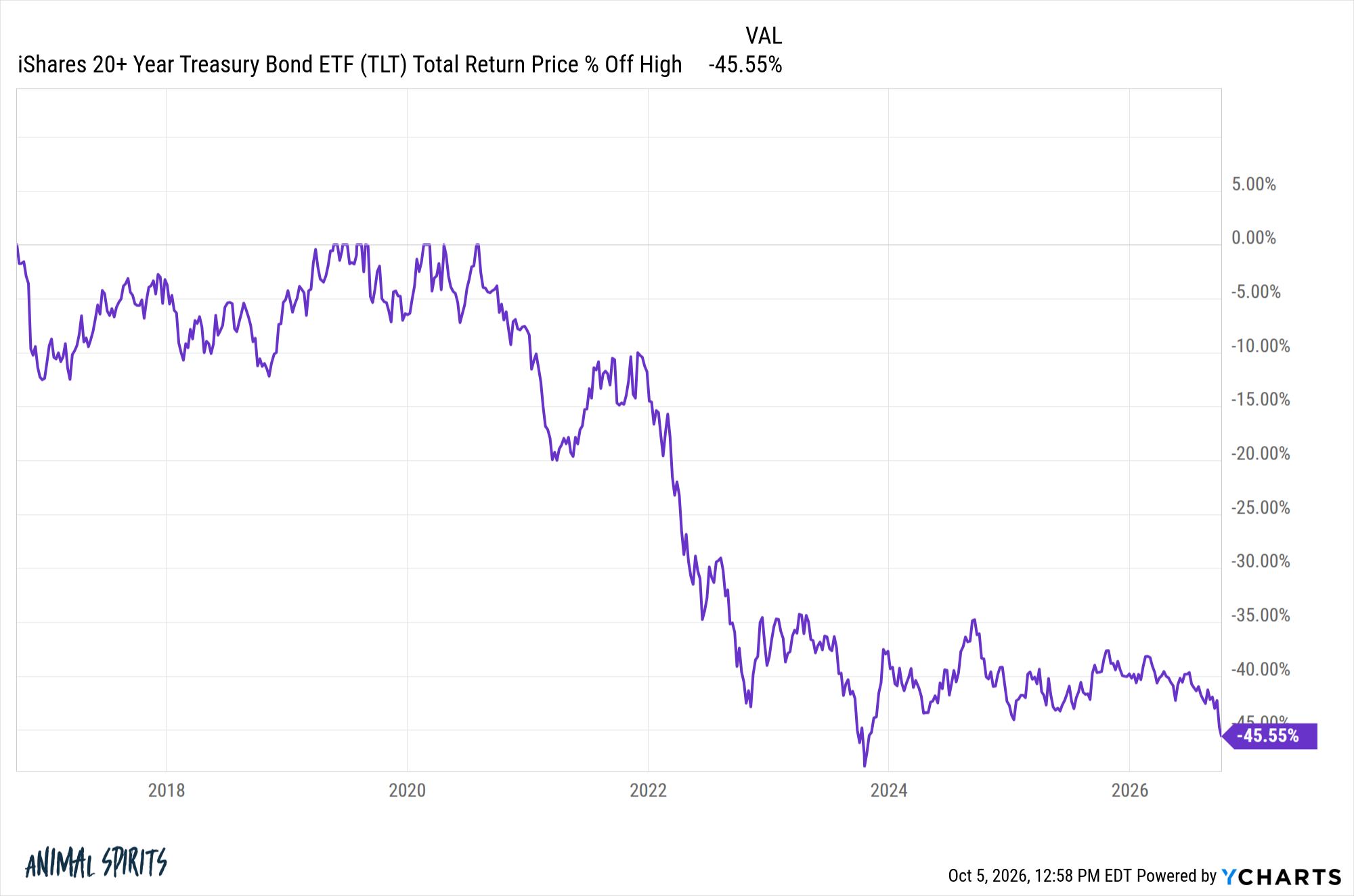
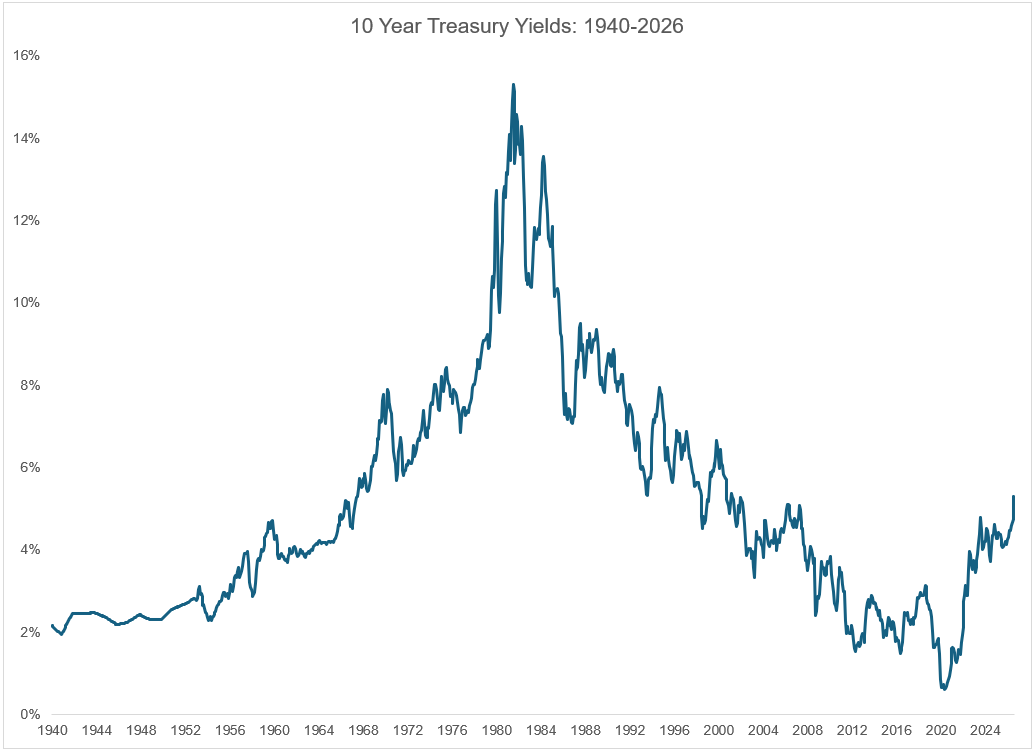
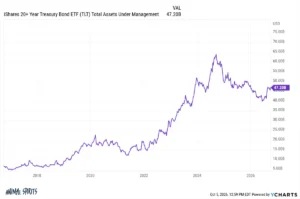
The macroeconomic landscape in the autumn of 2026 presents a striking paradox: even as long-term bond yields drift relentlessly higher and prices tumble, individual retail investors are piling into long-end Treasury Exchange-Traded Funds (ETFs) at an unprecedented rate. According to data highlighted by JPMorgan and shared across market analysis platforms, September 2026 marked the largest single-month rotation into long-end Treasury ETFs on record. This wave of buying has been driven primarily by outsized inflows into funds like the iShares 20+ Year Treasury Bond ETF ($TLT).
Simultaneously, broader economic indicators point toward mounting pressure on the American consumer. Fresh data released for August 2026 reveals a widening gap between personal spending and income growth. Personal spending jumped by 0.9%, while personal income inched up by just 0.2%. This discrepancy underscores a persistent trend: consumers continue to spend, but they are increasingly forced to bridge the widening delta by dipping into their dwindling savings or leaning more heavily on credit cards.
Against this backdrop of financial friction, market participants and commentators are grappling with the psychological allure of falling asset prices. As $TLT continues to decline, the temptation for yield-hungry or dip-buying investors has intensified, raising critical questions about portfolio risk, investor behavior, and the disconnect between Wall Street sentiment and Main Street reality.
Chronology
The unfolding events of late September and early October 2026 trace a clear timeline of escalating retail activity and economic data releases:
Late September 2026: Economic releases highlight a persistent consumer squeeze. Analysts note that while headline retail activity remains resilient, underlying dynamics show savings rates depleting to accommodate a 0.9% rise in personal expenditures against a modest 0.2% increase in personal income.
September 30, 2026: Financial commentators and economists bring heightened public attention to the strain on American households, pointing out that the widening gap between income and spending is forcing consumers to rely on leverage and past reserves.
October 1, 2026: JPMorgan releases its preliminary September retail flow reports, revealing a historic milestone: the largest rotation into long-end Treasury ETFs on record, fueled largely by aggressive buying of $TLT as yields continue their upward drift.
October 2, 2026: Market analysts draw vivid behavioral comparisons, likening the continuous retail accumulation of falling long-term bonds to "sweet temptation"—a scenario where lower prices lure buyers deeper into a depreciating asset class despite the ongoing pain.
October 7, 2026: Financial commentary and weekly digests, including market analysis discussions, synthesize these trends, emphasizing the juxtaposition between speculative bond market behavior and consumer financial health.
Supporting Data
The macroeconomic picture in late 2026 is substantiated by several key data points spanning retail flows, consumer metrics, and market behavior:
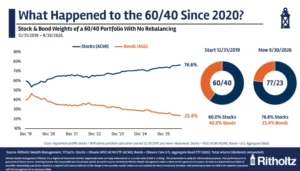
Record Treasury Inflows: JPMorgan’s September 2026 flow data documented the largest historical rotation into long-end Treasury ETFs, heavily concentrated in $TLT as yields moved upward and capital values compressed.
The Consumer Disconnect: August 2026 personal income figures rose by a modest 0.2%, while personal consumption expenditures (PCE) surged by 0.9%, highlighting a 0.7 percentage point gap that reflects heightened reliance on debt and savings drawdown.
Asset Pricing Dynamics: Long-term Treasury valuations have faced sustained downward pressure throughout the third quarter, creating inverse spikes in yields that have triggered waves of retail "dip-buying" behavior reminiscent of prior cycles in fixed-income markets.
Official Responses and Market Commentary
Market observers, institutional strategists, and financial commentators have offered stark warnings and analytical insights regarding the dual trends of record bond inflows and consumer strain.
Luke Kawa of market analysis circles highlighted the JPMorgan findings, noting the sheer magnitude of the shift:
"Largest rotation into long-end Treasury ETFs on record — and driven mainly by outsized inflows into $TLT as yields kept drifting higher."
Eric Balchunas of Bloomberg Intelligence captured the psychological phenomenon driving retail bond buyers with a vivid market analogy:
"SWEET TEMPTATION: Money keeps pouring into $TLT as it keeps going down, and the more it goes down the more tempting it gets, like a bowl of ice cream and each 1% move down is another topping and you’re starving. If history is any guide it’s best to just walk past the ice cream…"
On the consumer front, economic commentators like Heather Long emphasized the hidden dangers beneath headline spending figures:
"American consumers are struggling right now. Yes, they’re still spending, but the strain is clear. Personal spending in August: +0.9%. Personal income in August: +0.2%. That’s a big gap. People are still spending, but many are dipping into savings (or credit) to do it."
Implications
The convergence of record-setting retail bets on long-term bonds and persistent pressure on household balance sheets carries profound implications for the broader financial system and individual investors alike.
1. The Behavioral Trap of "Catching a Falling Knife"
The relentless accumulation of $TLT during a prolonged drawdown illustrates the enduring power of recency bias and yield chasing among retail investors. Many market participants view high-duration fixed income as a guaranteed mean-reverting trade, assuming that historical interest rate norms will inevitably return. However, as quantitative analysts point out, buying into a declining asset purely because it appears "cheaper" can lead to prolonged pain if macroeconomic conditions continue to support higher-for-longer yield environments.
2. Main Street Vulnerability vs. Wall Street Speculation
While retail capital floods into speculative bond strategies, the underlying health of the average American household shows signs of structural fatigue. When personal spending outpaces income growth by a wide margin over consecutive periods, the cushion provided by pandemic-era savings diminishes. If employment conditions soften or credit standards tighten further, consumers who have relied on revolving debt to maintain their standard of living may face a sharp reckoning, potentially dampening aggregate economic demand.
3. Portfolio Risk Management
For financial advisors and institutional managers, these trends underscore the importance of disciplined asset allocation over emotional market timing. Navigating an environment characterized by volatile fixed-income markets and an overextended consumer base requires a focus on risk mitigation—such as balancing duration risk, managing cash flow needs, and avoiding speculative overexposure to single-asset momentum trades.
Disclaimer: Nothing in this article constitutes investment advice, performance data, or any recommendation that any particular security, portfolio of securities, transaction, or investment strategy is suitable for any specific person. Investing in speculative securities involves the risk of loss.