Reclaiming the Roots: How Black Yard Farm is Redefining Agricultural Reparations
By [Your Name/Editorial Desk]
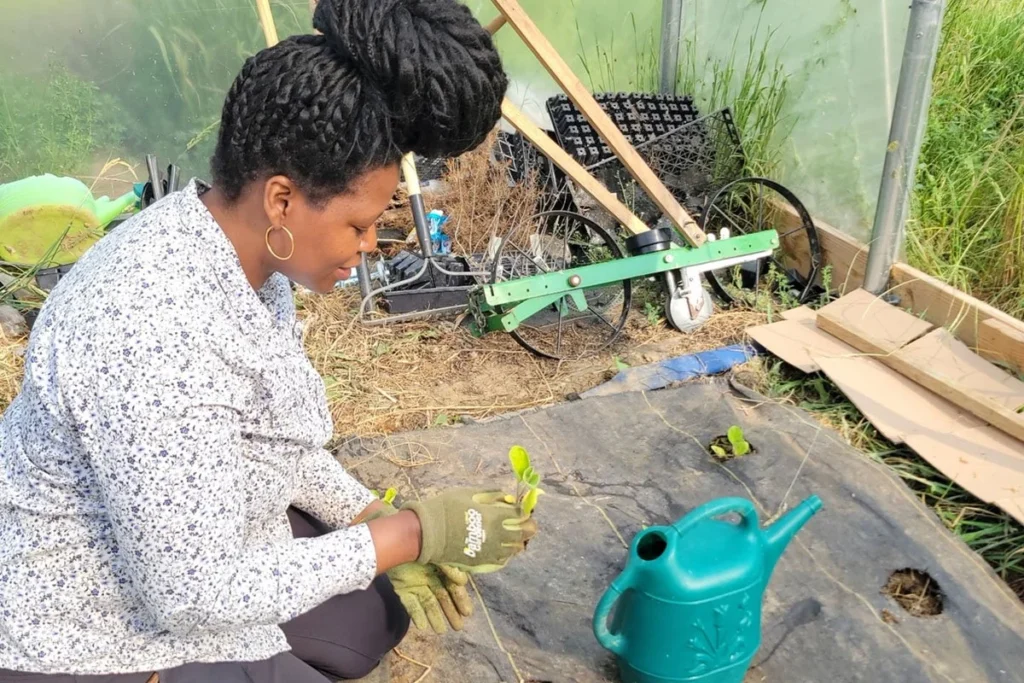
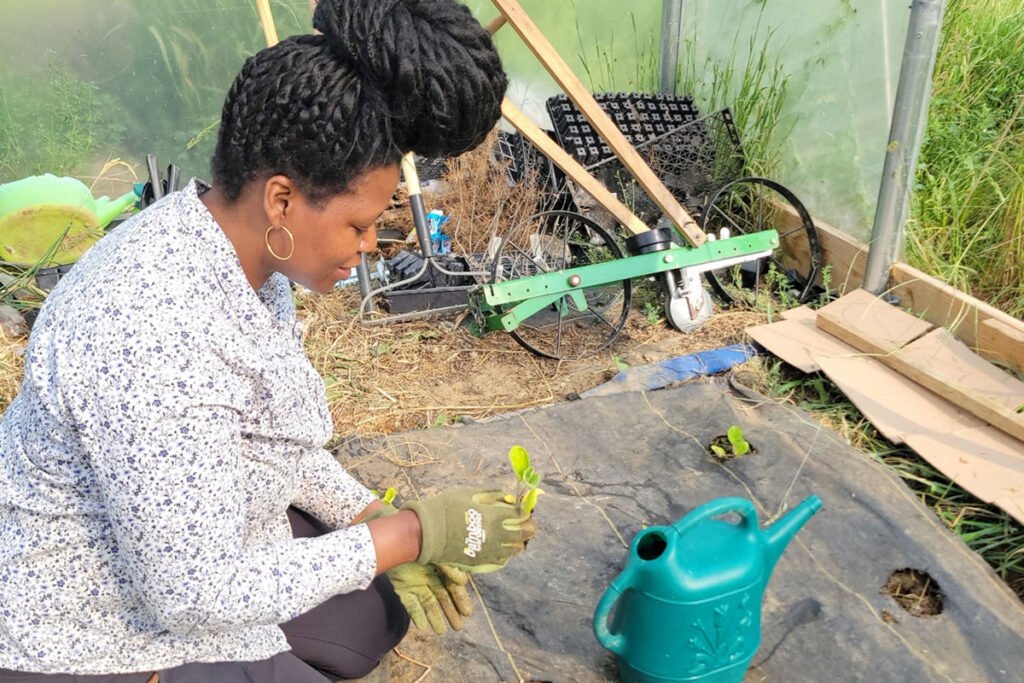
In the rolling landscape of Washington County, New York, 89 acres of fertile earth tell a story that stretches from the historic struggles of the Jim Crow South to the urban food deserts of 1990s Bronx. This is the home of Black Yard Farm, a burgeoning agricultural cooperative that is doing much more than producing 43 varieties of vegetables; it is serving as a living laboratory for economic restoration and community-centered land stewardship.
Founded by Ashanti Williams, the farm represents a defiance of historical trends that have systematically barred Black farmers from land ownership and capital. As the agricultural sector faces a precarious political climate—marked by the targeting of diversity, equity, and inclusion (DEI) initiatives—Black Yard Farm stands as a resilient model of what it means to reclaim land as both a history and a future.
The Architecture of Black Yard Farm: A New Cooperative Model
At its core, Black Yard Farm is not merely an individual enterprise; it is designed as a producer cooperative. The vision is to create an ecosystem where various agricultural and farm-adjacent businesses operate under a single, shared infrastructure.
The property currently hosts a diverse array of life: 48 chickens (with hundreds raised annually), a pig named Pedro, 11 cats, a turkey, and plans for the integration of sheep and goats. However, the true "crop" of Black Yard Farm is the collective economic power it aims to generate. By sharing the costs of land, equipment, and infrastructure, the project lowers the barrier to entry for Black farmers and entrepreneurs who have been historically marginalized from traditional lending markets.
The long-term vision includes a holistic ecosystem: maple syrup production, apiculture, mushroom cultivation, educational programming, and a farm-to-table space for visiting chefs. Crucially, Williams envisions on-site housing for cooperative members, ensuring that the farm serves as a home as well as a workplace.
A Chronology of Growth: From The Bronx to Washington County
The roots of Black Yard Farm were planted long before the first shovel hit the dirt in Washington County.
- The 1990s (The Foundation): Ashanti Williams’ agricultural journey began at Taqwa Community Farm in The Bronx. Founded by her grandfather, Abu Talib, and other local residents on a city-owned vacant lot, the farm was a direct response to food insecurity. By age 11, Williams was deeply involved, helping to manage a youth-run farmers market. This early exposure to the power of community-led food systems provided the ideological blueprint for her future work.
- 2020 (The Inception): Black Yard Farm was launched as a collaborative effort between six individuals. The early days were fraught with the common challenges of cooperative startups: lease instability and navigating complex team dynamics.
- The Relocation (The Turning Point): Recognizing that the original site could not sustain the mission, the team pivoted to Washington County. Williams secured a favorable lease with landowners who were eager to convert residential property back into active, productive farmland.
- 2025–2026 (The Current Horizon): With an option to purchase the land in the coming spring, the farm is at a critical juncture. The goal is to transition from a tenant-run project to a collectively owned asset, cementing its place as a permanent fixture in the region’s agricultural landscape.
Supporting Data: The Racial Wealth Gap and Agricultural Disparity
To understand the necessity of Black Yard Farm, one must look at the broader economic landscape. According to the United States Department of Agriculture (USDA) Census of Agriculture, Black-operated farms make up less than 2% of the nation’s total farms—a direct result of decades of discriminatory lending and land dispossession policies.
The economic reality is stark. As noted in Mehrsa Baradaran’s The Color of Money: Black Banks and The Racial Wealth Gap, the foundation of American economic dominance was built on the forced labor of enslaved Black people in cotton production. While the nation prospered, the laborers themselves were treated as "liquid assets" and denied the fruits of their labor.
When slavery ended, the "loss of capital" experienced by white slaveholders was, in many cases, legally mitigated by compensation, while the formerly enslaved were left with nothing. This was followed by the Jim Crow era, which systematically prevented Black farmers from accessing the credit, technical assistance, and land titles necessary to build intergenerational wealth.
Today, this history manifests as a profound land ownership gap. Federal programs intended to support underserved farmers—such as those administered through the USDA—often remain difficult to navigate. Small-scale farmers, particularly those of color, face significant bureaucratic hurdles, including complex terminology, rigorous application requirements, and an increasing climate of political scrutiny regarding equity-focused programming.
Official Responses and the Policy Climate
The "Voices from the Land" project, a collaborative initiative between Farm School NYC and The New Harvest Project, seeks to highlight the policy barriers that hinder farmers like Williams. Funded by the Regenerative Agriculture Foundation through the Rural Advancement Foundation International (RAFI-USA), the project aims to bridge the gap between grassroots farmers and the legislative bodies that shape their future.
However, the current political climate poses unique challenges. Williams has expressed concern regarding the "discomfort" of identifying Black Yard Farm as a "Black-led and centered" business in grant applications. As DEI initiatives face legislative and institutional rollbacks, many organizations and farmers fear that emphasizing racial equity may invite political retribution or disqualify them from federal funding streams that are vital for survival.
"I worry about the discomfort of identifying as a Black-led and centered business," Williams notes. This chilling effect on social justice-oriented agriculture is a major concern for the future of rural development, as it forces farmers to choose between honesty about their mission and the financial survival of their operations.
Implications: The Radical Future of Restorative Agriculture
The implications of Black Yard Farm’s success—or failure—extend far beyond Washington County. If the United States is to address the systemic inequalities embedded in its food system, it must move toward a model of restorative agriculture that centers the very people who were historically exploited to build the current system.
- Reparations as a Practical Tool: For Williams, reparations are not just an abstract concept; they are a necessary corrective. Providing equitable access to land and capital is a form of economic justice that acknowledges the debt owed to those who built the American agricultural engine without profit or autonomy.
- The Cooperative Imperative: The success of Black Yard Farm highlights the power of the producer cooperative model. By decoupling the necessity of land ownership from the burden of individual capital, the model allows for a more resilient, sustainable form of farming that centers people over pure profit extraction.
- Legislative Advocacy: The work being done by the "Voices from the Land" project underscores the urgent need for policy reform. This includes simplifying the language of federal grant applications, ensuring that equity-focused programs are protected from political targeting, and creating pathways for land transfer that prioritize small-scale, community-oriented farmers.
Conclusion
As Black Yard Farm prepares for the next phase of its evolution, it remains a beacon of what is possible when land is treated as a shared resource rather than a speculative asset. Williams’ journey from a youth-run market in The Bronx to the steward of 89 acres in upstate New York is a testament to the enduring power of community, lineage, and the land itself.
In a capitalist society, the idea that a farm should prioritize the well-being of its participants and the health of the earth over market dominance is considered radical. Yet, as the climate crisis intensifies and social inequality widens, it is becoming increasingly clear that the "radical" approach is the only one that is sustainable in the long term. Black Yard Farm is not just growing food; it is growing the future, one acre at a time.