A Pilgrimage for Human Dignity: Walking 96 Miles to Confront the Crisis of Immigrant Detention
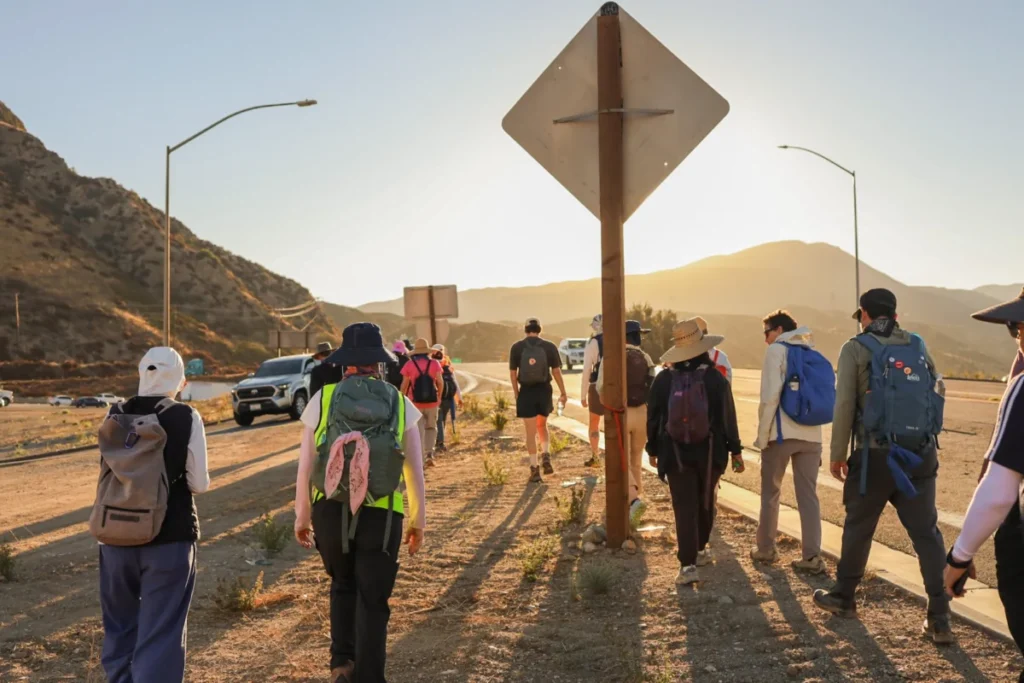
For many, the desert landscape between Adelanto and Los Angeles is a backdrop for Southern California’s sprawling infrastructure. For Cristiana, however, that two-hour stretch of highway is a road paved with memory and trauma. In the mid-2000s, she made that drive repeatedly, her young daughters in the backseat, hoping to provide them with a fleeting glimpse of their father—a Mexican migrant detained in the sprawling ICE facility complex in Adelanto. He would eventually be deported, leaving behind a family fractured by the machinery of federal immigration policy.
In late September, Cristiana returned to those gates—not as a visitor, but as a pilgrim. She joined a coalition of faith leaders, migrant justice organizers, and community members to embark on an arduous 96-mile trek, the "Clear the Road to Freedom" Interfaith Pilgrimage. For eight days, they navigated desert heat, mountain terrain, and urban congestion, culminating in a final, powerful demonstration at the Metropolitan Detention Center in downtown Los Angeles. Their journey was more than a walk; it was a profound theological and political indictment of a system that they argue has dehumanized the most vulnerable among us.
The Reality of Detention: A System Under Fire
The Adelanto detention complex is a site of immense controversy. Currently holding over 2,000 individuals, the facility has become a lightning rod for human rights advocates who point to a pattern of systemic neglect. Investigations by the California Attorney General’s office and advocacy groups like Disability Rights California have repeatedly cited the facility for inhumane conditions, ranging from substandard sanitation to the systemic denial of critical medical care.
The human cost of these policies is not abstract; it is measured in lives lost. In the past year alone, at least two individuals have died while in custody at Adelanto. In October 2025, 54-year-old Gabriel García-Avilés died of cardiac arrest just days after his arrival. More recently, 39-year-old Ismael Ayala-Uribe, a former DACA recipient, died after staff allegedly failed to provide timely medical intervention for a life-threatening abscess. These deaths have fueled local outrage and spurred the current wave of activism.
A Chronology of the Pilgrimage
The "Clear the Road to Freedom" pilgrimage was carefully structured to emphasize both the spiritual and physical weight of the immigrant experience.
- September 26: The journey began at the Adelanto ICE Processing Center. A core group of over a dozen organizers launched the 96-mile trek. The starting point served as a symbolic recognition of the thousands of families separated by the facility’s walls.
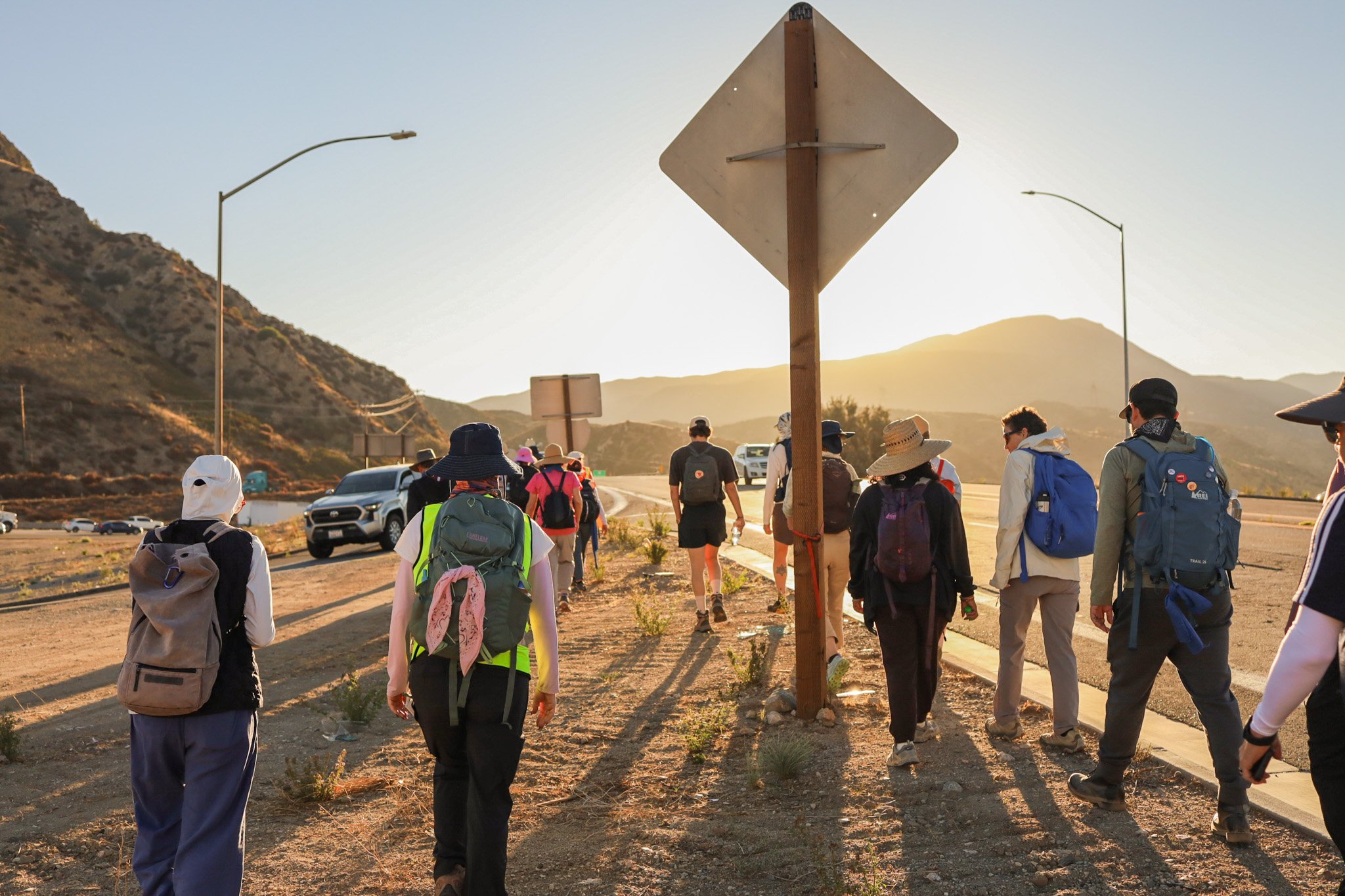
- Days 2–7: The pilgrims traversed the diverse Southern California landscape. Despite record-breaking heat waves that scorched the region, the walkers—donning hiking gear and sun protection—continued through forests, mountains, and suburban sprawl. Each evening, the group was hosted by local houses of worship, where meals, prayers, and stories of those currently detained provided the emotional fuel to continue.
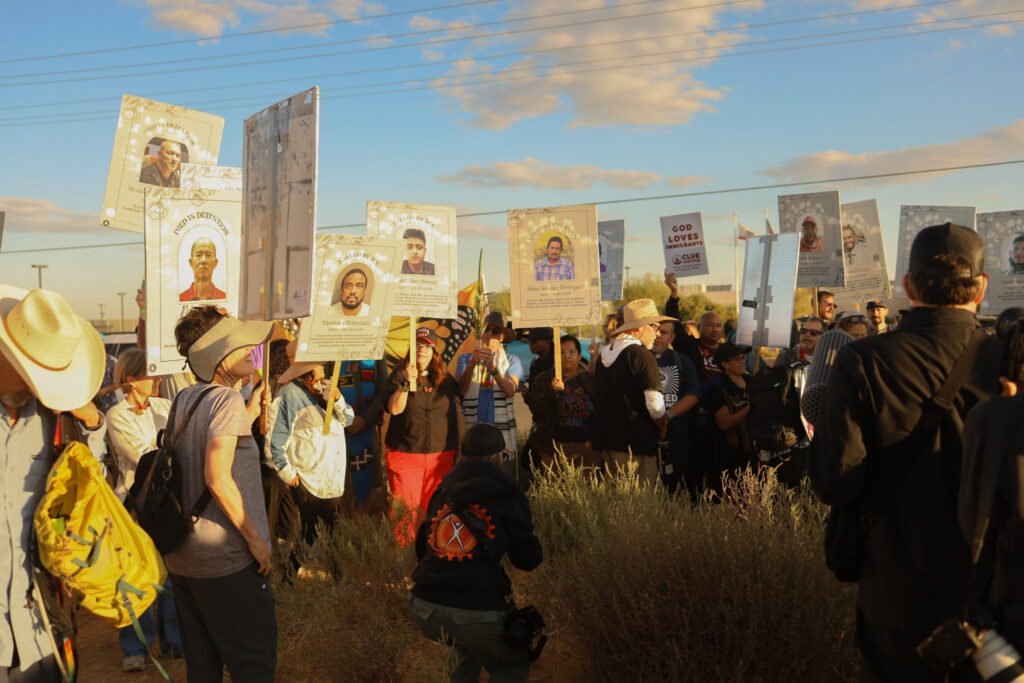
- October 3 (The Final Day): The pilgrimage entered its final phase in Alhambra, joined by approximately 200 supporters. As they neared the Metropolitan Detention Center in downtown Los Angeles, they were met with supportive honks from passing cars and crowds of schoolchildren watching the procession. The event concluded with a solemn vigil at Plaza de la Raza, where activists prayed for those who have been "disappeared" into the detention system.
Data and Disparity: The Scale of the Crisis
The pilgrimage was organized to highlight the ballooning scale of immigrant detention across the United States. According to the Transactional Records Access Clearinghouse (TRAC) at Syracuse University, as of July 2026, more than 65,000 people were being held in ICE detention facilities nationwide. This figure reflects an aggressive escalation in enforcement. In January, the population reached a record high of 73,000.
California specifically remains a major hub for these operations. Data shows that eight detention centers across the state are currently holding over 6,400 migrants. For activists like Michelle Arkin of "No Concentration Camps California," the lack of public outcry regarding these numbers is "devastating." The coalition behind the walk, which includes CLUE Justice, Nefesh, and the Episcopal Diocese of Los Angeles, argues that these facilities are not merely administrative processing centers, but sites of profound human rights violations.
Faith as a Force for Resistance
A central theme of the pilgrimage was the reclaiming of religious narratives. In an era where Christian nationalism has become increasingly prominent in American politics, the participating clergy sought to use the Bible to argue for the protection of migrants, rather than their exclusion.
"Many spiritual traditions view pilgrimage as a sacred practice," said Jennifer Gutierrez, Executive Director of CLUE Justice. "It is typically to a sacred site, and the idea is that while you are physically traveling, you are also on a spiritual journey. This is our way of calling out where we have failed as a culture to follow God’s commands to care for our neighbor."
This sentiment was echoed by others on the trail. By carrying placards featuring the faces of those who have died in detention—including García-Avilés and Ayala-Uribe—the pilgrims sought to transform political statistics into personal, sacred memories. The act of walking was described by many participants as a form of "accompaniment," a theological concept involving standing alongside the oppressed to offer support and visibility.
Institutional Implications and Advocacy
The pilgrimage is part of a broader, national strategy of faith-based resistance. Over the past year, clergy members have been arrested in states across the country—from New Jersey to Vermont to Minnesota—while protesting ICE raids and detention conditions.
In Los Angeles, this activism has been particularly urgent since June 2025, when federal agents launched a series of aggressive raids that, according to community reports, resulted in the detention of over 1,300 people. Organizations like CLUE Justice have responded by expanding their infrastructure, creating immigration bond funds to help families secure the release of their loved ones and launching training programs for clergy to conduct regular visitation at detention centers.
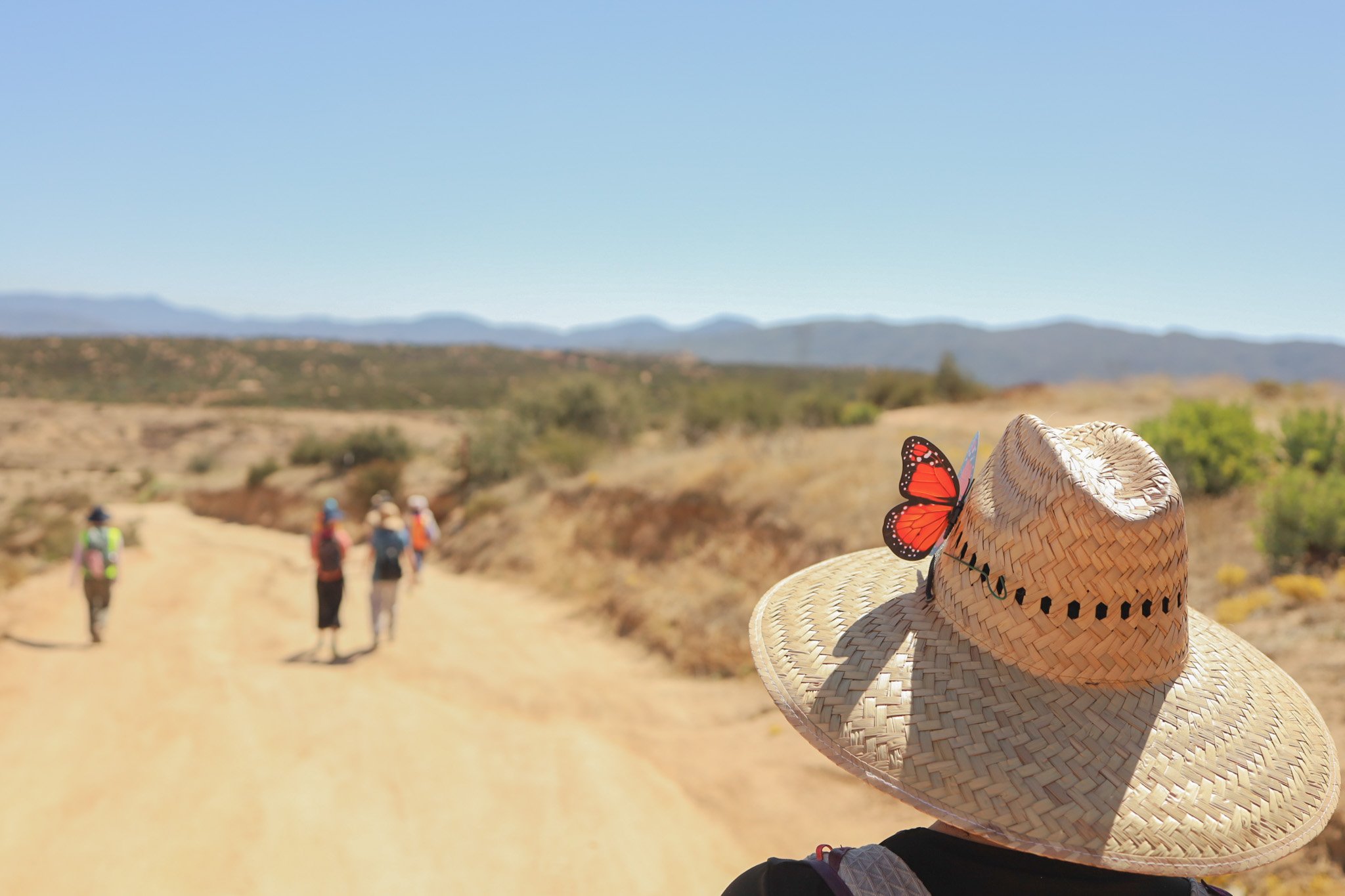
The goal of the "Clear the Road to Freedom" march was not merely to protest, but to educate and mobilize. By bringing the reality of the detention centers into the public eye—literally walking the miles that families have been forced to travel for decades—the organizers hoped to force a confrontation with the moral cost of current immigration policy.
Conclusion: A Path Toward Healing
For Cristiana, the 96-mile journey was an exercise in processing her own grief. She spoke of the pain of reliving the drives she took when her daughters were young, but also of the unexpected solace found in the communal act of walking. "Knowing that God is walking with me and holding me in his arms is a healing process," she said. "It warms my heart to know that people are stepping up and saying ‘enough.’"
As the pilgrimage concluded, the message to policymakers remained clear: the current trajectory of mass detention is not only unsustainable but deeply contrary to the values of dignity and compassion. By bridging the gap between the isolated detention centers of the desert and the urban centers of power, the pilgrims transformed a long, hot road into a path toward a potential shift in the national conversation.
The struggle to change these policies remains daunting, with political winds often shifting toward more restrictive measures. However, the success of the pilgrimage in bringing together diverse communities—Jewish, Christian, and secular—suggests that there is a growing, organized movement determined to hold the state accountable. For the families of those detained, and for the activists walking in their name, the long road to freedom is only just beginning.