The Hidden Realities of Rescue: A Candid Look at the Costs of Canine Companionship
For many families, the addition of a dog is synonymous with joy, companionship, and a sense of completeness. However, the reality of pet ownership—particularly when dealing with rescue animals—is often far more complex, emotionally taxing, and financially burdensome than the brochures suggest.
A recent, deeply personal account from the popular lifestyle blog Frugalwoods has sparked a widespread conversation about the often-overlooked challenges of integrating a dog into an active household. The story of "Gigi," a hound mix discovered in a state of distress, serves as both a cautionary tale and a poignant reflection on the limits of parental sacrifice, the unpredictability of animal behavior, and the difficult reality of rehoming a pet.

The Chronology of an Unexpected Arrival
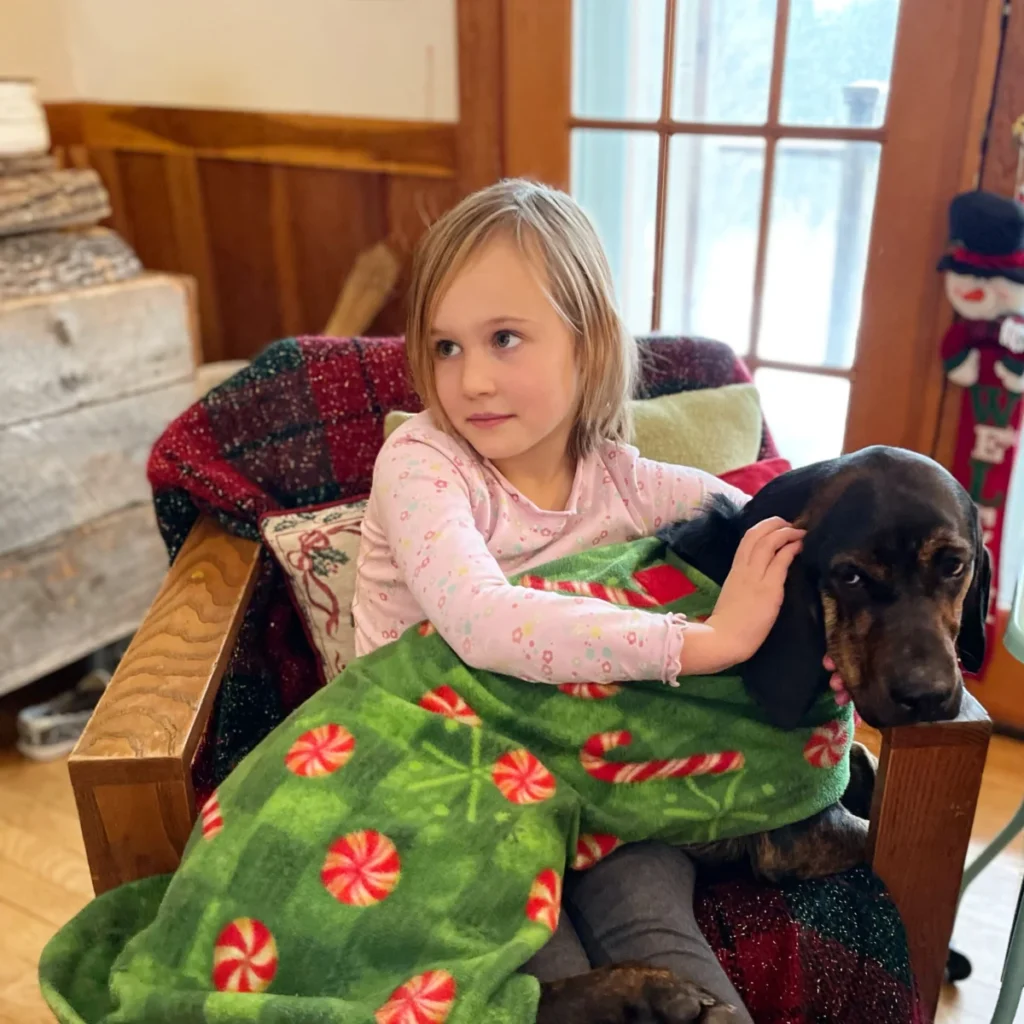
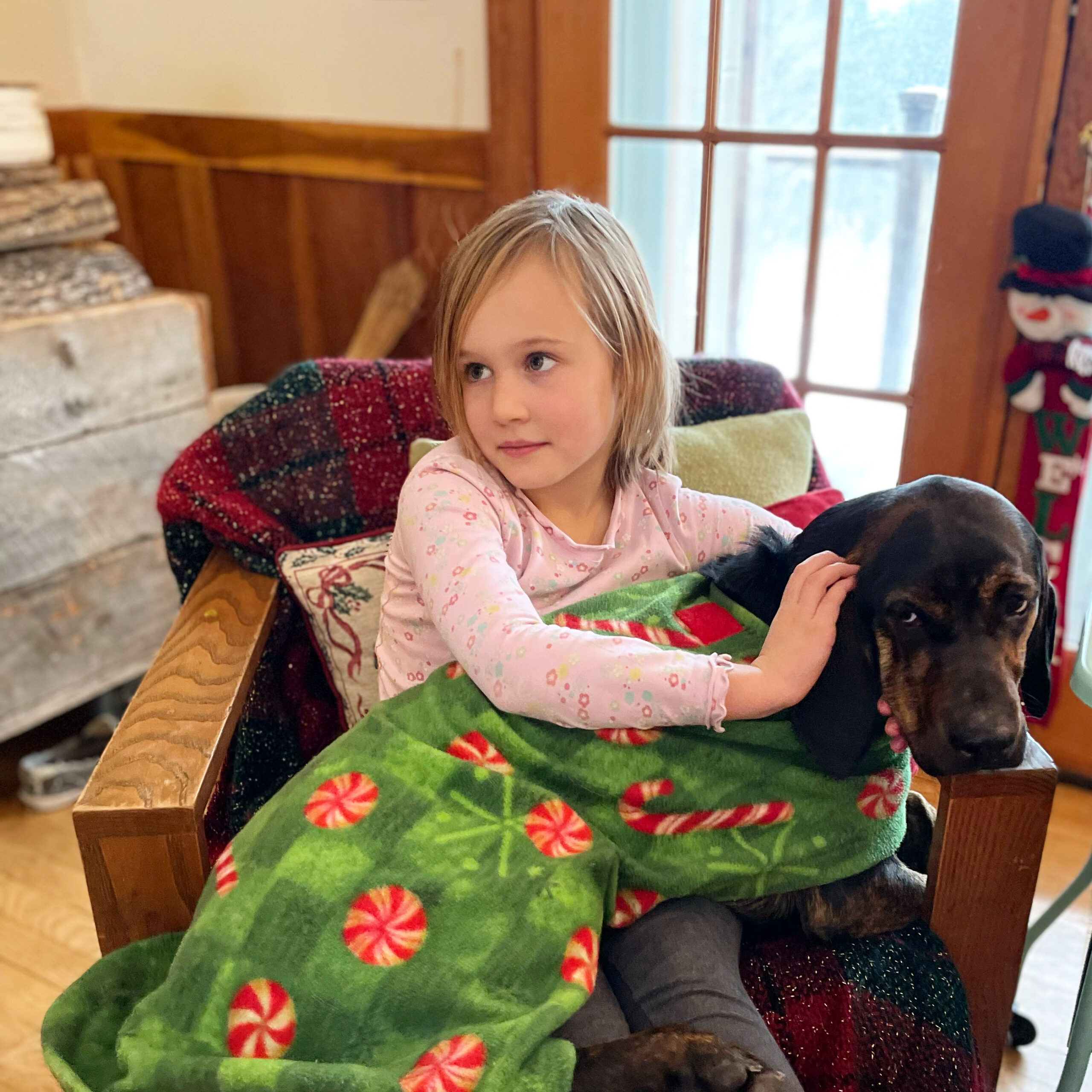
The saga began in late September 2022, when a stray dog appeared in the yard of a friend of the Frugalwoods family. The animal was found in a concerning state: emaciated, covered in lacerations, and lacking any form of identification. After exhaustive efforts to locate a potential owner—including checking for a microchip and circulating photographs—the family concluded that the dog, whom they named "Gigi," was likely a discarded hunting dog that had become separated from its pack.
Recognizing the urgent need for a home and wanting to prevent the dog from entering the shelter system, the family officially brought Gigi into their home on October 3, 2022. For a brief period, the transition seemed successful. Gigi was affectionate with the children and demonstrated a calm demeanor while her new owners were present. However, a significant, non-negotiable behavioral hurdle quickly emerged: Gigi suffered from severe separation anxiety that rendered her unable to be left alone, even for a matter of minutes.
The "Cannot-Be-Left-Alone" Crisis
Despite a history of successful crate training with previous pets, the family found that their tried-and-true methods failed with Gigi. Every departure, regardless of duration, triggered a profound panic response. The dog, who was otherwise well-adjusted, would exhibit signs of extreme distress, resulting in an inability to remain in her crate without experiencing accidents and pacing.
The family’s attempt to resolve the issue was methodical, spanning behavioral, technological, and medical interventions:

- Behavioral Modification: They engaged a professional trainer, following a rigid regimen of desensitization. Despite consistent effort, the progress plateaued at a five-minute threshold.
- Technological Monitoring: The family invested in surveillance cameras and remote treat-dispensing devices to observe and reward calm behavior, yet the panic persisted.
- Veterinary Intervention: A series of consultations led to the prescription of various anti-anxiety medications, sedatives, and tranquilizers, all of which proved ineffective.
After four months of exhaustion, the family arrived at an impossible crossroads. The reality of their lifestyle—which required the flexibility to attend school events, church services, and outdoor activities—clashed with the constant demand of a dog that required 24/7 supervision. Faced with the choice of permanently isolating one parent to stay home or subjecting the dog to a recurring cycle of panic, the family made the heart-wrenching decision to rehome Gigi.
Supporting Data: The Financial Toll of Pet Ownership
While the emotional cost of the experience was high, the financial data revealed in the Frugalwoods report offers a sobering look at the "hidden" expenses of pet rescue. Over a period of just four months, the family spent a total of $2,373.25 in their attempts to provide a stable home for Gigi.

The breakdown of these costs illustrates the high price of rehabilitation:
- Medical & Veterinary: Over $1,100 was spent on initial intake (vaccinations, microchipping, de-worming) and subsequent specialty visits for anxiety management and medications.
- Rescue & Adoption Support: $600 was donated to the rescue organization to cover the costs associated with the transition.
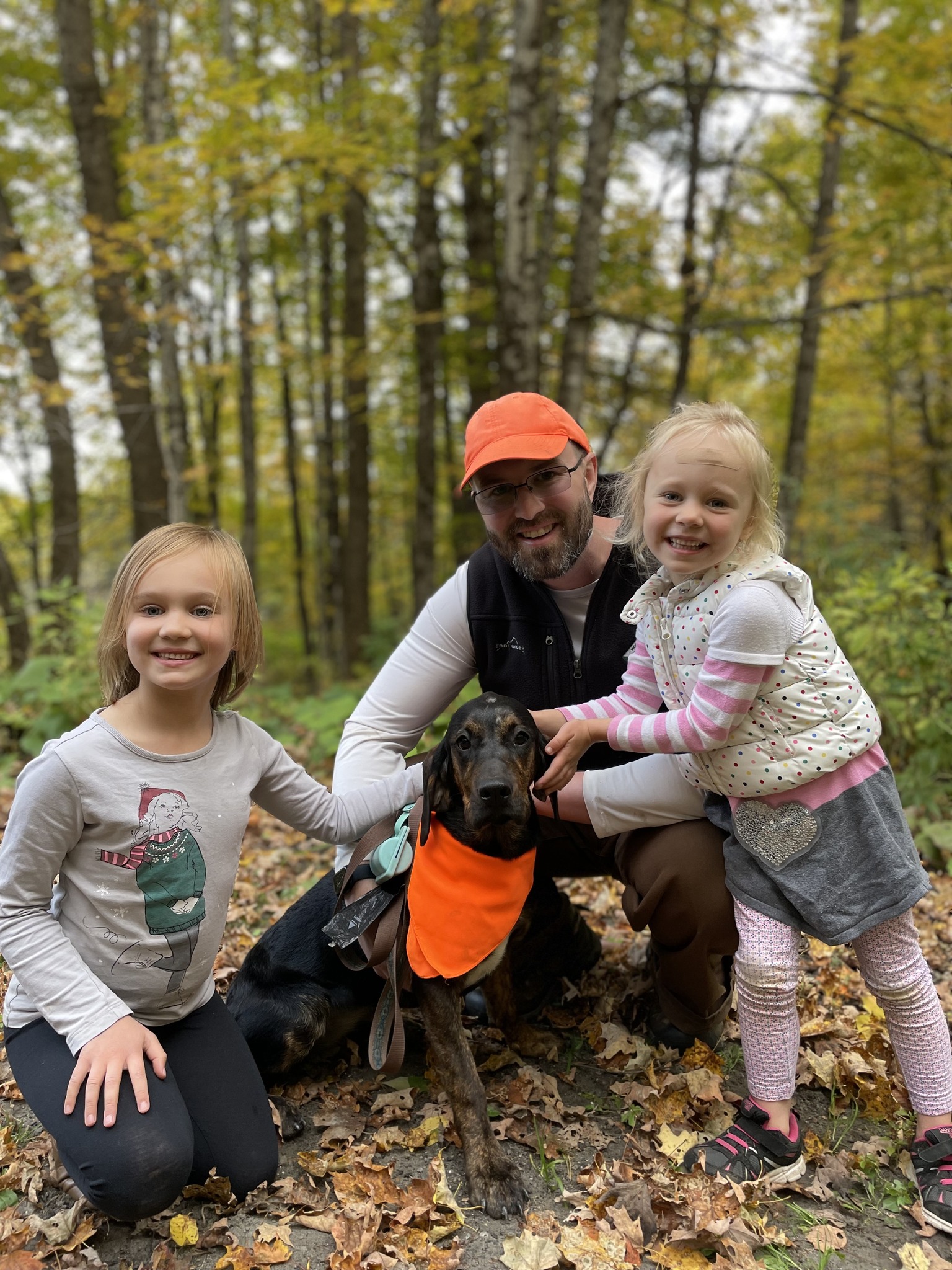
- Equipment & Training: Investments included $150 for professional training, $128 for surveillance and treat-dispensing technology, and over $350 in specialized gear, including crates, KONG toys, snow boots, and high-visibility safety vests.
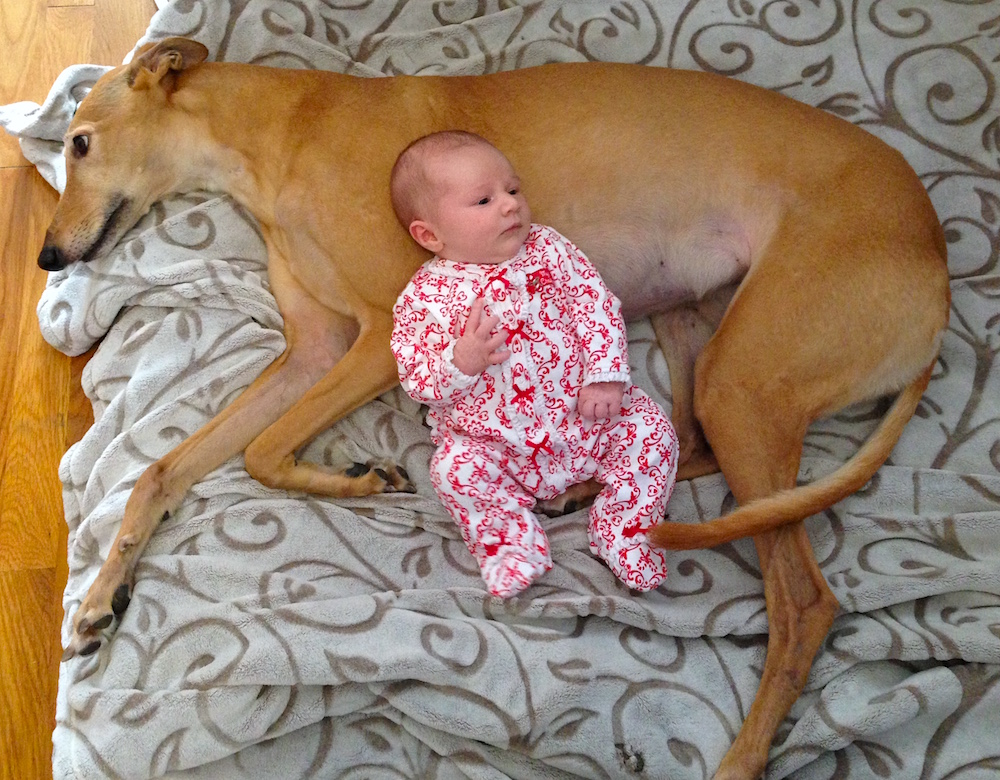
This total stands in stark contrast to the estimated $930 annual cost of their previous dog, a greyhound named Gracie. The data highlights that, much like raising children, the costs of pet ownership can fluctuate wildly based on the unique needs of the animal, making financial preparedness a critical component of responsible adoption.
Implications for Future Pet Owners
The aftermath of the Gigi experience has forced the Frugalwoods family to re-evaluate their relationship with pet ownership. Currently, they have decided against bringing another dog into their home, prioritizing the freedom and flexibility of their children’s formative years.
This decision carries several key implications for prospective adopters:

- The "Rescue" Paradox: While adopting a shelter animal is a noble pursuit, potential owners must recognize that rescue animals often carry behavioral "baggage" from their past. Without full disclosure of an animal’s history, families may be ill-equipped to handle trauma-induced responses.
- Lifestyle Alignment: The experience serves as a reminder that a dog’s needs must be compatible with the family’s existing rhythm. Attempting to force a lifestyle change to accommodate a pet can create undue stress for both the humans and the animal.
- The "Dog-Aunt" Alternative: The family has found a sustainable middle ground by serving as temporary foster-sitters for friends. This allows them to experience the joy of canine companionship without the permanent, high-pressure constraints of full-time ownership.
Official Perspective and Reflection
In their final assessment, the family emphasizes that they do not regret the love or the money invested. Gigi was eventually placed with a new family that includes other dogs, and she is reportedly thriving in that environment, confirming the theory that she required the structure of a canine pack to feel secure.
However, the authors remain candid about the lingering feelings of inadequacy. The "failure" of the arrangement was not due to a lack of effort or resources, but rather a fundamental mismatch in needs. By sharing these details, the Frugalwoods account provides a necessary counter-narrative to the "happily ever after" stories often associated with pet rescue. It underscores the importance of humility in parenting and pet ownership, acknowledging that sometimes, despite one’s best intentions, the most loving decision is to recognize one’s limits and let go.
A Note on Current Events: The Vermont Floods
In a related update regarding their home life, the family reported that they remained safe during the recent catastrophic flooding in Vermont. While the residence was spared, the family’s quarter-mile driveway sustained significant damage. This serves as a final, poignant reminder of the "unexpected expenses" that characterize modern life, whether they come in the form of a pet’s behavioral needs or the unpredictable forces of nature. The family continues to navigate these challenges with the same transparency and pragmatism that has become a hallmark of their platform.