World Bank Appoints BNP Paribas Executive David Vaillant as Chief Financial Officer Amid Strategic Shift Toward Private Capital
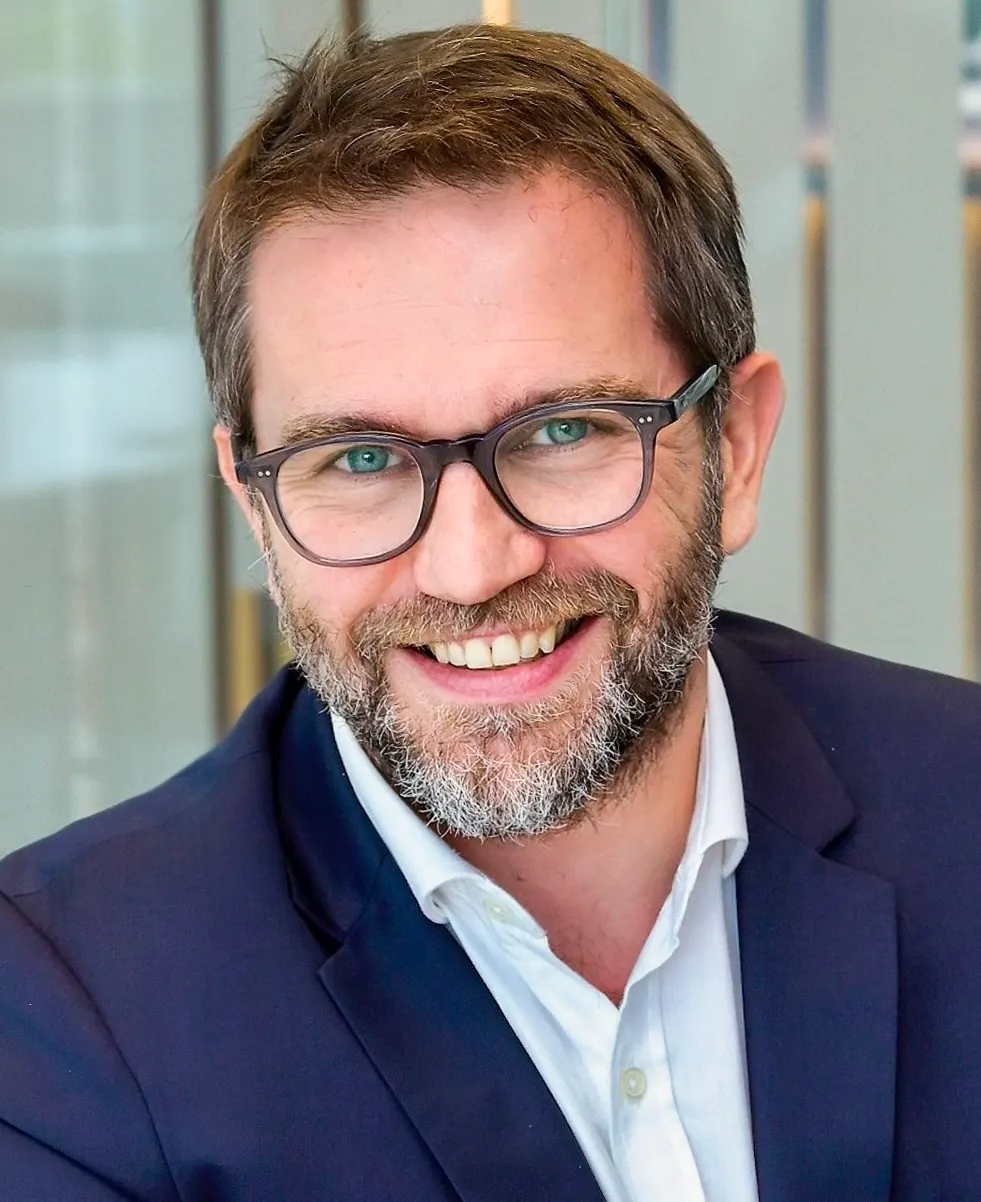
WASHINGTON, D.C. — In a high-profile leadership transition slated for next month, the World Bank Group has announced the appointment of seasoned financial executive and attorney David Vaillant as its new Chief Financial Officer. Vaillant transitions to the Washington, D.C.-based international development organization after a nearly two-decade tenure with French banking giant BNP Paribas, where he most recently served as the global head of finance, strategy, and participations for BNP Paribas Asset Management.
Vaillant steps into the organization’s pivotal finance seat at a critical juncture in its history. As traditional donor nations grapple with mounting domestic budget constraints and sovereign debt burdens climb globally, the World Bank is actively re-engineering how it funds its core developmental mandates. Moving beyond traditional donor-backed funding models, Vaillant will be tasked with spearheading the institution’s aggressive push to mobilize private capital, drive massive bond issuances, and navigate a complex geopolitical and macroeconomic landscape.
Main Facts
The transition brings a veteran financial strategist into the heart of global development finance. David Vaillant’s appointment was formally announced following a rigorous search to fill the World Bank’s top financial post.

- The Incoming CFO: David Vaillant, a trained attorney with an extensive background in corporate finance, asset management, and strategic oversight, leaves BNP Paribas after nearly twenty years.
- The Institution: The World Bank Group, headquartered in Washington, D.C., is a vital international cooperative comprising 189 member countries. Its dual goals are ending extreme poverty and promoting shared prosperity on a livable planet.
- The Core Challenge: Vaillant inherits an institution that is actively pivoting its funding architecture. With traditional public donor contributions tightening, the bank is increasingly courting private investors, institutional funds, and innovative financial vehicles to bridge a massive multi-billion-dollar development financing gap.
- The Scope of the Role: As CFO, Vaillant will manage traditional financial responsibilities—including global treasury operations, risk management, and financial reporting—while directly leading the bank’s capital-raising operations, which saw nearly $82 billion raised through bond issuances in fiscal year 2026 alone.
Chronology: From Corporate Law to Global Development
Vaillant’s career trajectory bridges top-tier legal practice, European banking leadership, and now, multilateral institutional finance.
- Early Career: Vaillant began his professional journey in the legal sector, working as an attorney at the prominent law firm Skadden, Arps, Slate, Meagher & Flom, where he gained foundational expertise in corporate law, cross-border transactions, and regulatory compliance.
- 2007: Vaillant joined BNP Paribas, one of Europe’s largest financial institutions, stepping into the role of Vice President of Corporate Finance. This marked his entry into high-level banking operations, strategic advisory, and capital market transactions.
- The 2010s: Over the course of the decade, Vaillant ascended through a series of senior executive positions within the BNP Paribas corporate structure. His roles spanned corporate strategy, internal participations, and operational restructuring, earning him a reputation as a steady hand capable of navigating volatile regulatory and market environments.
- Recent Years: Prior to accepting the World Bank appointment, Vaillant served as the global head of finance, strategy, and participations for BNP Paribas Asset Management, overseeing complex financial portfolios and global strategic initiatives.
- October 2026: The World Bank publicly announces Vaillant’s appointment, scheduling him to take the helm of the institution’s finance division the following month.
Supporting Data and Financial Realities
The mechanics of the World Bank’s financial engine require balancing rigorous risk management with aggressive capital mobilization. Under Vaillant’s leadership, the scale of operations will be immense.
- $82 Billion in Fiscal 2026: According to World Bank disclosures, the institution’s bond issuance program successfully raised nearly $82 billion during the 2026 fiscal year, highlighting its premier status as a AAA-rated issuer in international capital markets.
- The Private Capital Imperative: Recent reporting by The New York Times underscores that donor nations are facing unprecedented domestic budget pressures, forcing development banks to look beyond state coffers. The World Bank has made private capital mobilization a cornerstone of its modern strategy to fund infrastructure, climate resilience, and poverty-reduction projects in emerging markets.
- The Climate Financing Shift: In June 2026, the World Bank made headlines by sunsetting a targeted goal to commit 45% of its annual financing to projects with explicit climate benefits. As reported by ESG Dive, the decision came following intense pressure from the U.S. administration to re-evaluate climate lending metrics, illustrating the delicate political balancing act that the bank—and its CFO—must manage.
Official Responses and Perspectives
The appointment has drawn widespread commentary from both institutional leadership and Vaillant himself, emphasizing the unique position the World Bank occupies at the intersection of public policy and private investment.

In a public statement shared via LinkedIn shortly after the announcement, Vaillant expressed profound enthusiasm for taking on the role, noting that the organization’s mission to eradicate extreme poverty and foster shared prosperity is inextricably linked to global ecological health.
"The World Bank Group sits at a junction very few institutions occupy," Vaillant wrote. "It can convene governments, investors, and development partners across emerging and developed markets at the same time, and channel funding toward development objectives while holding to the risk discipline that underpins its standing in the capital markets."
Observors within the international banking community have praised the selection of an executive with deep asset management and corporate finance roots. By recruiting from a global systemically important bank (G-SIB) like BNP Paribas, the World Bank signals its intent to speak the language of institutional investors, pension funds, and sovereign wealth managers who control trillions of dollars in private capital.

Implications for the Future of Development Finance
David Vaillant’s tenure as CFO will carry significant implications for how global development projects are financed, structured, and executed over the coming decade.
1. Reshaping the Funding Model
The traditional model of relying primarily on capital contributions from wealthy member states is no longer sufficient to meet the scale of modern global crises, ranging from post-pandemic economic recovery to debt distress in developing nations. Vaillant’s deep familiarity with asset management and private equity positioning will be instrumental in designing new blended-finance vehicles, guarantees, and co-investment structures that minimize risk for private actors while maximizing developmental impact.
2. Navigating Geopolitical Headwinds
The World Bank does not operate in a vacuum. As demonstrated by recent policy shifts regarding climate financing targets under U.S. political pressure, the institution’s leadership must constantly calibrate its financial strategies to align with the shifting priorities of its largest shareholders. Vaillant will need to maintain the bank’s pristine AAA credit rating—which allows it to borrow cheaply on international markets—while satisfying divergent political demands from member governments.

3. Maintaining Market Confidence
As the face of the bank’s investor relations and bond issuance programs, Vaillant will be judged by his ability to maintain absolute confidence among global fixed-income investors. With tens of billions of dollars raised annually through its bond programs, any disruption in market perception could directly impact the bank’s lending capacity. His background in risk management and corporate finance will be vital in safeguarding the institution’s fiscal integrity.
As Vaillant steps into his new role next month, the international development community will be watching closely to see how effectively the veteran banker can channel private wealth toward the world’s most pressing public challenges.