The Missing Link in Climate Resilience: Why National Adaptation Plans Must Integrate Care Infrastructure
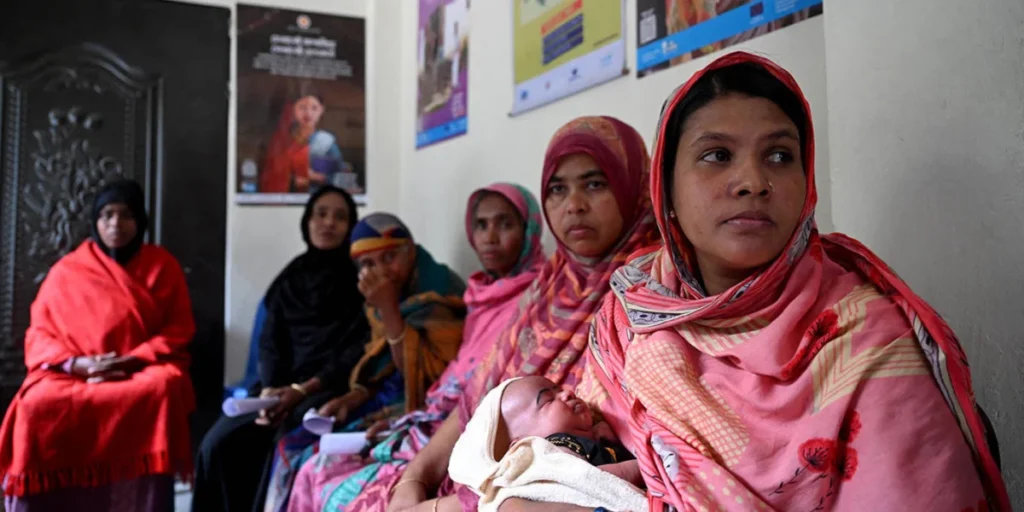
WASHINGTON, DC — As the international community prepares for the upcoming United Nations Climate Change Conference (COP31) in Turkey, governments face a mounting reckoning over the sluggish pace of global climate adaptation. Last year shattered historical climate records, cementing itself as one of the hottest periods in human history. Economies and vulnerable communities worldwide were repeatedly upended by extreme heatwaves, catastrophic heavy rainfall, and intensifying tropical cyclones.
Yet, as policymakers gather to refine global climate strategies, a critical blind spot continues to compromise resilience efforts: the near-total omission of care services from national adaptation plans and international funding estimates.
While conventional climate finance heavily prioritizes physical infrastructure—such as seawalls, drought-resistant agriculture, and water management systems—experts argue that overlooking human infrastructure, specifically formal and informal care ecosystems, leaves societies dangerously exposed to cascading health and economic crises.
1. Main Facts: The Invisible Vulnerability in Climate Planning
At its core, the climate crisis is also a care crisis. Climate shocks systematically disrupt the social safety nets and care services upon which millions of vulnerable people rely. When floods displace families, wildfires destroy communities, or extreme heat immobilizes populations, established care networks frequently collapse.
- The Scope of the Omission: Despite constituting the backbone of community survival during crises, long-term care for the elderly, disabled care, and early-childhood education are virtually absent from National Adaptation Plans (NAPs) and Nationally Determined Contributions (NDCs).
- The Sectoral Disparity: Traditional sectors—such as agriculture, forestry, fishing, water supply, and sanitation—command nearly 40% of global adaptation finance. In stark contrast, health receives an estimated 4% to 6%, education accounts for roughly 2%, and care services receive effectively zero dedicated adaptation funding.
- The Burden on Informal Caregivers: When formal care systems fail, the burden defaults onto unpaid family caregivers, an overwhelming majority of whom are women and girls. During prolonged climate emergencies, these caregivers face severe physical injury, psychological burnout, and forced exits from the formal labor market.
- The Economic and Health Cascade: The breakdown of care transforms localized climate hazards into widespread public health emergencies and macroeconomic shocks, triggering preventable hospitalizations and devastating household incomes.
2. Chronology: The Escalating Urgency of Climate-Driven Care Failures
The intersection of climate change and human vulnerability has evolved over decades from a silent hazard into an acute, visible global emergency.
- Pre-2015 (The Siloed Era): Climate adaptation frameworks were designed almost exclusively around structural engineering, environmental conservation, and disaster risk reduction. Social welfare, gender equity, and care economies were treated as entirely separate policy domains managed by distinct ministries.
- The 2020s (Mounting Casualties): As the frequency and intensity of extreme weather events accelerated, the limitations of purely structural adaptation became impossible to ignore. Consecutive years of record-breaking global temperatures exposed systemic flaws in how nations protect aging and vulnerable populations.
- Summer 2025 (The European Wake-Up Call): During a series of severe, back-to-back heatwaves across Europe, provisional estimates revealed at least 35,000 excess deaths. Despite possessing some of the world’s most advanced welfare states, the absence of climate-adapted physical infrastructure and coordinated emergency care services directly contributed to this staggering loss of life.
- The Road to COP31 (Present Day): With the UN Climate Change Conference (COP31) approaching in Turkey, policy researchers and economists are intensifying calls to pivot from high-level commitments to concrete implementation. A central demand of this movement is the formal integration of care systems into global adaptation finance frameworks and national development blueprints.
3. Supporting Data: The Numbers Behind the Care Gap
The argument for integrating care into climate adaptation is underpinned by significant financial, demographic, and epidemiological data.
+--------------------------------------------------------------------------+
|                       GLOBAL ADAPTATION FINANCE                          |
|                  (Share of Total Climate Adaptation Funds)               |
+--------------------------------------------------------------------------+
| Agriculture, Water, & Sanitation : [████████████████████] ~40%          |
| Health Sector                    : [██] ~4–6%                            |
| Education Sector                 : [█] ~2%                               |
| Care Services (Elderly/Child)    : [ ] Essentially 0%                    |
+--------------------------------------------------------------------------+- The Adaptation Financing Gap: The United Nations Environment Programme (UNEP) estimates that developing countries will require between $310 billion and $365 billion per year through 2035, leaving an active funding shortfall of roughly $280 billion.
- The Bangladesh Case Study: Recent economic modeling indicates that building a comprehensive, climate-resilient care infrastructure in Bangladesh would require capital investments equivalent to roughly 3% to 5% of the nation’s GDP. While substantial, this figure represents only a fraction of the estimated economic value of unpaid care work currently performed in the country.
- Employment Potential: Investing in early-childhood care and education (ECCE) alongside long-term care infrastructure could directly employ between 3.6 million and 7 million people in Bangladesh alone. Additional secondary employment would be generated across supply chains, food services, and the retrofitting of residential and childcare facilities.
- The Demographic Certainty: Unlike speculative investments, the demand for care services is demographically guaranteed. Aging global populations ensure that the need for long-term care will only accelerate in the coming decades.
4. Official Responses and Institutional Perspectives
As the policy debate widens, multilateral institutions, think tanks, and gender equality advocates are re-evaluating how adaptation finance is structured, disbursed, and monitored.
The Researchers’ View
Authors of recent economic working papers from major global policy institutions emphasize that current national adaptation plans suffer from a narrow sectoral bias. By focusing exclusively on conventional projects, institutions inadvertently allow care services to fall through the cracks. Researchers argue that investing in care infrastructure yields high returns on investment because it relies on established evidence bases—such as clear unit costs, proven staffing models, and predictable utilization outcomes—making risk assessments far easier for institutional financiers.
Multilateral Development Banks (MDBs)
MDBs and international climate funds have historically struggled to identify adaptation projects that are "investable"—meaning they possess clear implementation pathways and quantifiable risk metrics. Proponents of care-integrated adaptation suggest that formal care systems offer a ready-made pipeline for development capital. Because these investments generate substantial tax revenue through heightened employment and simultaneously lower long-term public expenditures on acute healthcare and social protection, they possess a self-financing mechanism that appeals to cautious lenders.
Gender and Human Rights Advocates
Organizations focused on gender equality, such as UN Women, have long campaigned for the recognition of the care economy. Official responses from these groups highlight that climate change acts as a "threat multiplier" for gender inequality. Without targeted investments to institutionalize and professionalize care, female workers will continue to bear the disproportionate brunt of climate-induced disruptions, sacrificing their education, careers, and financial independence to manage unpaid family care duties during crises.
5. Implications: Why Every Adaptation Dollar Must Work Harder
As global climate financing tightens and the frequency of extreme weather events accelerates, the margin for policy error narrows. The integration of care services into national adaptation strategies carries profound implications for economic stability, public health, and social equity.
Preventing Systemic Cascades
When a climate shock strikes, the immediate physical damage—such as a flooded neighborhood or a grid failure—is only the first wave of disruption. The secondary wave occurs when care structures collapse, preventing vulnerable individuals from evacuating, managing medical conditions, or accessing sustenance. Integrating care into resilience planning ensures that emergency response protocols account for populations that cannot self-preserve, thereby preventing localized emergencies from escalating into mass humanitarian crises.
Fiscal Relief for Public Budgets
Unmanaged climate crises place an unsustainable strain on public hospitals, emergency services, and social welfare programs. Proactive investments in climate-adapted care facilities and robust community care networks act as a bulwark against these pressures. By keeping populations healthy, supported, and safely housed during extreme weather events, governments can dramatically reduce the downstream costs of emergency healthcare and post-disaster recovery.
Unlocking the Full Potential of Climate Finance
Ultimately, transforming care into a recognized pillar of climate adaptation redefines what resilience looks like in the twenty-first century. It bridges the artificial divide between hard infrastructure and human development. As governments finalize their submissions and strategies ahead of COP31, acknowledging the economic and humanitarian necessity of care services will be essential to ensuring that global adaptation finance protects not just the land we inhabit, but the people who make our communities whole.