Lessons in Stewardship: How Modern Parents are Demystifying Money for the Next Generation

In an era defined by seamless digital transactions and the constant, algorithmic bombardment of consumer marketing, the traditional "piggy bank" lesson often feels like a relic of the past. However, for many parents, the challenge of teaching children about financial literacy has never been more relevant. Recently, at a Vermont county fair—a sprawling, sensory-rich environment that acts as a microcosm of modern consumerism—one family utilized the venue not just for recreation, but as a classroom for real-world money management.
By distinguishing between "needs" and "wants" and tying labor to reward, parents are attempting to demystify the adult financial world. This approach, which emphasizes personal accountability, debt avoidance, and the role of money as a neutral tool, offers a compelling framework for parents struggling to navigate the complexities of raising financially responsible children.
The Main Facts: Defining the Family Money Philosophy
The core of this pedagogical approach is a straightforward, albeit firm, "Family Money Philosophy." At its heart, the system is designed to remove ambiguity. Parents assume responsibility for the essential pillars of a child’s existence: shelter, healthcare, nutrition, education, and basic access to cultural experiences like museums or fairs.

Conversely, the children are granted agency over "discretionary spending." This includes supplementary treats, souvenirs at gift shops, and non-essential toys or books. By segregating these categories, the parents create a binary environment: the parents provide the foundation, but the child must provide the "extra." This ensures that when a child desires a souvenir or an additional snack, they are forced to weigh the cost against their own personal savings, effectively internalizing the opportunity cost of every purchase.
A Chronological Approach to Financial Education
Financial literacy cannot be taught in a single lecture; it must be scaffolded. The progression observed in this model follows a distinct developmental timeline:
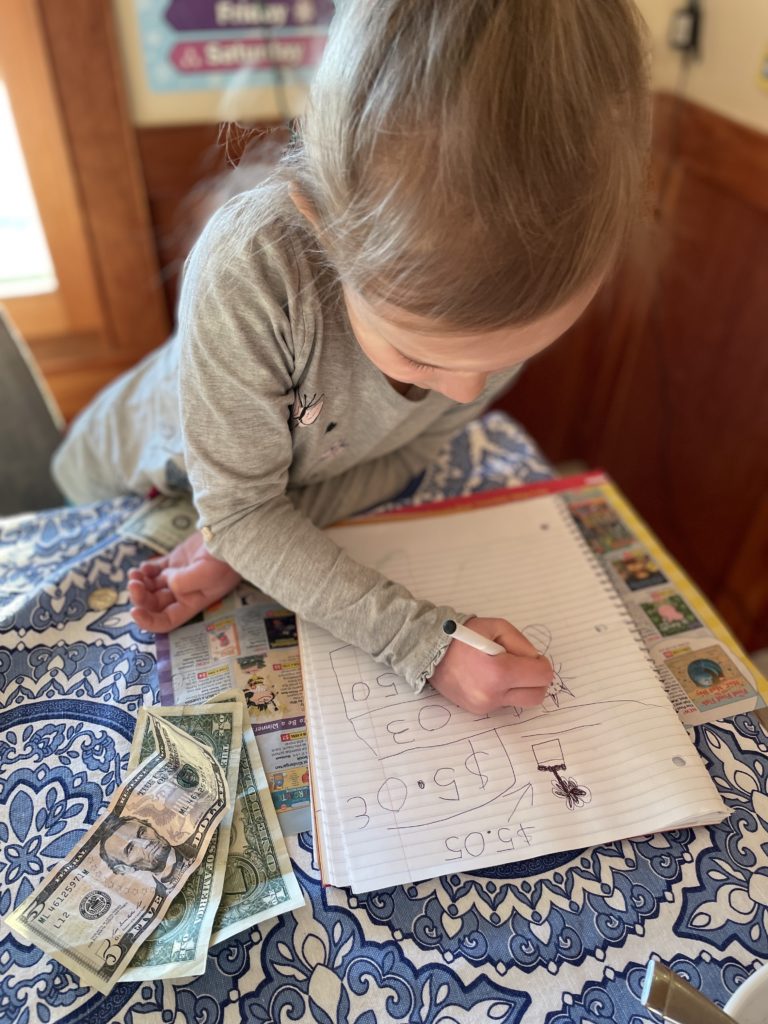
- Foundational Counting and Labor: Initial lessons focus on the tactile nature of money—recognizing denominations, understanding price tags, and, most importantly, linking money to work.
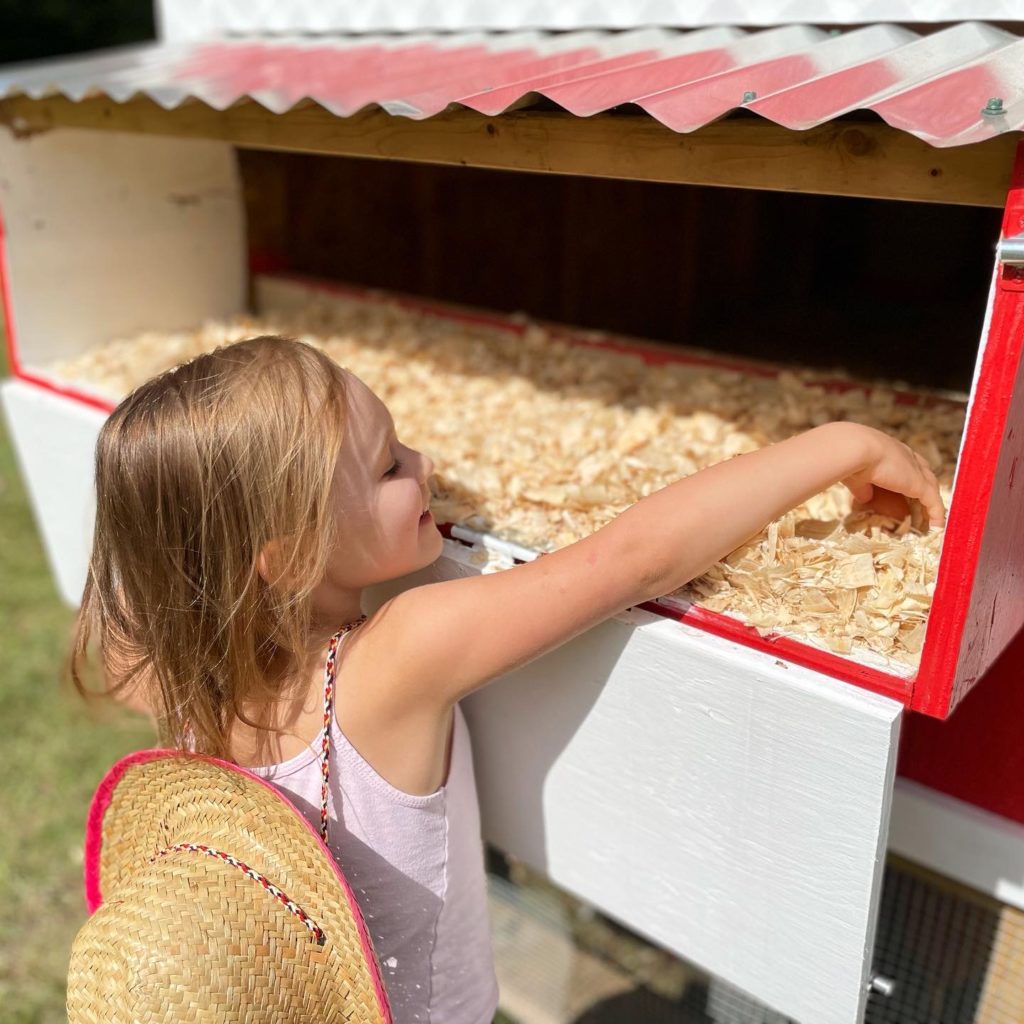
- The Chore-for-Compensation Model: Chores are categorized into two buckets: daily, unpaid "family contributions" (such as cleaning one’s room or feeding livestock) and paid "special projects" (such as deep-cleaning kitchen cabinets). This differentiates between the duties of communal living and the rewards of labor.
- The "Debt" Trial: When a child lacks the funds for a desired item, parents may opt to provide a loan. This introduces the concept of interest and, more importantly, the psychological burden of debt. By requiring the child to "work off" the balance, the child learns the visceral discomfort of spending future earnings.
- Real-World Application: The final stage involves the child managing their own funds in public settings—approaching cashiers, handling cash, and calculating change—transitioning from a passive observer to an active participant in the economy.
Supporting Data: The Power of Visceral Learning
The effectiveness of this model is best illustrated by a "debt incident" involving an inflatable unicorn. When a child was permitted to borrow $4 to cover the cost of a $13 item, the resulting experience—laboring for hours to pay back money already spent—left a lasting impression.

Psychological studies on childhood development often suggest that "experiential learning" is significantly more effective than abstract instruction. When a child realizes that chores are no longer "optional" because they are tied to a debt obligation, the link between work and consumption becomes concrete. Reports from the household indicate that this singular experience acted as a powerful deterrent; after the lesson was internalized, the children became notably more cautious with their spending and more diligent about planning for future purchases.
Official Perspectives: Demystifying the "Adult World"
From the parents’ perspective, the primary goal is the demystification of the economy. Many children view their parents as infinite sources of resources, unaware that a grocery haul or a vacation represents a finite amount of time spent in professional labor.
"Kids don’t go around thinking about the fact that adults are paid to do their jobs," the parents noted. By explicitly explaining that their professional meetings—though perceived by the children as "boring"—are the mechanism by which family needs are met, the parents remove the mystery. This transparency aims to strip away the anxiety or bias that often surrounds money. By framing money strictly as a "tool"—no different from exercise, sleep, or nutrition—they encourage children to view wealth not as a source of status or happiness, but as a resource for achieving life goals.
Implications: The Shift Toward Long-Term Financial Planning
The long-term implications of this pedagogical style are significant. By shifting from simple cash management to the introduction of interest-bearing accounts, the parents are preparing to move the children from "active" consumption to "passive" wealth building.
The proposal to open a "Bank of Parental Units" that pays interest serves as a bridge to the adult world of banking and investing. This transition acknowledges that while spending and counting are the building blocks of financial literacy, the ability to delay gratification through savings is the ultimate marker of financial maturity.
The Challenges of Implementation
Critics of this approach might argue that tying money to chores could potentially undermine a child’s sense of intrinsic motivation or communal responsibility. However, the family balances this by maintaining a clear distinction between "unpaid family work" and "paid labor." By ensuring that essential household contributions remain unpaid, they reinforce the idea that being part of a family entails duties that exist outside of the market economy.
Furthermore, the risk of "forgotten wallets" or lost money provides further lessons in organizational responsibility. When a child misplaces a hard-earned purse, the resulting panic and subsequent recovery (or loss) of funds serves as a high-stakes lesson in asset management that no classroom simulation could replicate.
Conclusion: Preparing for the Future
As the children grow, the complexity of these lessons will inevitably increase. What began with counting coins and collecting eggs is evolving into a comprehensive understanding of interest, debt, and the value of labor. By maintaining a professional and consistent approach to these "money conversations," parents are equipping their children with a toolkit that will prove invaluable as they enter the wider, more complex adult economy.
The ultimate success of this program will not be measured by how much money the children possess, but by their ability to navigate the world with a clear, rational, and anxiety-free understanding of the resources they command. Whether at a local county fair or in the halls of a future career, these early lessons in stewardship provide a firm foundation for a lifetime of financial health.