The Criminalization of Dissent: How Federal Conspiracy Charges Are Reshaping the American Civil Society Landscape
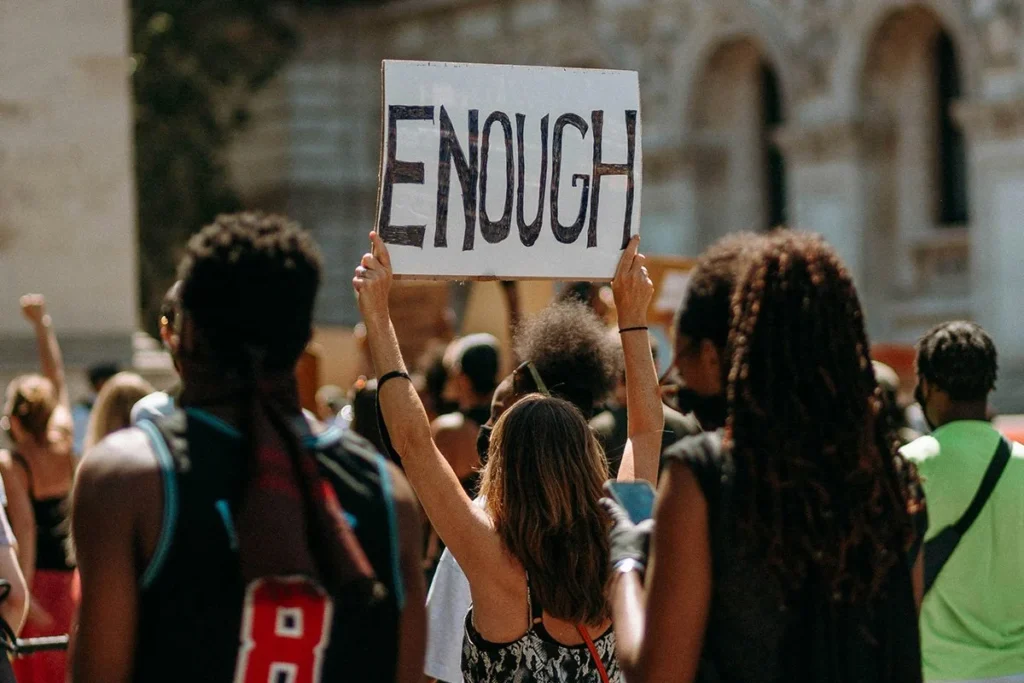
In an era defined by intense political polarization, the United States is witnessing a troubling transformation in how the federal government interacts with grassroots activism. A mounting campaign by the Trump administration to characterize nonviolent protest as "domestic terrorism" has moved beyond mere rhetoric, manifesting in a wave of federal conspiracy indictments. From Minneapolis to Los Angeles, the Department of Justice is increasingly utilizing broad prosecutorial powers to target the mechanisms of collective action, signaling a strategic attempt to chill civic engagement ahead of critical electoral cycles.
This trend, monitored closely by civil society watchdog Protect Democracy, suggests that the state is shifting its posture toward dissent: moving away from managing public order and toward the systemic dismantling of organized political opposition.
The Chronology of Escalation: From Oversight to Indictment
The current wave of legal pressure did not occur in a vacuum; it is the logical conclusion of a policy architecture established in late 2025. The linchpin of this strategy is the White House directive known as NSPM-7, which tasked federal agencies with "countering domestic terrorism and organized political violence." While framed as a national security measure, critics argue the directive has been weaponized to provide legal cover for the surveillance and prosecution of political opponents.
A Timeline of Recent Crackdowns
- September 2025: The White House issues NSPM-7, creating the mandate for heightened federal scrutiny of domestic political groups.
- May 2026: A wave of conspiracy indictments hits activists in Spokane, Chicago, and Los Angeles, establishing a pattern of using federal statutes to criminalize minor acts of civil disobedience.
- June 2026: Fifteen activists in Minneapolis are federally indicted for "conspiracy" to obstruct immigration enforcement. The charges carry potential sentences of up to five years, despite a total absence of violent acts or injuries to law enforcement personnel.
- August 2026: Evidence filed in court reveals that undercover federal agents infiltrated spaces traditionally protected by social norms and legal boundaries—including churches, libraries, and university classrooms—to monitor organizing efforts.
- September 2026: Court filings confirm that prosecutors presented a grand jury with a chart explicitly naming eighteen major organizations, including the AFL-CIO, as part of a broad "conspiracy" to undermine federal authority.
Supporting Data: Questioning the Narrative of "Criminality"
The Department of Justice often frames these prosecutions as necessary responses to threats against federal agents. However, a closer look at the data suggests a systemic pattern of government overreach and potential fabrication.
According to data analyzed by The New York Times, over 500 individuals were charged with assaulting immigration agents in the year leading up to summer 2026. Strikingly, nearly half of these charges were eventually dismissed, withdrawn, or resulted in acquittals. In numerous instances, video evidence contradicted official government accounts, revealing that federal agents initiated physical contact—employing pepper spray or physical force—against peaceful demonstrators who were later forced to claim self-defense.
Furthermore, the legal strategy of using "conspiracy" charges serves a specific, chilling purpose. By framing speech, digital communication (such as Signal chats), and organizational meetings as the components of a criminal enterprise, the government effectively bypasses the First Amendment protections usually afforded to assembly and protest. Prosecutors are essentially arguing that the act of planning a protest, if it involves any disruption of government function, constitutes a federal crime—a move that has prompted internal dissent within the legal community, including the resignation of federal prosecutors in Spokane who refused to participate in the litigation.
Official Responses and Judicial Rebukes
The government’s conduct has not gone unnoticed by the judiciary. Judges have repeatedly admonished the Department of Justice for misrepresenting facts and withholding exculpatory evidence. In several high-profile cases, evidence of government misconduct—including the deliberate destruction of photos and communication records by federal agents—has led to the outright dismissal of cases.
The "Broadview 6" case in Chicago serves as a salient example of this trend. After defense counsel exposed clear prosecutorial misconduct during grand jury proceedings, the government was forced to abandon the prosecution entirely. These failures illustrate that the administration’s strategy is not built on a foundation of robust, criminal-law enforcement, but rather on the strategic use of the court system to exhaust, isolate, and intimidate political opponents.
Implications for the Future of Civil Society
The broader implications of these actions extend far beyond the defendants themselves. By creating a climate where "guilt by association" is the norm, the administration hopes to atomize the American left and center-left. If a student group or a community organization believes that attending a meeting could lead to a federal investigation, the chilling effect is immediate.
1. The Erosion of Civic Space
Civil society acts as a buffer between the individual and the state. When the state treats civil society organizations as "conspirators" based on their political goals, it threatens the democratic principle of pluralism. The goal is to force non-profits and community groups into a state of self-censorship, where the fear of "conspiracy" charges prevents the mobilization necessary to challenge administration policies.
2. The Weaponization of Federal Power
The use of federal conspiracy laws for what are historically matters of local ordinance violation—such as blocking a street or occupying a public space—is a dangerous escalation. It signals a shift toward a "national security" model of policing that treats political dissent as a threat to be neutralized rather than a fundamental component of the democratic process.
3. The Test of Solidarity
The administration’s strategy relies on the hope that organizations will distance themselves from "radical" or "troublesome" elements to protect their own 501(c)(3) status or operational safety. However, this is exactly what activists and civil society leaders must resist. As demonstrated by the Minneapolis coalition that formed in response to the NSPM-7 investigations, the most effective defense is a unified front. By collectively affirming that dissent is patriotic and that solidarity is a non-negotiable value, organizations can blunt the impact of these divide-and-conquer tactics.
A Call to Action: Defending the "Good Trouble"
The history of the United States is written in the language of dissent. From the agitation of the women’s suffrage movement to the sit-ins of the Civil Rights era, the progress of American democracy has always been driven by those willing to engage in "good trouble."
For nonprofits and advocacy groups navigating this hostile environment, the path forward requires a dual approach: tactical caution and rhetorical bravery.
- Be Skeptical, But Vocal: Do not take government indictments at face value. Demand transparency and ensure that the legal narrative is challenged in court by competent counsel.
- Center Democratic Values: When speaking to the public, move the conversation away from the weeds of criminal procedure and toward the fundamental principles of free expression and the right to organize. Frame these activities not as peripheral activism, but as essential pillars of a functioning republic.
- Strengthen Institutional Solidarity: When one organization is targeted, others must amplify the message. An attack on one is an attack on the ecosystem of civil society. Formalize partnerships and support networks that can provide both legal defense and public messaging support.
Ultimately, the administration’s strategy of fear is an admission of weakness. Authoritarians fear the collective power of organized citizens. By continuing to show up, by maintaining the networks that link our communities, and by refusing to be intimidated by the threat of federal overreach, civil society can ensure that the "dark future" the administration hopes to build remains an impossibility. The soul of America is not found in the halls of power, but in the streets where citizens gather to demand a more perfect union. It is time to get loud.