Zcash Surges Past $1,300 as Community Finalizes NU7 Upgrade and Institutional Privacy Demand Soars
By Global Crypto Desk
Published: September 2026
Main Facts
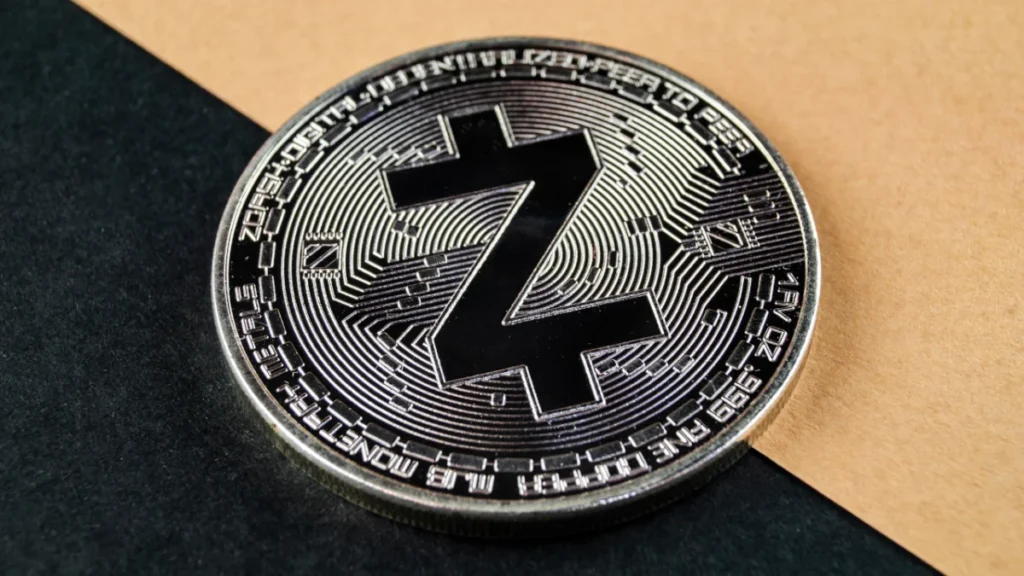
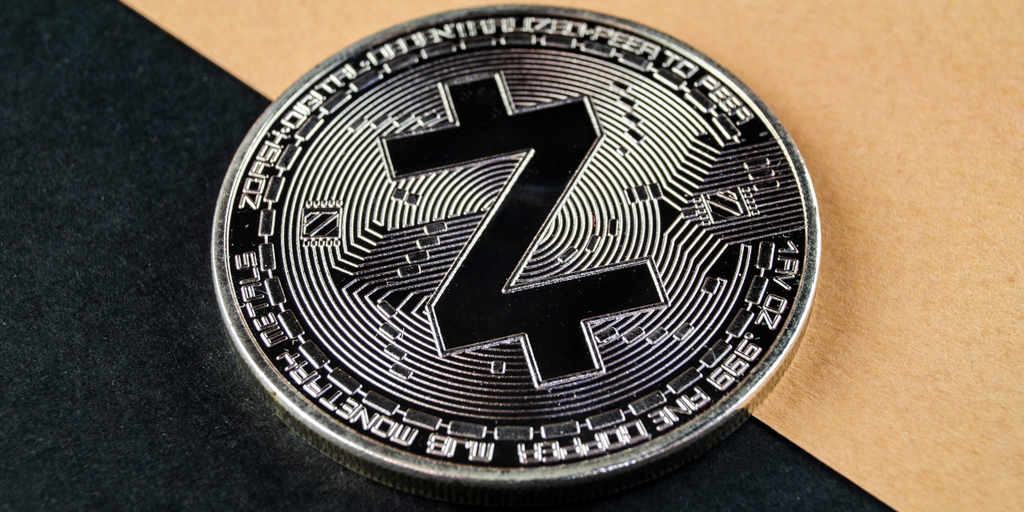
Zcash (ZEC) has firmly established itself as a dominant force in the digital asset market, surging into a double-digit rally that peaked at $1,388 on Thursday. Trading at $1,368, the premier privacy coin boasts a staggering 10.9% gain on the day and a monumental 168% explosion over the past 30 days. According to CoinGecko data, these impressive metrics have propelled Zcash into the upper echelons of the cryptocurrency ecosystem, making it the ninth-largest digital asset globally with a market capitalization of $22.9 billion.
This dramatic ascent is underscored by a staggering year-over-year surge of over 2,500%. The catalyst for this multi-billion-dollar revaluation is a convergence of vital network developments—most notably the community-driven consensus on the upcoming NU7 network upgrade—and a profound macro-structural shift in how institutional investors and everyday users view financial confidentiality.
Once marginalized by regulatory anxieties, privacy-preserving cryptocurrencies are undergoing a radical market re-evaluation. With the recent launch of institutional financial products like Grayscale’s Zcash ETF, the deployment of post-quantum cryptographic defenses, and the community successfully navigating a severe protocol scare earlier this summer, Zcash has transformed from a niche cryptographic experiment into a cornerstone of modern digital financial sovereignty.
Chronology: The Path to NU7 and Market Recovery
The timeline of Zcash’s remarkable 2026 campaign reveals a resilient network capable of overcoming severe technical crises while simultaneously organizing sophisticated decentralized governance.
- July 2026 (The Ironwood Crisis & Upgrade): The narrative began with a near-catastrophic technical discovery. Security researchers identified a four-year-old architectural flaw in Zcash that theoretically could have allowed malicious actors to mint counterfeit ZEC tokens. Disclosure of the bug triggered a severe market reaction, plunging the asset’s price by 38%. However, the core development teams mobilized rapidly, deploying the Ironwood upgrade to successfully trap any potential counterfeit tokens within a retired pool while introducing quantum-resistant transaction records to harden the protocol against future cryptographic threats.
- August 24, 2026 (Snapshot and Governance Eligibility): As confidence returned, attention shifted toward the protocol’s next major evolution: the NU7 upgrade. Governance mechanisms were put to the test using a cryptographic snapshot at block 3,459,350. Eligibility was strictly determined by spendable shielded ZEC held in the Ironwood pool.
- Late August 2026 (The Grayscale ETF Launch): Institutional gateways expanded dramatically with the debut of Grayscale’s Zcash Exchange-Traded Fund (ETF). Despite navigating early technical and regulatory headwinds, the fund provided traditional finance (TradFi) investors with a direct, compliant route to ZEC exposure, injecting substantial liquidity into the market.
- Early September 2026 (The NU7 Sentiment Poll Results): On Sunday, the results of the groundbreaking NU7 coinholder vote were officially published. With a robust 66% voter turnout utilizing an encrypted, privacy-preserving ballot system, the Zcash community settled critical roadmap questions, setting the stage for the asset’s subsequent price discovery phase.
- Mid-September 2026 (Alignment and Price Surge): Major ecosystem entities—including Shielded Labs, Project Tachyon, ZODL, the Zcash Foundation, and Valar Group—formally aligned on conservative interpretations of the governance vote. This operational clarity coincided with macroeconomic tailwinds, driving ZEC past the $1,300 threshold and cementing its top-ten market cap status.
Supporting Data and Technical Breakdown
The mechanics behind the NU7 upgrade represent a masterclass in decentralized governance. The recent sentiment poll addressed five pivotal questions regarding the future economic and structural parameters of the Zcash network.
To ensure fair representation without compromising voter privacy, ballots were encrypted and split into 16 unlinkable pieces. This enabled accurate counting of the totals without revealing individual voter identities or the specific amounts of ZEC they held.
The community decisively voted on the following parameters:
- Issuance Model: Holders voted by an overwhelming 98.9% to preserve Bitcoin-style halving schedules rather than transitioning to a smooth issuance model, maintaining predictable supply shocks.
- Block Times: The network opted to accelerate block generation times to 25 seconds, enhancing transaction throughput and user experience.
- Legacy Depletion: Voters mandated the immediate deprecation of the legacy Sprout pool, pushing the entire ecosystem toward modern, more secure shielded architectures.
- Upgrade Scope: The community agreed to a strict scoping principle, limiting the NU7 upgrade contents to whatever features are fully ready and tested by September 30.
- The Fee Recycling Timeline: The only major point of friction centered on when the network sustainability mechanism should begin recycling transaction fees back to miners. While advisory panels advocated for an "as soon as possible" implementation, coinholders voted 96.6% in favor of delaying the mechanism until February 2031.
Following minor debates, key ecosystem stakeholders—including Shielded Labs, Project Tachyon, ZODL, the Zcash Foundation, and Valar Group—unanimously adopted the February 2031 date as the most conservative interpretation of the community’s mandate, leaving the door open for future polls to revisit the timeline if necessary.
Official Responses and Expert Perspectives
Industry leaders and core contributors have offered profound insights into what this market shift means for the broader blockchain landscape.
Tim Sun, Senior Researcher at HashKey:
"The market is redefining the value of privacy. Zcash is the leading front-runner in this wave of narratives. The launch of the Grayscale ETF in August alleviated lingering regulatory concerns, coinciding with a fundamental shift in how we pitch the sector. The narrative has successfully moved from pure, unregulated anonymity to essential financial privacy and confidentiality."
Roxana Nasoi, Core Contributor at Logos:
"Privacy denies everyone else the knowledge that makes you a target. The extraordinary rise of ZEC over the past year—exceeding 2,500%—is partly attributable to the launch of institutional products like Grayscale’s ETF, which finally gave institutional allocators a compliant route to Zcash that simply didn’t exist before."
Joe Andrews, Chief Executive Officer at Aztec Labs:
"The world is waking up to the need for on-chain privacy. Look at what Zcash has achieved over the last three months: it dealt with a critical counterfeiting scare, shipped post-quantum upgrades to fundamentally harden the protocol, and saw its native token triple in value."
Implications: The Future of Financial Privacy
The confluence of regulatory maturation, institutional investment products, and aggressive cryptographic engineering has profound implications for the future of digital finance.
For years, privacy coins operated under a cloud of regulatory suspicion, often unfairly associated exclusively with illicit finance. However, as artificial intelligence tools rapidly advance—reducing the cost for bad actors, corporations, and governments to analyze address behaviors, trace counterparties, and monitor asset changes on public ledgers—the baseline necessity of privacy has become starkly apparent to mainstream participants.
Financial privacy is no longer viewed merely as a tool for evasion, but as a fundamental pillar of civil liberty and commercial confidentiality. In a digitized global economy where every transaction can potentially be scraped, indexed, and weaponized by AI algorithms, transparent blockchains present systemic vulnerabilities for high-net-worth individuals, corporations, and everyday citizens alike.
By successfully weathering a historic security vulnerability, upgrading its cryptography to withstand the looming threat of quantum computing, and institutionalizing its market presence through regulated financial instruments like ETFs, Zcash has proven its resilience. The successful governance vote on NU7 further demonstrates that decentralized communities can organize, debate, and execute complex technical roadmaps efficiently while preserving user privacy.
As Zcash solidifies its position as the ninth-largest digital asset with a $22.9 billion valuation, it stands at the vanguard of a new paradigm. The market has spoken: financial confidentiality is not an optional feature of the future internet of value—it is an absolute requirement.