The Silicon Surge: How the AI Energy Appetite is Rewiring the Global Gas Market
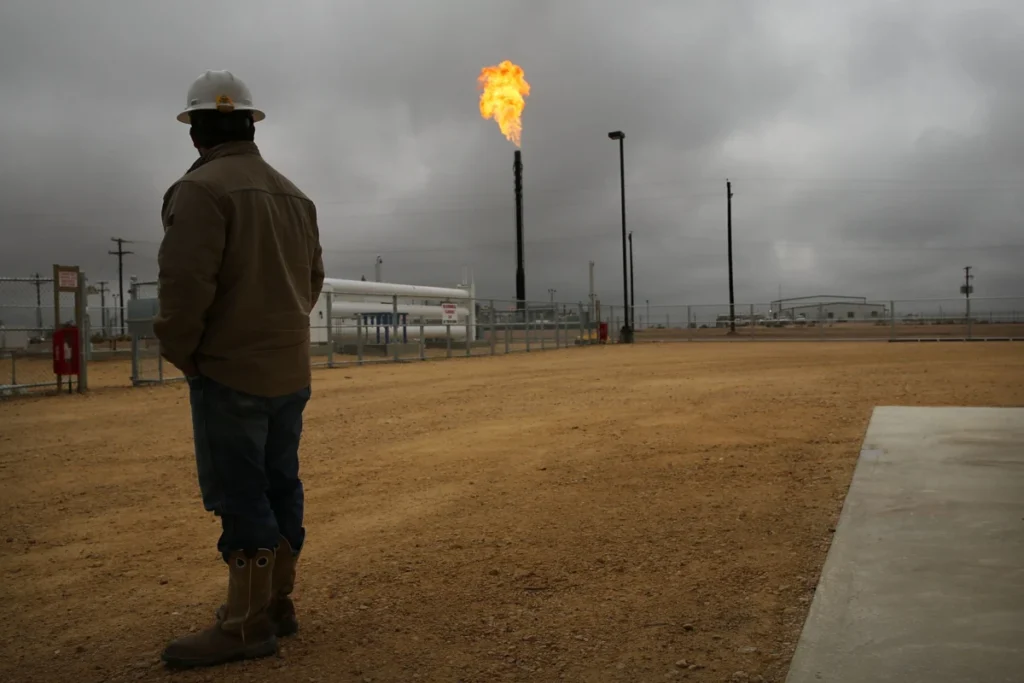
The race to dominate artificial intelligence has shifted from a battle of algorithms and computing power to a high-stakes competition for physical resources. As hyperscalers scramble to build the massive data centers required to train the next generation of Large Language Models (LLMs), they are encountering a formidable bottleneck: the electric grid. To circumvent the limitations of aging power infrastructure, Big Tech is turning to the most reliable source of baseload power available—natural gas.
A startling new report from BloombergNEF reveals that by 2035, U.S. data centers are projected to consume more natural gas than Germany and Japan combined. This surge in energy demand is not merely a regional phenomenon; it is a fundamental restructuring of energy consumption that promises to reshape utility markets, influence global commodity prices, and complicate the U.S. path to net-zero emissions.
The Magnitude of the Consumption Crisis
Over the next decade, data centers are expected to become the second-strongest driver of natural gas demand growth, trailing only the burgeoning market for Liquefied Natural Gas (LNG) exports. According to BloombergNEF, these facilities could consume approximately 18 billion cubic feet (Bcf) of natural gas per day by 2035—a projection nearly double what the organization anticipated just nine months ago.
While skeptics might point out that not every announced project will break ground, the sheer volume of capital flowing into the sector suggests a structural shift. The industry is currently bifurcated into two primary methods of consumption: grid-connected power and "behind-the-meter" onsite generation.
Behind-the-Meter: Bypassing the Grid
In recent months, tech giants including Meta, Microsoft, Google, and Amazon have made headlines for their aggressive pursuit of onsite power plants. By constructing dedicated natural gas facilities to power their data centers, these companies are effectively bypassing traditional utility grids, which they argue are too slow or constrained to handle the rapid expansion of AI infrastructure.
These onsite projects alone are projected to consume between 2.9 and 3.4 Bcf per day by 2035. To put this figure in perspective, that represents roughly the total amount of natural gas consumed by all data centers in the United States today—including the fuel currently used by utilities to feed electricity into the grid.
The Grid-Connected Colossus
While the "behind-the-meter" strategy grabs the headlines, it represents only a fraction of the total demand growth. BloombergNEF predicts that by the middle of the next decade, grid-connected data centers will drive an additional 15 Bcf per day of natural gas consumption by the power sector. This accounts for five times more demand growth than all other grid-connected sectors combined, marking a historic deviation from traditional energy load patterns.
Chronology of the AI-Energy Nexus
To understand how we reached this point, one must look at the rapid evolution of the AI sector since the public launch of ChatGPT in late 2022.
- 2023: The Realization Phase. As tech companies pivoted to an "AI-first" strategy, executives realized that traditional energy procurement models—relying heavily on wind and solar power purchase agreements (PPAs)—were insufficient. AI chips, such as Nvidia’s H100s, require constant, high-density power that intermittent renewables cannot provide without significant battery storage.
- Early 2024: The Infrastructure Bottleneck. Grid operators began warning that interconnection queues were backing up by years. Data center developers, faced with potential delays, began lobbying for expedited grid access or alternatives.
- Late 2024–Early 2025: The Natural Gas Pivot. Recognizing that the grid could not be upgraded at the speed of AI development, hyperscalers began signing exclusive deals with energy providers to build dedicated natural gas infrastructure.
- 2026 and Beyond: Market Realignment. The current period marks the transition from planning to construction. The recent reports from firms like BloombergNEF and Noreva suggest that the market is finally beginning to price in the long-term, compounding impact of this energy-intensive industrial expansion.
Supporting Data: The Carbon and Cost Implications
The environmental and economic externalities of this growth are immense. Burning one cubic foot of natural gas releases approximately 60 grams of carbon dioxide equivalent (CO2e), a figure that accounts for the entire lifecycle of the fuel, including extraction, processing, and distribution.
The Greenhouse Gas Footprint
The additional demand projected by 2035 will lead to an estimated increase of 1 million metric tons of greenhouse gas pollution every single day. When aggregated, this represents a massive challenge to U.S. climate goals; this added load is equivalent to roughly 12% of total current U.S. greenhouse gas emissions. For companies that have publicly committed to "carbon-neutral" or "carbon-negative" operations, this reliance on fossil fuel combustion represents a significant reputational and regulatory risk.
Economic Volatility
The economic outlook is equally complex. Much of the current data center buildout is predicated on the assumption that natural gas prices will remain stable, as they have in recent years. However, analysts at Noreva caution that this is a dangerous assumption.
The confluence of massive data center demand and rising LNG exports—which are designed to ship U.S. gas to global markets—could create a supply-demand squeeze that forces prices to soar. While multi-billion-dollar tech giants may have the balance sheets to absorb such volatility, the average utility ratepayer may not be so fortunate. If the surge in gas demand drives up wholesale electricity costs, those costs will inevitably be passed on to residential and small business consumers, potentially fueling political backlash against the AI industry.
Official Responses and Industry Perspectives
The tech industry maintains that their expansion is necessary to maintain global competitiveness. Executives argue that the long-term benefits of AI—ranging from scientific breakthroughs in drug discovery to massive improvements in industrial productivity—justify the energy expenditure.
Furthermore, many companies are framing their natural gas investments as a "bridge" technology. By partnering with energy providers to develop carbon-capture-ready plants or hybrid systems that incorporate hydrogen, they argue they are building the infrastructure of the future.
However, environmental advocacy groups and utility regulators are increasingly vocal. In several states, public utility commissions have begun to scrutinize "load-serving entities" that cater exclusively to large-scale data centers, concerned that these entities are crowding out residential consumers and inflating prices. The tension between the need for rapid technological deployment and the mandate for reliable, affordable, and clean energy has become a central theme in state-level energy policy debates.
Implications for the Future
The shift toward natural gas to power the AI revolution signals a major inflection point in the 21st-century economy. The implications are three-fold:
- Energy Policy Reform: The sheer scale of the demand will force a reconsideration of the U.S. energy mix. Policymakers must decide whether to incentivize the rapid expansion of fossil fuel generation to meet the AI demand or to aggressively fast-track nuclear, geothermal, and long-duration storage technologies to replace natural gas as the preferred baseload.
- Market Dynamics: The "hyperscaler premium" on energy prices is likely to become a permanent feature of the market. As data centers become the dominant consumers of power, their procurement strategies will dictate the price of electricity for all other sectors.
- Climate Accountability: The "green" narrative of the tech industry is being tested. As the data center carbon footprint grows, the pressure on companies to prove that their operations are sustainable will move beyond simple carbon credits and into the realm of direct, verifiable emissions reduction.
The AI boom is not just about code and silicon; it is about the physical conversion of resources into intelligence. As the data centers of 2035 come online, they will do so at the cost of a transformed energy landscape. Whether that transformation leads to a cleaner, more efficient grid or a new era of carbon-intensive reliance remains the defining question of the next decade. For now, the "natural gas binge" of Big Tech suggests that the path to artificial superintelligence is paved with fossil fuels.