New Protections for Fire Survivors: California Enacts Landmark Smoke Damage Recovery Act
SACRAMENTO, Calif. — In a significant victory for wildfire survivors and consumer advocates, California Governor Gavin Newsom signed into law Assembly Bill 1795, the "Smoke Damage Recovery Act," on Tuesday. The legislation represents a fundamental shift in how insurance companies must handle the often-contentious process of investigating, testing, and remediating homes impacted by wildfire smoke and industrial blazes.
The act, authored by Assemblymember Mike Gipson and championed by California Insurance Commissioner Ricardo Lara, addresses a long-standing "consumer protection gap" that has left thousands of Californians in limbo following devastating fire events. By codifying specific standards for smoke damage claims, the law aims to prevent the common practice of insurers denying or underfunding remediation efforts, ensuring that displaced families are not forced to return to homes that remain chemically compromised.
The Core Mandates of AB 1795
At the heart of the legislation is a new, crucial legal presumption: if a property is located within a designated wildfire impact area, any smoke damage identified is officially presumed to have resulted from that wildfire. This shifts the burden of proof away from the homeowner, who previously often faced a grueling battle to prove the source of particulate matter in their living spaces.
Beyond the presumption of cause, the law establishes rigorous new protocols:
- Mandatory Testing and Sampling: Insurers are now legally required to cover the costs of necessary professional testing and air-quality sampling. This ensures that remediation is guided by objective data rather than subjective insurer assessments.
- Protection of Living Expenses: Perhaps most crucially, the law prohibits insurance carriers from unilaterally terminating "Additional Living Expense" (ALE) benefits until a home has been fully restored and certified safe for occupancy. This closes a loophole that frequently left families homeless while their properties remained toxic or under-remediation.
- Standardized Restoration: The law mandates that restoration efforts must meet objective safety standards, preventing "cosmetic" fixes that leave harmful toxins behind.
Chronology: A Crisis in the Making
The path to AB 1795 was paved by a series of environmental disasters and mounting consumer frustration. For years, smoke damage claims have been the "forgotten" category of disaster recovery, often overshadowed by total-loss home claims.
The L.A. Wildfire Contention
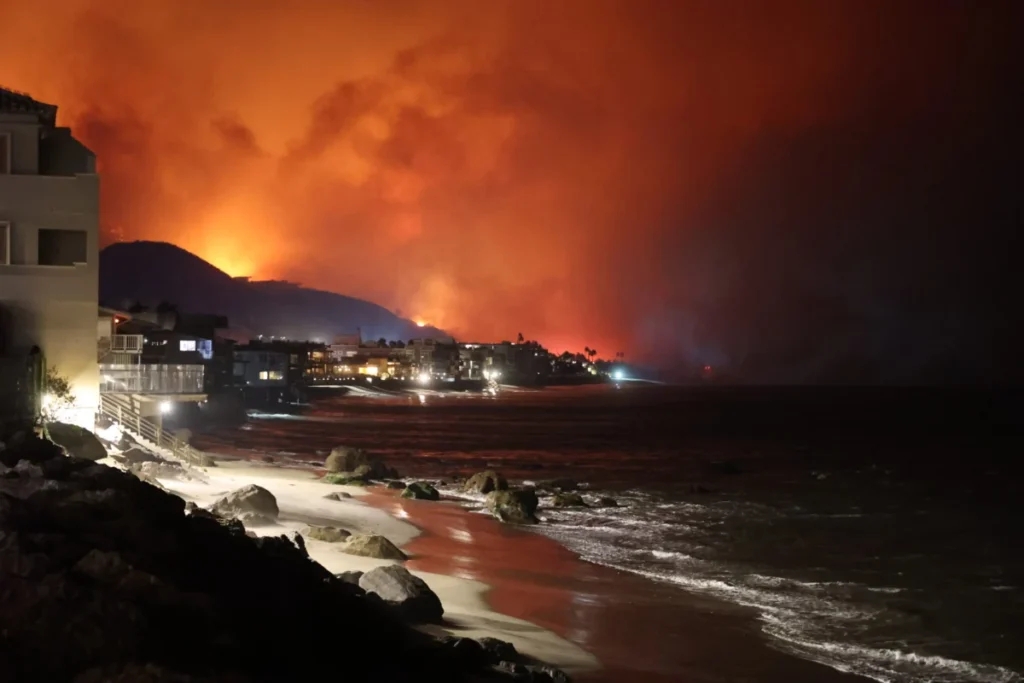
The catalyst for this legislative movement began in earnest following the Los Angeles wildfires in June. As residents returned to their neighborhoods, many found their homes standing but uninhabitable due to thick, toxic soot and pervasive smoke odor. Insurance adjusters frequently argued that the damage was pre-existing or not "structural," leading to a wave of denied claims and under-funded remediation.
The Smoke Claims and Remediation Task Force
In response to the mounting complaints, Insurance Commissioner Ricardo Lara established the Smoke Claims and Remediation Task Force. The Task Force conducted a deep dive into the industry’s practices, finding that victims were consistently falling through the cracks of existing insurance regulations. The report concluded that the lack of standardized testing protocols allowed insurers to dictate the terms of remediation, often to the detriment of the policyholder’s health.
The Boyle Heights Catalyst
The urgency of the situation was further highlighted by the massive blaze at a Lineage Logistics warehouse in Boyle Heights. The June incident sent plumes of thick, dark smoke over a densely populated area, leaving residents to deal with long-term exposure and property contamination. The complexity of the warehouse fire—which was distinct from a wildfire—raised urgent questions about whether existing wildfire-specific policies would cover industrial smoke events, proving that a broader legislative fix was required.
Supporting Data and the "Protection Gap"
The "protection gap" addressed by AB 1795 is not merely a bureaucratic oversight; it has had profound financial and physical health impacts on Californians.
According to data presented by the California Department of Insurance (CDI), the cost of proper smoke remediation—which involves HEPA-vacuuming, specialized chemical cleaning, and air filtration—can range from $20,000 to over $100,000 depending on the size of the home and the severity of the soot infiltration. Without clear mandates, insurers have historically pushed for "wipe-down" services that fail to reach fine particulate matter embedded in HVAC systems, insulation, and drywall.
Public health experts involved in the drafting of AB 1795 emphasized that smoke particles, particularly those from burning plastic and modern building materials, are often microscopic and carcinogenic. Failure to remove these particles results in long-term respiratory distress, particularly for children and the elderly. The legislation ensures that testing is not optional, meaning that the scope of work is dictated by the science of the contamination rather than the bottom line of the insurance company.
Official Responses and Stakeholder Perspectives
Governor Gavin Newsom and Commissioner Ricardo Lara
In his signing statement, Governor Newsom emphasized that California’s disaster response must evolve alongside the increasing frequency and intensity of climate-driven fires. "Our families deserve to know that when they return home after a disaster, that home is safe," Newsom stated.
Commissioner Lara, a primary sponsor of the bill, hailed the legislation as a major step toward "leveling the playing field." He noted, "For too long, insurers have held all the cards, forcing survivors to advocate for their own safety while they are at their most vulnerable. Today, we put the safety of the consumer back at the center of the insurance process."
The Insurance Industry Perspective
The American Property Casualty Insurance Association (APCIA), which represents the primary insurance carriers, issued a measured response. While acknowledging the need for clarity, they expressed a desire for a balanced implementation.
"The new law represents a meaningful step toward clearer guidance on smoke damage claims," the APCIA stated. However, the association emphasized that as the CDI begins the rulemaking process, the regulations must be "grounded in credible science, valid methodologies, and the best available technical expertise."
The APCIA further pledged to cooperate with regulators, stating, "APCIA remains committed to working in good faith with policymakers, regulators, consumers, and scientific experts to support standards that protect consumers, improve transparency and understanding, and help maintain affordable and available insurance coverage for Californians."
Long-term Implications for Property Insurance
The passage of AB 1795 is expected to have ripple effects across the California property insurance market. By standardizing the claims process, the state is effectively reducing the ambiguity that often leads to litigation.
Developing Future Recommendations
A key component of the new law is the directive for the CDI and the California Office of Emergency Services (CalOES) to engage in a continuous evaluation process. They are tasked with:
- Developing Best Practices: Establishing a permanent library of remediation standards that can be updated as scientific understanding of smoke damage evolves.
- Market Stability: Monitoring whether these new mandates lead to increased premiums, and working to ensure that the insurance market remains competitive and accessible.
- Consumer Education: Creating a roadmap for homeowners to help them understand their rights during the claims process, ensuring they are not pressured into signing inadequate settlement agreements.
A Model for Other States
As climate change increases the risk of wildfire in states across the American West—including Oregon, Washington, and Colorado—California’s legislative move is being watched closely by other insurance commissioners. If the implementation of AB 1795 proves successful in curbing costs for homeowners while maintaining actuarial stability for insurers, it is likely that this legislation will become the template for regional insurance reform across the country.
Conclusion
The Smoke Damage Recovery Act is a testament to the power of grassroots advocacy. It was born from the stories of wildfire survivors who, after losing everything to the flames, were forced to fight their insurance companies just to secure a safe environment for their families.
By mandating that insurers pay for testing, prohibiting the early termination of living expenses, and establishing a legal presumption of damage, California has sent a clear message: the recovery process must be guided by health and science, not by the tactical delays of the insurance industry. While the technical details of the implementation remain to be ironed out by the CDI, the signing of AB 1795 marks a definitive turn toward a more transparent, equitable, and survivor-centric insurance landscape in the Golden State.