The Myth of the Self-Sufficient Homestead: Lessons from Seven Years in the Woods
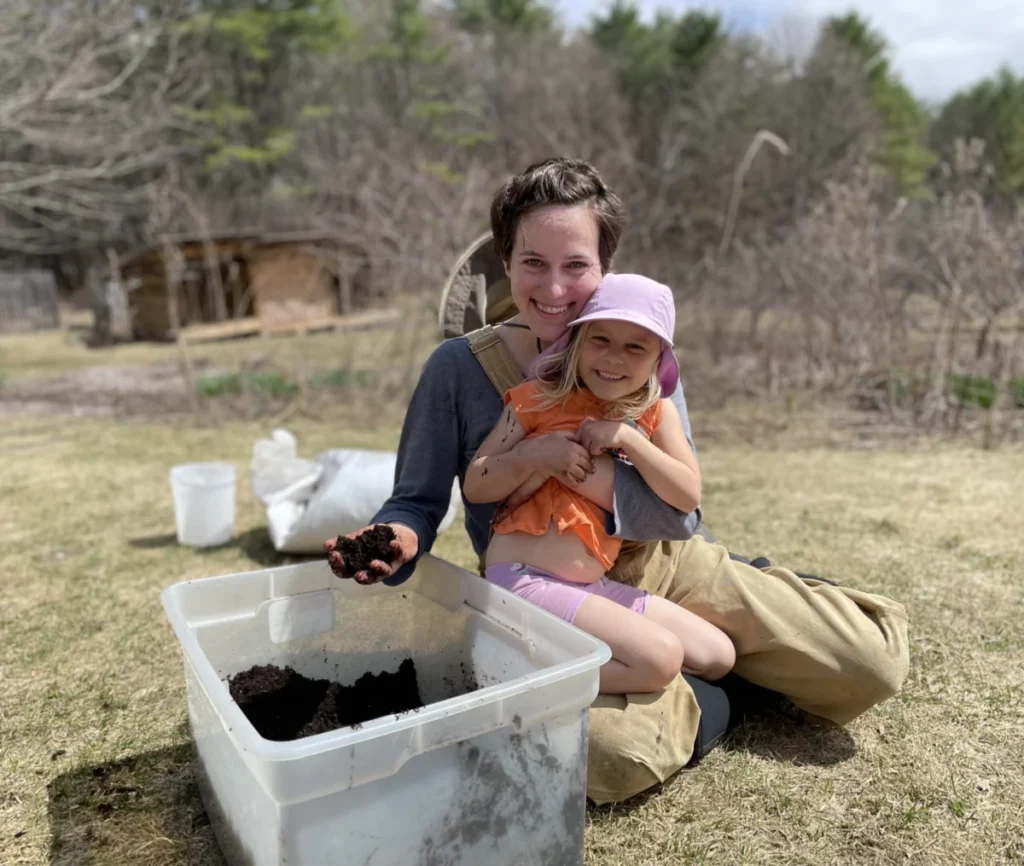
When the founders of Frugalwoods first departed the urban rat race in May 2016, they carried with them a dream as old as the agrarian impulse itself: to trade the high-stress, high-cost reality of city living for a 66-acre homestead in the quiet forests of rural Vermont. It was a vision of independence, a modern-day Little House on the Prairie—minus the historical hardships—where the woodstove would provide warmth, the land would provide sustenance, and the pace of life would finally align with the natural rhythms of the earth.
Seven years later, the reality of that transition has proven to be a masterclass in the difference between romanticized dreams and the gritty, time-consuming demands of reality. As the Frugalwoods blog celebrates its ninth anniversary, its founders are taking a hard, honest look at the "gargantuan assumption" that defined their move: the belief that they would, or even should, grow and raise all of their own food.
The Reality Check: Debunking the Subsistence Dream
The initial ambition was comprehensive. The vision included not just a vegetable garden, but an entire ecosystem of self-reliance: meat chickens, pigs, goats, and a dairy cow to provide fresh milk for homemade butter and cheese. In the early days, the mental image was idyllic—the family working in harmony, meticulously preserving a seasonal harvest to sustain them through the harsh Vermont winters.
However, after nearly a decade of trial, error, and physical labor, the verdict is in: for those who do not wish to dedicate their entire existence to the cycle of planting, harvesting, and preserving, total food self-sufficiency is a "nope."
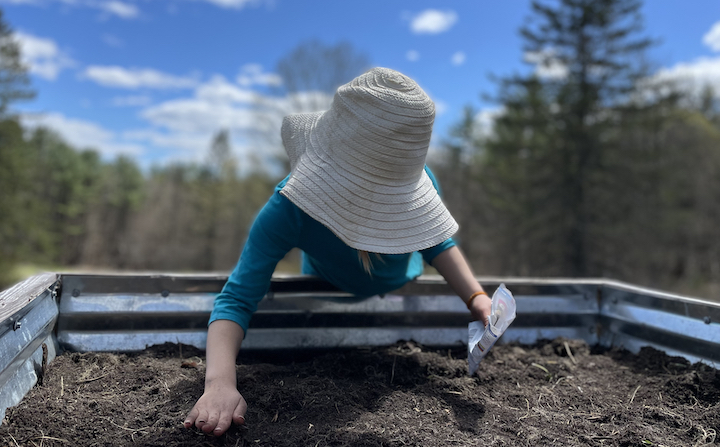
The primary realization has been one of professional and personal scope. Gardening and animal husbandry are not merely hobbies; they are full-time, labor-intensive careers. The founders have reached a point of acceptance, realizing that the purpose of their move was to reclaim time, freedom, and space—not to chain themselves to a new, equally demanding form of "office" work in the dirt.
Chronology: From Idealism to Pragmatism
The journey began in 2016, a year marked by high expectations and an almost naive enthusiasm for the "homesteader" label. The first few years were characterized by staggering infrastructure development—building fences, installing raised beds, and attempting to manage massive yields.

The turning point, often referred to as "The Kale & Chard Apocalypse of 2018," serves as the defining moment of this evolution. In a fit of ambitious gardening, the homesteaders planted 80 kale and chard plants. When the harvest arrived, the yield was so voluminous that the family had to repurpose a child’s plastic swimming pool just to wash the greens. The subsequent processing—washing, drying, blanching, and freezing—took days of grueling, repetitive work while managing two small children.
The aftermath of that harvest was demoralizing. Despite the Herculean effort, the family could not consume the sheer volume of greens before they spoiled, leading to the painful necessity of composting perfectly good food. It was this moment that forced a confrontation with their own motives: they were no longer competing with their previous corporate jobs, but they were effectively recreating the same stress and anxiety under the guise of "self-sufficiency."

By 2020, the approach shifted. They moved toward a more balanced, manageable system, focusing on specific garden beds and perennial crops that required less daily intervention. Today, in 2023, the operation is "rinse and repeat"—a sustainable rhythm that prioritizes joy over maximum output.
Supporting Data: A Garden Rundown
To understand how the homestead has evolved, one must look at the specific infrastructure now in place. The current gardening strategy is split into three manageable tiers:

1. The Porch-Side Raised Beds
These four beds, constructed in 2020, represent the shift toward convenience. Located near the house, they focus on high-yield, high-frequency use items:
- Strawberries: Specifically June-bearing and everbearing varieties.
- Herbs and Greens: A rotation of mint (contained in pots to prevent spreading), cilantro, basil, and various lettuces.
2. The "Big" Vegetable Garden
This remains the hub for annual crops. Fenced and equipped with cattle panels—a DIY installation by the founders—this garden simplifies the vertical growth of tomatoes, beans, snap peas, and cucumbers. It serves an educational role as well, with each child given a designated row to plant, tend, and harvest, fostering a connection to the food source without the pressure of total dependency.

3. The Perennial Orchard
This segment represents a long-term investment. It includes fruit trees (apples, plums, cherries) and berry bushes (blueberries). However, the data here is sobering:
- Time-to-Yield: Apple trees typically require six years to produce.
- The "Clever Varmint Patrol" (CVP): A significant portion of the harvest is lost to local wildlife. Despite attempts at netting and cages, the local fauna—and the occasional flock of trapped wild turkeys—consistently outmaneuver the humans.
- Synchronized Ripening: Fruits rarely ripen on a schedule convenient for humans; they ripen all at once, creating a "feast or famine" dynamic that necessitates immediate, round-the-clock labor to preserve.
The Implications of "Modern Homesteading"
The most significant implication of this seven-year retrospective is the redefinition of "success." For many, the goal of homesteading is to slash grocery bills to zero. For the Frugalwoods, the goal has morphed into the pursuit of balance.

The founders have identified a crucial, often overlooked, benefit of their lifestyle: the ability to support their farmer neighbors. By choosing not to produce 100% of their own food, they have the freedom to purchase goods from local, full-time professionals who have mastered the craft. This creates a symbiotic relationship that supports the local rural economy rather than isolating the homesteaders in a silo of self-sufficiency.
Furthermore, there is a psychological shift regarding the pressure of "perfect" living. The founders argue that the desire to be a "perfect homesteader" is merely a displacement of the perfectionism required in the corporate world. By letting go of the need to process 90 quarts of pickles or store every stalk of kale, they have recovered the very thing they moved to the woods to find: the ability to spend a summer afternoon hiking, swimming, or listening to music at a neighbor’s farm.

Official Perspective: A Call for Acceptance
The final message from the Frugalwoods team is one of radical acceptance. The "final stage" for any gardener, they suggest, is recognizing that one does not need to be a martyr for their garden. The pressure to conform to an aesthetic or a standard of total self-reliance is a self-imposed prison.
The shift in 2023 is clear: the Frugalwoods will continue to garden, but they will do so with a light touch. They may can a few quarts of applesauce if the mood strikes, or they may simply enjoy the fruit fresh. They may weed, or they may prioritize a day at the lake.

The ultimate takeaway is that rural life is not a race to reach an arbitrary finish line of total independence. It is, rather, a privilege to exist in a space where one has the freedom to choose how they spend their labor. By tempering their expectations, the Frugalwoods have successfully transitioned from being "homesteaders" in name to being residents of the woods in spirit—finding that the greatest harvest of their seven-year journey hasn’t been the vegetables in the cellar, but the time saved for the life they truly wanted to live.