"Animal Spirits" Podcast Delivers Critical Market Insights in Nuveen-Sponsored "Talk Your Book" Segment
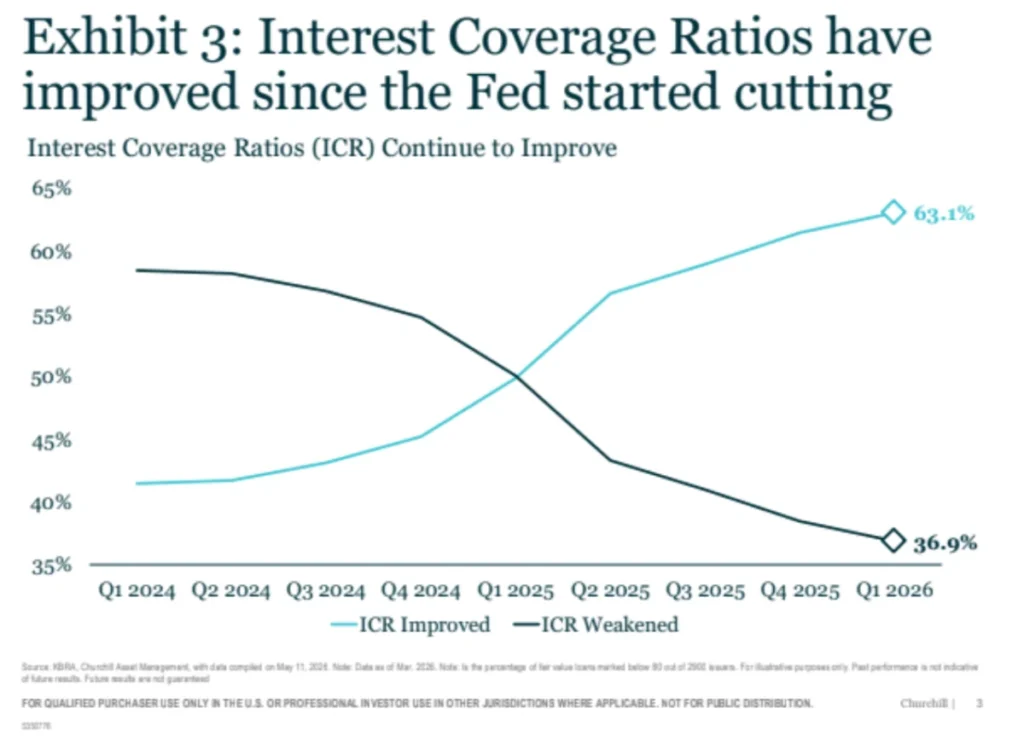
NEW YORK, NY – July 20, 2026 – The highly anticipated "Animal Spirits" podcast, co-hosted by financial industry luminaries Ben Carlson and Michael Batnick, released a new episode today, featuring a deep dive into crucial market trends and investment strategies. The special "Talk Your Book" segment, a cornerstone of the show known for its insightful analysis and data-driven discussions, was proudly presented by Nuveen, a leading global investment manager. This episode, posted by Ben Carlson on "A Wealth of Common Sense," offered listeners a comprehensive look at the forces shaping the financial landscape, accompanied by a series of compelling charts designed to illustrate the complexities of the modern market.
Main Facts: Navigating the 2026 Financial Terrain
Today’s "Animal Spirits" episode, released on July 20, 2026, stands as a testament to the podcast’s commitment to delivering accessible yet profound financial commentary. Spearheaded by the widely respected voices of Ben Carlson and Michael Batnick, the discussion centered around a curated selection of charts that painted a vivid picture of current market dynamics. The "Talk Your Book" segment, sponsored by Nuveen, provided the perfect platform for an in-depth exploration of these visual data points, moving beyond mere numbers to uncover the underlying narratives and implications for investors.
The episode aimed to equip its diverse audience – from seasoned financial professionals to individual investors – with a clearer understanding of the challenges and opportunities present in mid-2026. While the specific titles of the charts were not explicitly listed in the initial announcement, the nature of "Animal Spirits" and "A Wealth of Common Sense" strongly suggests a focus on topics ranging from global equity performance and interest rate trends to technological impact, behavioral finance, and long-term wealth management strategies. The partnership with Nuveen underscores a shared commitment to fostering informed decision-making within the investment community, highlighting the importance of thoughtful analysis in an increasingly complex economic environment.
Listeners were directed to the Compound News podcast platform to tune into the full episode, and encouraged to engage further via the hosts’ active presence on Instagram and YouTube, as well as explore their branded merchandise. Crucially, the broadcast included standard disclaimers, reminding audiences that the content constituted informational discussion, not investment advice, and that any mention of specific securities or performance data should not be construed as a recommendation to buy or sell.
Chronology: A Chart-by-Chart Deconstruction of Market Narratives
The "Animal Spirits" podcast is renowned for its fluid yet structured discussions, often using data visualizations as springboards for deeper exploration. Today’s episode likely unfolded as a sequential examination of the five presented charts, each building upon the last to construct a holistic view of the market.
The "Talk Your Book" segment typically involves Ben Carlson and Michael Batnick dissecting a particular investment book or, in this case, a set of critical financial charts. The conversation would have commenced with an introduction to Nuveen’s sponsorship, setting the stage for a segment dedicated to thoughtful, data-backed insights.
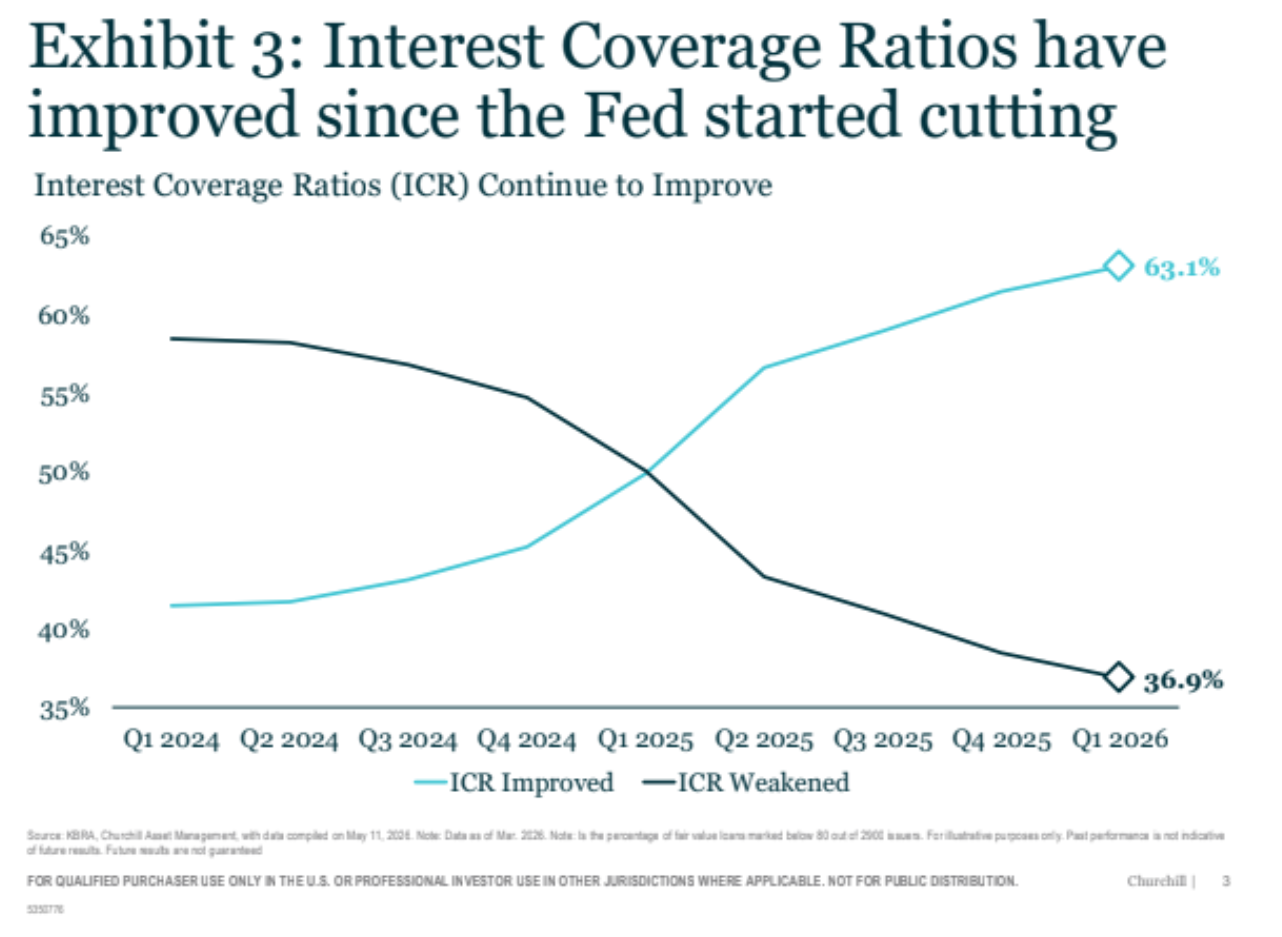
The initial chart would have likely served as an overarching market barometer, perhaps displaying broad equity market performance year-to-date or over the past few years. This foundational view would then transition into more granular analyses, such as sector-specific performance, the impact of macroeconomic factors like inflation or interest rates, and perhaps even behavioral finance indicators. The hosts, with their signature blend of analytical rigor and conversational wit, would have guided listeners through each chart, explaining its significance, highlighting key takeaways, and debating potential future implications.
The chronological flow of the discussion would have been carefully designed to move from macro trends to micro observations, allowing listeners to connect the dots between various market forces. For instance, an initial chart on global GDP growth might have led to a subsequent chart on corporate earnings, which then might have segued into a discussion on technological innovation’s role in driving those earnings. This progressive unraveling of market complexities is a hallmark of the "Animal Spirits" approach, ensuring that even dense financial topics are presented in an engaging and digestible manner. The segment would have concluded with a synthesis of the insights gleaned from all five charts, offering listeners a consolidated perspective on the market’s current state and future trajectory.
Supporting Data: Unpacking the Charts and Their Implications
While the exact nature of the charts remains proprietary without direct access to the episode’s visual aids, based on the historical content of "A Wealth of Common Sense" and "Animal Spirits," we can infer the probable topics and the depth of the accompanying discussion. The five image links strongly suggest a visual-heavy analysis, typical of the podcast’s data-driven approach.
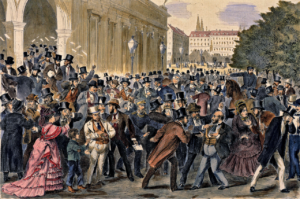
Chart 1: Global Equity Performance and Geographic Divergence
The first chart likely presented a broad overview of global equity market performance. In mid-2026, discussions around U.S. market dominance versus the potential resurgence of international or emerging markets would be highly relevant. This chart might have illustrated the S&P 500’s trajectory against indices like the MSCI EAFE or MSCI Emerging Markets, possibly highlighting periods of significant outperformance or convergence. Carlson and Batnick would have likely discussed themes such as:
- Home Bias: The tendency for investors to overweight their domestic market, and whether the data supports or refutes this strategy in 2026.
- Diversification Benefits: The enduring case for global diversification, even amidst periods of concentrated leadership.
- Cyclicality of Markets: How different geographic regions move in and out of favor, and what current trends suggest for future allocations.
The conversation would delve into whether the drivers of growth (e.g., technological innovation, demographic shifts, geopolitical stability) are becoming more widespread or remaining concentrated.
Chart 2: The Evolving Narrative of Interest Rates and Inflation
Given the pervasive concerns surrounding inflation and interest rate policy in recent years leading up to 2026, a chart detailing these macroeconomic indicators would be almost certainly included. This could have visualized:
- CPI vs. Core CPI Trends: Tracking the trajectory of consumer price inflation and its underlying components.
- Key Interest Rates: The Federal Reserve’s policy rate, alongside 10-year Treasury yields, illustrating the bond market’s expectations.
- Real Interest Rates: The difference between nominal rates and inflation, a crucial indicator for asset valuation and purchasing power.
The hosts would have likely debated the long-term implications of elevated (or normalizing) inflation, the effectiveness of central bank policies, and how these factors impact different asset classes, from fixed income to growth stocks. They might have explored scenarios for future rate movements and their potential effects on economic growth and corporate profitability.
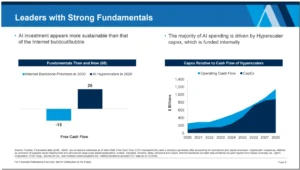
Chart 3: Sectoral Leadership and the Impact of Innovation
The third chart would likely focus on the performance of various market sectors, shedding light on where growth is concentrated and how technological innovation continues to reshape industries. This could include:
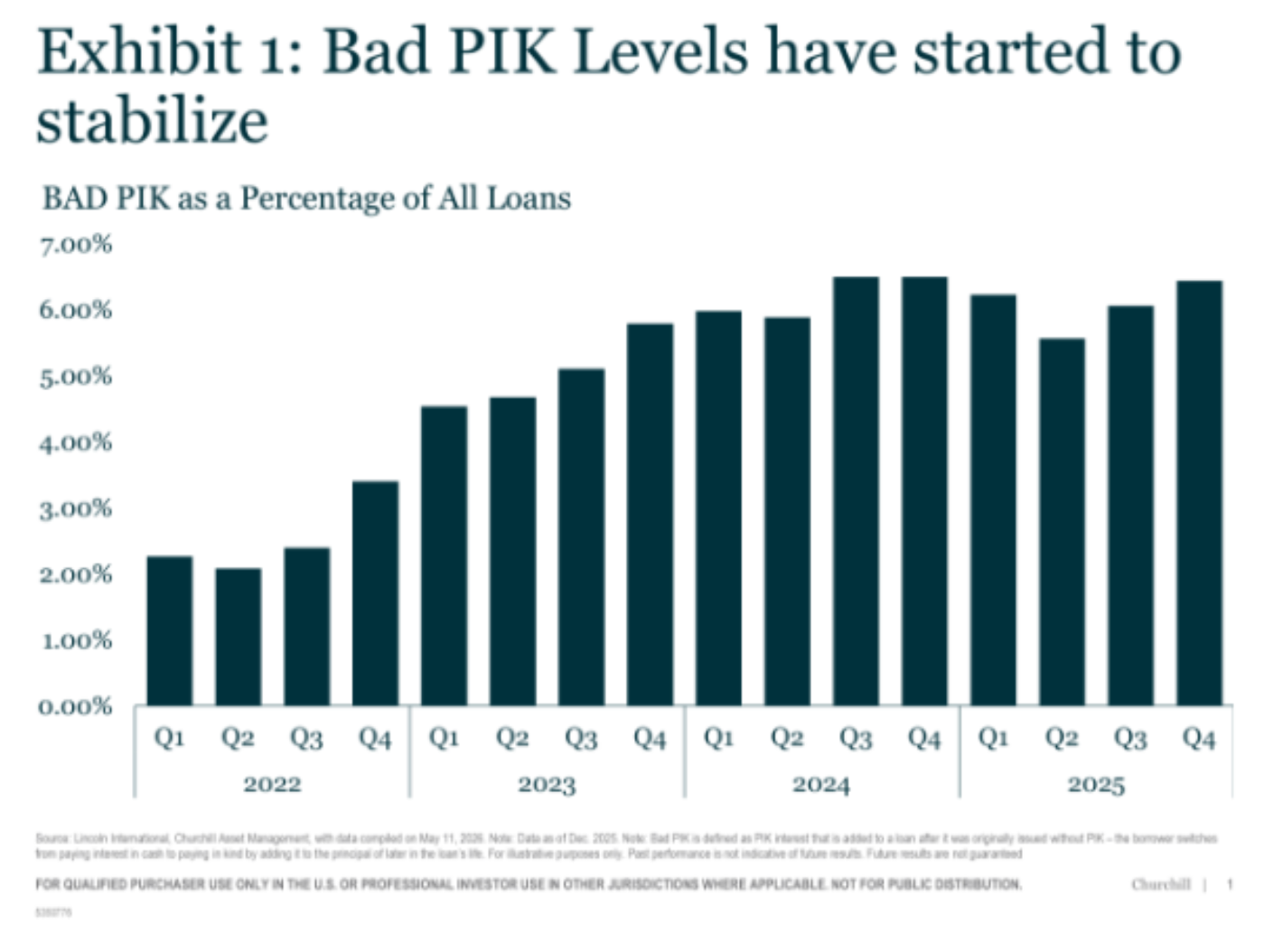
- Sectoral Rotation: Visualizing which sectors are leading or lagging (e.g., Technology vs. Industrials, Healthcare vs. Energy).
- Magnificent Seven/Tech Dominance: An update on the performance of mega-cap technology companies and their influence on overall market returns, and whether this trend is sustainable or showing signs of broadening.
- Emerging Technologies: The impact of Artificial Intelligence, biotechnology, or sustainable energy on specific industries and the broader economy.
Carlson and Batnick would discuss the risks associated with market concentration, the challenge of identifying true long-term trends versus speculative bubbles, and the importance of understanding the underlying business models driving sectoral performance.
Chart 4: Behavioral Biases and Investor Psychology
A cornerstone of "Animal Spirits" is its emphasis on behavioral finance. A chart in this vein would likely illustrate aspects of investor sentiment or decision-making. Examples could include:
- Investor Sentiment Indices: Tracking measures like the AAII Investor Sentiment Survey or the CNN Fear & Greed Index to gauge collective mood.
- Retail vs. Institutional Flows: Data on where different types of investors are allocating capital, and how these flows correlate with market movements.
- Market Cycles and Emotional Responses: Historical data showing how investor emotions (e.g., euphoria, fear, capitulation) often coincide with market peaks and troughs.
The hosts would underscore the perennial challenge of managing emotions in investing, reminding listeners of common pitfalls like chasing returns or selling during downturns. They would advocate for a disciplined, long-term approach, emphasizing that rational decision-making often runs counter to popular sentiment.
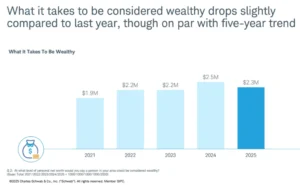
Chart 5: The Future of Retirement and Wealth Management
The final chart could address longer-term structural issues relevant to individual wealth building and the financial advisory industry. This might have included:
- Demographic Shifts: How an aging population in developed economies impacts savings rates, retirement planning, and investment horizons.
- Savings Rates and Wealth Inequality: Trends in personal savings, and the implications of growing wealth disparities.
- Passive vs. Active Investing: The continued debate and market share shifts between index funds and actively managed strategies.
This discussion would extend beyond immediate market movements to address the fundamental challenges of securing financial futures. Carlson and Batnick would offer perspectives on the importance of early saving, asset allocation, and the role of financial advice in navigating complex life stages.
Official Responses: Nuveen’s Endorsement and Expert Commentary
Nuveen’s sponsorship of the "Talk Your Book" segment is a significant endorsement, reflecting the firm’s commitment to thought leadership and investor education. As a global investment manager with over $1 trillion in assets under management, Nuveen’s association with "Animal Spirits" signals a strategic alignment with the podcast’s mission to provide intelligent, accessible financial commentary. The firm’s implicit "response" through its sponsorship is a statement about the value it places on independent, data-driven analysis and fostering a more informed investing public. Nuveen likely sees the podcast as a valuable channel to reach a sophisticated audience interested in nuanced market discussions, resonating with their own focus on helping clients achieve long-term financial goals.
From the hosts’ perspective, Ben Carlson and Michael Batnick’s commentary served as the episode’s "official response" to the data presented. Their insights, drawn from years of experience in wealth management and financial markets, provide a grounded, practical interpretation of the charts. Their consistent message often revolves around:
- Long-Term Perspective: The importance of looking beyond short-term volatility and focusing on enduring investment principles.
- Behavioral Discipline: The critical role of emotional control and avoiding common cognitive biases in investing.
- Simplicity and Diversification: Advocating for broadly diversified portfolios and straightforward investment strategies over complex, high-cost solutions.
- Adaptability: Recognizing that markets evolve and that investors must be prepared to adjust their understanding, if not their core strategy, to new realities.
Their "official response" is not prescriptive advice, but rather a framework for thinking about money and markets, grounded in evidence and tempered by an understanding of human nature. They encourage critical thinking and empower listeners to develop their own informed investment philosophies rather than simply following trends.
Implications: Actionable Insights for the Prudent Investor
The implications of the discussions on today’s "Animal Spirits" episode are multifaceted, offering valuable takeaways for investors across the spectrum. The rigorous examination of market charts, backed by the expertise of Carlson and Batnick, provides a powerful reminder of several core investment tenets:
The Imperative of Data-Driven Decisions
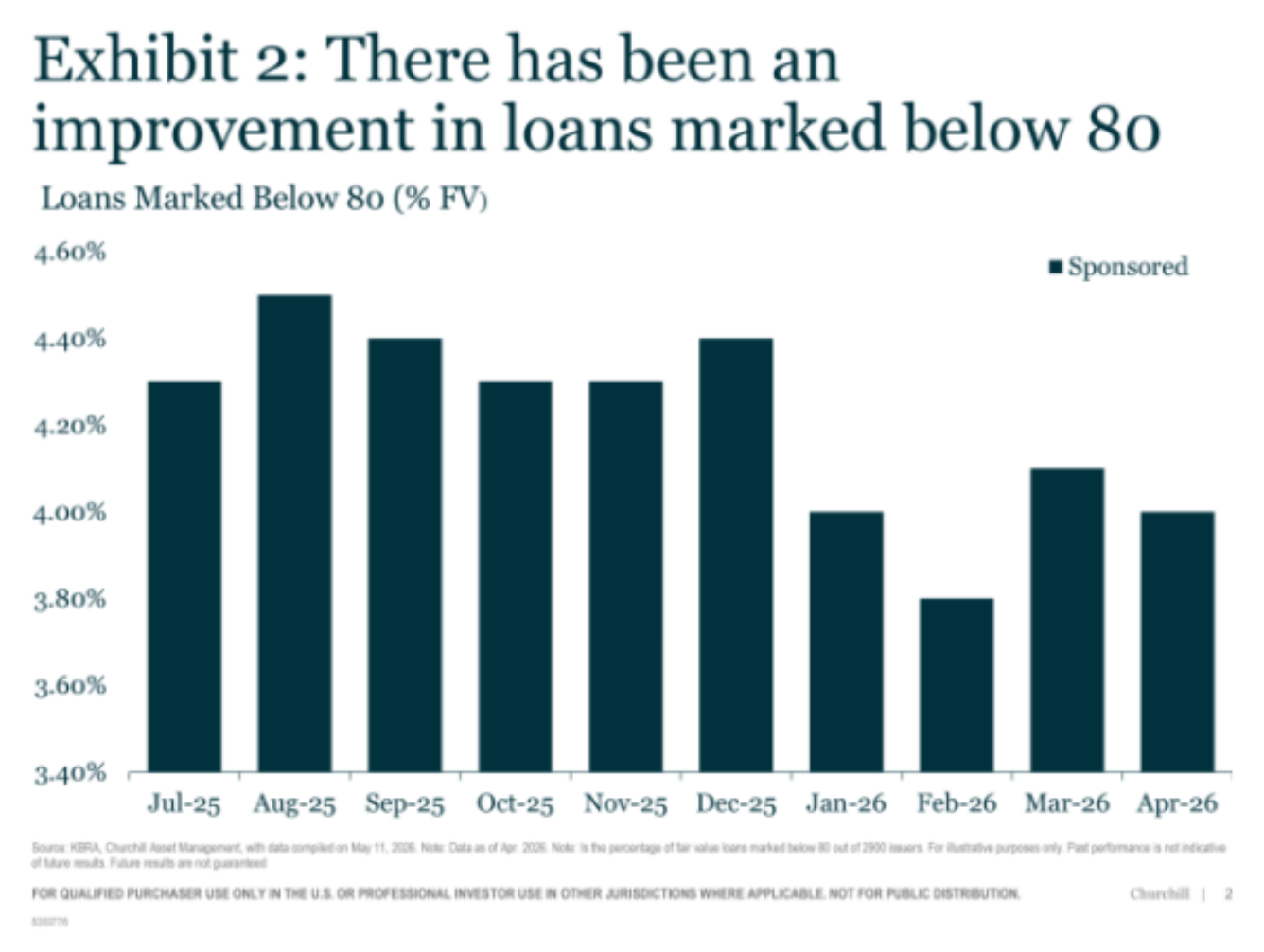
The reliance on charts underscores the importance of objective data in navigating financial markets. In an age of information overload and often sensationalized headlines, the podcast implicitly urges listeners to seek out and understand empirical evidence before making investment choices. This means looking beyond narratives to the underlying numbers that truly reflect market conditions.
Understanding Market Cycles and Adaptability
The discussion around various charts, particularly those on equity performance and sectoral shifts, highlights the cyclical nature of markets. No single strategy or asset class outperforms indefinitely. Investors must cultivate an understanding of these cycles and build portfolios that are resilient across different economic environments, rather than chasing the latest hot trend. The implied lesson is that adaptability, rather than constant reactive change, is key.
The Enduring Challenge of Behavioral Finance
By likely addressing charts related to investor sentiment, the episode reinforces that human psychology remains one of the greatest obstacles to successful investing. Fear and greed can lead to poor decisions, often at the worst possible times. The implication is clear: developing emotional discipline, adhering to a well-thought-out plan, and resisting the urge to react impulsively to market fluctuations are paramount for long-term success.
The Role of Diversification and Long-Term Vision
Whether discussing global equities or specific sectors, the underlying message of prudent asset allocation and diversification would have been prominent. The hosts consistently advocate for broad market exposure to mitigate idiosyncratic risks and capture returns across various market segments over time. The episode serves as a reminder that a long-term perspective, coupled with a diversified portfolio, is the most reliable path to wealth creation.
The Value of Continuous Learning
Finally, the very format of "Animal Spirits" and "Talk Your Book" implies that financial education is an ongoing process. The nuanced discussions and chart analyses encourage listeners to continuously learn, question, and refine their understanding of the financial world. This commitment to intellectual curiosity is crucial for staying informed and making sound decisions in an ever-evolving market landscape.
In essence, today’s "Animal Spirits" episode, through its deep dive into critical market charts and its Nuveen-sponsored segment, offers more than just market commentary. It provides a framework for informed decision-making, emphasizing discipline, data, and a long-term perspective—qualities that remain invaluable for any investor navigating the complexities of 2026 and beyond.
To delve deeper into these discussions and gain further insights, listeners are encouraged to visit the podcast’s official platform at https://podcasts.thecompoundnews.com/show/animalspirits/. For visual learners and community engagement, follow "Animal Spirits" on Instagram and YouTube, and explore their merchandise at https://www.idontshop.com/.
Important Disclaimers: Nothing in this article, or the podcast it discusses, constitutes investment advice, performance data or any recommendation that any particular security, portfolio of securities, transaction or investment strategy is suitable for any specific person. Any mention of a particular security and related performance data is not a recommendation to buy or sell that security. Any opinions expressed herein do not constitute or imply endorsement, sponsorship, or recommendation by Ritholtz Wealth Management or its employees. The Compound Media, Inc., an affiliate of Ritholtz Wealth Management, received compensation from Nuveen, the sponsor of this advertisement. Inclusion of such advertisements does not constitute or imply endorsement, sponsorship or recommendation thereof, or any affiliation therewith, by the Content Creator or by Ritholtz Wealth Management or any of its employees. Investing in speculative securities involves the risk of loss. Nothing on this website should be construed as, and may not be used in connection with, an offer to sell, or a solicitation of an offer to buy or hold, an interest in any security or investment product.