The Clock is Ticking: Senate Crypto Clarity Act Faces Legislative Gridlock as Recess Looms
By PYMNTS | July 17, 2026
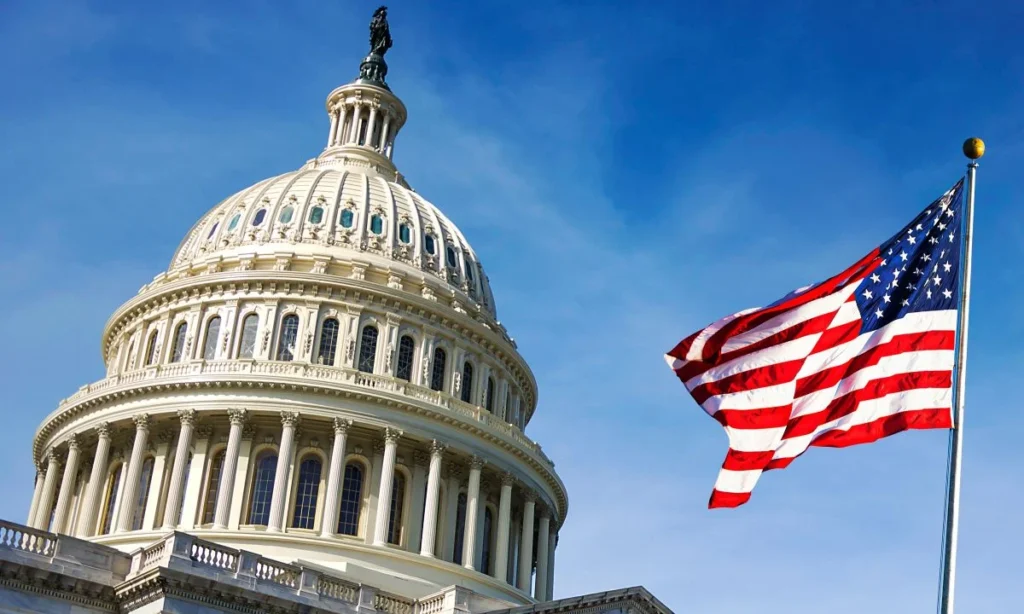
As the United States Senate approaches its scheduled August 7 recess, the legislative pathway for the long-awaited "Clarity Act"—a landmark cryptocurrency regulatory framework—is rapidly narrowing. With only three weeks remaining in the current session, political infighting, ethical concerns surrounding the executive branch, and technical disagreements between congressional committees have cast a long shadow over the bill’s prospects for passage.
The uncertainty has sent shockwaves through both the halls of Capitol Hill and the broader financial markets. While proponents argue that a federal standard for digital assets is essential to prevent the U.S. from falling behind in the global blockchain race, the reality of the Senate floor suggests that policy is currently moving at a pace that cannot keep up with the rapid evolution of private capital.
The Core Obstacles: Why the Bill is Stalled
The Clarity Act was designed to provide the much-needed legal framework for the burgeoning crypto industry. However, recent reporting indicates that the bipartisan consensus once hoped for has fractured under the weight of new political complexities.
Ethical Concerns and the "Trump Factor"
The most significant friction point involves a late-stage push by Democratic lawmakers to include rigorous ethics provisions. This development follows disclosures earlier this year that President Donald Trump earned approximately $1.4 billion from cryptocurrency ventures since the beginning of his second term.
Several Democrats involved in the negotiations have openly voiced concerns about the potential for conflicts of interest. The debate is no longer just about market regulation; it has morphed into a broader conversation about whether federal officials should be permitted to hold significant stakes in assets that they are simultaneously tasked with regulating. As of Friday, no bipartisan language addressing these ethical concerns has been successfully incorporated into the bill, leaving a wide gap between party expectations.
The Clash of Committees
Beyond ethics, the legislative process is suffering from a classic "two-cooks-in-the-kitchen" problem. The bill must reconcile two distinct versions of the legislation: one produced by the Senate Banking Committee and another by the Senate Agriculture Committee.
Reconciling these versions requires a degree of collaboration that is proving difficult to achieve under the current time constraints. The Banking Committee’s version typically leans toward strict financial oversight and consumer protection, while the Agriculture Committee’s approach is often viewed as more permissive, reflecting the industry’s desire for innovation-friendly regulation. Bridging this ideological divide in under 21 days is a tall order for a body as famously deliberative—and sometimes slow-moving—as the U.S. Senate.
Illicit Finance and Enforcement
Democrats are also pushing for more stringent safeguards against the use of cryptocurrencies for illicit finance. They argue that any bill granting regulatory "clarity" must simultaneously provide law enforcement with the tools to track money laundering, terrorism financing, and sanctions evasion. Industry lobbyists, meanwhile, warn that if the compliance burden is set too high, the U.S. will effectively drive crypto innovation into the hands of offshore, less-regulated jurisdictions.
A Chronology of the Legislative Struggle
To understand the current impasse, one must look at the recent trajectory of the crypto legislative cycle:
- Early 2026: Initial optimism surrounds the Clarity Act, with industry advocates and bipartisan groups of senators signaling a desire to establish a U.S. federal standard before the midterm election season intensifies.
- May 2026: The Senate Banking and Agriculture Committees finalize their respective drafts. Early hopes suggest a unified bill could hit the floor by mid-summer.
- June 2026: President Trump’s financial disclosures regarding his $1.4 billion in crypto-related earnings reach the public eye. The political atmosphere shifts instantly; Democrats pivot, demanding ethics-focused amendments to the Clarity Act.
- July 1, 2026: PYMNTS reports a widening disconnect between the speed of the private sector—which is aggressively implementing blockchain financial services—and the sluggish pace of public policy.
- July 8, 2026: Advocacy groups intensify their lobbying efforts, warning that the failure to pass the bill before the August recess could lead to long-term market stagnation.
- July 17, 2026: Bloomberg and Axios report that the "window for passage" is rapidly closing. Polymarket traders slash the odds of the bill passing before the recess to record lows, reflecting growing market pessimism.
Market Implications: Capital vs. Policy
The legislative stall has created a "waiting game" that is becoming increasingly expensive for the industry. While the Senate debates definitions and ethics, private capital is not standing still.
Financial institutions are currently faced with a choice: wait for the federal government to provide a clear roadmap or proceed with blockchain projects under the current, murky regulatory landscape. Many have chosen the latter, leading to a fragmented "regulation by enforcement" environment. This creates significant legal risk for firms that want to remain compliant but lack a clear rulebook to follow.
According to industry analysts, the "wait-and-see" approach currently being adopted by lawmakers is, in itself, a form of policy. By failing to act, the Senate is inadvertently favoring legacy financial institutions that have the legal resources to navigate uncertainty, while stifling smaller startups that require a stable environment to secure funding and scale operations.
Official Responses and Political Realities
The frustration is palpable among those who have spent months negotiating. Some senators who were initially viewed as "sure votes"—having supported the stablecoin-focused GENIUS Act—have recently expressed concerns about the Clarity Act or have chosen to stay silent.
This silence is telling. It suggests that the bill has become a political liability rather than a legislative trophy. Senators who are not members of the working committees have had little time to digest the complexities of the bill. With the August 7 recess deadline looming, many lawmakers are hesitant to commit to a bill that is highly technical and potentially controversial, preferring to wait until after the recess when they have more time for deliberation.
However, advocates argue that "waiting" is a luxury the U.S. economy cannot afford. "We are effectively stalling the modernization of the U.S. financial infrastructure," one industry lobbyist noted during a recent hearing. "If we don’t have a federal standard, the market will simply build its own, and it will do so without the protections that this bill was designed to provide."
The Path Forward: What Happens After August 7?
If the Senate fails to pass the Clarity Act before the August recess, the legislative outlook for the remainder of the year becomes murky. The post-recess calendar will be dominated by budget negotiations and the lead-up to the general election, leaving little room for complex, bipartisan financial legislation.
For the cryptocurrency sector, this means:
- Continued Regulatory Uncertainty: Firms will continue to operate in a gray area, subject to the whims of SEC and CFTC enforcement actions rather than clear, codified law.
- State-Level Fragmentation: As federal action stalls, more states will likely step in to create their own regulatory regimes, leading to a "patchwork" of laws that makes it difficult for national companies to operate efficiently.
- Capital Flight: Continued gridlock may force blockchain companies to seek more welcoming jurisdictions, potentially eroding the U.S. position as a global leader in digital asset innovation.
Conclusion
The Clarity Act stands at a crossroads. It is a piece of legislation that has been caught in the crossfire of ethics, party politics, and procedural constraints. While the goal of providing a clear regulatory framework remains popular in theory, the practical implementation has proven to be a minefield.
As the August 7 deadline approaches, the question remains: will the Senate prioritize the long-term stability of the U.S. financial system, or will the short-term political pressures of the day continue to keep the Clarity Act locked in legislative purgatory? For now, the market—and the nation—waits.