The Long Arc of Resistance: Reclaiming Bodily Autonomy in an Era of State Control
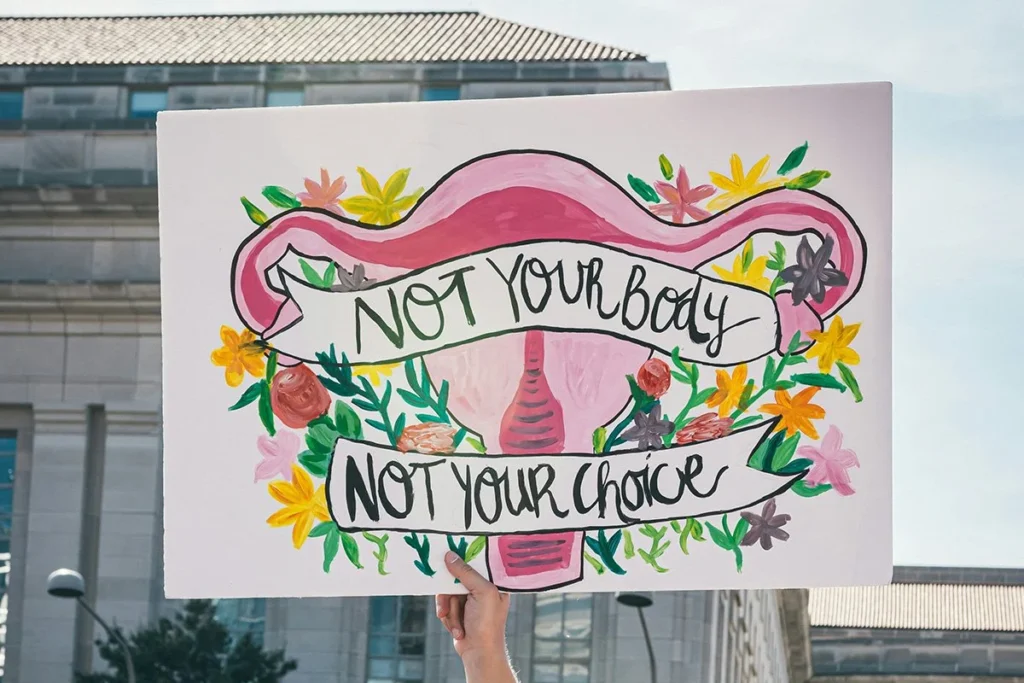
Since the Supreme Court’s 2022 decision in Dobbs v. Jackson Women’s Health Organization, the landscape of reproductive healthcare in the United States has undergone a seismic shift. By overturning the constitutional right to abortion, the Court effectively dismantled fifty years of legal precedent, ushering in a new era of state-level restrictions, aggressive litigation, and the criminalization of patients, their families, and medical providers. As the anti-abortion movement intensifies its campaign to exert control over reproductive life, the struggle for bodily autonomy has revealed itself not as a straight line of progress, but as a cyclical battle against state intrusion that dates back over two centuries.
The Current Crisis: A Coordinated Strategy of Control
The post-Dobbs environment is characterized by a sophisticated, well-funded, and highly coordinated effort to curtail abortion access nationwide. This strategy extends beyond states that have enacted total bans, reaching into jurisdictions that have attempted to shield patients and providers through "shield laws." These laws, designed to protect individuals from out-of-state legal repercussions, are now the primary battleground for reproductive rights.
The multi-pronged assault on reproductive healthcare currently includes four major pillars:
- Targeting Medication Abortion: Anti-abortion groups are applying intense pressure on federal agencies to restrict access to mifepristone, the medication used in over 60% of U.S. abortions. This includes efforts to ban telehealth distribution, forcing patients into unnecessary, burdensome in-person visits.
- Legislative Aggression: State-level bills are increasingly targeting not just doctors, but the support networks surrounding a patient—family members, friends, and anyone assisting in travel for care.
- Legal Warfare (Lawfare): Anti-abortion actors are pursuing civil and criminal actions against providers in "safe" states, attempting to test the durability of shield laws in federal courts.
- The "Zombie" Law: Perhaps most alarming is the push to revive the Comstock Act of 1873. Long dormant, this anti-vice law prohibits the mailing of "obscene" materials. Modern activists are attempting to reinterpret the statute to criminalize the mailing of all abortion-related medications and medical equipment, a move that could effectively create a nationwide abortion ban, regardless of state policy.
These attacks are gaining traction. The FDA is currently under pressure to review the safety record of mifepristone based on largely debunked claims, while providers face increasing threats to their professional licenses and looming civil and criminal liability. The result is a chilling effect that permeates the entire healthcare system.
Historical Chronology: From Community Care to Criminalization
To understand the present, one must look at the roots of reproductive medicine in North America. For centuries, reproductive healthcare was deeply embedded in Indigenous and African cultural traditions.
The Era of Indigenous and Black Midwifery
Before European colonization, Indigenous peoples across North America utilized a vast pharmacopeia—including black cohosh, false hellebore, and thistles—to manage fertility and induce abortion. This knowledge was communal and passed down through generations. Similarly, enslaved Africans brought extensive botanical expertise to the American colonies, using substances like cotton root and alum water to control their own reproduction.
For enslaved people, this knowledge was a profound act of resistance. The plantation economy relied on the forced reproduction of enslaved labor for profit. By controlling their own fertility, enslaved women directly undermined the economic foundations of the institution of slavery. Plantation doctors, recognizing this, disparaged these traditions, labeling them "primitive" while simultaneously conducting forced medical experimentation on Black women to advance their own careers.
The Professionalization of Exclusion
Following the Civil War, a coordinated effort by the emerging class of White male gynecologists sought to delegitimize midwifery. By framing Black and Native birth workers as unscientific and incompetent, these professionals successfully lobbied for licensing requirements and restrictive regulations that effectively pushed these traditional healers out of the profession. This era also saw the passage of the Comstock Act in 1873, which codified the moralistic desire to restrict access to information about contraception and abortion.
The 20th Century Legal Seesaw
The 20th century was marked by a series of legal confrontations. In 1914, Margaret Sanger was arrested for distributing information about birth control in her journal, The Woman Rebel. The raids on her clinics and the subsequent arrests of activists like Emma Goldman served as a warning: the state viewed the provision of reproductive information as a criminal enterprise.
It was not until the 1965 Griswold v. Connecticut decision that married couples secured a constitutional right to contraception, followed by the landmark Roe v. Wade ruling in 1973. However, even during the Roe era, marginalized communities remained excluded from the full promise of reproductive freedom, facing systemic barriers such as forced sterilization campaigns and chronic underfunding of maternal health in rural and minority-majority areas.
Supporting Data: The Cost of Restricted Access
The consequences of these legislative and cultural shifts are quantifiable and devastating. Since 2020, 139 rural hospital labor and delivery units have closed or ceased operations. This represents a 13% reduction in access to essential maternal care in five years. Currently, only 41% of U.S. states possess adequate rural obstetric units.
These closures disproportionately impact Black, Brown, and Native populations, exacerbating a pre-existing racialized maternal health crisis. In many of these regions, the infant and maternal mortality rates are among the highest in the developed world. Despite the clear need for community-based care, providers in many states are now being pressured by federal entities to ignore these racial disparities or face the loss of critical funding.
Official Responses and Judicial Signaling
The legal landscape has become increasingly hostile, with the judiciary playing an active role in the erosion of rights. Supreme Court Justice Clarence Thomas recently signaled a dangerous path forward in a dissenting opinion, where he referred to the actions of providers in shield-law states as a "criminal enterprise." This rhetoric provides a roadmap for lower courts to ignore state-level protections and prioritize federal enforcement of archaic laws like the Comstock Act.
Furthermore, state attorneys general in places like Texas and Louisiana have actively collaborated with anti-abortion groups to enforce "bounty hunter" laws such as SB 8 and HB 7. These laws deputize private citizens, turning neighbors against neighbors and creating a climate of surveillance that makes the provision of legal healthcare nearly impossible.
Implications: Building a Future of Collective Care
The closure of institutions like the Afiya Center in North Texas—the only Black-owned reproductive justice center in the region—serves as a somber bellwether for the future of reproductive healthcare. The relentless state pressure on such organizations signals an intent to dismantle the infrastructure of community-based support.
However, the response from activists is one of resilience and innovation. Organizations such as the Southern Birth Justice Network (SBJN), the Black Mamas Matter Alliance, and the Ancient Song Doula Network are operating on a "Birth Justice Framework." This framework recognizes that reproductive rights are not merely about the legality of a procedure; they are about the right to bodily autonomy, the right to choose the circumstances of one’s birth, and the right to community-based, culturally responsive care.
The creation of the Olamina House in North Miami—a Black-led birthing center inspired by the Afrofuturist works of Octavia Butler—highlights a pivot toward long-term sustainability. By building infrastructure that honors the humanity of patients, these organizers are demonstrating that reproductive justice is not just a defensive battle, but a proactive project.
As we navigate the current landscape of legal "lawfare" and state-sanctioned surveillance, the history of the past 250 years offers a crucial lesson: when the state seeks to govern the womb, the most powerful tool for survival is collective care. The resistance of Indigenous and Black birth workers remains the blueprint for a future where autonomy is not a privilege granted by the courts, but a fundamental, inherent right. By weaving together the lessons of the past with the radical possibilities of the future, activists are continuing to build a movement that is, as Olamina’s founders suggest, the true wealth of our society.