Navigating the Modern Market: Insights and Strategic Outlook from Main Management
In an era defined by rapid technological shifts, evolving geopolitical landscapes, and unpredictable macroeconomic data, the role of the investment strategist has never been more critical. For advisors and individual investors alike, the challenge lies not just in identifying growth, but in managing the persistent volatility that characterizes the current market cycle. As part of an ongoing commitment to transparency and education, Main Management has recently released a comprehensive strategic deck—a roadmap designed to navigate the complexities of today’s financial environment.
This report delves into the core tenets of that strategy, examining how asset allocation, thematic investing, and rigorous risk management form the bedrock of the firm’s approach to capital preservation and long-term growth.

The Core Philosophy: A Framework for Modern Investing
At the heart of the Main Management approach is a philosophy that prioritizes adaptability. The firm recognizes that the “set-it-and-forget-it” model of passive indexing is increasingly insufficient in a market where sector rotation can occur with breathtaking speed. By utilizing a tactical overlay, Main Management seeks to capitalize on market inefficiencies while hedging against systemic downturns.
The Role of Thematic Allocation
One of the primary pillars of the current strategy involves the integration of thematic ETFs. Unlike broad-market exposure, which can often lead to a concentration in legacy companies that may be losing their competitive edge, thematic investing allows for targeted exposure to secular trends. Whether it is the proliferation of artificial intelligence, the transition to sustainable energy, or the shifting demographics of the global workforce, these themes act as tailwinds for portfolio performance.
Chronology of Market Shifts: From Recovery to Resilience
To understand why current strategies are structured the way they are, one must look at the recent trajectory of the global economy.
- Phase 1: The Post-Pandemic Rebound: Following the initial shocks of the early 2020s, markets experienced a period of unprecedented liquidity, driving valuations to historic highs. During this time, the emphasis was on growth at any cost.
- Phase 2: The Inflationary Correction: As supply chains tightened and geopolitical tensions flared, the market entered a period of recalibration. Interest rates rose, forcing a pivot from high-growth speculative assets toward value and dividend-paying equities.
- Phase 3: The Innovation-Driven Plateau: Currently, we are in a phase where the market is bifurcated. On one side, companies with deep moats and strong cash flows are thriving; on the other, businesses that failed to adapt to the higher-cost-of-capital environment are struggling. Main Management’s recent slides highlight the importance of being on the right side of this divide.
Supporting Data: Visualizing the Strategy
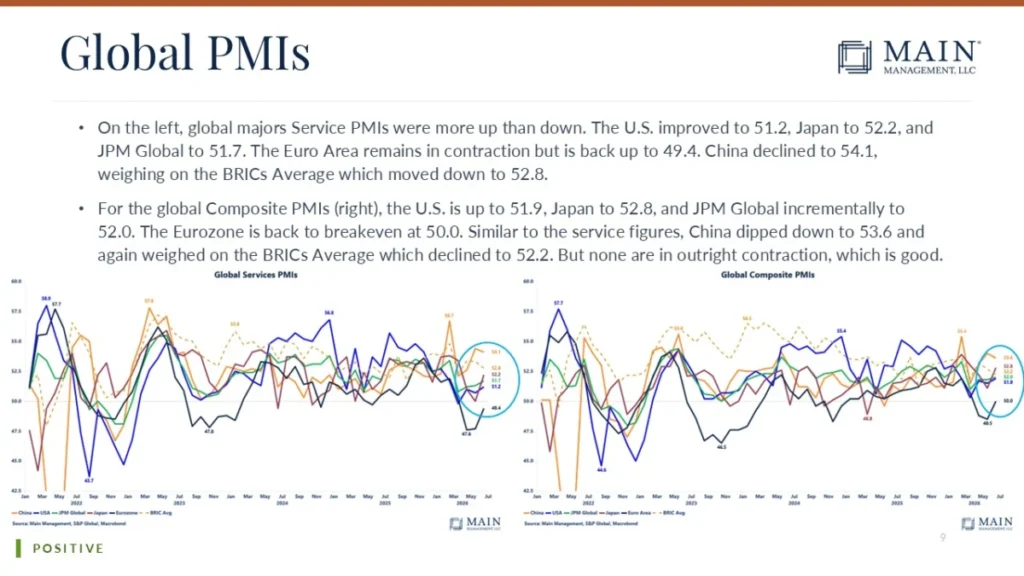
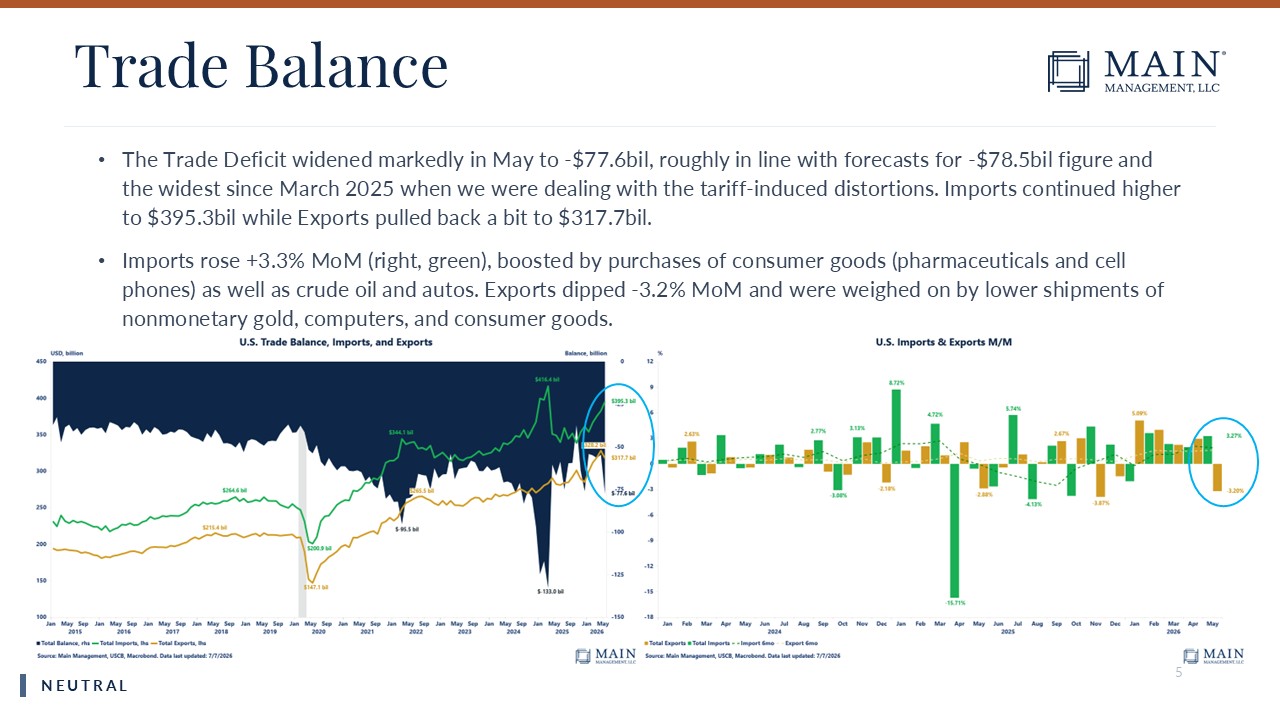
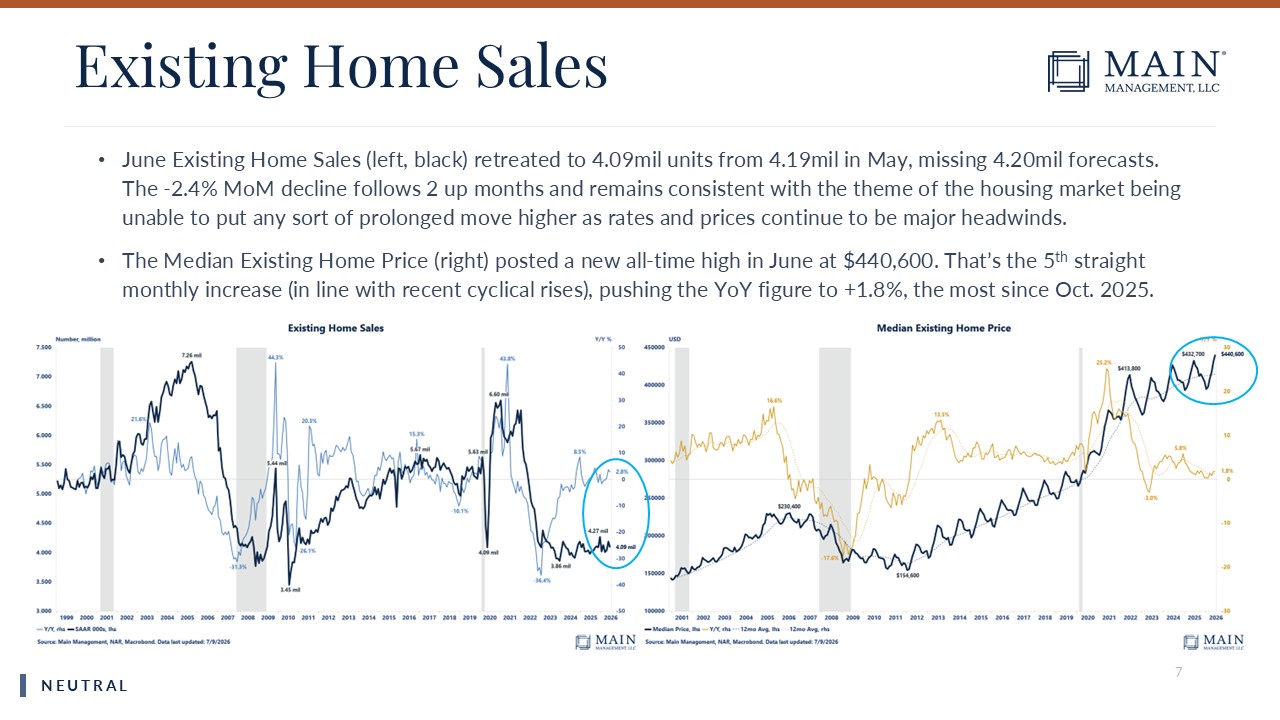
The accompanying data visualizations provided by Main Management serve as a diagnostic tool for investors. By analyzing historical performance metrics against various macroeconomic indicators, the firm illustrates the necessity of "active participation" in the ETF space.
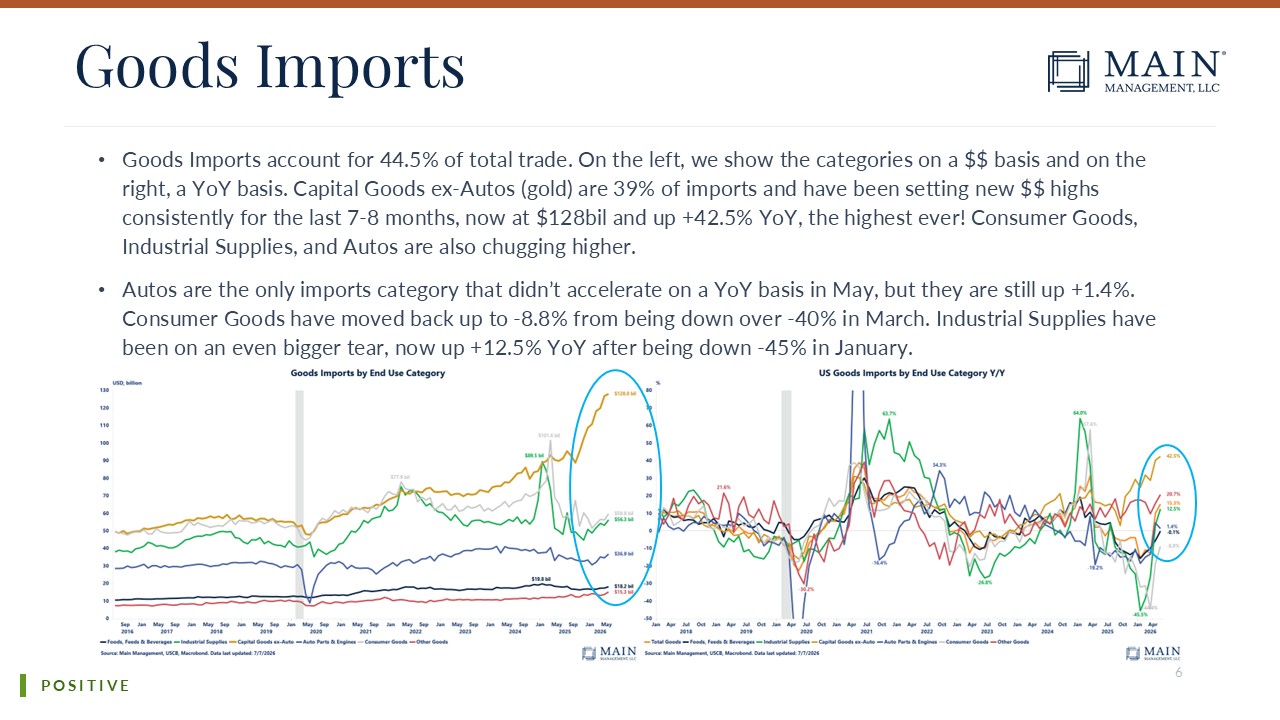
Key data points highlighted in the firm’s latest documentation include:
- Correlation Analysis: A breakdown of how different asset classes have moved in relation to one another during high-inflation periods.
- Sector Performance Divergence: A look at the widening gap between technology-heavy growth indices and traditional industrial sectors, suggesting that diversification across both is essential.
- Risk-Adjusted Returns: Comparisons of volatility-managed portfolios versus pure market-cap-weighted strategies, demonstrating the "Main Management edge" in protecting downside risk.
Official Perspectives: The Leadership Outlook
Main Management CEO Kim Arthur has been a vocal proponent of staying engaged with the market through active management. According to Arthur, the current environment is not one to be feared, but one to be navigated with precision. Through his frequent commentary on social media and industry forums, he emphasizes that the "buy-and-hold" mantra must be tempered with "buy-and-watch" vigilance.
"The market is constantly telling us a story," Arthur noted in recent discussions. "If you aren’t listening to the data—if you aren’t paying attention to the signals coming from the bond market or the shift in corporate earnings expectations—you are flying blind."
Contact and Engagement
For those seeking to align their portfolios with these strategic insights, the firm offers a direct line of communication. Darol Ryan, Head of Sales and National Accounts at Main Management, serves as the primary liaison for those interested in institutional-grade strategic advice. By facilitating deeper conversations between the firm’s investment committee and their clients, Main Management ensures that their strategies remain aligned with the specific goals and risk tolerances of their investors.
Implications for the Future: What Investors Must Know
The shift in the global financial architecture has profound implications for the coming decade. As we look ahead, three key trends are expected to dictate market behavior:
1. The Death of Low-Interest-Rate Reliance
For over a decade, markets were bolstered by the "zero-interest-rate policy" (ZIRP) environment. That era is effectively over. The implication for investors is that they must now seek out companies with pricing power—firms that can pass on costs to consumers without losing market share.
2. The Rise of "Active-Passive" Hybridity
The future of portfolio construction is increasingly leaning toward a hybrid model. Investors are using low-cost passive ETFs for core exposure while supplementing these holdings with active, thematic ETFs to capture alpha. Main Management’s strategy aligns perfectly with this trend, providing the necessary tools to build a robust, modernized portfolio.
3. Geopolitical Risk as a Permanent Variable
Supply chain re-shoring, trade restrictions, and energy security are no longer "black swan" events; they are daily realities. A strategy that does not account for the geographic footprint of a company’s revenue stream is inherently exposed. The current Main Management outlook incorporates these global shifts, ensuring that portfolios are not overly reliant on any single region’s economic health.
Conclusion: A Call to Action for the Prudent Investor
As the financial landscape continues to transform, the value of professional guidance cannot be overstated. Whether you are a financial advisor looking to better serve your clients or an individual investor trying to make sense of the noise, the strategies outlined by Main Management offer a clear, data-driven path forward.
By focusing on high-conviction themes, maintaining a flexible tactical approach, and prioritizing risk-adjusted growth, investors can better position themselves to weather the storms and capture the opportunities of the future.
Connect with the Team:
- Inquiries: For detailed information on how these strategies can be integrated into your investment framework, reach out to Darol Ryan at Main Management.
- Market Intelligence: Stay updated with the latest commentary from CEO Kim Arthur on Twitter.
- Professional Networking: Engage with the firm’s latest developments via Main Management on LinkedIn.
In a market that rewards preparation over reaction, aligning yourself with a firm that understands the intricacies of the modern financial system is the most significant step you can take toward your long-term financial success. The slides and data provided by the firm serve as a testament to their commitment to providing not just products, but the knowledge required to succeed in a complex, ever-changing world.