Beyond Mint: Analyzing the Best Financial Management Alternatives Following Intuit’s Sunset of the Budgeting Pioneer
The landscape of personal finance management underwent a massive shift when Intuit officially closed the doors of Mint.com, once the undisputed king of free online budgeting. For nearly two decades, millions of users relied on Mint to aggregate their bank accounts, track monthly expenditures, and monitor their net worth.
Today, former Mint users find themselves at a critical crossroads. The market has responded with a diverse array of platforms, ranging from premium subscription-based applications to automated spreadsheet trackers and free, investment-focused alternatives. This comprehensive analysis evaluates the top seven Mint replacements, exploring their features, pricing, and suitability for various financial goals.
Chronology of an Era: The Rise and Fall of Mint.com
To understand the current state of the personal finance app market, one must examine the trajectory of Mint.com, which pioneered the modern financial aggregation industry.
- 2007: The Launch of a Pioneer
Mint.com launched at the TechCrunch40 conference, instantly capturing public attention by offering a clean, automated way to aggregate financial accounts using secure data-scraping technologies. It eliminated the tedious manual entry required by legacy desktop software. - 2009: The Intuit Acquisition
Recognizing Mint’s disruptive potential, software giant Intuit acquired the startup for $170 million. Under Intuit, Mint’s user base expanded to over 20 million registered users. However, over the subsequent decade, users increasingly complained of stagnation, frequent synchronization errors, and an ad-heavy interface. - Late 2023: The Death Knell
Intuit announced it would shut down Mint.com, advising users to migrate to Credit Karma—another Intuit property. However, Credit Karma lacks the robust, customizable budgeting frameworks that made Mint famous, focusing instead on credit monitoring and financial product cross-selling. - Early 2024: The Final Sunset
Mint officially ceased operations, triggering a massive migration of users seeking alternative platforms to house their historical financial data and maintain control over their budgets.
Official Responses and Strategic Shifts: Why Intuit Sunsetted Mint
The decision to shutter Mint reflects a broader shift in the fintech business model. For years, Mint operated on an ad-supported model, offering its platform for free while generating revenue by recommending credit cards, loans, and high-yield savings accounts to its users.
Industry analysts note that this model became increasingly difficult to sustain. The cost of maintaining secure, high-bandwidth API connections to thousands of financial institutions through aggregators like Plaid, Finicity, and Yodlee has skyrocketed. Simultaneously, consumer tolerance for invasive advertising declined, and privacy regulations tightened.
By migrating users to Credit Karma, Intuit consolidated its consumer financial data operations under a highly profitable platform designed specifically for lead generation. While this move aligned with Intuit’s corporate profitability goals, it left a massive void in the market for dedicated consumer budgeting tools—a void that agile competitors have eagerly rushed to fill.
Supporting Data: In-Depth Evaluation of the Top 7 Mint Alternatives
For consumers seeking a new financial home, the following seven platforms represent the best options currently available, categorized by their primary strengths.
+-------------------+-------------------+-------------------+-----------------------------------------+
| Platform          | Annual Cost       | Free Trial        | Best For                                |
+-------------------+-------------------+-------------------+-----------------------------------------+
| Monarch Money     | $99.00            | 7 Days            | Overall Budgeting & Couples             |
| Empower           | Free              | N/A               | Investment & Net Worth Tracking         |
| Quicken Simplifi  | $41.88 ($3.49/mo) | None              | Mobile-First Automated Budgeting        |
| Origin            | $99.00            | 7 Days            | All-in-One Wealth & Tax Management      |
| Tiller Money      | $79.00            | 30 Days           | Spreadsheet Enthusiasts (Excel/Sheets)  |
| Quicken Classic   | Varies by Tier    | None              | Deep Desktop-Based Financial Planning   |
| YNAB              | $109.00           | 34 Days           | Strict Zero-Based Budgeting             |
+-------------------+-------------------+-------------------+-----------------------------------------+
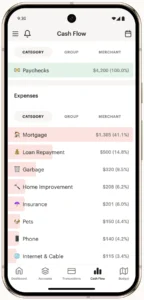
1. Monarch Money — Best Overall Budgeting App
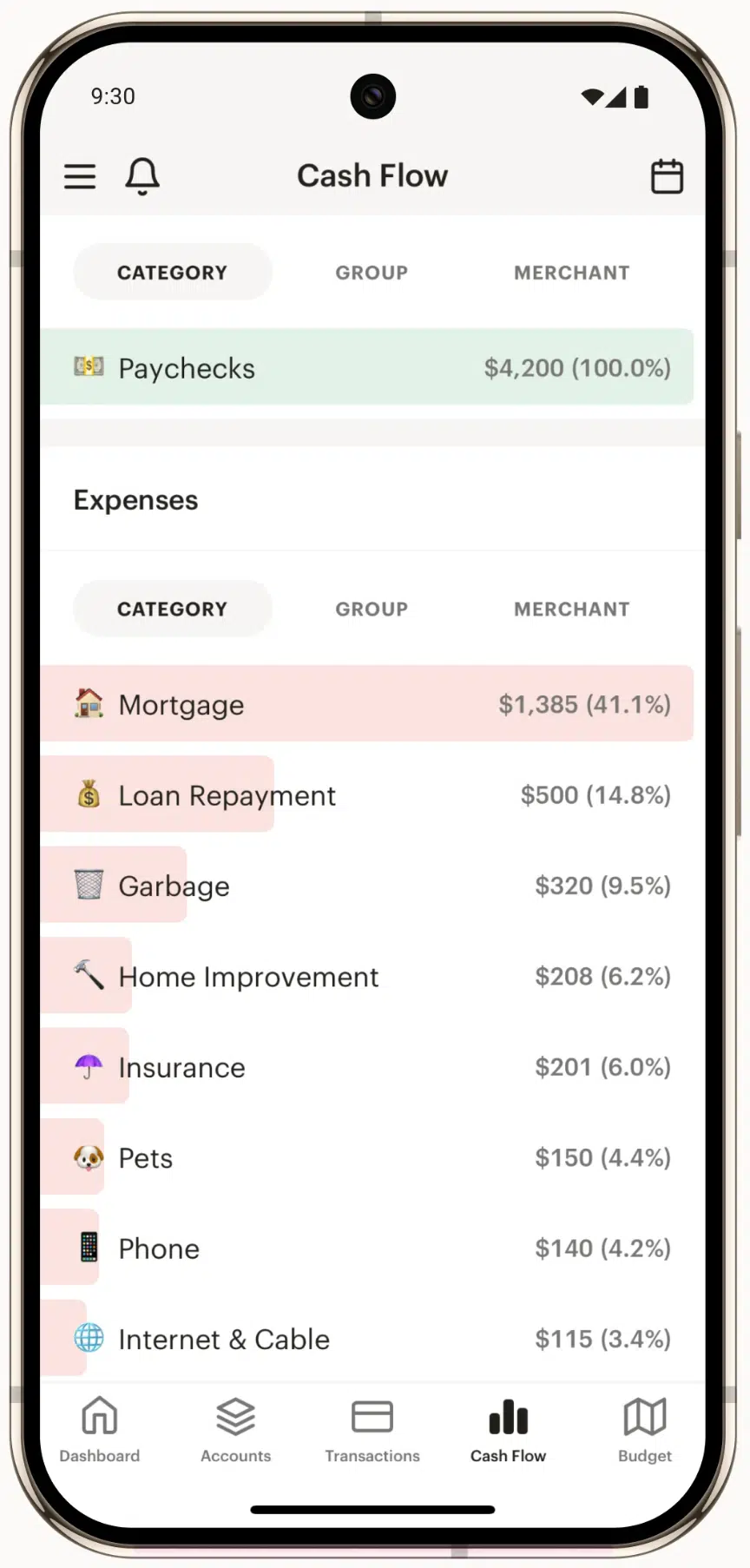
Developed in part by Val Agostino, the original product manager of Mint.com, Monarch Money was built specifically to address the long-term flaws of its predecessor. It has quickly emerged as the gold-standard replacement for displaced Mint users.
- App Store Rating: 4.9/5 (88k reviews)
- Google Play Rating: 4.8/5 (21.2k reviews)
- Pricing: $99.00/year (or $14.99/month). A promotional code (ROB50) offers 50% off the first year of the Core Plan.
Key Features and Capabilities
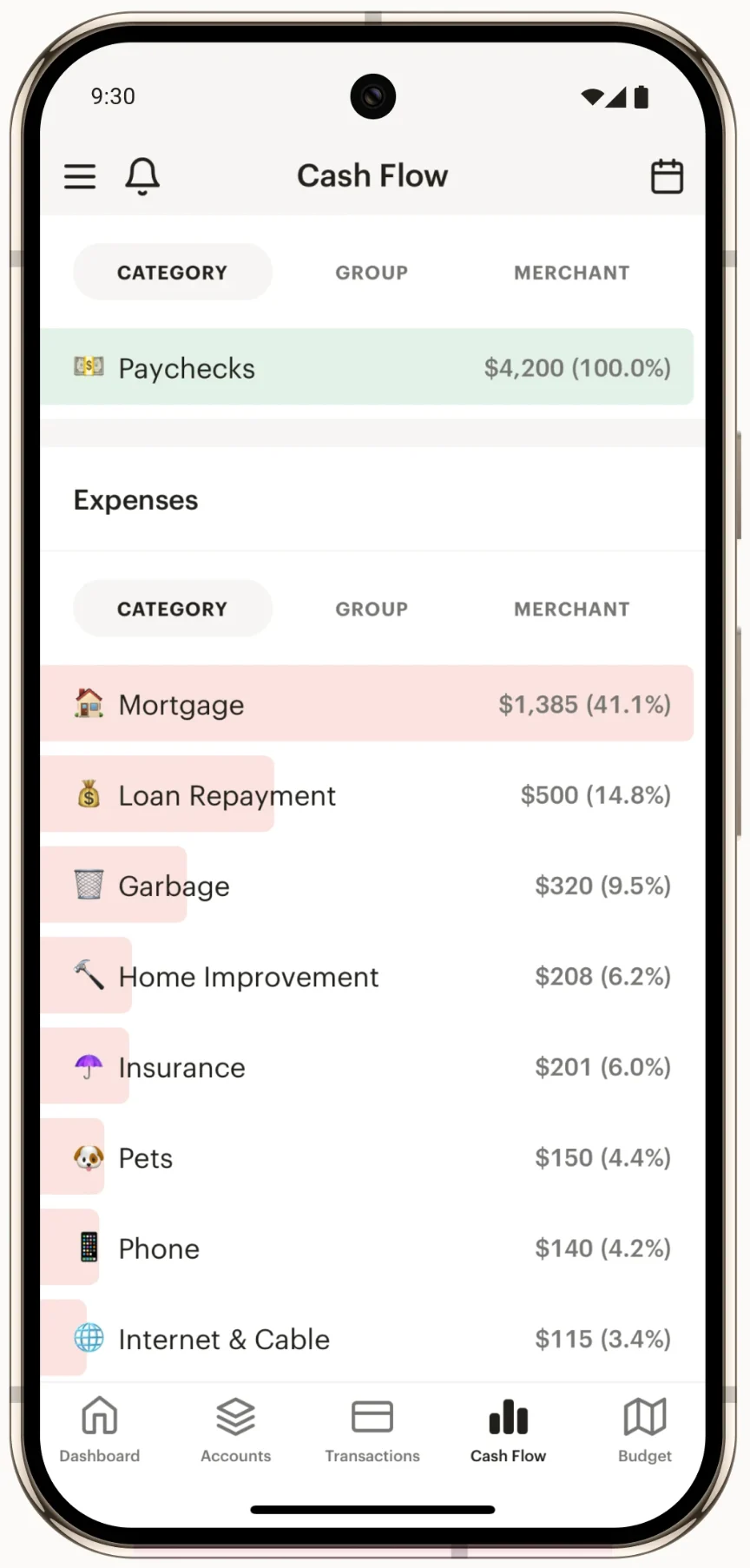
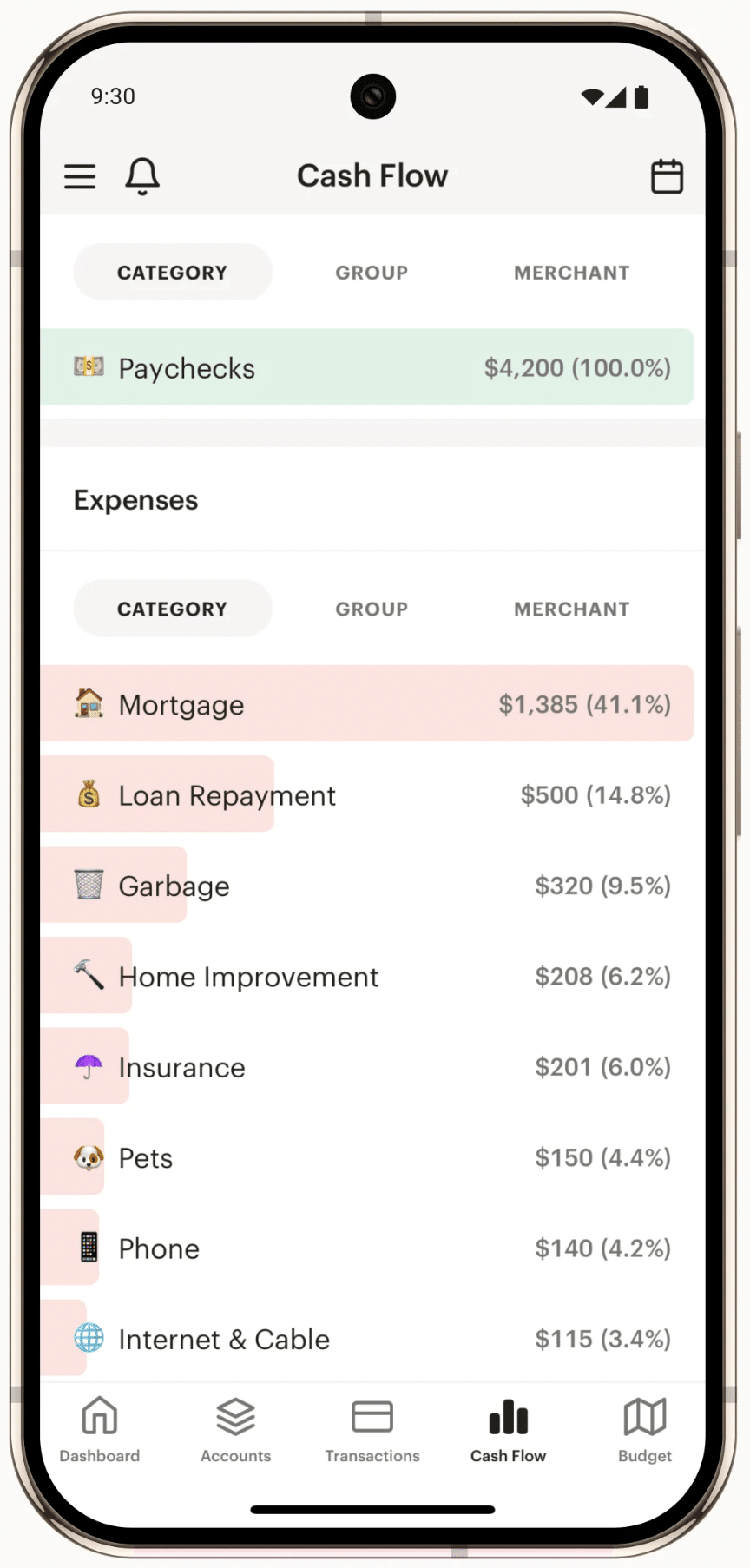
Monarch excels at data aggregation, employing multiple data networks (Plaid, Finicity, MX) to ensure stable bank connections. It features a highly customizable dashboard that displays net worth, monthly spending, and progress toward financial goals.
Monarch recently introduced Flex Budgeting, designed to accommodate variable monthly expenses, such as utility bills or seasonal spending, preventing rigid budget structures from breaking down. Additionally, the platform provides free access to the user’s VantageScore 3.0 credit score.
The Collaborative Advantage
Unlike many competitors, Monarch allows couples to collaborate on a single subscription at no additional charge. Partners can maintain separate logins while viewing joint accounts, making it highly effective for household financial management.
2. Empower — Best Free Option for Investment Tracking
For users who refuse to pay a subscription fee and are primarily focused on long-term wealth building rather than granular monthly budgeting, Empower (formerly Personal Capital) is the premier choice.

- Pricing: Free
- Platforms: Web, iOS, Android
Wealth-Focused Features
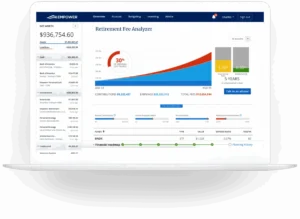
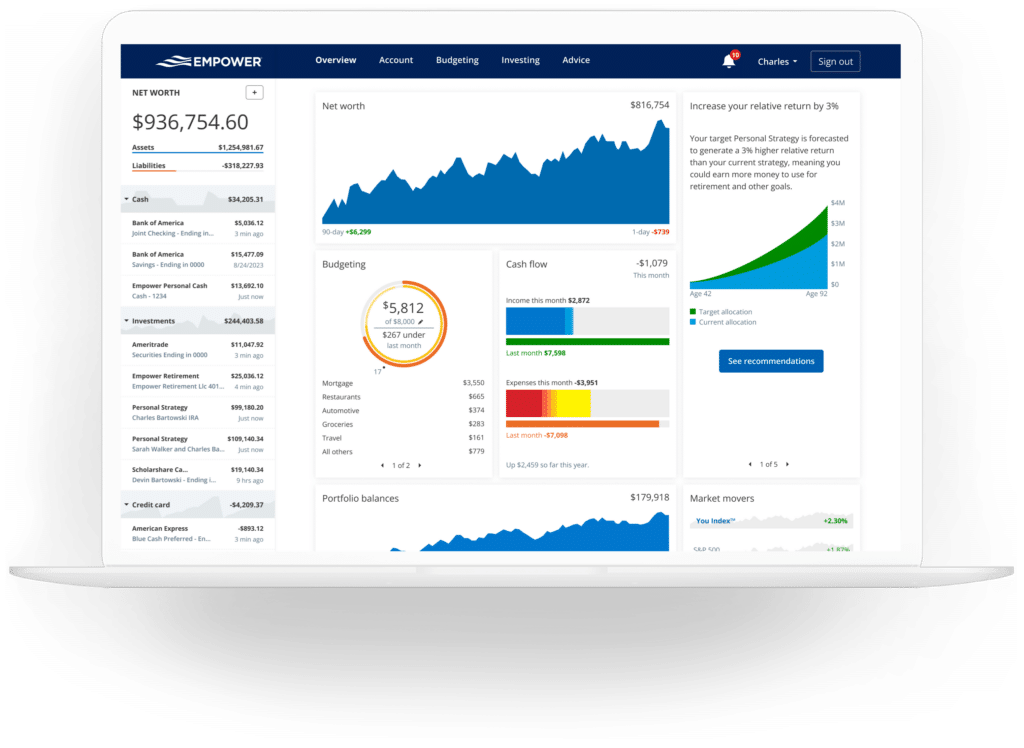
Empower provides a comprehensive, high-level view of an individual’s net worth. Its dashboard excels at tracking investment portfolios across brokerage accounts, IRAs, and 401(k)s.
Key tools include:
- Investment Fee Analyzer: Scans portfolios to identify hidden mutual fund and advisory fees that erode long-term returns.
- Retirement Planner: Runs Monte Carlo simulations to calculate the probability of retirement success based on current savings rates and market projections.
- Smart Weighting Asset Allocation: Compares the user’s current portfolio allocation against an optimized "Smart Weighting" model.
While Empower does offer basic budgeting and cash flow tracking, it lacks the detailed envelope-budgeting systems or transaction-rule customization found in paid alternatives.
3. Quicken Simplifi — Best Budgeting App for Smartphones
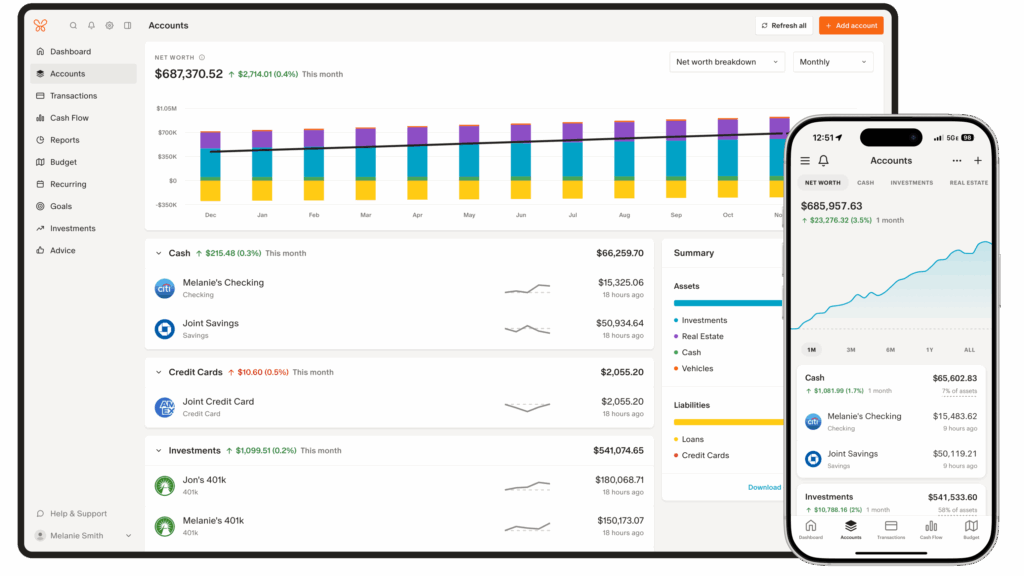
Quicken Simplifi is a modern, cloud-native application built from the ground up by the creators of Quicken Classic. It is designed specifically for mobile-first users who want automated, hands-off budget tracking.
- Pricing: $3.49/month (billed annually at $41.88; a 50% discount from the standard $6.99/month rate).
- Platforms: iOS, Android, Web
Automated Spending Plans
Simplifi automatically generates a personalized "Spending Plan" by analyzing your historical income and recurring bills. Rather than forcing users to manage rigid categories, it calculates how much "spendable" income remains after accounting for bills, savings goals, and pending transactions.
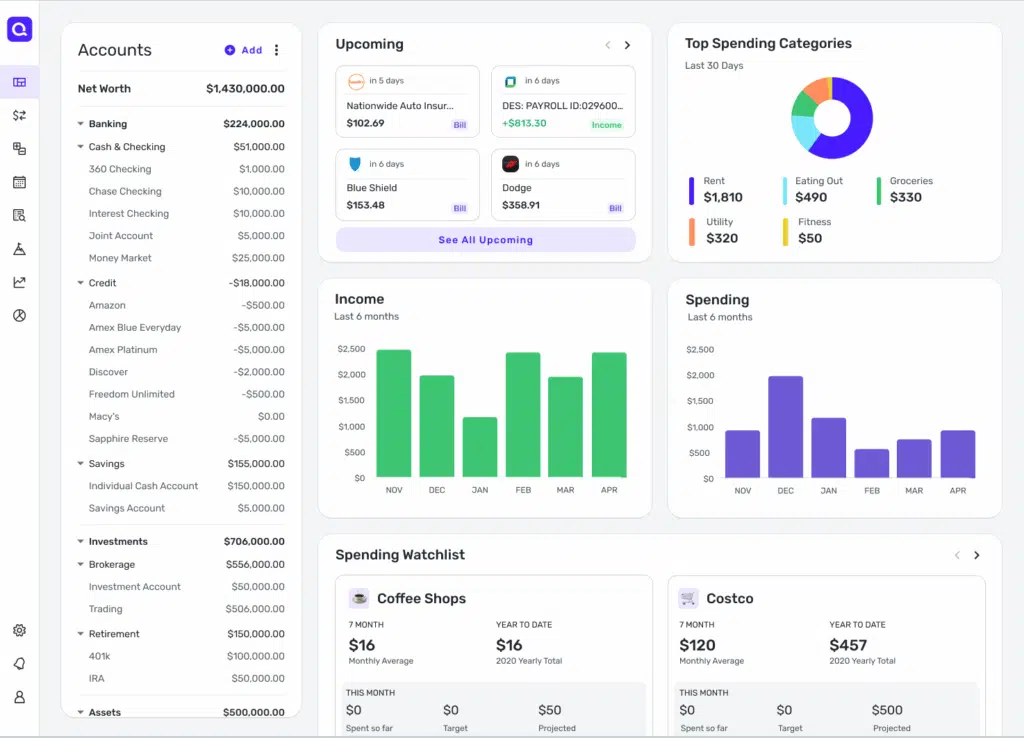
It features a robust calendar view to track upcoming bill payments, helping users avoid overdrafts and late fees.
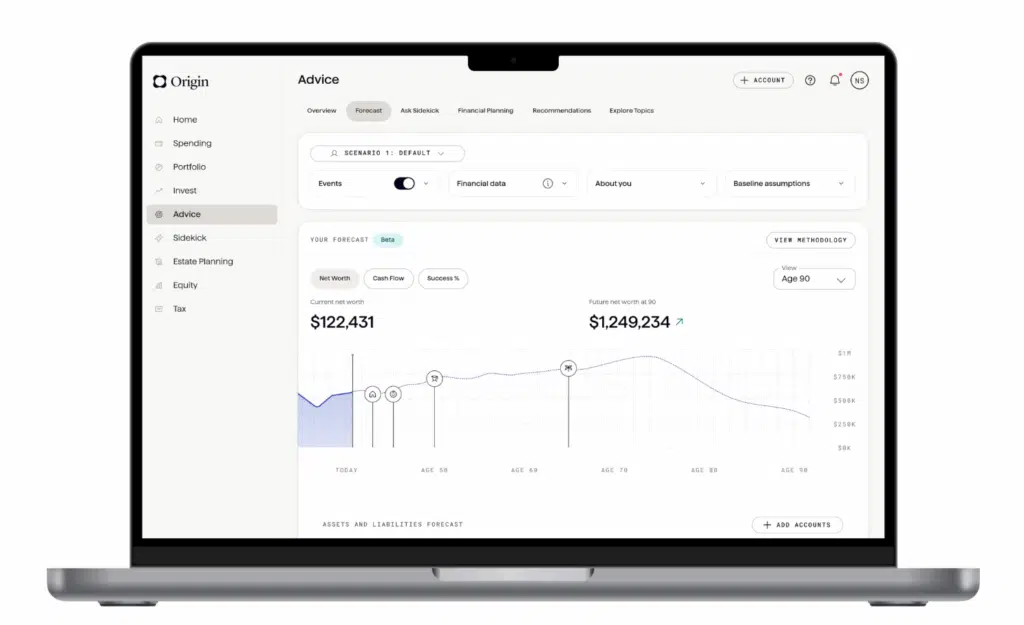
4. Origin — Most Comprehensive Wealth Platform
Origin is a unique, high-end fintech platform that expands far beyond basic budgeting to act as a comprehensive virtual family office.
- Pricing: $12.99/month or $99.00/year (currently offering a promotional $1 trial for the first year).
- Platforms: Web, iOS, Android
An All-Inclusive Financial Ecosystem
Origin integrates financial services that typically require multiple separate subscriptions. Beyond basic account aggregation and budgeting, Origin includes:
- Tax Preparation: Members can file federal and state taxes directly through the platform at no extra cost.
- Estate Planning: Tools to draft legally binding wills and trusts.
- AI Financial Assistant: An advanced artificial intelligence engine that analyzes the user’s actual financial data to answer complex questions (e.g., modeling how to build an emergency fund or optimizing debt paydown).
- Equity Tracking: Live tracking of stock options, RSUs, and private equity.
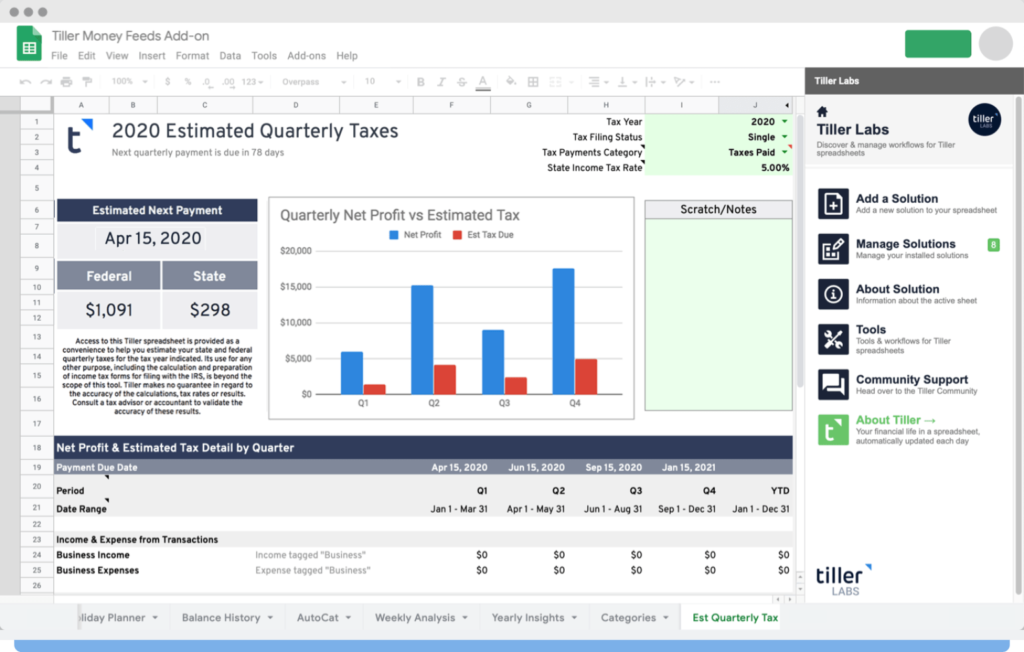
5. Tiller Money — Best for Spreadsheet Enthusiasts
For individuals who prefer the absolute control of Microsoft Excel or Google Sheets but dislike manual data entry, Tiller Money offers a powerful middle ground.
- Pricing: $79.00/year (following a 30-day free trial).
- Platforms: Google Sheets and Microsoft Excel (optimized for desktop use).
Automated Spreadsheet Feeds
Tiller securely connects to over 21,000 financial institutions and automatically feeds transactions and balances daily into a designated spreadsheet. Users can utilize Tiller’s pre-built templates—such as the Foundation Template—or design completely customized dashboards.
The platform’s primary limitation is mobile usability. While Google Sheets and Excel have mobile apps, managing complex spreadsheets on a smartphone screen remains difficult.
6. Quicken Classic — Best for Desktop Power Users
Dating back to the 1980s, Quicken Classic remains the most powerful and detailed financial software package on the market, though it has evolved into a subscription-based model.
- Pricing: Varies by tier (Starter, Deluxe, Premier).
- Platforms: Windows and macOS desktop clients.
Quicken Classic is designed for users who require highly detailed tax reporting, investment tracking, and property management tools. It offers unmatched reporting capabilities and can handle complex transactions like rental property depreciation and business expense tracking. However, its user interface can feel dated, particularly on Windows, and it lacks the modern, fluid mobile experience of its cloud-native competitors.
7. YNAB (You Need A Budget) — Best for Zero-Based Budgeting
YNAB is a highly specialized application built around the philosophy of zero-based budgeting, where every dollar of income is assigned a specific "job" before it is spent.
- Pricing: $14.99/month or $109.00/year.
- Platforms: Web, iOS, Android, Apple Watch
Proactive Cash Management
Unlike Mint, which was largely reactive (showing you where you already spent your money), YNAB is strictly proactive. It forces users to budget only the money they currently have in their accounts, rather than forecasting future income.
While YNAB has an incredibly passionate user base, it does not support investment portfolio analysis, fee tracking, or automated net worth forecasting. Its high price point makes it a premium tool strictly for disciplined expense management.
Implications: The Evolving Landscape of Personal Finance Technology
The transition from Mint to paid alternatives highlights several key shifts in consumer technology and privacy.
1. The Death of the "Free" Business Model
With the exception of Empower, which uses its free software as a funnel to pitch its paid wealth management advisory services, the era of high-quality, free budgeting software is largely over.
Consumers are realizing that when a service is free, their data is the product. Subscription-based platforms like Monarch Money and YNAB align their incentives directly with the user: they charge a fee in exchange for keeping data private and ad-free.
2. The Rise of Secure Open Banking
The technology powering these apps has matured. While Mint historically relied on unstable screen-scraping methods that broke whenever a bank updated its website, modern alternatives utilize secure Open Banking APIs.
These connections, facilitated by networks like Plaid and Finicity, allow users to share financial data securely via tokenized access without ever sharing their actual banking passwords with the third-party app.
3. Smooth Data Migration
The industry has quickly adapted to accommodate displaced Mint users. Most premium platforms now feature dedicated import tools that allow users to upload their historical Mint CSV files, preserving years of transactional history and trends.
Methodological Overview: How the Alternatives Were Evaluated
To establish these recommendations, financial platforms were evaluated across a rigorous set of criteria designed to isolate true utility from marketing claims:
- Sync Reliability: The frequency of connection drops across major national banks, local credit unions, and brokerage firms.
- Feature Breadth: The balance between reactive tracking (net worth, past spending) and proactive planning (budgets, goals).
- User Experience (UX): The design quality, speed, and ease of navigation on both desktop and mobile operating systems.
- Value Proposition: Whether the platform’s features justify its subscription cost compared to free options.
- Data Portability: The ease of importing legacy data and exporting current transactions to prevent platform lock-in.
Ultimately, the best alternative depends on individual financial priorities. Investors will find their needs met by Empower, spreadsheet lovers by Tiller, and mobile-first budgeters by Simplifi. For those seeking the most complete, polished, and balanced replacement for Mint, Monarch Money stands out as the market’s premier successor.