The Electric Paradox: Why the Chevrolet Silverado EV Struggles to Find Its Footing in a Truck-Obsessed Market
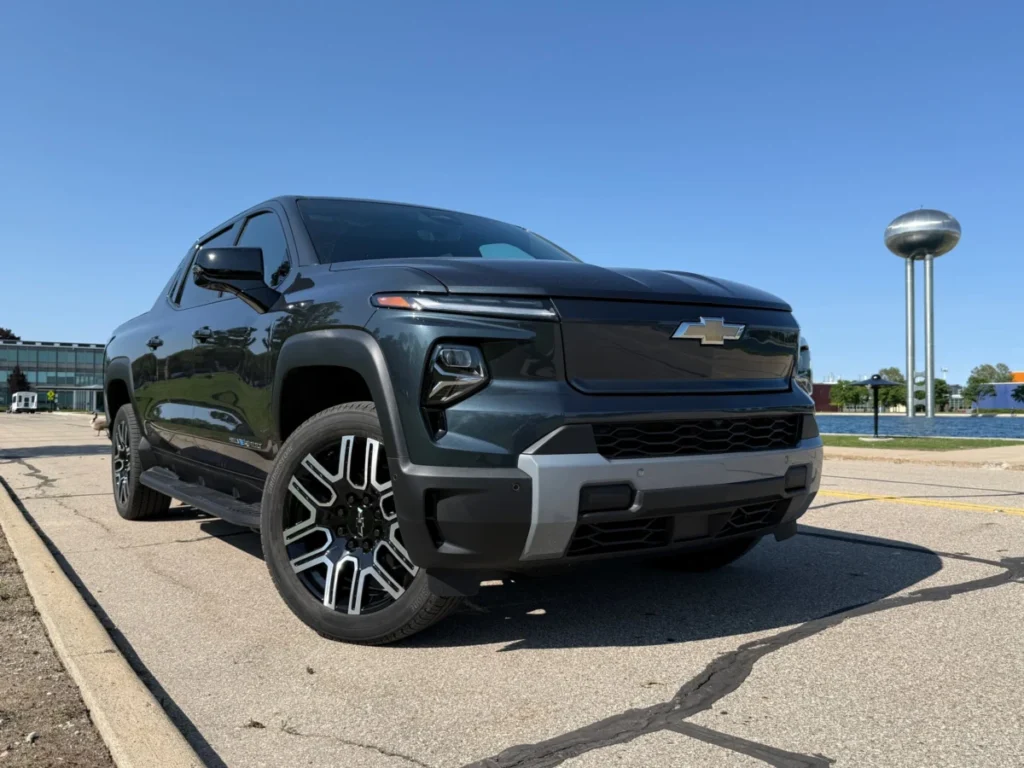
Despite a childhood spent navigating the passenger seat of his father’s classic Chevrolet S-10, the author of this report admits to being far from the typical demographic for a full-size pickup. He is a person who usually favors the nimbleness of a hatchback over the expansive utility of a cargo bed. Yet, after spending a full day navigating the bustling streets of Detroit behind the wheel of the new Chevrolet Silverado EV, he arrived at a startling realization: General Motors might just have created a vehicle capable of converting even the most dedicated city-dwelling sedan enthusiast.
However, the Silverado EV’s technical triumphs have yet to translate into market dominance. As the automotive industry pivots toward an electrified future, this particular flagship model finds itself in an awkward position—technologically superior in many metrics, yet struggling to gain traction in a market that remains deeply loyal to the internal combustion engine.
The Engineering Marvel: A Truck That Thinks Like a Car
At first glance, the Silverado EV is an imposing figure. Measuring nearly 20 feet in length, it commands the road with the authority of a traditional full-size truck. Yet, the driving experience is fundamentally different. The vehicle offers an unexpectedly refined ride, characterized by a quiet cabin and handling that feels more akin to a passenger car than a heavy-duty hauler.

The truck is packed with features designed to appeal to the modern consumer: a massive, cavernous front trunk (or "frunk") that easily accommodates multiple roller bags, and a rear seating area that offers enough legroom for even the tallest passengers. Its capability as a mobile power station—capable of powering a home during a blackout—adds a layer of utility that traditional trucks cannot match. With a range exceeding 400 miles on a single charge, it addresses the "range anxiety" that has long plagued the EV segment.
Perhaps the most surprising aspect of the Silverado EV is its maneuverability. Despite its size, the inclusion of rear-wheel steering allows the vehicle to navigate tight parking lots with the grace of a much smaller car. This agility, paired with a sophisticated, Google-powered infotainment system and the convenience of physical climate controls, makes for an interface that is both modern and intuitive.
Chronology of an Electric Evolution
The path to the Silverado EV was not an overnight endeavor. General Motors has spent years retooling its engineering philosophy, moving away from the "bolt-on" electrification of its early days toward the dedicated Ultium platform.

- Initial Development: Following the success of the Bolt, GM sought to scale its EV technology to its most profitable segment: the full-size pickup.
- The Design Phase: Designers opted for a departure from the boxy aesthetic of the internal combustion Silverado, instead drawing inspiration from the early-2000s Chevy Avalanche. The inclusion of the "mid-gate"—a folding partition between the cabin and the bed—was a bold nod to the past, designed to increase cargo versatility while maintaining aerodynamic efficiency.
- Market Entry: Upon its debut, the truck was met with critical acclaim for its range and tech. However, sales figures from the past year tell a more sobering story. With only about 14,000 units sold in the U.S. and Canada combined, the Silverado EV is trailing significantly behind its gas-powered counterpart, which moves 10 times that volume in a single quarter.
Data-Driven Disconnect: Why the Numbers Don’t Add Up
The disparity between the Silverado EV’s capabilities and its sales performance presents a fascinating case study in consumer psychology. Critics frequently point to the price tag as the primary barrier to entry, but data suggests this may be an oversimplification.
The average transaction price for a full-size pickup in the United States currently sits around $66,000. When compared to the $66,000 MSRP of the Silverado EV LT Extended Range, the "premium" for electrification is practically non-existent. Furthermore, the argument regarding towing range—often cited as a dealbreaker—seems to be based more on perception than actual usage. Market research from Strategic Vision indicates that roughly 75% of full-size truck owners tow a trailer no more than once per year.
This suggests that for the vast majority of truck buyers, the Silverado EV is a logical choice. Why, then, are they not buying? The answer likely lies in market inertia. The American truck market is deeply rooted in tradition, habit, and a lingering skepticism regarding the viability of electric charging infrastructure, particularly for those who do not have the luxury of home charging.

Super Cruise and the Future of Autonomous Utility
A central pillar of the Silverado EV’s value proposition is "Super Cruise," GM’s Level 2 advanced driver-assistance system. During testing in the heavy, unpredictable traffic of Detroit, the system proved to be a transformative experience, turning a stressful commute into a relatively relaxing event.
The integration of the navigation system with Super Cruise, which allows the driver to select routes that maximize hands-free driving time, is a masterclass in UX design. It serves as a compelling, albeit controversial, argument for why GM has chosen to move away from Apple CarPlay in favor of its own proprietary software.
However, the technology is not without its limitations. During the evaluation, the system struggled when confronted with cars aggressively merging into the lane and had a momentary, nerve-wracking failure to identify a stationary, paint-splattered trailer. These instances underscore that while we are in the era of advanced assistance, we remain firmly in the era of "driver-monitored" travel.

Strategic Implications: The Path to Price Parity
General Motors is not standing still in the face of sluggish sales. The company’s long-term strategy for the Silverado EV hinges on a massive shift in battery chemistry. By transitioning to lithium-manganese-rich (LMR) batteries later this decade, GM anticipates a reduction in production costs by approximately $6,000 per vehicle, without sacrificing range.
This move toward price parity is essential. If GM can lower the cost of entry to a point where it is objectively cheaper than a fossil-fuel-powered alternative—factoring in fuel savings and reduced maintenance—the inertia of the traditional truck market may finally begin to shift.
The "Garage" Barrier: A Microcosm of the Macro Problem
There is a final, ironic hurdle to the widespread adoption of vehicles like the Silverado EV: the physical infrastructure of the American dream. The truck is simply too large for many existing garages, including those built during the mid-20th-century boom.

This serves as a poignant metaphor for the broader transition to electric vehicles. As vehicles become larger, more complex, and more technologically advanced, the physical and psychological landscapes of the consumers they are designed for must also evolve.
Ultimately, the Silverado EV is a polished, highly capable, and technologically sophisticated machine. It represents a "solid first draft" of what an electric future for the American workhorse looks like. While the current sales numbers suggest a misalignment between the product and the current cultural zeitgeist, the underlying technology is sound. As battery chemistry improves and the industry addresses the infrastructure and perception gaps, the Silverado EV may eventually find its audience.
For now, it remains a brilliant vehicle waiting for a market that is, perhaps, just a little bit afraid to take the leap. The transition to electric is not just about changing the powertrain; it is about changing a century of automotive culture. And as any seasoned engineer will tell you, changing culture is far more difficult than changing a battery.