Animal Spirits Podcast Unpacks Divergent Economic Realities and AI’s Accelerating Influence
San Francisco, CA – July 1, 2026 – The latest episode of the widely followed financial podcast, "Animal Spirits," hosted by Ben Carlson and Michael Batnick, released today, delves into a series of perplexing economic and market trends, painting a picture of an economy characterized by stark contrasts and the pervasive, accelerating impact of Artificial Intelligence. Sponsored by financial giants Vanguard and Franklin Templeton, the episode leverages a wealth of recent data and expert commentary to illuminate a landscape where traditional economic indicators tell only part of the story, and technological disruption reshapes industry fortunes at unprecedented speed.
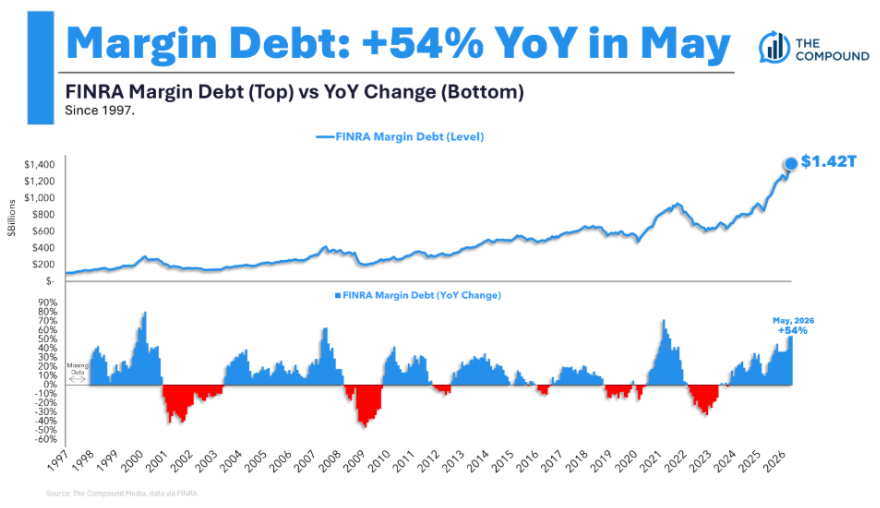
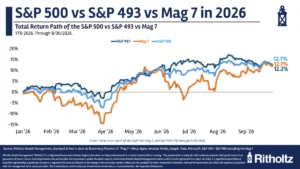
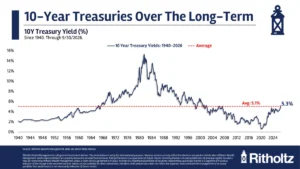
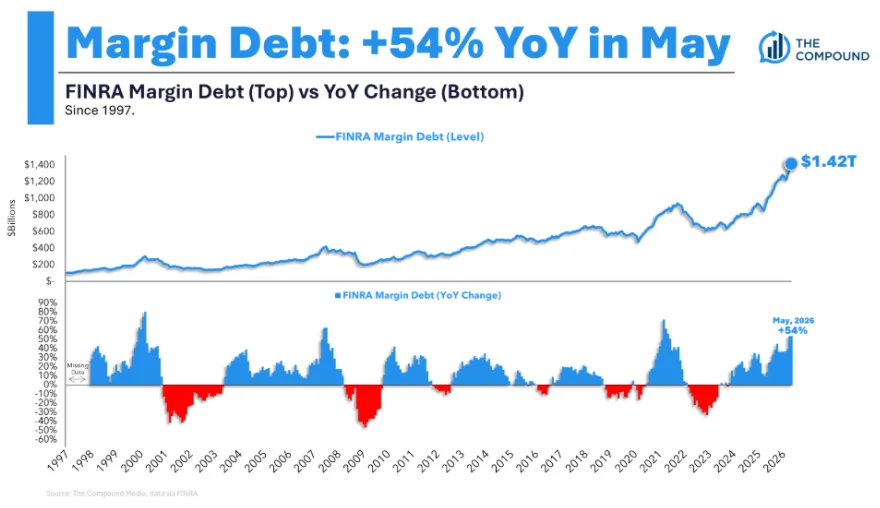
The podcast, a staple for investors and finance enthusiasts seeking nuanced perspectives, highlights significant divergences within the technology sector, surprising resilience in lower-income household spending, and the explosive, quantifiable growth of the Generative AI economy. Accompanying the discussion are a series of illustrative charts and insightful social media analyses from prominent financial commentators, providing tangible evidence for the episode’s central themes.

Navigating a Complex Economic Tapestry: Key Insights from "Animal Spirits"
Today’s "Animal Spirits" podcast offers a multi-faceted exploration of the current economic climate, revealing a market in flux and a society adapting to rapid technological shifts. The core discussions revolve around:

- The Semiconductor Surge vs. Hyperscaler Struggles: A dramatic divergence in performance between chip manufacturers and major cloud/software providers, driven largely by the insatiable demand for AI infrastructure.
- Rethinking the "K-shaped Economy": New data challenging conventional wisdom about economic recovery, particularly concerning the robust spending and balance sheet health of lower-income households.
- The Exploding Generative AI Market: Concrete figures illustrating the massive and rapidly expanding revenue generated by the GenAI sector, signaling its profound economic impact.
- AI’s Reach Beyond Tech: The surprising manifestation of AI’s influence in sectors like professional sports sponsorships, exemplified by a record-breaking deal in the NBA.
- The Housing Paradox: The perplexing co-existence of above-trend GDP growth with a seemingly "frozen" housing market, prompting questions about the drivers of contemporary economic expansion.
These themes collectively underscore a dynamic period of economic re-evaluation, where old paradigms are giving way to new realities shaped by innovation, shifting consumer behavior, and evolving investment priorities.
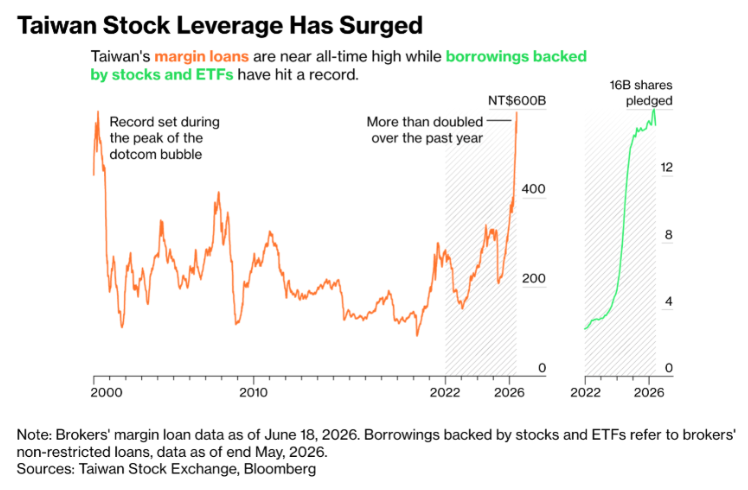
A Chronology of Emerging Trends and Discussions
The "Animal Spirits" podcast, posted on July 1, 2026, draws upon a flurry of recent observations and data points from the preceding days and weeks, highlighting the immediacy and relevance of its discussion topics.
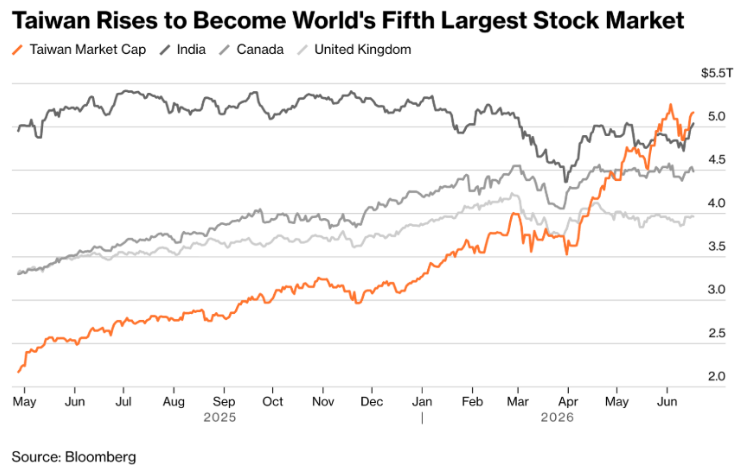
The data presented and discussed primarily coalesces around the last week of June 2026, providing a snapshot of market sentiment and economic indicators leading into the second half of the year. Key social media posts cited in the episode, providing the foundation for many of the podcast’s arguments, include:
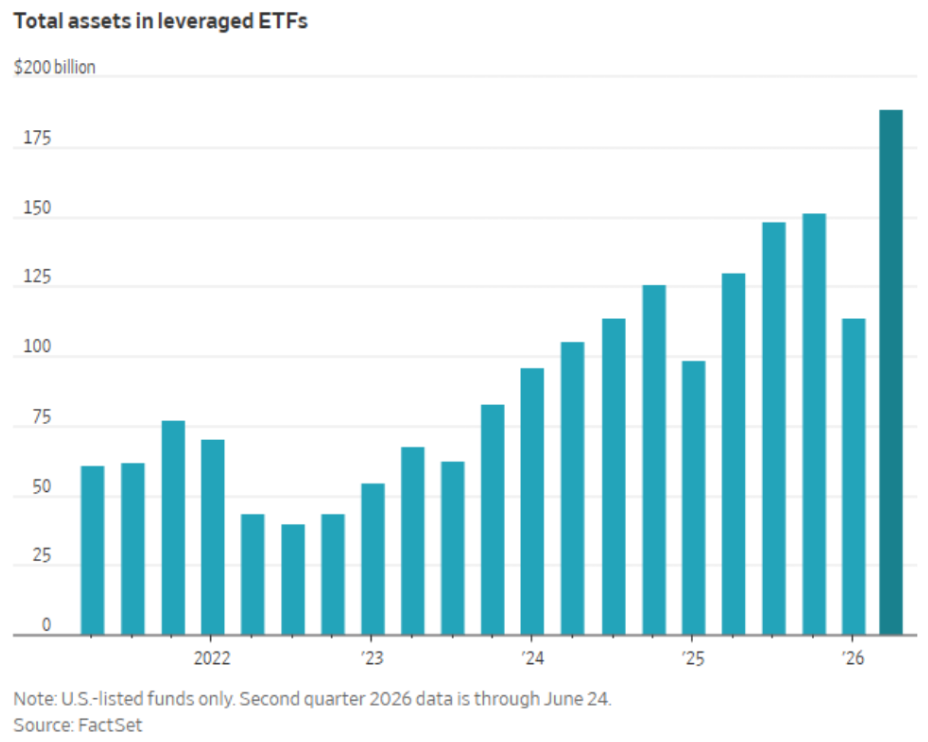
- June 30, 2026: Corey Hoffstein’s enigmatic chart post, likely setting the stage for discussions on market anomalies or specific investment strategies.
- June 25, 2026: Luke Kawa of Bloomberg noted that Micron’s earnings report, while positive for semiconductor stocks, resulted in a "slightly negative-sum event" for major hyperscalers like Apple, shedding more market cap than the gains seen by chip manufacturers. This same day, Ben Carlson, one of the podcast hosts, published striking one-year return figures, revealing semiconductor giants like Sandisk (+4385%), Western Digital (+974%), and Micron (+809%) experiencing parabolic growth, while tech behemoths Oracle (-30%), Microsoft (-27%), and Meta (-23%) faced significant declines. Azeem Azhar provided critical data on the Generative AI economy, announcing $110 billion in sales over the past 12 months and an annualized run rate exceeding $175 billion. Kurt Badenhausen reported on the Golden State Warriors’ groundbreaking jersey patch deal with AI cloud firm Iren, valued at over $50 million annually, marking it as the richest such sponsorship in North American team sports history.
- June 24, 2026: Brian LeBlanc of PNC shared internal data from a fixed cohort of ~4 million households, indicating that "lower-income spending/balance sheet trends have been on a tear in 2026," directly addressing the "K-shaped economy" discourse. Talmon Joseph Smith highlighted the persistent paradox of GDP remaining "above trend" despite a "frozen" housing sector.
- June 23, 2026: Tracy Alloway of Bloomberg shared Nomura’s Charlie McElligott’s projections for hyperscaler free cash flow, offering a deeper dive into the financial health of these tech giants and potentially explaining their market performance.
These timely observations underscore the rapid evolution of market narratives and economic conditions, making the "Animal Spirits" discussion particularly pertinent for understanding the current financial landscape.
Supporting Data: A Deep Dive into Economic Divergences
The "Animal Spirits" podcast buttresses its arguments with compelling data points, primarily derived from market performance metrics, economic surveys, and industry reports. These figures collectively illustrate a period of profound reordering within key economic sectors.
The Tech Sector’s Bifurcation: Chips Ascendant, Hyperscalers Under Pressure
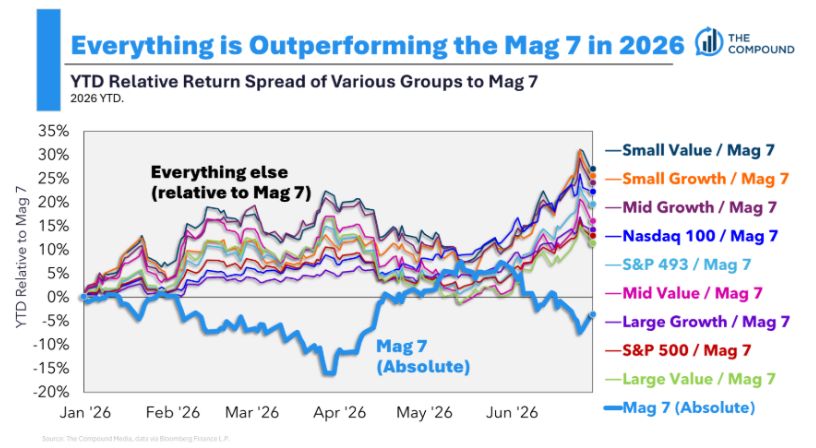
One of the most striking narratives presented is the dramatic divergence within the technology sector. The podcast highlights the semiconductor industry’s exceptional performance, juxtaposed against significant challenges faced by major hyperscalers and cloud service providers.
- Semiconductor Soaring: Data from the past year reveals astonishing returns for semiconductor and memory storage companies. Sandisk, for instance, has seen a staggering +4385% return over one year, while Western Digital surged +974%, and Micron Technology recorded an impressive +809%. This explosive growth is largely attributed to the unprecedented demand for chips and memory components, which are the foundational building blocks for Artificial Intelligence infrastructure. As AI models become more complex and widespread, the computational power required to train and run them has driven a monumental surge in orders for specialized hardware.
- Hyperscalers’ Headwinds: In stark contrast, several prominent hyperscalers and legacy tech giants have experienced notable declines. Oracle’s stock fell 30%, Microsoft saw a 27% dip, and Meta Platforms declined by 23% over the same one-year period. This paradox, where the very companies that are driving AI adoption are seeing their market capitalization decrease, can be partially explained by the massive capital expenditures (CapEx) required to build out AI infrastructure. Hyperscalers, which provide the cloud computing resources necessary for AI, are investing billions in data centers, specialized AI chips (often from companies like Nvidia or even their own custom designs), and energy infrastructure. While these investments are crucial for future growth, they can weigh heavily on short-term free cash flow and profitability, impacting investor sentiment. Luke Kawa’s observation of Micron’s earnings being a "negative-sum event" for hyperscalers underscores this dynamic: even as chipmakers profit, the cost burden shifts to the buyers. Tracy Alloway’s sharing of Nomura’s hyperscaler free cash flow projections likely provided further granular detail on these financial pressures.
Challenging the "K-shaped Economy" Narrative
The concept of a "K-shaped recovery," where different segments of the economy recover at vastly different rates, has been a dominant theme in post-pandemic economic discourse. However, new data suggests a more complex reality, particularly concerning lower-income households.
- Lower-Income Resilience: Brian LeBlanc from PNC provided compelling data from a fixed cohort of approximately 4 million households, revealing that "lower-income spending/balance sheet trends have been on a tear in 2026." This indicates a robust improvement in the financial health and spending power of this demographic, potentially driven by sustained wage growth, continued employment gains, or the lingering effects of fiscal support measures. This insight challenges the notion that only high-income earners are thriving, suggesting a broader base of economic strength than some narratives imply. The implications for consumer demand and overall economic stability are significant if this trend continues.
The Generative AI Economy: A New Economic Powerhouse
The rapid ascent of Generative AI is not merely a technological phenomenon; it has quickly become a substantial economic force.
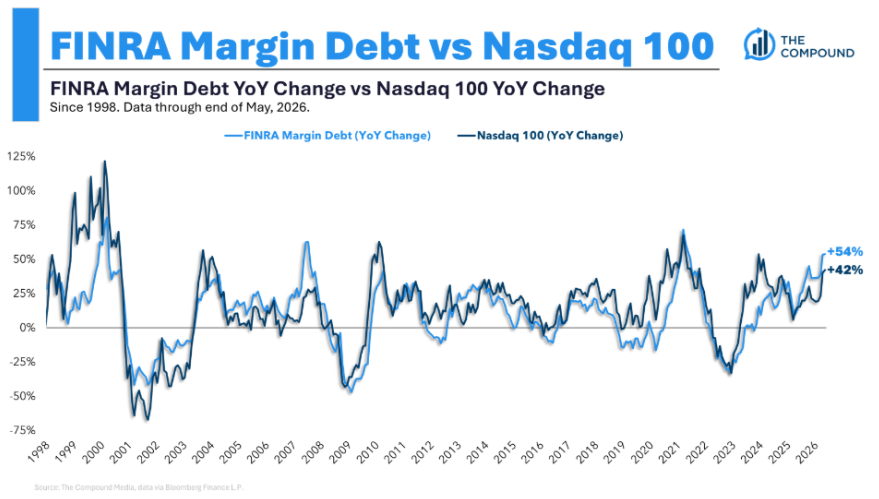
- Quantifiable Growth: Azeem Azhar presented groundbreaking figures, stating that the GenAI economy has generated $110 billion in sales over the past 12 months. More impressively, its annualized revenue run rate now exceeds $175 billion. Azhar emphasized that these numbers were "the first bottom-up, deduplicated" figures, indicating a rigorous and comprehensive measurement of this nascent industry’s financial output. This data underscores GenAI’s transition from a niche technology to a mainstream economic engine, impacting various industries from content creation and software development to scientific research and customer service. The rapid acceleration from $110 billion to a $175 billion run rate within a year highlights the exponential adoption and monetization of these advanced AI capabilities.
AI’s Cultural Footprint: Record-Breaking Sponsorships
The influence of AI is extending far beyond traditional tech boundaries, embedding itself into mainstream culture and commerce.
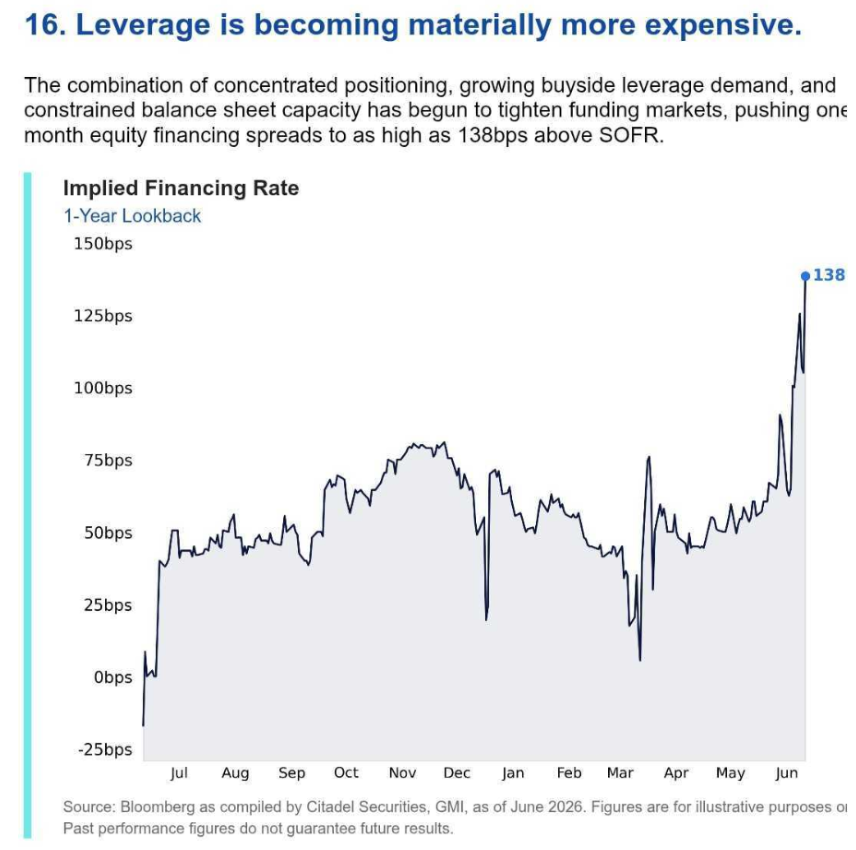
- Sports Sponsorship Revolution: Kurt Badenhausen reported on a landmark deal: the Golden State Warriors signed a multi-year jersey patch sponsorship with AI cloud firm Iren, averaging over $50 million per year. This agreement is not just a major win for the Warriors; it is officially the "richest sponsorship in the history of North American team sports." This event serves as a powerful symbol of AI’s burgeoning economic power and its willingness to invest heavily in brand visibility, even in non-tech sectors. It signals that AI companies are not just seeking enterprise clients but are also aiming for broad public recognition and market penetration, leveraging high-profile platforms like professional sports.
The Macroeconomic Conundrum: GDP vs. Housing
A final piece of supporting data highlights a puzzling macroeconomic condition.
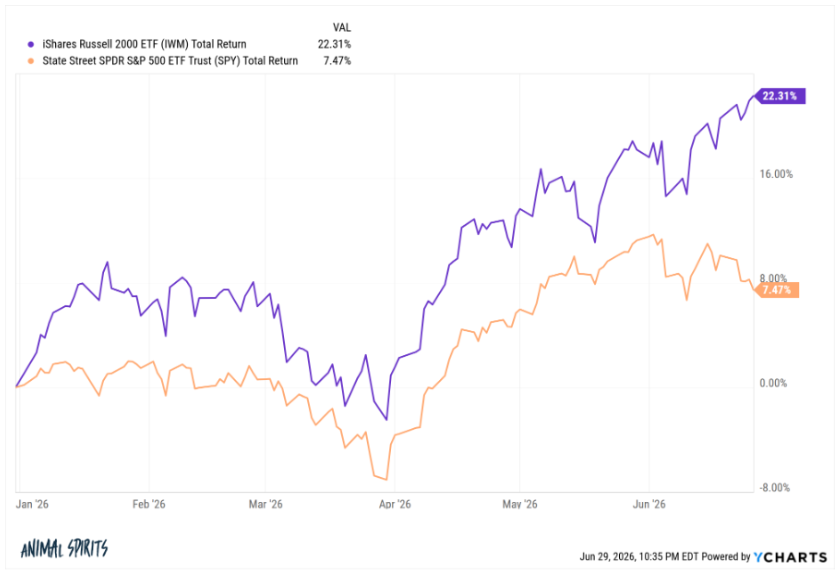
- GDP Resilience Amidst Housing Stagnation: Talmon Joseph Smith observed the "completely insane" situation where "GDP has been above trend this cycle while the housing sector (typically responsible for up to 20% of commercial activity) has been effectively frozen." This disconnect suggests that other components of the economy are performing exceptionally well, compensating for the traditional drag of a stagnant housing market. Possible drivers include strong consumer spending (potentially linked to the lower-income resilience), robust business investment (especially in AI and related technologies), and sustained government spending. The "frozen" housing sector could be due to high interest rates, lack of inventory, or affordability challenges, but its inability to derail overall GDP growth points to underlying strength in other areas.
These diverse data points paint a complex but fascinating picture of the mid-2020s economy, challenging conventional wisdom and highlighting the transformative power of technology.
Expert Commentary and Analyst Insights
The "Animal Spirits" podcast serves as a platform for distilling and discussing these complex trends, with Ben Carlson and Michael Batnick offering their interpretations alongside the insights of other market commentators. While no direct "official responses" from corporate or government bodies were explicitly detailed in the provided content, the expert opinions and data shared by financial journalists and analysts effectively serve this role, offering informed perspectives on the market dynamics.
- On Tech Sector Divergence: The discussion likely centers on the sustainability of the semiconductor boom and the long-term strategy for hyperscalers. Experts like Luke Kawa, in noting the "negative-sum event," are implicitly suggesting that the cost structure for AI adoption is fundamentally shifting value within the tech ecosystem. Ben Carlson’s direct comparison of one-year returns highlights a critical re-evaluation by investors, favoring the fundamental infrastructure providers over the application layers, at least in the short to medium term. The underlying implication is that the "picks and shovels" of the AI gold rush are currently more lucrative than the gold miners themselves, as the latter bear the heavy investment burden.
- On the K-shaped Economy Reassessment: Brian LeBlanc’s data from PNC offers a crucial counter-narrative to the prevailing "K-shaped" pessimism. His observation that lower-income households are "on a tear" suggests that widespread wage growth, coupled with possibly increased job opportunities in service sectors or blue-collar roles, is fostering a more equitable distribution of economic gains than previously assumed. This challenges the narrative of a widening wealth gap and implies a more robust and broad-based consumer economy, which is a positive signal for overall economic stability. The "Animal Spirits" hosts would likely explore the mechanisms behind this resilience and its implications for inflation and central bank policy.
- On the Generative AI Revolution: Azeem Azhar’s detailed, bottom-up sales figures for the GenAI economy are a call to attention for investors and policymakers alike. The rapid growth from $110 billion to an annual run rate exceeding $175 billion is indicative of an S-curve adoption, where initial innovation quickly translates into massive market penetration and revenue generation. Experts would likely emphasize that these figures, being "deduplicated," provide a more accurate and conservative estimate of the industry’s true size, underscoring its significant and undeniable economic footprint. The discussion would probably revolve around which sub-sectors within GenAI are driving this growth (e.g., foundation models, enterprise applications, consumer tools) and what regulatory challenges might arise from such rapid expansion.
- On AI’s Broader Cultural Impact: Kurt Badenhausen’s report on the Warriors’ sponsorship deal with Iren is a powerful testament to AI’s burgeoning mainstream presence. This isn’t just a tech company advertising to other tech companies; it’s a statement of brand power and market ambition. The "richest sponsorship" title signals a new era where AI firms have the capital and the strategic imperative to engage with broad consumer bases through high-visibility platforms like sports. The podcast hosts would likely discuss how this reflects the normalization of AI in everyday life and the increasing financial clout of the sector, potentially predicting similar cross-industry investments.
- On the GDP-Housing Anomaly: Talmon Joseph Smith’s characterization of the GDP-housing disconnect as "completely insane" highlights a genuine macroeconomic puzzle. Traditional economic models often view housing as a significant multiplier of economic activity. For GDP to be "above trend" while housing is "frozen" suggests that other engines of growth are exceptionally strong. Experts would likely debate which sectors are compensating, with AI-driven investment and robust consumer spending being prime candidates. This anomaly could also point to structural shifts in the economy, where certain sectors become less cyclical or where new industries emerge as primary drivers of growth, reducing reliance on traditional indicators like housing.
Collectively, these expert insights offer a dynamic and forward-looking perspective, guiding listeners through the complexities of the current economic environment.
Implications: Reshaping Markets and Economic Paradigms
The diverse trends highlighted in the "Animal Spirits" podcast carry significant implications for investors, policymakers, and the broader economy. The convergence of these shifts suggests a fundamental reordering of market dynamics and economic priorities.
Investment Strategies in a Divergent Tech Landscape
The stark contrast between soaring semiconductor stocks and struggling hyperscalers necessitates a re-evaluation of investment strategies in the technology sector. Investors may increasingly favor companies that provide the foundational infrastructure for AI, such as chip manufacturers and specialized hardware providers, recognizing their immediate and sustained demand. Conversely, the high capital expenditure requirements for hyperscalers to build out their AI capabilities could continue to weigh on their profitability and stock performance in the short to medium term. This implies a potential shift from investing in "software as a service" to "infrastructure as a necessity," at least until hyperscalers can effectively monetize their vast AI investments. Diversification within tech, rather than broad-brush exposure, becomes paramount.
Redefining Economic Recovery and Inequality
The data indicating robust spending and improving balance sheets for lower-income households challenges the dominant "K-shaped recovery" narrative. If these trends persist, it suggests a more resilient and equitable economic recovery than previously understood. This could have significant implications for consumer-facing businesses, potentially boosting demand across a wider spectrum of goods and services. For policymakers, it might inform discussions on wage growth, labor market policies, and the effectiveness of social safety nets, suggesting that certain interventions or organic market forces are having a positive impact on broader segments of the population. It also potentially alleviates some concerns about social unrest driven by widening economic disparities.

The Generative AI Economy: A New Frontier of Growth
The explosive growth of the Generative AI economy, reaching $175 billion in annualized revenue, signals the emergence of a powerful new economic sector. This rapid expansion implies massive opportunities for innovation, job creation, and wealth generation. However, it also brings implications for existing industries, many of which will face disruption, requiring adaptation and new business models. Ethical considerations, intellectual property rights, and the need for robust regulatory frameworks will become increasingly pressing as GenAI permeates every aspect of society. Its scale suggests that GenAI is not just a technological advancement but a fundamental economic shift on par with the internet’s early days, promising to reshape productivity, creativity, and service delivery across the board.
AI’s Cultural and Commercial Mainstreaming
The record-breaking sports sponsorship deal by an AI cloud firm is a symbolic yet powerful indicator of AI’s mainstreaming. It signifies that AI companies are not only financially robust but also strategically positioning themselves as household names, moving beyond purely B2B operations. This commercialization and cultural integration of AI will likely accelerate, leading to more widespread public awareness and interaction with AI technologies. For traditional industries, it implies that collaboration with or integration of AI will become increasingly necessary for competitive advantage and market relevance. The financial commitment also reflects confidence in the long-term profitability and societal impact of AI.
Macroeconomic Rebalancing and Policy Challenges
The paradox of strong GDP growth despite a stagnant housing market highlights a rebalancing of economic drivers. It suggests that other sectors, potentially led by technology and robust consumer spending, are compensating for housing’s traditional role. This could imply a more diversified and potentially more stable economy, less vulnerable to housing busts. However, it also presents challenges for monetary policy, as traditional levers might have varied impacts across these diverging sectors. Policymakers will need to understand which engines are truly driving growth to effectively manage inflation, employment, and long-term economic stability. The persistent housing issues, if left unaddressed, could still pose long-term risks to affordability and social equity, even if they aren’t currently derailing aggregate GDP.
In conclusion, the "Animal Spirits" podcast offers a timely and crucial lens through which to view the mid-2020s economy. It is a period defined by rapid technological advancement, unexpected economic resilience, and a complex interplay of forces that are reshaping markets and societal structures. The insights provided by Ben Carlson and his guests are essential for anyone seeking to understand and navigate this dynamic and often contradictory financial landscape.