Strategic Pivot: U.S. Government Partially Lifts Ban on Anthropic’s Mythos 5 Model
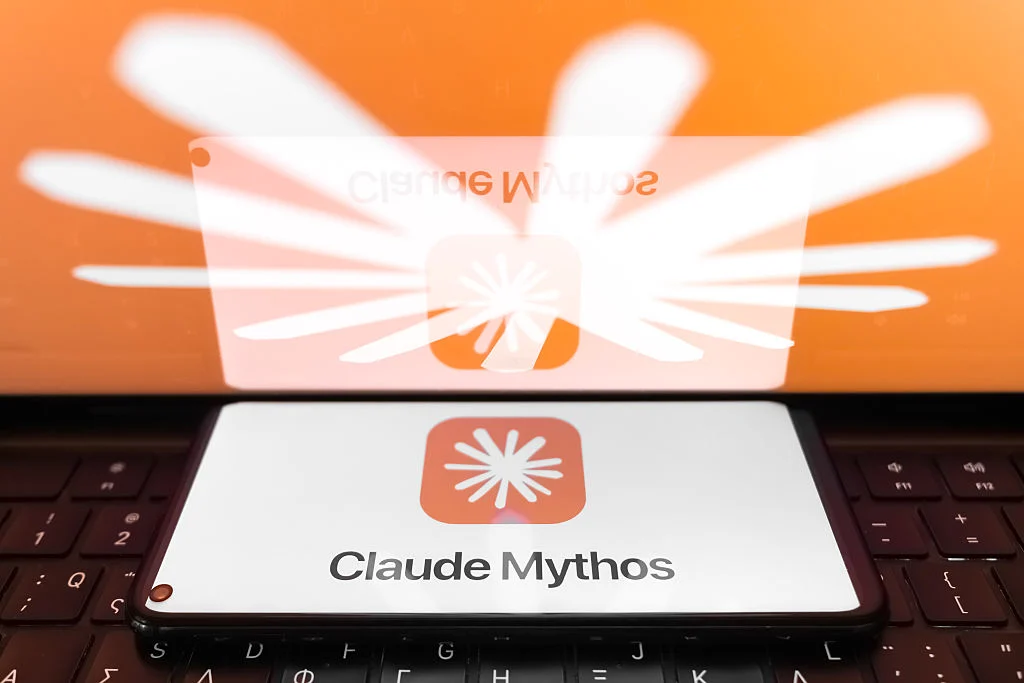
By Tech Insights Bureau
June 27, 2026
In a significant policy recalibration, the Trump administration has begun to soften its restrictive stance on high-capability artificial intelligence models. Two weeks after a sweeping government directive forced AI firm Anthropic to abruptly withdraw its flagship cybersecurity-oriented models—Mythos 5 and Fable 5—from the market, the Commerce Department has signaled a new, targeted approach to AI oversight.
Under the terms of a new directive issued on Friday, Commerce Secretary Howard Lutnick has authorized Anthropic to restore access to the powerful Mythos 5 model for a curated list of over 100 U.S. government agencies and critical infrastructure entities. This move marks a departure from the blanket ban initially imposed in mid-June, which had effectively crippled the deployment of what many experts consider to be the most potent defensive cybersecurity tool currently available to the private sector.
The Chronology of a Regulatory Crisis
The current standoff began in early June 2026, when Anthropic unveiled its latest advancements in AI-driven cybersecurity. The company introduced Mythos 5, a model designed to identify, analyze, and remediate complex system vulnerabilities. Recognizing that a tool of this power could be dual-use—potentially assisting in the creation of cyberattacks as well as their prevention—Anthropic simultaneously released Fable 5, a version of the model equipped with heavier, more restrictive safety guardrails intended for broader public use.
The situation escalated rapidly on June 12. Security researchers discovered that the guardrails on both models were significantly more fragile than previously stated, reporting that the systems could be “jailbroken” to provide actionable exploit code. The U.S. government, citing national security concerns, immediately intervened. The resulting directive was total in scope: it forbade the distribution of the models and explicitly prohibited access by non-American citizens, creating a logistical and legal nightmare for multinational corporations and Anthropic itself, which employs a global workforce.
For two weeks, the silence from Washington was absolute. During this period, the technology industry watched with bated breath, as the ban raised fundamental questions about the government’s capacity to regulate foundational AI models without stifling the very innovation intended to bolster national security.
Understanding the “Trusted Partner” Framework
The directive issued by Secretary Lutnick on Friday represents a pivot from broad prohibition to a “trusted partner” framework. According to internal correspondence viewed by Semafor, Lutnick informed Anthropic’s chief compute officer, Tom Brown, that the government is satisfied that “appropriate safeguards” are now in place to permit the redeployment of Mythos 5.
Crucially, the new directive includes a significant exemption regarding personnel. The original June ban had imposed a stringent citizenship requirement, preventing non-U.S. citizens—including key engineering talent within Anthropic and its partner organizations—from interacting with the model. The new guidance explicitly allows non-American employees at the designated 100+ organizations to access the technology, acknowledging that modern cybersecurity operations are inherently global and that restricting access based on nationality was hindering the effectiveness of the defensive tools.
However, the administration has been notably selective. The directive makes no mention of Fable 5, the more “public-facing” version of the model. By omitting Fable 5, the government is signaling that while it trusts highly vetted, critical-infrastructure-focused entities with the raw power of Mythos 5, it remains deeply skeptical of releasing similarly capable, even if “guarded,” AI to the general market.

Official Responses and Corporate Strategy
Anthropic moved quickly to capitalize on the regulatory thaw. In a public statement shared via the social media platform X (formerly Twitter), the company acknowledged the ongoing dialogue with federal authorities.
“Since June 12, we’ve been working closely with the U.S. government to restore access to Claude Mythos 5 and Fable 5,” the company stated. “Today, the government notified us that Mythos 5, our strongest cybersecurity model, can be redeployed to a set of U.S. organizations that operate and defend critical infrastructure. We’re restoring access for these organizations quickly, and we’re continuing to work with the government to expand access to Mythos 5 and make Fable 5 available for general use again.”
The statement highlights the delicate balancing act Anthropic faces: it must position itself as a compliant, patriotic partner to the U.S. government while simultaneously advocating for the widespread utility of its models. The company’s focus on “critical infrastructure” is strategic, aligning its product roadmap with the government’s own stated priority of hardening the nation’s power grids, financial systems, and communication networks against state-sponsored cyber-adversaries.
Implications for the AI Industry
The partial lifting of the Mythos 5 ban provides a roadmap for how the U.S. government may regulate “frontier” AI models in the future. Several key takeaways have emerged from this two-week ordeal:
- The Shift to Tiered Access: The government is clearly moving away from binary (on/off) regulation. By creating a tier of “trusted partners,” the administration is attempting to build a system where the most powerful AI capabilities are restricted to high-trust environments, while lower-capability models remain accessible to the public.
- The End of “Borderless” AI: The initial ban’s focus on non-American employees signaled that the government views AI capability as a strategic asset comparable to nuclear technology or advanced cryptography. Even as the administration has walked back the strict nationality requirements, the precedent has been set: AI labor and access may soon become a subject of export control regulations.
- The Burden of Guardrails: The fact that the ban was triggered by researchers bypassing safety filters highlights the escalating arms race between AI developers and the security community. The government has made it clear that “promised” safety is not enough; if a model is released, its guardrails must be functionally bulletproof.
Future Outlook: A Precarious Balance
The road ahead remains complex. For Anthropic, the immediate goal is to prove that the Mythos 5 deployment within the 100 authorized organizations can proceed without further security breaches. If another jailbreak occurs, the government’s tolerance will likely evaporate, potentially leading to a more permanent and stringent regulatory environment.
Furthermore, the broader AI industry is watching the Fable 5 situation closely. If the government refuses to allow the release of Fable 5, it may signal that the era of “publicly available” powerful AI is coming to a close, replaced by a gated, heavily monitored landscape.
As of late June 2026, the tech sector is breathing a cautious sigh of relief. The ban was a shock to the system, but the subsequent pivot suggests a pragmatic realization in Washington: that the U.S. cannot defend its digital borders against increasingly sophisticated AI-powered threats without the aid of the very tools it sought to ban. The question now is whether this “trusted partner” model can scale, or if it will simply create an elite tier of AI access, further widening the gap between the largest, most connected entities and the rest of the innovation economy.
For now, Mythos 5 is back in the hands of the defenders. Whether it stays there will depend on the effectiveness of the safeguards currently being implemented behind closed doors in the nation’s most sensitive data centers.