Rhode Island Overhauls CPA Licensure: A Strategic Response to the Accounting Talent Crisis
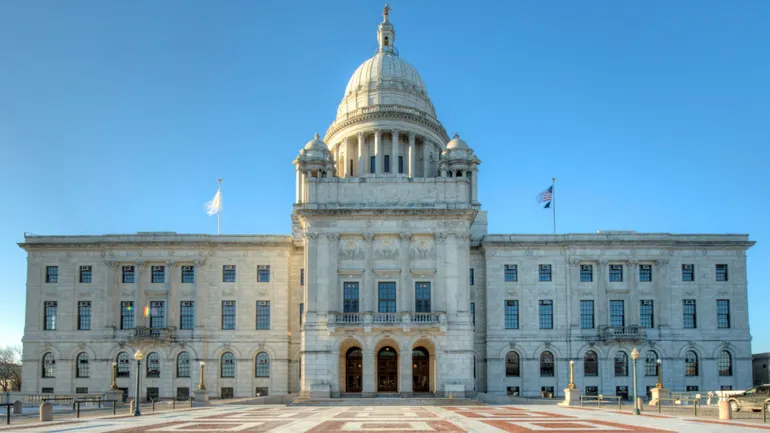
In a move signaling a potential sea change for the accounting profession, Rhode Island has officially updated its public accountancy act to align with the ninth edition of the Uniform Accountancy Act (UAA). This legislative shift, which brings the state into compliance with the latest national guidelines issued by the National Association of State Boards of Accountancy (NASBA) and the American Institute of Certified Public Accountants (AICPA), introduces a flexible pathway to licensure that many hope will stem the tide of a persistent, industry-wide talent shortage.
At the heart of this reform is the "bachelor’s plus two" model. By providing an alternative to the long-standing "150-hour rule," Rhode Island is joining a growing movement of states attempting to modernize the profession’s entry requirements without compromising the integrity or technical standards of the CPA designation.
The Core Legislative Shift: From 150 Hours to Professional Experience
For decades, the standard path to becoming a Certified Public Accountant in the United States was rigidly defined: candidates were required to complete 150 credit hours of college education—typically equating to a bachelor’s degree plus an additional year of graduate-level study—alongside one year of professional experience and the successful completion of the Uniform CPA Examination.
Under the new Rhode Island legislation, the educational barrier to entry is effectively lowered to a standard bachelor’s degree (usually 120 credit hours). To compensate for the reduction in academic requirements, the candidate must complete two years of relevant professional experience. This "bachelor’s plus two" framework recognizes that on-the-job training and practical application are as vital to the development of a competent CPA as formal classroom education.
The shift reflects a broader consensus reached by the AICPA and NASBA last summer, aimed at balancing academic rigor with the realities of the modern labor market. While the 150-hour requirement remains an option for those who prefer the traditional academic route, the new flexibility provides a more accessible entry point for students who may be deterred by the financial and time costs associated with obtaining an additional 30 credit hours.
Chronology: The Road to Reform
The journey toward this legislative update was not an overnight development but the culmination of several years of intense debate within the accounting profession.
2020–2022: The Onset of the Shortage
As the COVID-19 pandemic reshaped the workforce, the accounting industry experienced a significant exodus of seasoned professionals. "The Great Resignation" hit accounting firms particularly hard, leaving mid-tier and national firms scrambling to staff audit and tax teams. Simultaneously, university enrollment in accounting programs began to decline, creating a bottleneck in the talent pipeline.
Early 2023: The Push for Flexibility
By early 2023, the industry reached a breaking point. Organizations like the AICPA and NASBA faced mounting pressure from firm leaders, state societies, and accounting educators to revisit the 150-hour rule. Critics argued that the "fifth year" of college was an artificial barrier that provided diminishing returns on investment for students, while failing to adequately prepare them for the rapid pace of technological change in the field.
Summer 2023: The UAA Ninth Edition
In a landmark decision, NASBA and the AICPA approved model legislation for the "bachelor’s plus two" pathway. This move was designed to provide state boards of accountancy with a standardized, consistent template for reform, ensuring that the CPA license remains portable across state lines even as individual states adopt different educational requirements.
2024: Legislative Action in Rhode Island
Following the national guidance, Rhode Island legislators moved to codify these changes into state law. By updating the state’s public accountancy act, Rhode Island has positioned itself as an early adopter of these modernized standards, signaling to both current accounting students and the broader business community that the state is committed to maintaining a robust professional pipeline.
Supporting Data: Why the Industry Needed Change
The urgency behind this reform is rooted in compelling data regarding the state of the accounting workforce.
The Enrollment Cliff
According to data from the AICPA’s 2023 Trends in the Supply of Accounting Graduates and the Demand for Public Accounting Recruits report, the number of new accounting graduates has been steadily declining. Between 2012 and 2022, the number of students completing bachelor’s degrees in accounting dropped by nearly 10%. The decline in master’s degrees was even more pronounced, raising alarms about the sustainability of the 150-hour rule, which effectively mandates a five-year academic path.
The "Cost-Benefit" Barrier
Surveys of accounting students consistently identify the financial burden of the extra 30 credit hours as a primary deterrent. With the rising cost of tuition, the "fifth year" can cost a student upwards of $20,000 to $40,000 in tuition and lost wages. When compared to other business-related degrees—such as data analytics or finance—which do not require the same extended educational commitment, the CPA path has become increasingly uncompetitive.
Firm-Level Shortages
National accounting firms have reported that audit quality is being jeopardized by the staffing crisis. When teams are stretched thin due to a lack of qualified CPAs, the pressure on existing staff increases, leading to burnout and further attrition—a vicious cycle that many firms have been unable to break without systemic changes to the licensing model.
Official Responses and Political Silence
The legislative process in Rhode Island has been characterized by broad support from professional stakeholders, though the political response remains measured.
When reached for comment regarding the implications of the bill, the office of Governor Dan McKee maintained a cautious stance. A spokesperson for the Governor’s office did not immediately provide a statement on the long-term economic outlook of the legislation, and a representative who answered the phone at the office on Friday declined to comment on the specifics of the bill’s passage.
Despite the lack of public fanfare from the executive branch, industry proponents have been vocal. The Rhode Island Society of Certified Public Accountants (RISCPA) has generally supported initiatives that modernize the profession. Supporters argue that this move is a pragmatic adjustment to a post-pandemic economy where "skills-based" hiring is becoming the norm. By prioritizing two years of mentored professional experience, the state is essentially betting that the real-world mentorship provided by licensed CPAs is more effective at preparing candidates for the complexities of modern audit and tax work than an extra semester of general elective courses.
Implications: The Future of the CPA Profession
The passage of this law in Rhode Island has significant implications for the future of the CPA brand and the regulatory landscape.
1. The Question of Interstate Mobility
A major concern among some CPAs is the potential for "license fragmentation." If states adopt varying standards, will a CPA licensed under the "bachelor’s plus two" model in Rhode Island be able to practice in a state that still mandates the 150-hour rule? The AICPA and NASBA have explicitly designed the ninth edition of the UAA to ensure that the CPA designation remains universally recognized, emphasizing that the "substantial equivalency" provision of the UAA will protect the mobility of license holders.
2. Enhancing Diversity and Inclusion
One of the most compelling arguments for shortening the academic path is the potential to improve diversity within the profession. Lowering the cost of entry is expected to disproportionately benefit students from lower socioeconomic backgrounds, for whom the cost of a fifth year of college might be prohibitive. By creating a more affordable path to licensure, the profession may finally be able to tap into a wider, more diverse pool of talent.
3. Impact on Education
Universities are likely to see an immediate impact on their accounting curricula. With students now having an alternative path, colleges may need to pivot toward offering more experiential learning opportunities or integrated internships that satisfy the "two years of experience" requirement. We may see a rise in programs that focus on "fast-tracking" students into the workforce, with professional firms partnering more closely with universities to bridge the gap between graduation and full licensure.
4. A New Era of Professional Development
The shift places a greater burden on accounting firms to provide high-quality mentorship. Because the "plus two" years of experience are now a prerequisite for licensure, the quality of that experience becomes paramount. Firms will need to ensure that entry-level accountants are not just performing repetitive tasks but are being actively mentored and trained to meet the high standards expected of a CPA.
Conclusion: A Balancing Act
Rhode Island’s update to its public accountancy act is a clear indicator that the traditional barriers to the CPA profession are being fundamentally re-evaluated. By embracing the "bachelor’s plus two" model, the state is attempting to harmonize the necessity of rigorous professional standards with the practical need to attract the next generation of accountants.
As the industry continues to navigate the talent shortage, all eyes will be on states like Rhode Island to determine if this new pathway successfully increases the number of licensed CPAs without diluting the value of the credential. For the profession, the message is clear: the path to becoming a CPA is evolving, and the focus is shifting from counting credit hours to valuing professional expertise and hands-on experience.
For those keeping track of these changes, the landscape remains fluid. As more states consider similar adjustments, the collective impact of these legislative changes will define the next chapter of the accounting profession, ensuring that it remains both relevant and robust in an increasingly complex financial world.