The Distributed Energy Revolution: Base Power’s Strategic Pivot into the PJM Grid
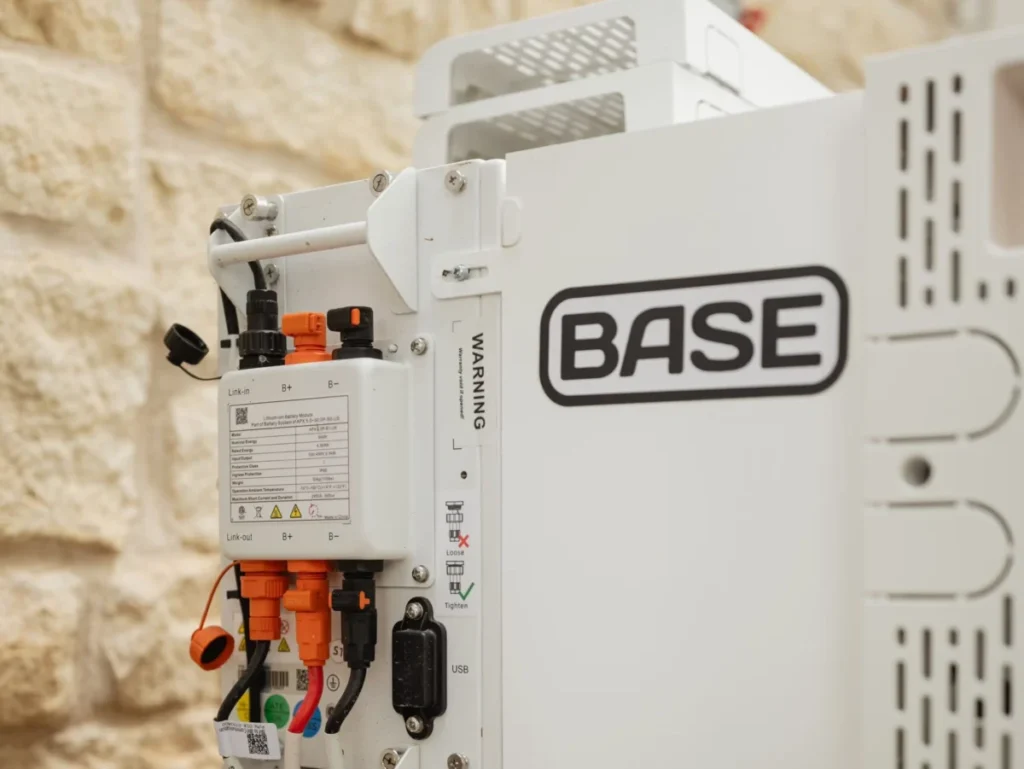
In a calculated move that signals a tectonic shift in how residential electricity is managed, energy storage startup Base Power officially expanded its operations into Illinois yesterday. This launch marks the company’s first venture into the territory governed by PJM Interconnection—the largest regional transmission organization in the United States. As the grid struggles to balance the insatiable energy demands of AI-driven data centers with an aging infrastructure, Base Power’s arrival offers a potential lifeline to both consumers and the broader energy market.
By deploying massive residential battery systems, Base Power is effectively bypassing the bureaucratic bottlenecks that have plagued the PJM grid for years. For residents, the promise is simple: lower electricity bills and grid-scale reliability, delivered through a business model that treats the home as a vital component of a decentralized power plant.
The PJM Crisis: A Grid Under Siege
The PJM Interconnection, which manages electricity flow across 13 states and the District of Columbia, is currently facing an existential crisis. The region, particularly Northern Virginia—the global epicenter of data center activity—is witnessing an unprecedented surge in electricity consumption. This, combined with a significant lag in bringing new, clean energy generation online, has created a "perfect storm" for wholesale electricity markets.
Over the past year alone, wholesale power prices within the PJM territory have surged by nearly 76%. The situation has become so dire that major regional utility providers, such as American Electric Power (AEP), have publicly entertained the possibility of exiting the market entirely. The infrastructure, designed for a different era of power consumption, is failing to keep pace with the hyper-accelerated growth of the digital economy.
The crisis was compounded by a controversial policy decision: in 2022, PJM essentially froze the queue for new power generation projects to clear a massive backlog of applications. While the queue was finally reopened this past April, the damage to the region’s energy security was already done. As electricity demand continues to climb, the gap between supply and demand has never been wider, leaving the grid susceptible to volatility and, in worst-case scenarios, service interruptions.
Chronology: From Texas Beginnings to National Expansion
Base Power’s rise has been as swift as it has been strategic. Founded just two years ago in Texas, the company cut its teeth in the ERCOT market, which is notorious for its independent grid and frequent extreme weather events.
- 2023: Base Power launches in Texas with a focus on virtual power plants (VPPs). By aggregating residential batteries, the startup creates a flexible, responsive energy resource that can discharge power when the grid is strained and charge when prices are low.
- April 2025: The company secures a critical $200 million funding round led by venture capital heavyweights Andreessen Horowitz, Lightspeed Venture Partners, and Valor Equity Partners. This injection of capital signals institutional confidence in the VPP model.
- October 2025: Base Power announces a massive $1 billion financing round led by Addition, providing the necessary liquidity to scale its hardware deployment across new markets.
- May 2026: Following its success in Texas—where it now manages over 500 megawatt-hours of battery storage—the company officially enters the Illinois market, marking its inaugural move into the PJM-governed territory.
The Business Model: Why Home Batteries Are Winning
Unlike traditional solar installers that sell hardware to homeowners, Base Power operates on a "battery-as-a-service" model. The company installs its proprietary, high-capacity home batteries—starting at a hefty 25 kilowatt-hours—at no upfront cost to the consumer.
The value proposition for the homeowner is immediate: Base Power guarantees electricity rates that are 25% lower than those offered by local utilities like ComEd. In exchange, the company retains control over the battery’s dispatch. By charging the units when energy is abundant and cheap, and discharging them back into the home or the grid when prices spike, Base Power captures the "arbitrage" value of the energy market.
This model essentially turns thousands of individual homes into a massive, decentralized power plant. It is a win-win scenario: the homeowner saves money and gains backup power during outages, while the company gains a revenue stream and a valuable grid-balancing asset.
Implications: An End-Run Around Sclerotic Systems
One of the most profound aspects of Base Power’s expansion is its ability to bypass the "sclerotic" interconnection processes that have stalled traditional energy projects. Because these batteries are installed "behind the meter"—inside the home where an electrical connection already exists—they do not need to wait in the long, tortuous line for grid interconnection permits.
"We are deploying capacity behind the meter at the residential home, where an interconnection already exists, so we don’t wait in the interconnection queue," Base Power founder and CEO Zach Dell stated. This operational agility is a game-changer. While massive wind or solar farms might spend years navigating environmental reviews and PJM’s grid impact studies, Base Power can scale its operations in weeks.
For the PJM grid, this represents a fundamental change in philosophy. Rather than relying solely on massive, centralized power plants, the grid is increasingly being stabilized by the collective action of distributed, small-scale assets. If successful, this model could alleviate pressure on the transmission infrastructure, potentially deferring the need for multi-billion dollar upgrades to local substations.
Supporting Data and Market Pressure
The economics driving Base Power’s expansion are undeniable. As wholesale electricity prices fluctuate wildly, the ability to store energy becomes the most valuable commodity in the power sector.
| Metric | Context |
|---|---|
| Wholesale Price Increase | ~76% over 12 months in PJM |
| Base Power Storage Capacity | 500+ MWh (Texas market) |
| Average Battery Size | 25 kWh (Residential) |
| Cost Advantage | 25% lower than ComEd rates |
The pressure on PJM to modernize its processes has reached a boiling point. By allowing firms like Base Power to enter the market, the grid operator is tacitly acknowledging that it cannot solve its capacity crisis alone. The influx of capital from firms like Andreessen Horowitz and Addition suggests that investors view the grid’s inefficiency as an opportunity rather than a risk.
Challenges and Future Outlook
Despite the optimistic outlook, the road ahead is not without hurdles. Regulatory environments vary wildly between states, and while Illinois is the first step into PJM, scaling this model into more conservative jurisdictions could prove difficult. Furthermore, as more homeowners adopt these systems, local distribution grids will need to be monitored to ensure that the aggregate flow of electricity doesn’t exceed the local transformer capacity.
However, the trend is clear. The traditional, top-down model of electricity delivery—where power flows one way from a massive plant to the consumer—is becoming a relic of the past. Base Power’s entry into Illinois is more than just a business expansion; it is a manifestation of the "Energy 2.0" era.
As the digital economy continues to demand more power, and as the climate continues to push the limits of our electrical infrastructure, the most reliable grid of the future may not be the one with the biggest power plants, but the one with the most connected, intelligent, and distributed storage systems. For now, Base Power is leading that charge, providing a blueprint that other states and grid operators will likely have to follow if they hope to survive the coming decade of energy uncertainty.