The Race for Minutes: How Flipkart and Amazon Are Transforming India’s Retail Landscape
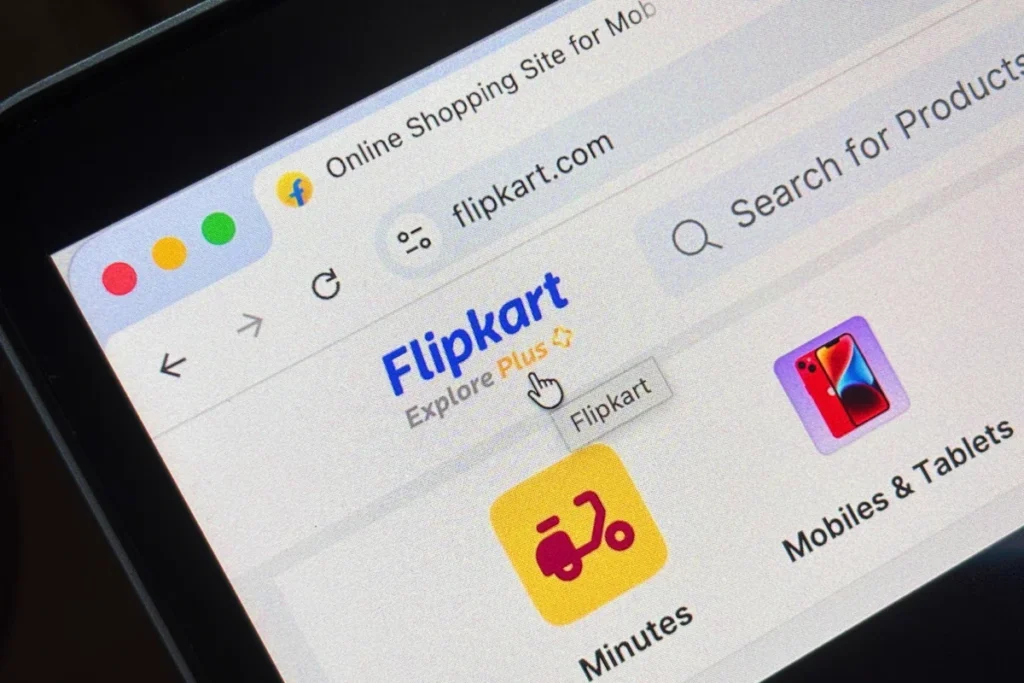
India’s e-commerce sector is currently undergoing its most radical transformation in a decade. What began as a convenience-focused experiment in grocery delivery has rapidly matured into a high-stakes, infrastructure-heavy war for the "quick commerce" crown. As the battle for the Indian consumer intensifies, Walmart-backed Flipkart has reached a significant milestone, announcing that its "Minutes" service now operates a robust network of 1,000 micro-fulfillment centers (MFCs) across the country—a feat achieved in less than two years since its inception.
This rapid expansion signals a strategic pivot by the nation’s retail giants. No longer content with traditional 24-to-48-hour delivery windows, Flipkart, Amazon, and homegrown incumbents like Blinkit and Zepto are pouring billions into the "dark store" model, aiming to turn India into the world’s most efficient—and fastest—retail market.
The Main Facts: Flipkart’s Strategic Milestone
Flipkart’s announcement this Wednesday marks a watershed moment for its quick-commerce ambitions. By establishing 1,000 micro-fulfillment centers, the company has effectively decentralized its logistics, bringing inventory closer to the end user to facilitate delivery in mere minutes.
The scale of this operation is staggering. These centers are not traditional warehouses; they are hyper-local, strategically placed hubs designed for high-velocity turnover. Flipkart has confirmed that its expansion is far from over. The company has laid out a roadmap to reach 1,500 centers by the end of 2026. This aggressive pace puts it in direct contention for the second-largest footprint in the industry, trailing only Blinkit—the market leader owned by Zomato—which currently manages a network of over 2,200 centers.
However, the battlefield is not just about raw numbers. It is about the diversification of the product catalog. As the data shows, the "10-minute" promise is no longer confined to eggs, milk, and bread. It has expanded to encompass high-margin categories, including electronics, beauty products, and personal care, fundamentally altering the consumer journey in India.
A Chronology of the Quick-Commerce Revolution
The evolution of Indian quick commerce can be traced through several distinct phases:
Phase 1: The Grocery Experiment (2020–2022)
The pandemic acted as an accelerant for demand, but the quick-commerce model struggled with unit economics. Early entrants focused strictly on perishable goods, often burning through venture capital to subsidize free delivery.
Phase 2: The Consolidation and Pivot (2023–Early 2024)
As investors began demanding profitability, the sector saw consolidation. Companies began optimizing their supply chains and introducing "platform fees." During this period, the industry recognized that the grocery-only model was insufficient to sustain the high costs of dark store operations.
Phase 3: The "Blitz" and Corporate Entry (August 2024–Present)
In August 2024, Flipkart officially launched "Minutes," signaling that the heavyweights were no longer willing to let startups like Zepto and Swiggy Instamart own the turf. Since then, the competition has shifted toward "category expansion." Amazon, too, accelerated its "Amazon Now" initiative, signaling that the global retail giant would not be left behind in the race for the Indian consumer’s immediate needs.
Supporting Data: By the Numbers
The metrics emerging from the industry provide a clear picture of how consumer behavior is shifting:
- Order Growth: Flipkart Minutes reports a 400% year-over-year growth in order volume.
- Retention: Customer retention rates on the platform have climbed by 20% compared to the previous year, suggesting that "quick commerce" is becoming a sticky, habitual shopping pattern rather than a one-off convenience.
- Geographic Spread: Flipkart has expanded to over 130 cities and 8,000 postal codes. Perhaps most tellingly, smaller, Tier-2 and Tier-3 cities have seen a 4,000% growth in demand compared to the previous year, vastly outpacing the growth in traditional metros.
- The Market Landscape: According to data from Jefferies and industry estimates, India’s "dark store" count currently exceeds 5,500. Analysts predict this number will climb to 7,500 by 2030.
- Amazon’s Footprint: Amazon Now is currently active in 15+ cities with over 500 centers, with a stated goal to reach 100 cities and 1,000 centers in the near future.
Official Responses and Strategic Vision
Kunal Gupta, the head of Flipkart Minutes, has been the public face of this expansion. In a recent discussion, he emphasized that the service is not intended to cannibalize Flipkart’s core e-commerce business. Instead, it acts as a complement.
"What began as a way to fulfill everyday essentials has evolved into a fundamentally new shopping habit for millions of Indians," Gupta stated. "Customers are not just ordering more; they are ordering differently."
Gupta noted that Flipkart is seeing a fascinating trend where customers use the Minutes platform for daily needs while continuing to use the main Flipkart app for larger, planned purchases. This "dual-platform" behavior is a key metric for the company, as it increases the overall share of wallet captured from a single household.
Regarding the competitive landscape, Gupta remains defiant. "We will continue to expand rapidly, will not slow down after 1,000 stores as well, and we are going all in," he said, noting that cities like Patna, Guwahati, and Siliguri are proving to be "best-performing" markets, often ramping up operations faster than the company’s initial projections.
Amazon, for its part, is leveraging its Prime membership to gain an edge. With 70% of new Prime members hailing from smaller markets, the company is betting that the integration of fast delivery into the Prime ecosystem will create a defensible moat against local rivals.
Implications for the Future of Retail
The rise of the 1,000-center network signifies profound changes for the Indian economy and the retail industry at large:
1. The Death of the "Stock-Up" Shopping Trip
The convenience of receiving electronics or home goods in under 20 minutes is actively discouraging the traditional "weekend stock-up" trip to large supermarkets. This is putting immense pressure on traditional modern retail chains, which now find themselves competing against agile, tech-enabled dark stores.
2. The Tier-2 and Tier-3 Gold Rush
The most critical takeaway from current data is that the "quick commerce" growth is no longer limited to Mumbai, Delhi, or Bangalore. The 4,000% growth in smaller cities suggests that the demand for instant gratification is universal. Companies that win in these emerging markets will likely define the next decade of Indian consumerism.
3. Supply Chain Complexity
Managing 1,000+ micro-fulfillment centers requires an unprecedented level of inventory management and predictive analytics. As companies expand into electronics and apparel, the complexity of the supply chain increases exponentially. This is leading to a massive investment in AI-driven demand forecasting, as holding the wrong stock in a tiny urban warehouse is a death sentence for unit economics.
4. Regulatory and Labor Scrutiny
As these networks expand, the "gig worker" model underpinning these deliveries will likely face increased scrutiny. The intensity of the competition is driving down delivery times, which in turn places significant pressure on delivery partners. The industry will need to navigate evolving labor laws and public perception regarding the welfare of the workforce that powers these "minutes-long" deliveries.
Conclusion
The race to dominate India’s quick-commerce sector is arguably the most significant retail development in the world today. With Flipkart hitting the 1,000-store milestone and Amazon moving aggressively to scale its own network, the "battle for the minutes" has moved beyond a niche grocery play into a total transformation of how India shops.
Whether this model can achieve sustainable, long-term profitability remains the industry’s multi-billion dollar question. However, as infrastructure spreads into the heart of India’s smaller cities, one thing is certain: the era of waiting for a delivery is coming to a rapid, definitive end. The winners will not just be those with the most stores, but those who can most effectively balance the immense operational costs of instant delivery with the growing, diversified expectations of the Indian consumer.