From City Dreams to Rural Realities: Rethinking the Modern Homestead
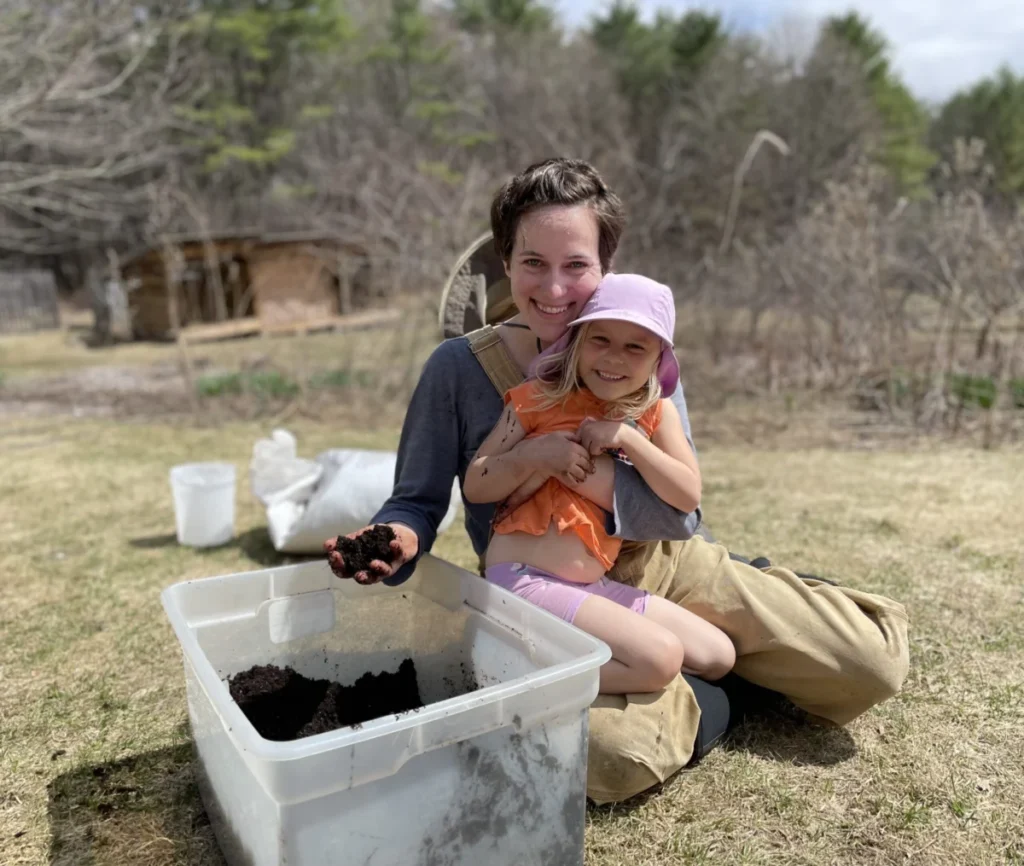
When Frugalwoods, the popular personal finance and lifestyle platform, first made the leap from urban life to a 66-acre homestead in the Vermont woods in May 2016, the founders—Mrs. Frugalwoods and her husband, Nate—carried with them a trunk full of romanticized expectations. Chief among them was the "Gargantuan Assumption": that they would achieve total self-sufficiency, raising their own livestock and preserving every vegetable pulled from the earth to sustain them through the harsh New England winters.
Nine years into the Frugalwoods journey and seven years into their rural residency, the reality has proven to be a stark departure from the Little House on the Prairie fantasy. The path has been one of hard-learned lessons, shifting priorities, and, ultimately, a significant recalibration of what it means to live a sustainable, intentional life in the 21st century.
The Myth of Total Self-Sufficiency: A Chronology of Realization
The Frugalwoods’ transition began with a vision: a homestead where the couple and their children would work the land in harmony, singing to tomatoes and meticulously stocking a larder for the winter. In the early days, the drive for total autonomy was all-consuming.

- May 2016: The move to rural Vermont. The couple arrives with high hopes and a romanticized vision of growing 100% of their own food.
- 2018: The "Kale and Chard Apocalypse." After planting 80 plants of greens, the couple finds themselves overwhelmed by the sheer scale of the harvest, leading to days of exhausting processing and a realization that their labor was yielding more than they could reasonably consume.
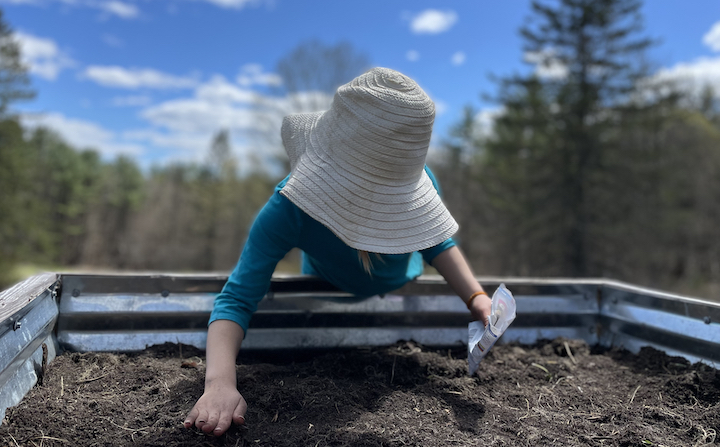
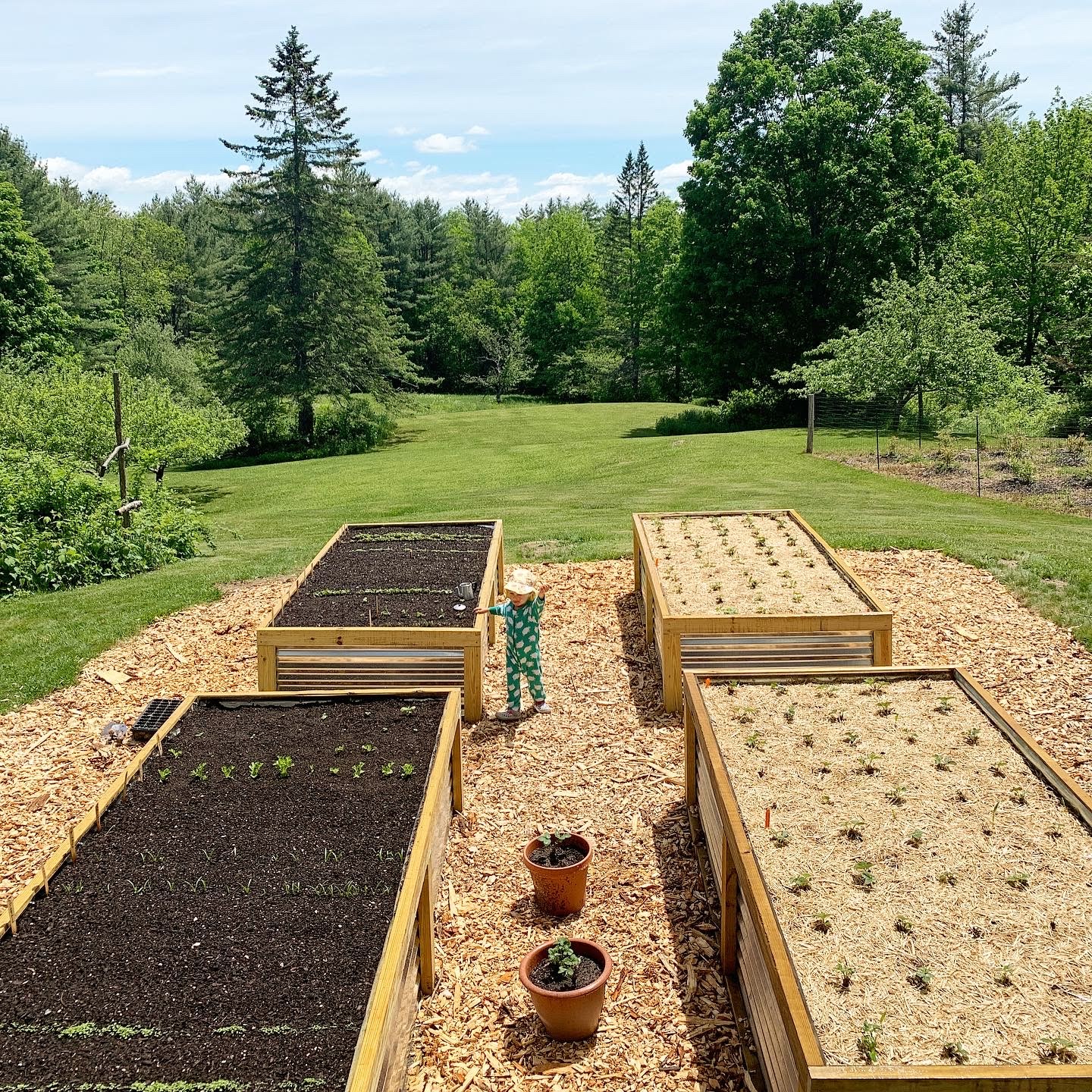
- 2020: The pivot toward infrastructure. Nate constructs dedicated raised beds and a seed-starting tower, signaling a shift from "survivalist" gardening to a more structured, manageable approach.
- 2023: The current state of "Acceptance." The couple embraces a balanced approach, focusing on joy and leisure over the pressure to produce every calorie.
The "Kale and Chard Apocalypse": A Case Study in Burnout
The definitive turning point for the Frugalwoods homestead was the 2018 harvest. In an attempt to see if they could truly provide for their own sustenance, they managed to grow 80 individual kale and chard plants. The plants flourished beyond expectations, creating a logistical crisis.

The processing effort required days of back-breaking labor—harvesting, washing (in a child’s plastic swimming pool), drying, and blanching. The emotional and physical toll was immense, compounded by the presence of two young children. Most significantly, the family discovered that they could not consume the massive quantity of preserved greens before they spoiled. The heartbreak of composting food they had worked so hard to grow served as a catalyst for a change in philosophy. The couple realized they had merely replaced the stress of a corporate office with the self-imposed, high-stakes pressure of a "perfect" homestead.

Supporting Data: Understanding the Reality of Small-Scale Farming
While the dream of self-sufficiency is noble, the Frugalwoods’ experience highlights several objective challenges that often go ignored in social media portrayals of rural life:

- The Time-Bound Nature of Harvest: Crops do not wait for the gardener’s schedule. Perennial fruits, such as apples and plums, often ripen simultaneously, requiring immediate action to prevent loss to pests or spoilage.
- The "Clever Varmint Patrol" (CVP): Wildlife—from turkeys to local rodents—are effective competitors for food. Protecting a garden requires costly fencing and netting, which, as the Frugalwoods noted, can sometimes pose more of a risk to the children than to the wildlife.
- The Learning Curve of Production: Perennial crops like apple trees and blueberry bushes require years of patience before reaching peak production.
- The Law of Diminishing Returns: The couple found that while they can produce a significant amount of food, the labor required to preserve 100% of their intake does not necessarily translate to a proportional increase in quality of life.
Official Stance: Defining "Modern Homesteading"
The Frugalwoods have reached a position of "intentional moderation." They have redefined their homesteading goals to align with their original objective for moving: the pursuit of joy, time, freedom, and space.

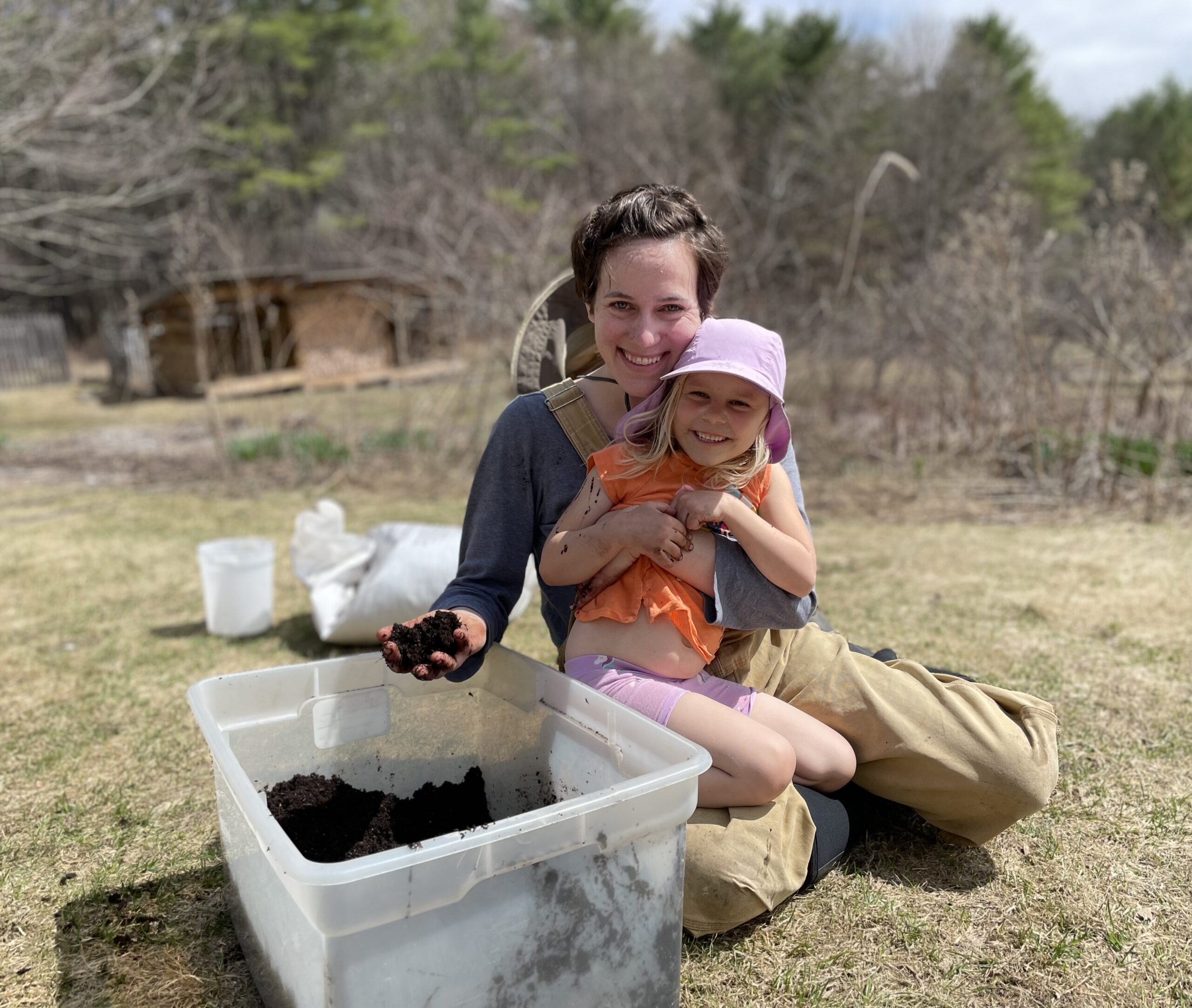
"I’ve learned that chaining myself to my vegetable garden is really no different than chaining myself to my desk and computer," the author reflects. By shifting their focus, they have moved away from the "all-or-nothing" mentality. They now maintain a mix of raised beds near the house for convenience and a "big" garden for annuals, where the children can participate without the pressure of full-scale production.

They no longer feel the need to preserve "every single cucumber" into 100 quarts of pickles. Instead, they celebrate the privilege of not needing to be subsistence farmers, choosing instead to support local neighbors who do this work full-time—an act of community building that provides fresher produce without the soul-crushing labor of excessive preservation.

Implications: The Shift Toward Lifestyle Sustainability
The story of the Frugalwoods serves as a cautionary tale for those looking to "escape" to the country. The implications for the modern homesteader are clear:
- Avoid Transplanted Stress: Moving to the country is often sold as a cure for burnout. However, if one brings a perfectionist mindset to the homestead, they will inevitably face the same burnout they sought to escape.
- Prioritize Balance: The most successful homesteaders, according to this account, are those who prioritize the "life" part of "lifestyle." If the garden prevents one from hiking, socializing, or spending time with family, it has become a liability rather than an asset.
- Define Success Individually: Success in homesteading should not be measured by the number of jars in the pantry, but by the level of satisfaction and freedom the lifestyle provides.
- Acceptance is Key: The final stage of the gardening journey is letting go of the ego-driven need to be the "perfect homesteader."
In 2023, the Frugalwoods report that they still enjoy gardening, but it is no longer a race. They plant what they enjoy, they harvest what they can, and they are comfortable leaving the rest to the elements and the "Clever Varmint Patrol." This new approach proves that the most sustainable homestead is not the one that provides every calorie, but the one that preserves the mental and emotional well-being of the people who call it home.

By debunking the myth that homesteading must be a full-time, soul-consuming career, the Frugalwoods have opened the door for a more sustainable, realistic, and truly frugal way of life—one where the garden serves the family, rather than the family serving the garden.