The Anatomy of a Renovation: Overcoming Structural Hurdles to Transform a Home
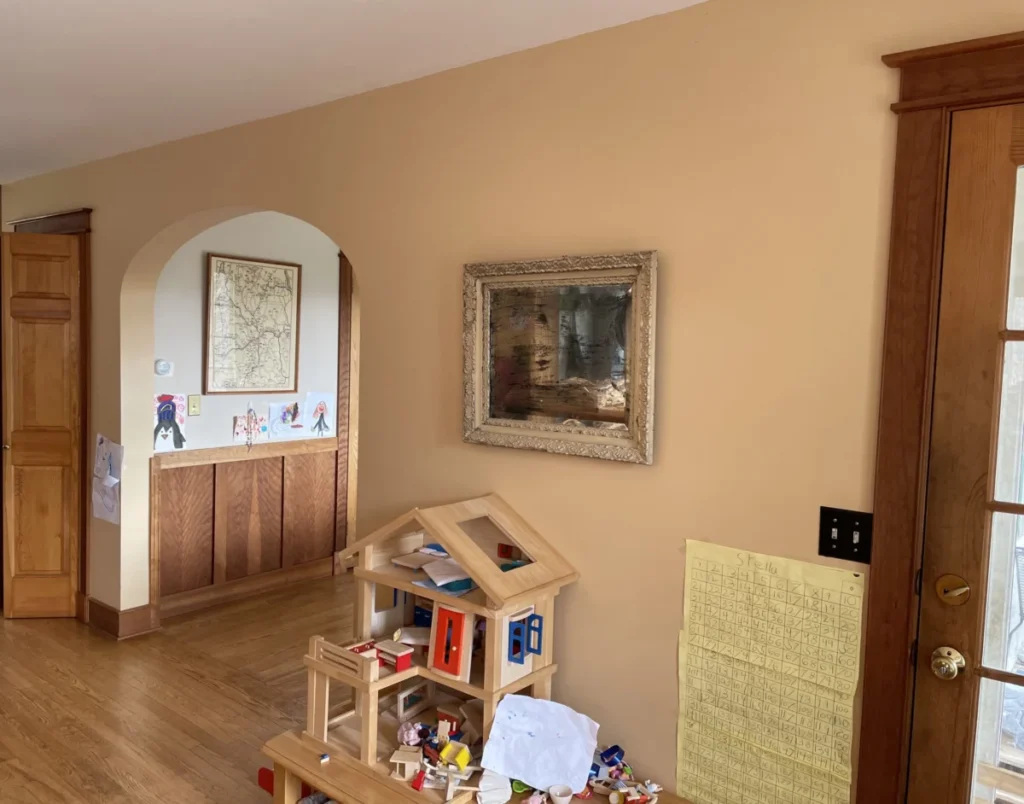
Home renovation is rarely the seamless, montage-filled experience portrayed on television. For many homeowners, it is a multi-year odyssey defined by dust, difficult decisions, and the constant navigation of structural integrity. Recently, a long-term home improvement project reached a significant milestone: the removal of a "menace" wall—a structural divider that had long obstructed the flow of a 1991-built home.
This project, which culminated in June, serves as a masterclass in the complexities of residential remodeling, balancing aesthetic desires with the hard realities of load-bearing architecture and professional trades coordination.
The Problem: Why Was the Wall There?
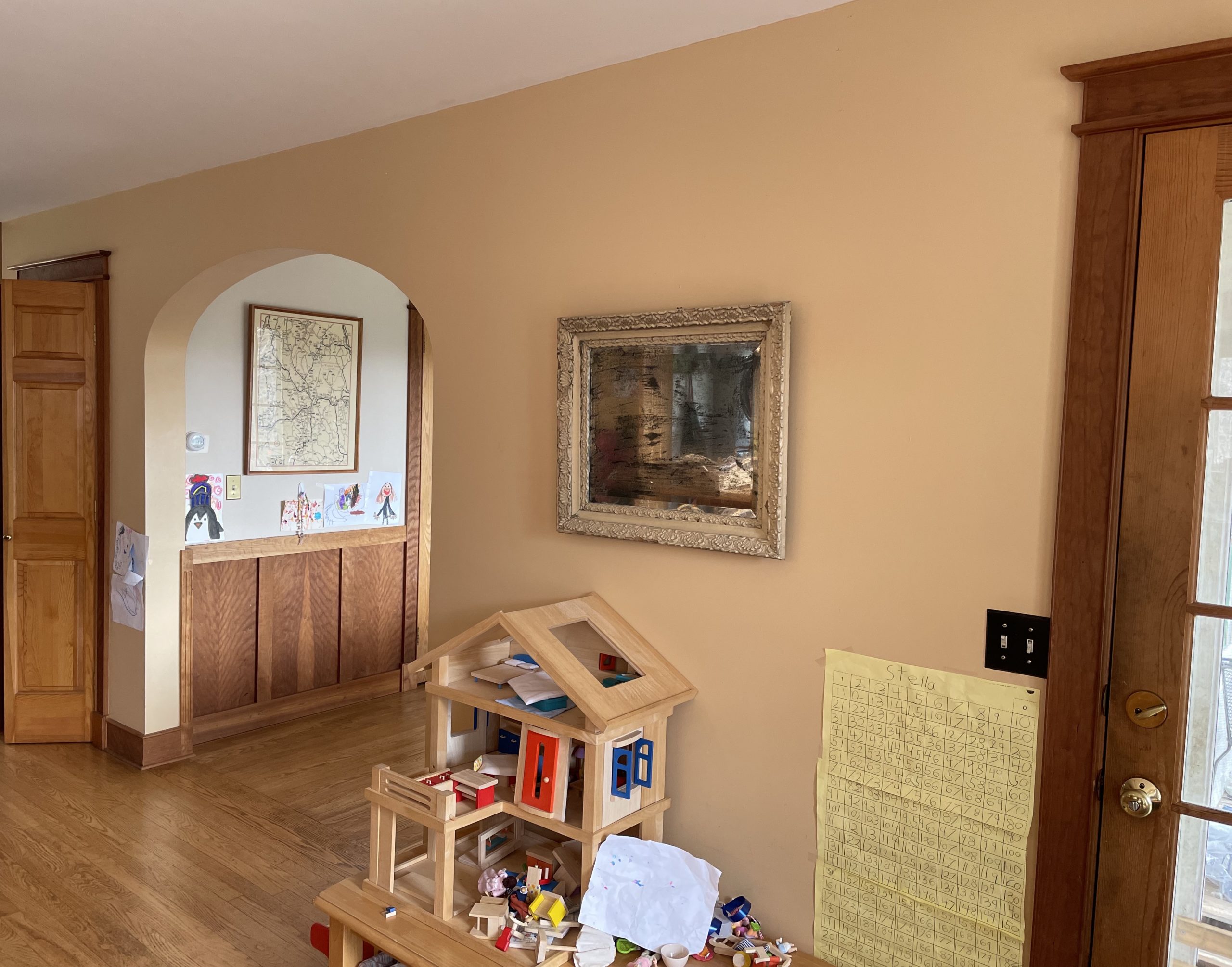
The wall in question served as an awkward partition between the kitchen and dining area and the living room. It featured an eccentric, low-arched doorway that frustrated both the homeowners and their guests. Visitors frequently questioned the logic behind such a disruptive structural element.
The answer, however, lay in the construction standards of the early 1990s. When the house was built, builders utilized this wall not merely as a room divider, but as a critical infrastructure spine. It housed vital utility stacks, electrical conduits, and served as a primary load-bearing support for the upper floor. Removing it was not a simple act of demolition; it was a complex surgical procedure requiring precise engineering to ensure the house remained structurally sound.

The Chronology of Construction
The project was executed in phases, prioritizing safety and long-term utility over speed.
Phase I: Demolition and Professional Rerouting
The process began with the manual removal of drywall and trim—the "grunt work" that the homeowners managed themselves. Once the structure was exposed, the limits of DIY capability became clear. A professional plumber was brought in to reroute the plumbing stack. This involved an intricate zig-zagging maneuver through the ceiling and down the corner of the pantry. To conceal the new plumbing footprint, a custom wall was built using reclaimed siding, proving that functional necessities can often be turned into design features.
Phase II: Electrical Upgrades
Following the plumbing, an electrician was tasked with reconfiguring the home’s electrical boxes. A significant addition during this phase was the installation of a recessed light over the dining table. This seemingly minor change had a profound impact on the home’s functionality, particularly for evening activities where adequate overhead lighting had been notably absent since the home’s construction.
Phase III: The Structural Pivot
The most daunting aspect of the renovation was the recessing of a load-bearing support beam. To ensure the home’s structural integrity, the homeowners employed an architect to calculate the necessary specifications for the beam. The husband, acting as the primary carpenter, constructed a temporary support "ladder" wall to hold the ceiling load while the primary beam was integrated into the structure. This work required self-taught carpentry skills and rigorous adherence to the architect’s specifications.
Supporting Data: The Cost of Transformation
A renovation of this scale is as much a financial commitment as it is a physical one. Below is a breakdown of the expenditures incurred during the month of June, illustrating the high cost of structural modifications.
| Item | Amount | Notes |
|---|---|---|
| Lumber and Drywall | $703.53 | Includes beam, framing, and drywall |
| Home Improvement Tools | $600.61 | Includes bottle jack, fasteners, brackets |
| Electrician | $494.98 | Rerouting and recessed lighting |
| Total Project Costs | $1,799.12 | Primary structural/electrical investment |
These figures represent only a portion of the total budget for the multi-year renovation, highlighting the necessity of careful financial planning.
Implications for Future Home Maintenance
The homeowners have opted to pause final drywalling and flooring until the kitchen is addressed in the "near-ish" future. This decision reflects a strategic approach to home maintenance: by leaving sections of the ceiling open, they can easily integrate future electrical needs for the kitchen remodel, avoiding the need to cut into finished walls a second time.
This project highlights a key philosophy in modern homeownership: the distinction between tasks that can be performed by the owner and those that require professional expertise. While demolition and finish carpentry are accessible to those with the time and interest to learn, structural engineering, complex plumbing, and high-voltage electrical work remain the domain of licensed professionals. Paying for this expertise is not just a convenience; it is an investment in the long-term safety of the structure.

Financial Management: A Holistic Perspective
Beyond the construction site, the homeowners maintain a rigorous approach to financial health. They utilize a system of "systematized oversight" to track their net worth, investments, and daily spending. This includes:
- Cash Back Incentives: Utilizing a 2% cash back rewards card for all necessary purchases. In June, this generated $88.90 in passive income.
- High-Yield Savings: Emphasizing the importance of moving cash from low-interest accounts to high-yield savings vehicles to ensure that capital is working effectively.
- Cost Optimization (MVNOs): By utilizing Mobile Virtual Network Operators (MVNOs) for cell phone service, the household reduced their monthly communication costs to $28.24 for two lines.
These practices demonstrate that the same discipline applied to a structural home renovation—planning, consulting experts, and executing with precision—can be applied to personal finance.
Conclusion
The removal of the "menace wall" is more than just an aesthetic improvement; it represents a significant increase in the home’s flow and livability. It serves as a reminder that home improvement is rarely a linear path. It requires the humility to hire professionals when the stakes are high, the patience to manage projects over years rather than weeks, and the financial awareness to support these endeavors without compromising long-term security.
As the house moves toward its next phase of renovation, the focus remains on incremental progress. Whether it is a light fixture, a plumbing stack, or a carefully managed budget, the goal remains the same: transforming the space into a home that is as functional as it is durable. For those embarking on their own renovation journeys, the lesson is clear—plan for the structural, budget for the unexpected, and never underestimate the value of a well-placed beam.