The Bank of England Pivots: A New Regulatory Framework for Systemic Stablecoins
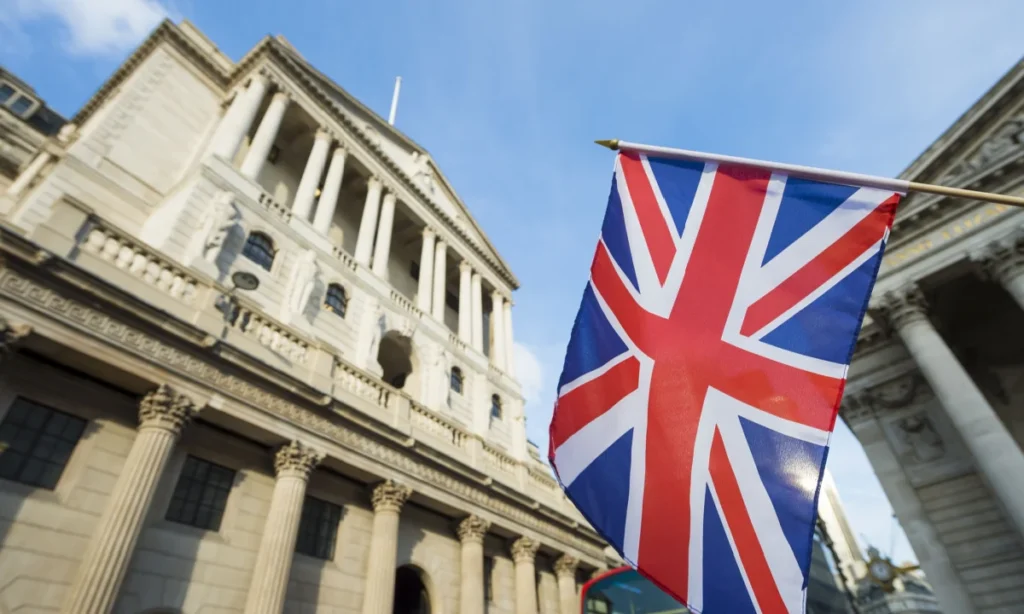
By PYMNTS | June 22, 2026
In a significant policy recalibration that signals a more pragmatic approach to digital asset integration, the Bank of England (BOE) announced on Monday, June 22, 2026, that it is abandoning its previously proposed temporary holding limits on stablecoins. This move marks a major departure from earlier regulatory posturing and follows intensive feedback from the cryptocurrency industry, which had characterized the original proposals as operationally cumbersome and stifling to financial innovation.
Instead of imposing rigid, per-user ownership caps, the BOE is shifting its regulatory lens toward the issuers themselves. The new framework introduces a "temporary issuance guardrail" for "systemic stablecoins," initially set at a threshold of £40 billion. This policy shift is intended to foster a robust environment for digital payments while maintaining the central bank’s core mandate of preserving financial stability.
The Core Policy Shift: From Ownership Caps to Issuance Guardrails
For over a year, the Bank of England had been contemplating restrictive measures to prevent potential "bank runs" or massive capital outflows from traditional commercial banking systems into digital assets. The initial proposal, which suggested limiting individual stablecoin ownership to £20,000 and business holdings to £10 million, had faced severe criticism from industry stakeholders.
Critics argued that such caps would have effectively rendered stablecoins useless for institutional treasury management and large-scale B2B payments, essentially legislating the technology into obsolescence before it could gain a foothold in the UK economy.
Under the new guidance, the BOE has replaced these user-level restrictions with a supply-side constraint. By focusing on the systemic impact of individual stablecoin issuers, the bank aims to manage risks at the source. Furthermore, the BOE has increased the permitted ratio of interest-bearing assets within stablecoin backing portfolios. Issuers are now authorized to hold up to 70% of their reserves in interest-bearing assets—up from the previously proposed 60%—with the remainder required to be held in highly liquid central bank deposits.
A Chronology of the UK’s Stablecoin Regulatory Journey
The road to the current framework has been marked by a delicate balancing act between the UK’s ambition to become a "global crypto hub" and its conservative approach to systemic risk.
- 2025 – The Era of Proposed Restrictions: Throughout 2025, the BOE published several papers outlining concerns that the rapid adoption of stablecoins could lead to a destabilizing flight of liquidity from commercial bank deposits. This led to the introduction of the contentious £20,000 individual ownership limit proposal.
- Early 2026 – Industry Pushback: During the first half of 2026, industry associations and fintech leaders began an aggressive lobbying campaign, providing the BOE with data suggesting that the proposed limits were not only operationally difficult to monitor but would also hinder the development of the UK’s nascent digital payment infrastructure.
- May 2026 – A Signaling of Change: In a crucial interview with the Financial Times last month, Sarah Breeden, the BOE’s Deputy Governor for Financial Stability, acknowledged that the regulator was "genuinely open" to alternative mechanisms. She admitted that the industry feedback had highlighted the impracticality of the proposed limits.
- June 22, 2026 – The Announcement: The Bank of England officially released its new policy statement, finalizing the move away from ownership caps in favor of the £40 billion issuance guardrail and the expanded 70% interest-bearing asset allowance.
The Logic Behind the Regulatory Pivot
The rationale for the BOE’s change of heart lies in the dual need for "prompt redemption" and "viable business models."
"This is a major milestone in delivering greater choice and innovation in UK payments. Innovation thrives on trust," Sarah Breeden noted in the official news release. She emphasized that the foundations of this trust are built on three pillars: the ability for users to redeem their tokens for fiat currency instantly, the implementation of strong consumer protections, and the ultimate backing of central bank support.
The decision to allow issuers to hold 70% of their assets in interest-bearing instruments is particularly significant. By allowing issuers to generate yield on a larger portion of their reserves, the BOE is enabling firms to operate more sustainable, profitable models. This, in turn, reduces the likelihood of issuer insolvency, which the bank views as a vital component of protecting the overall financial system.
Supporting Data: How CFOs View Digital Assets
While the BOE’s regulatory shift is a win for proponents of digital assets, the real-world adoption of stablecoins among corporate finance leaders remains cautious. According to the latest data from PYMNTS Intelligence’s 2026 Certainty Project, titled "Waiting for Certainty: Why Most CFOs Are Holding Back on Crypto and Stablecoins," the enthusiasm for digital assets in the C-suite is measured.
The data reveals that only 13% of middle-market companies currently utilize stablecoins, while a mere 5% employ other forms of cryptocurrency. These numbers underscore the reality that for most Chief Financial Officers, stablecoins are not currently viewed as a "financial revolution."
Instead, the trend among CFOs is to treat stablecoins as a controlled, efficient mechanism for moving money across familiar banking channels. Rather than using them as speculative assets, companies are looking to stablecoins to serve as a modern equivalent to the Automated Clearing House (ACH) system, providing faster settlement times and lower cross-border costs.
The Certainty Project report highlights that finance leaders are not rejecting digital assets outright, but are instead waiting for the exact kind of regulatory clarity the BOE is now attempting to provide. By creating a regime that feels "world-leading" and secure, the Bank of England hopes to bridge the gap between cautious corporate skepticism and the technological potential of programmable money.
Implications for the Future of UK Finance
The shift in policy has far-reaching implications for both the banking sector and the fintech industry.
1. Increased Institutional Participation
By removing individual ownership caps, the BOE has cleared a path for institutional-grade stablecoin usage. Businesses that require high-velocity liquidity can now utilize these assets without hitting arbitrary, restrictive ceilings. This is expected to drive more interest from the payments-as-a-service sector.
2. A New Competitive Landscape
The requirement that the remaining 30% of reserves be held in central bank deposits cements the role of the Bank of England as the ultimate liquidity provider. This creates a symbiotic relationship: stablecoin issuers get the legitimacy of central bank backing, and the BOE gains oversight of the liquidity pools that sustain these digital assets.
3. The "Standardization" of Stablecoins
The focus on "systemic" stablecoins implies that the BOE is creating a two-tiered system. Small-scale, non-systemic tokens may eventually face different, lighter-touch regulations, while those that reach the scale of the £40 billion threshold will be treated with the same scrutiny as traditional systemic financial institutions.
4. Global Competitiveness
The UK’s move to refine its stablecoin policy comes as other jurisdictions, including the European Union under its MiCA (Markets in Crypto-Assets) regulation and the United States, continue to wrestle with their own frameworks. By positioning itself as a jurisdiction that listens to industry input while maintaining firm risk controls, the UK is attempting to differentiate itself as a high-quality, high-trust environment for digital asset development.
Conclusion: A Measured Step Toward the Future
The Bank of England’s decision to replace restrictive user caps with issuance-side guardrails is a testament to the evolving nature of digital finance. It acknowledges that if the UK is to remain a leader in financial technology, it must create a regulatory environment that is not only safe but also operationally functional for the businesses it seeks to attract.
As CFOs continue to monitor the landscape, the clarity provided by the BOE on June 22, 2026, provides a much-needed foundation. The goal is no longer to prevent the adoption of stablecoins, but to manage their growth in a way that integrates them seamlessly into the existing financial architecture. Whether this framework is sufficient to spark widespread institutional adoption remains to be seen, but for now, the path forward appears significantly clearer than it did just a few months ago.