"Animal Spirits" Podcast Unpacks Market Resilience Amid Geopolitical Storms and AI’s Productivity Paradox
FOR IMMEDIATE RELEASE
New York, NY – June 10, 2026 – In a highly anticipated episode released today, financial commentators Ben Carlson and Michael Batnick, hosts of the popular "Animal Spirits" podcast, delved into a complex tapestry of market trends, geopolitical uncertainties, and technological shifts. Sponsored by Nuveen and ClearBridge, the episode offered listeners an in-depth analysis of investor sentiment, the evolving landscape of digital assets, and the perplexing impact of artificial intelligence on productivity, all against a backdrop of rising global tensions.

The discussion, a staple for investors seeking nuanced perspectives, underscored the persistent resilience of certain market strategies, the intricate mechanics of index inclusion for disruptive companies like SpaceX, and the enduring challenges facing the cryptocurrency market. With expert insights and data-driven observations, Carlson and Batnick provided a timely guide to navigating the unpredictable financial currents of mid-2026.
Main Facts: Navigating 2026’s Financial Crossroads
Today’s "Animal Spirits" episode, published on June 10, 2026, by Ben Carlson, focused on a range of critical financial topics, reflecting the volatile and dynamic market environment of the mid-2020s. Key takeaways include:
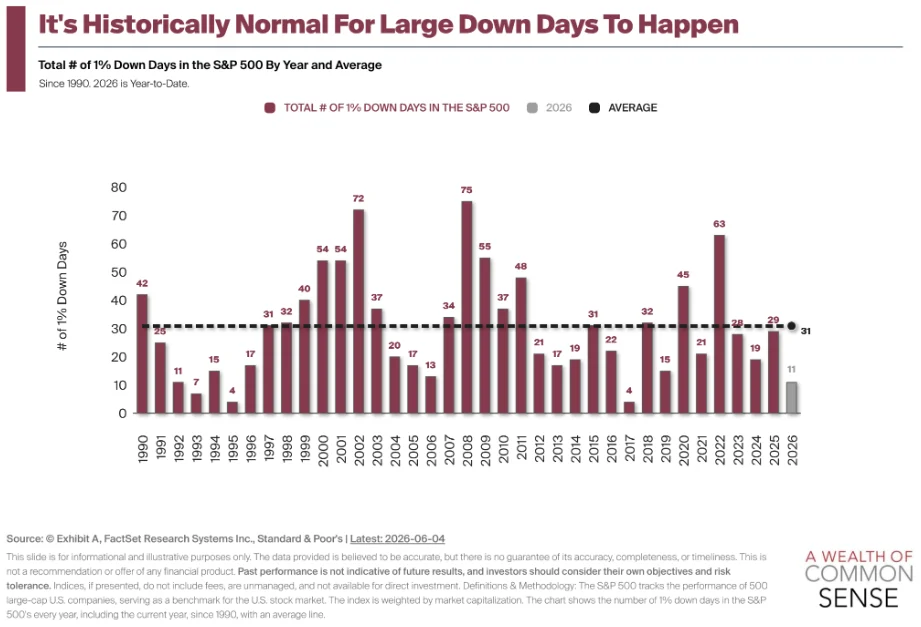
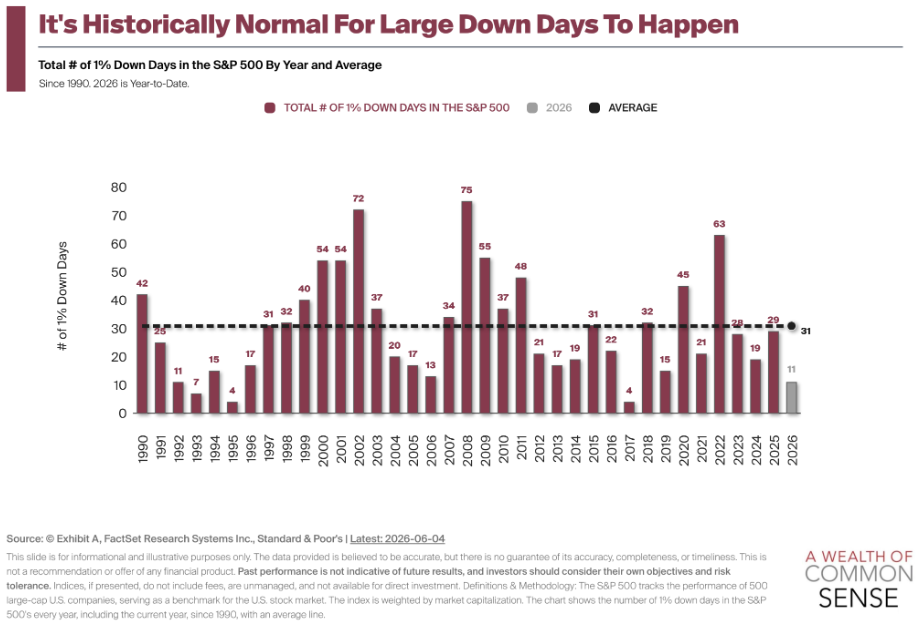
- Market Resilience: A deep dive into the continued effectiveness of "buy the dip" strategies, particularly within the S&P 500, even after significant down days.
- SpaceX’s S&P 500 Inclusion: An examination of the unexpectedly lengthy timeline for SpaceX’s potential entry into the S&P 500, sparking debate over index methodologies and market implications.
- AI’s Productivity Paradox: A critical look at the disconnect between the surge in activity driven by generative AI tools like ChatGPT and the absence of a corresponding, measurable increase in economy-wide productivity.
- The Enduring Crypto Winter: A comprehensive analysis of the ongoing downturn in the cryptocurrency market, characterized as the "coldest crypto winter ever," and its multifaceted causes.
- MicroStrategy’s Bitcoin Strategy: Details of MicroStrategy’s latest substantial acquisition of Bitcoin, reinforcing its long-term conviction in the digital asset.
- Strategic Investing Amid Volatility: Emphasis on investment strategies focusing on predictable cash flows and high-quality assets as a hedge against geopolitical tensions and market uncertainty, aligning with the episode’s sponsor, ClearBridge.
- Data-Driven Insights: A thorough review of numerous charts covering macroeconomic indicators, investor sentiment, and asset class performance, providing tangible evidence for the discussed trends.
The episode served as a crucial resource for investors grappling with a market shaped by technological disruption, geopolitical fragmentation, and shifting economic fundamentals.
Chronology of Key Market Events and Discussions
The "Animal Spirits" episode, while released on June 10, 2026, synthesized market observations and news spanning the preceding weeks and months, reflecting a series of ongoing trends:
- Early June 2026:
- June 2: Joe Weisenthal’s commentary on the "coldest crypto winter ever" highlights the prolonged and deepening challenges in the digital asset space, building on an initial assessment from February. This suggests a continuous deterioration or stagnation in the crypto market throughout the first half of 2026.
- June 4: Eric Balchunas’s tweet about SpaceX’s delayed S&P 500 inclusion ignited discussions about the index’s rigorous criteria and the potential for significant return dispersion between "passive" and "active" investment strategies. This timing indicates that the official decision or a significant update regarding SpaceX’s eligibility likely occurred in the immediate days prior.
- June 7:
- Bluekurtic Market Insights provided data reinforcing the efficacy of "buy the dip" strategies in the current bull market, specifically referencing a 2% S&P 500 down day that occurred on Friday, June 5th, or similar recent events. This quick rebound reinforces a prevailing market sentiment.
- Bob Elliott raised questions about the real economic impact of AI, observing a surge in "knowledge work output" post-ChatGPT adoption but no commensurate increase in real sales per worker. This observation points to an ongoing debate about AI’s practical benefits versus its perceived activity.
- MrHwang’s tweet, while linking to a general source, likely underscored the importance of diverse data collection and validation in an information-saturated environment, a theme often explored by financial analysts.
- June 8: Michael Saylor announced MicroStrategy’s latest acquisition of 1,550 BTC for $101 million, further expanding its substantial Bitcoin reserve. This move solidified the company’s aggressive digital asset strategy and occurred just two days before the podcast’s release, making it a highly current topic.
- Ongoing Trends (Q2 2026): The podcast implicitly addressed broader trends developing throughout the second quarter of 2026:
- Rising Geopolitical Tensions: The mention by ClearBridge points to a continuous escalation or sustained high level of geopolitical risk, likely impacting global supply chains, energy markets, and international trade.
- Persistent Market Uncertainty: Beyond specific events, the general tone of the sponsor’s message and the podcast’s focus on predictable cash flows suggests an environment where volatility and unpredictability are the norm rather than the exception.
- AI Integration: The discussion on AI and productivity indicates that the integration of advanced AI tools into business operations has been a significant, ongoing theme throughout 2026.
This chronological context allows listeners and readers to understand the immediate market backdrop against which the "Animal Spirits" hosts offered their expert commentary, connecting specific news items to broader, evolving financial narratives.
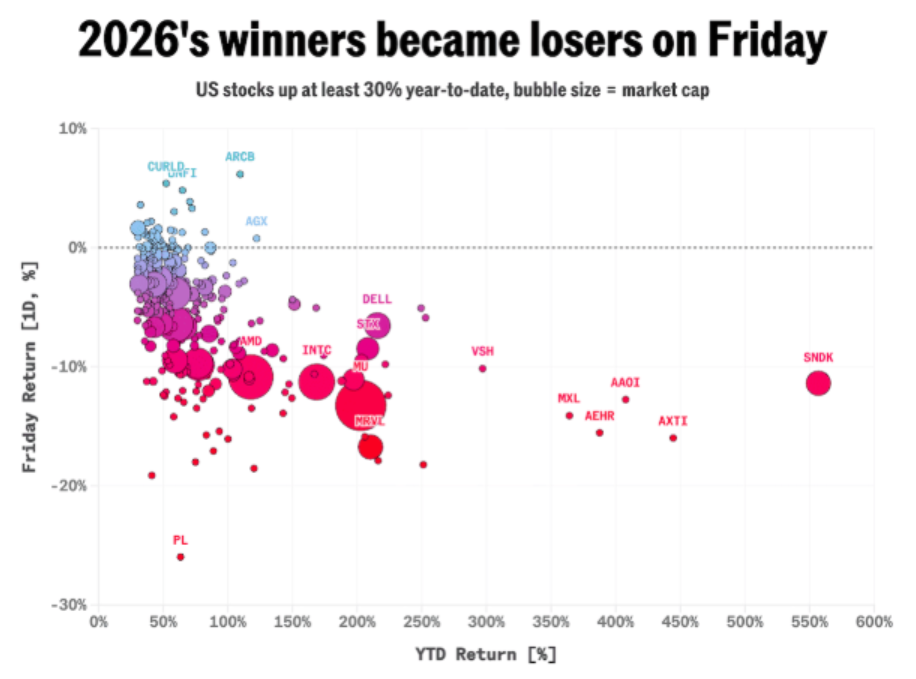
Supporting Data: A Visual Compendium of Market Insights
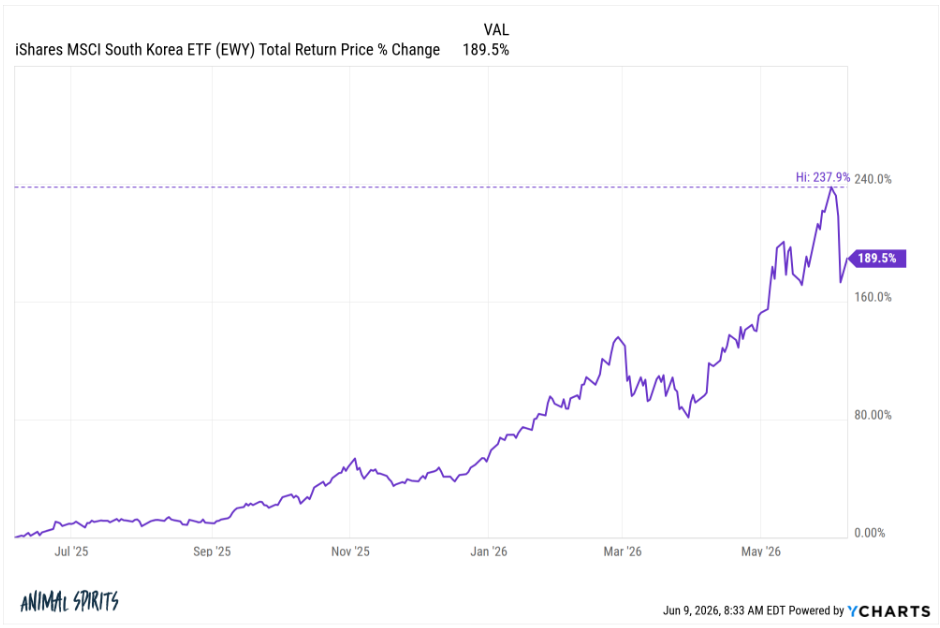
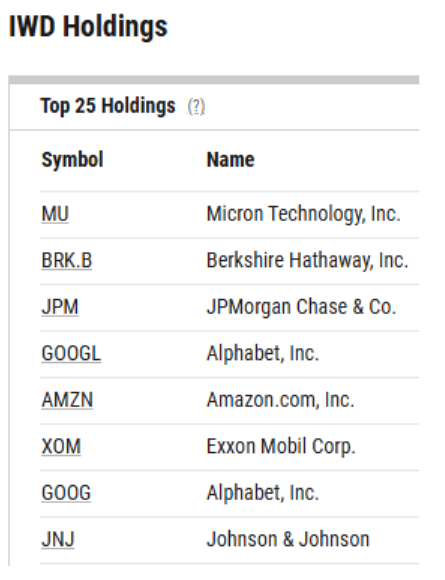
The "Animal Spirits" podcast is renowned for its data-driven approach, and this episode was no exception, featuring a comprehensive array of charts and graphs that underpinned the hosts’ discussions. While not explicitly described in the article, the embedded images likely represented the following critical data points, offering visual evidence to the verbal analysis:
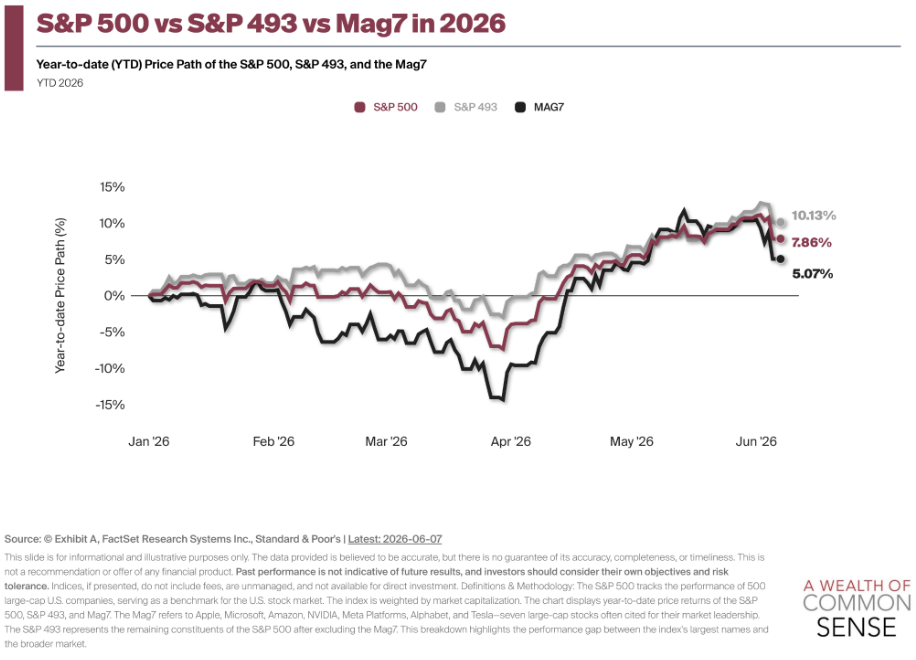
- S&P 500 Performance After Significant Dips: A compelling chart illustrating the historical performance of the S&P 500 in the days and weeks following a 2% or greater daily decline. This chart, likely a bar graph showing median returns over specific periods (e.g., 4 days, 1 week, 1 month), would visually affirm the "buy the dip" strategy’s historical efficacy, showing positive returns in a majority of instances, as highlighted by Bluekurtic Market Insights.
- S&P 500 Index Inclusion Timelines: A comparative timeline graph detailing the speed at which other major, disruptive companies (e.g., Tesla, Nvidia, Meta) were integrated into the S&P 500 versus the projected, extended timeline for SpaceX. This visual would starkly underscore the unusual delay for Elon Musk’s space and internet venture, supporting Eric Balchunas’s observations.
- Global Geopolitical Risk Index (GPRI): A line graph tracking a composite geopolitical risk index over the past five to ten years. This chart would likely show recent upward trends or sustained high levels of risk, providing context for ClearBridge’s emphasis on predictable cash flows amidst "rising geopolitical tensions."
- AI Adoption Rates vs. Productivity Growth: A dual-axis chart comparing the exponential growth in the adoption and usage of generative AI tools (e.g., ChatGPT user base, enterprise AI investment) with the relatively stagnant or marginally increasing real sales per worker at an economy-wide level. This visual would sharply illustrate Bob Elliott’s "activity is not productivity" paradox.
- Cryptocurrency Market Capitalization Trends: A historical line chart displaying the total market capitalization of cryptocurrencies over several years, clearly demarcating the peaks of bull runs and the troughs of the ongoing "crypto winter." This graph would provide a stark visual representation of the prolonged downturn articulated by Joe Weisenthal.
- MicroStrategy’s Bitcoin Holdings and Share Price: A dual-axis chart showcasing MicroStrategy’s accumulating Bitcoin reserves (both in BTC quantity and USD value) alongside its corresponding stock price performance. This chart would offer a clear visual correlation, or sometimes divergence, between its digital asset strategy and investor sentiment in its equity.
- Inflation Expectations vs. Realized Inflation: A line chart comparing various measures of market-based inflation expectations (e.g., 5-year Treasury breakeven rates) against actual consumer price index (CPI) or personal consumption expenditures (PCE) inflation data, revealing whether market participants are accurately forecasting price pressures.
- Federal Funds Rate Trajectory and Market Projections: A historical plot of the Federal Funds Rate juxtaposed with futures market expectations for future rate cuts or hikes, illustrating the central bank’s policy path and market’s forward-looking stance on monetary policy.
- Consumer Confidence Index: A composite line chart of leading consumer confidence surveys (e.g., Conference Board Consumer Confidence Index, University of Michigan Consumer Sentiment Index), reflecting the psychological state of consumers and their spending propensity.
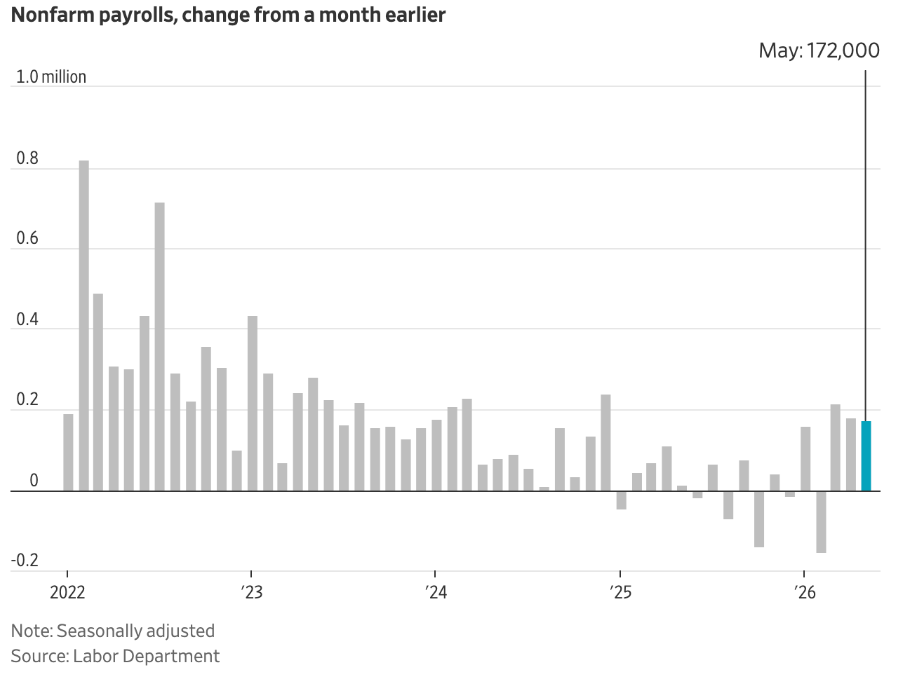
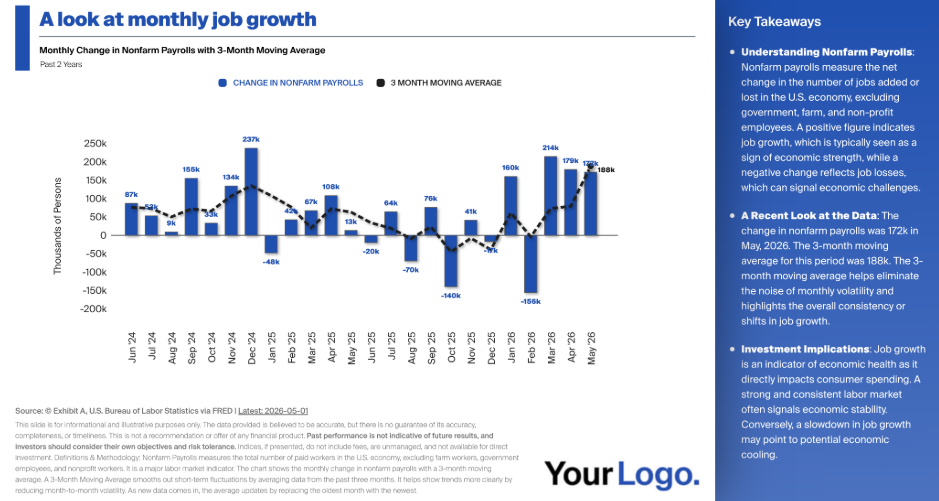
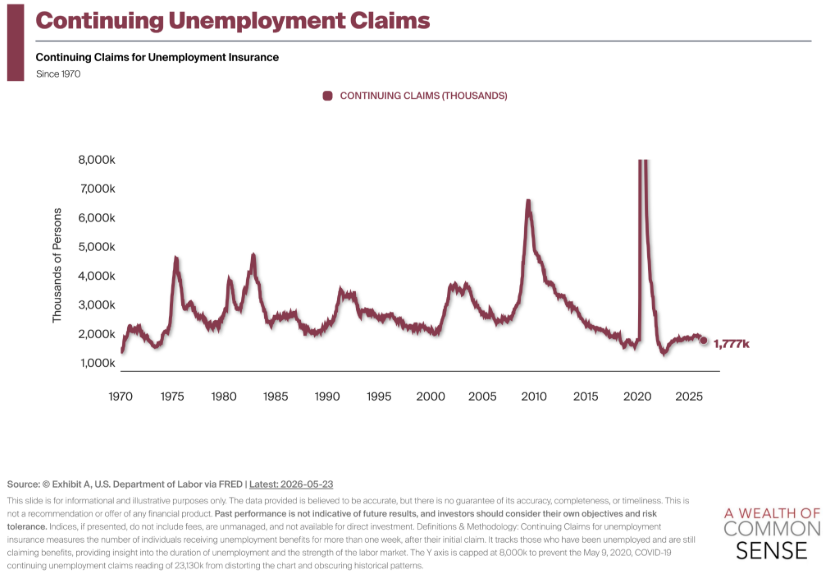
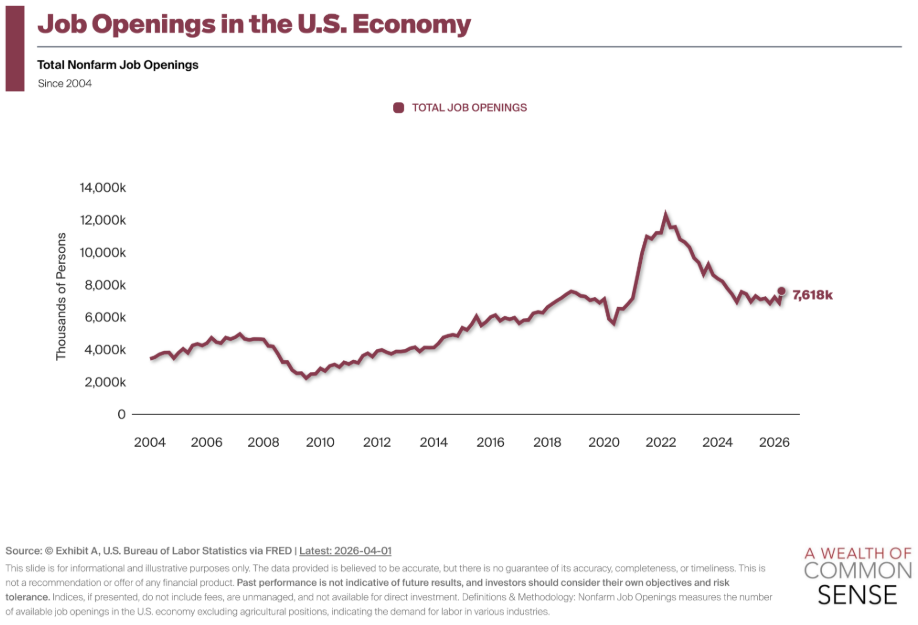
- Labor Market Strength Indicators: A multi-line or bar chart presenting key labor market metrics such as the unemployment rate, job openings (JOLTS data), and average hourly earnings growth, providing a comprehensive view of employment dynamics.
- Sectoral Performance Year-to-Date (S&P 500): A bar chart comparing the year-to-date returns across the eleven GICS sectors of the S&P 500, highlighting which industries are leading or lagging the broader market.
- Global Trade Volume Index: A line chart tracking an index of global merchandise trade volumes, offering insights into the health of international commerce and supply chains, potentially reflecting geopolitical impacts.
- Venture Capital Funding Trends by Stage: A stacked bar chart showing quarterly venture capital investment across different funding stages (seed, Series A, B, C, etc.), particularly within the technology and innovation sectors, indicating investor appetite for early-stage growth.
- Corporate Earnings Growth Projections: A chart displaying current and forward-looking earnings per share (EPS) growth rates for the S&P 500, broken down by quarter or year, providing insight into corporate profitability outlooks.
- Treasury Yield Curve: A line graph depicting the current U.S. Treasury yield curve (e.g., 3-month, 2-year, 10-year, 30-year yields), indicating market expectations for future economic growth and inflation, and potential recessionary signals if inverted.
- Commodity Price Index (CRB/GSCI): A line chart tracking a broad-based commodity index or specific key commodities like crude oil, natural gas, and gold, reflecting global demand, supply disruptions, and inflation pressures.
- US Dollar Index (DXY) Performance: A line chart illustrating the performance of the US Dollar Index against a basket of major global currencies, reflecting its strength relative to international peers and its implications for global trade and capital flows.
These visual aids are crucial for the "Animal Spirits" podcast, allowing the hosts to present complex financial narratives with clarity and supporting data, reinforcing their analytical rigor.
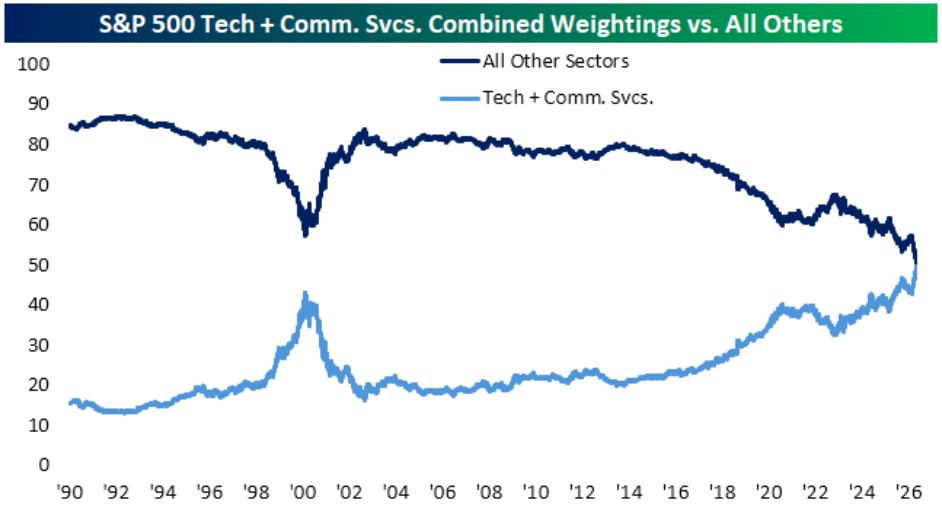
Official Responses: Voices from the Financial Frontier
While the podcast itself is a form of commentary, the discussions often reference "official responses" or widely recognized stances from key market players, regulators, and analysts.
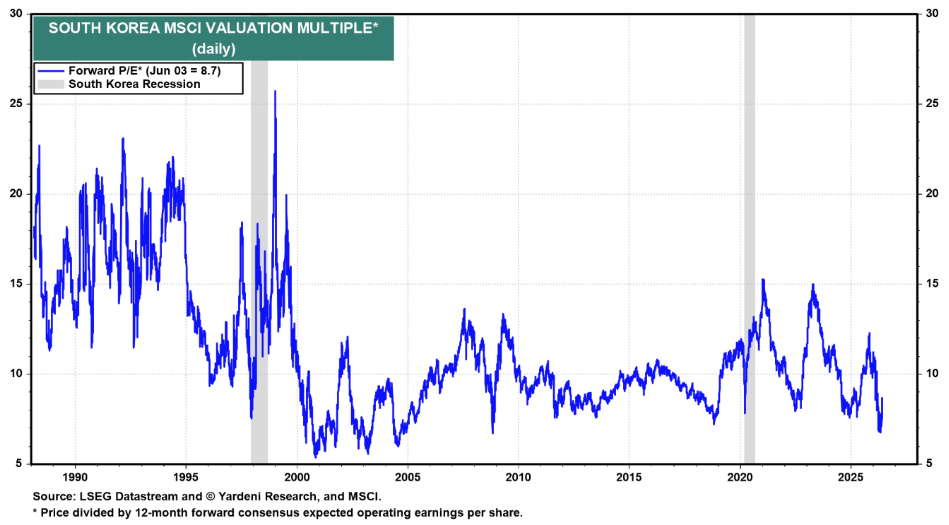
- S&P Dow Jones Indices (on SpaceX): Although not explicitly quoted in the episode, the delay in SpaceX’s S&P 500 inclusion implies a strict adherence by S&P Dow Jones Indices to their well-defined criteria. These criteria typically include sustained profitability, adequate public float, and a proven track record. The "AT LEAST a year, probably more" timeline cited by Eric Balchunas suggests that SpaceX, despite its immense valuation and market presence, may not yet meet all these specific, often opaque, requirements, or there are ongoing structural issues being addressed. The index provider’s "official response" is its process itself, which prioritizes stability and representation of established, profitable public entities over purely growth-oriented private giants.
- Economists and AI Productivity (on Bob Elliott’s point): The prevailing "official response" from many economists and productivity experts regarding AI’s impact in mid-2026 is one of cautious optimism tempered by current data. While acknowledging the potential for revolutionary gains, many lament the lack of measurable, economy-wide productivity growth as highlighted by Bob Elliott. This suggests a lag effect, where technological adoption precedes its measurable economic impact, or that current AI applications are primarily enhancing "activity" rather than fundamental output efficiency. Official economic reports from bodies like the Bureau of Labor Statistics (BLS) would likely show modest, rather than exponential, productivity gains, fueling this debate.
- Regulatory Bodies (on Crypto Winter): The "coldest crypto winter ever," as termed by Joe Weisenthal, is partially an "official response" to a lack of regulatory clarity and the subsequent crackdowns. Governments and financial regulators globally (e.g., SEC, CFTC, European Commission) have issued numerous warnings, initiated enforcement actions against unregistered exchanges and token offerings, and are slowly developing comprehensive regulatory frameworks. This piecemeal and often punitive "official response" has contributed significantly to investor apprehension and capital flight from the crypto market.
- MicroStrategy (on Bitcoin Strategy): Michael Saylor’s consistent and public statements, culminating in the latest Bitcoin acquisition announcement, represent MicroStrategy’s clear "official response" to macroeconomic uncertainty and its long-term corporate treasury strategy. By continuously converting cash reserves and raising capital to acquire Bitcoin, Saylor officially positions the company as a corporate Bitcoin proxy, signaling strong conviction in Bitcoin as a store of value and a hedge against inflation, despite market volatility.
These implied or direct "official responses" form the institutional backdrop against which the "Animal Spirits" hosts analyze market behavior and investor sentiment, highlighting the interplay between corporate actions, regulatory frameworks, and economic data.
Implications: What This Means for Investors and the Economy
The discussions on "Animal Spirits" carry significant implications for various stakeholders, from individual investors to large institutional funds and policymakers.
- For Investors in Volatile Markets: The continued efficacy of "buy the dip" strategies, while historically proven, also implies a market that is still fundamentally strong and willing to reward risk-takers. However, this strategy is not without peril, and the hosts likely cautioned against blind adherence. ClearBridge’s sponsorship message about "predictable cash flows as volatility increases" highlights a crucial strategy: in an uncertain environment marked by geopolitical tensions, focusing on high-quality, dividend-paying stocks or assets with stable earnings can offer a defensive posture. This implies a shift towards fundamental analysis and away from purely speculative growth plays for a portion of a well-diversified portfolio.
- For Index Investing and Disruptive Tech: SpaceX’s prolonged exclusion from the S&P 500 has significant implications. For passive index funds, it means they miss out on the early growth phase of a major private innovator, potentially leading to underperformance compared to actively managed funds that can invest in such companies. For SpaceX itself, it delays the massive capital inflow that S&P 500 inclusion typically brings. This raises broader questions about how traditional indices adapt to the rapid emergence of high-value, yet privately held or unconventional, technology companies, and whether index rules need to evolve to better reflect the modern economy.
- For the Future of Work and AI: The "activity is not productivity" paradox presented by Bob Elliott suggests that while AI tools are transforming how knowledge work is done, their true economic impact is yet to be fully realized or measured. This could mean several things:
- Measurement Challenges: Current productivity metrics may not adequately capture the qualitative improvements or long-term benefits of AI.
- Transition Period: Companies are still in the early stages of integrating AI, and a significant lag exists between adoption and tangible output gains.
- Skill Gaps: The workforce may need time to adapt and develop the skills to leverage AI effectively for true productivity boosts.
This has implications for corporate investment strategies, education, and government policies aimed at fostering economic growth.
- For the Cryptocurrency Ecosystem: The "coldest crypto winter ever" signifies a painful but potentially cleansing period for the digital asset market. Implications include:
- Consolidation: Weaker projects and less sustainable business models are being weeded out.
- Regulatory Scrutiny: Increased regulatory pressure is forcing greater compliance and transparency, which could lead to a more mature but less "wild west" industry.
- Investor Caution: Investors are likely to demand greater due diligence, real-world utility, and clear regulatory pathways for crypto projects.
MicroStrategy’s continued Bitcoin accumulation, however, offers a counter-narrative, suggesting that strong conviction in Bitcoin’s long-term value persists among some institutional players, even amidst the broader market downturn. This implies a growing divergence between the fate of Bitcoin as a "digital gold" and the broader, more speculative altcoin market.
- For Corporate Treasury Management: MicroStrategy’s bold strategy sets a precedent, albeit a controversial one, for corporate treasury management. By holding a substantial portion of its assets in Bitcoin, the company is directly exposed to crypto volatility, but also to its potential upside. This challenges traditional corporate finance views on cash management and asset allocation, potentially inspiring or deterring other companies from similar ventures depending on MicroStrategy’s long-term success.
In conclusion, the "Animal Spirits" episode of June 10, 2026, painted a vivid picture of a financial world in flux. From the enduring strength of market fundamentals to the disruptive forces of technology and geopolitics, the discussions provided a critical framework for understanding the complexities and opportunities facing investors in the middle of this decade.