The Erasure of Identity: How Kansas’s SB 244 Signals a New Era of Legal Precarity for Transgender Americans
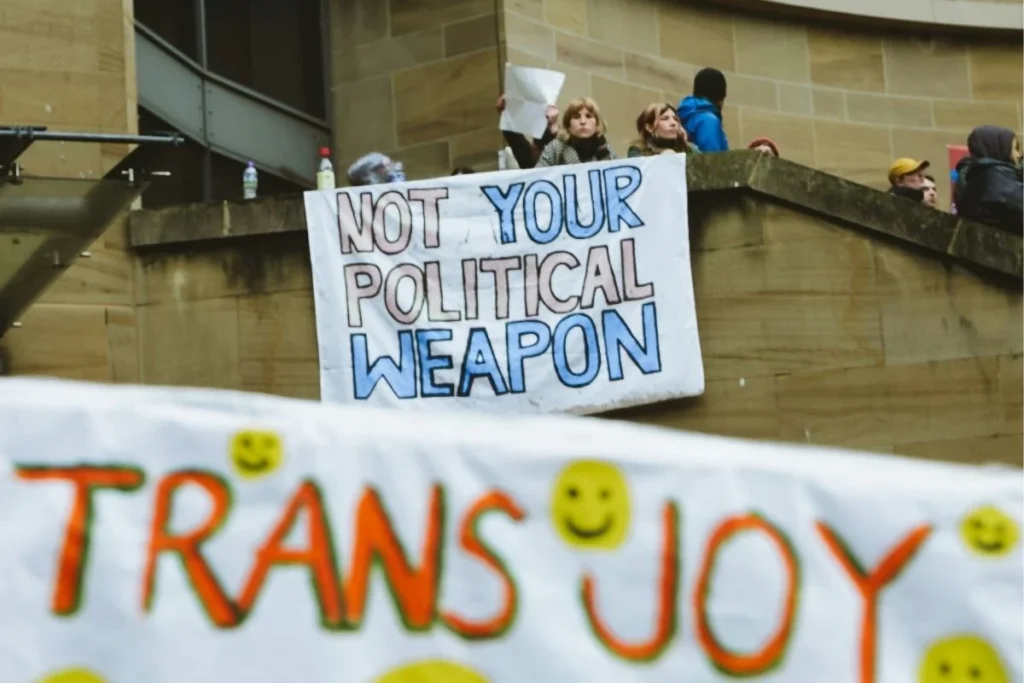
In February 2026, the state of Kansas set a chilling precedent for civil rights in the United States. Through the implementation of SB 244, the state became the first in the nation to retroactively revoke gender marker corrections on official government documents. This move effectively invalidated thousands of driver’s licenses, state ID cards, and birth certificates held by transgender residents, forcing them to carry identification that does not reflect their lived reality.
For many, this is not merely a bureaucratic hurdle; it is a profound rupture in their ability to participate in public life. The policy mandates that all state-issued identification must align with an individual’s sex assigned at birth. As a result, transgender citizens—including those who have undergone gender-affirming surgeries decades ago—have found their legal standing compromised. The implications are immediate and severe: individuals are now unable to legally drive, secure employment, rent housing, or perform basic administrative tasks without the looming threat of being "outed" or penalized.
The Chronology of Escalation: From Sports to Legal Erasure
To understand the severity of SB 244, one must view it within the broader trajectory of legislative attacks on the transgender community over the past several years. Experts note that this is not an isolated incident, but rather the current peak of a carefully orchestrated political strategy.
The narrative arc of these legislative efforts began roughly between 2020 and 2022, when political discourse shifted focus toward the participation of transgender athletes in youth and collegiate sports. By framing the issue around "fairness" in competition, proponents of restrictive laws successfully moved the needle of public opinion and built a legislative infrastructure for further intervention.
Once the groundwork was laid in the sports arena, the focus pivoted toward healthcare. Throughout 2023 and 2024, a wave of legislation swept through statehouses targeting gender-affirming care for minors and, in some cases, adults. These bills often utilized moral panic and medical misinformation to restrict access to essential, life-saving treatments.
By 2025 and moving into 2026, the strategy evolved into what advocates call "legal erasure." The current wave of legislation, epitomized by Kansas’s SB 244, aims to remove the legal recognition of transgender existence entirely. By forcing documents to align with birth-assigned sex, states are effectively attempting to legislatively revert transgender individuals to their pre-transition status, stripping them of the legal protections that accompany accurate identification.
Supporting Data: A Nationwide Mosaic of Restriction
Kansas is not acting in a vacuum. As of mid-2026, at least fifteen other states have enacted similarly restrictive laws that target the fundamental daily existence of transgender people. This "mosaic of legislation" creates a patchwork of rights where a citizen’s safety and legal status can change simply by crossing a state line.
- Florida: Through law S1134, the state has prohibited municipalities from funding or promoting Diversity, Equity, and Inclusion (DEI) initiatives, effectively scrubbing references to gender identity and sexual orientation from public discourse and institutional support.
- Iowa: Under HF571, the state has provided legal cover for healthcare providers and institutions to deny gender-affirming care under the guise of "exercise of conscience," leaving many patients without access to care in regions already struggling with provider shortages.
- North Carolina: With S442, in force since 2025, the state removed the denial of gender-affirming care as a category of child abuse, a move that significantly impacts the foster care and adoption landscape for transgender children.
- Tennessee and Oklahoma: These states have led the charge in mandating that school sports competitions be categorized exclusively by biological sex, codifying the exclusion of transgender students from participating alongside their peers.
Logan Casey, Director of Policy Research at the Movement Advancement Project, notes that the geography of these attacks is intentional. "Since 2020, we’ve seen a dramatic escalation in political attacks on LGBTQ people—especially transgender people—across the United States. Regionally, most of the new anti-transgender laws are concentrated in the South, the Midwest, and the Mountain West," Casey explained.
Official Responses and the Legal Battleground
The response from the civil rights community has been both urgent and multifaceted. Organizations like the American Civil Liberties Union (ACLU) have taken the lead in challenging the constitutionality of these measures.
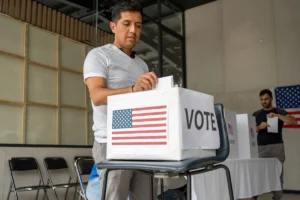
In response to SB 244, the ACLU filed a lawsuit on behalf of transgender Kansans, arguing that the law violates fundamental constitutional guarantees, including the right to privacy, equality before the law, and due process. The lawsuit highlights a terrifying reality: without valid IDs, transgender Kansans are effectively disenfranchised, losing their ability to vote in elections.
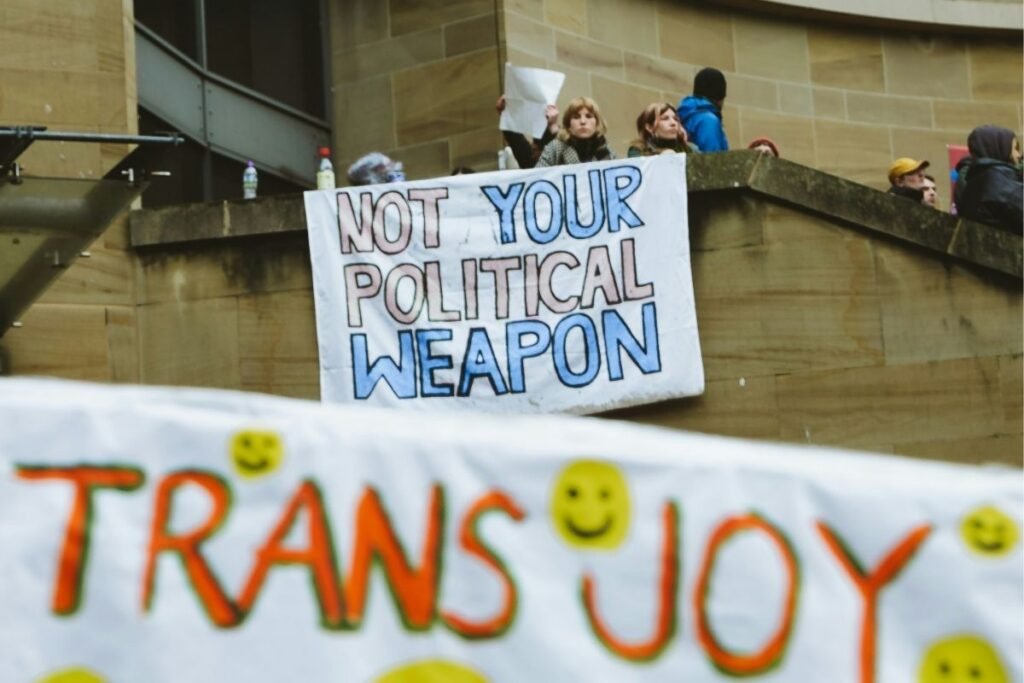
"The impact on transgender people is simply terrifying," says Sasha Buchert, Director of the Non-Binary and Transgender Rights Project at Lambda Legal. Buchert notes that the administrative state is being weaponized. Previously, identity document standards were managed by state agencies; now, legislatures are stepping in to bypass administrative expertise and mandate discriminatory practices directly into law.
Beyond the courtroom, grassroots organizations have mobilized to provide emergency support. Programs like Operation Lifeboat, launched by Trans Liberty, are actively helping individuals relocate from states like Kansas to jurisdictions where their identities are legally recognized and protected.
The Implications: A Threat to Public Safety and Privacy
The implications of the current legislative climate extend far beyond the inconvenience of a driver’s license renewal.
The Criminalization of Daily Life
In Kansas, the stakes have been raised to a criminal level. SB 244 allows for individuals to be sued for "damages" if they are suspected of entering a bathroom or locker room that does not align with their birth sex, with fines set at $1,000 per instance. Furthermore, carrying an "invalid" ID can result in fines of up to $2,500 and, in extreme cases, up to 12 months in prison. This environment turns ordinary citizens into potential vigilantes and forces transgender individuals into a state of constant, high-stakes surveillance.
The Erosion of Privacy
The ACLU has warned that these laws force transgender people to "out" themselves against their will in nearly every facet of modern life—when applying for a job, signing a lease, or interacting with law enforcement. This loss of privacy is not merely a social discomfort; it is a safety risk that increases the likelihood of harassment and discrimination.
The Broader Democratic Concern
Experts emphasize that the "wider net" of these laws should concern every American, not just the transgender community. "It’s important to understand that this is part of a wider net—it’s not just about transgender people," Buchert explains. She notes that the erosion of privacy and the legislative overreach seen in these anti-trans laws often set a blueprint for future restrictions on other minority groups.
A Path Forward: Solidarity and Truth
Despite the bleak outlook, advocates remain focused on long-term systemic change. The strategy is two-fold: immediate legal resistance to stop the bleeding, and long-term public education to combat the disinformation that fuels these legislative agendas.
Logan Casey believes that exposure is the antidote to the current wave of animosity. "When people get to know transgender people in real life and not through the lens of the misinformation and disinformation… they actually come to understand that transgender people are just neighbors, friends, family, schoolmates, classmates, coworkers," he says. He emphasizes that the issues facing the transgender community—the rising costs of housing, healthcare, and basic necessities—are the same issues facing all Americans.
As the legal challenges to SB 244 and similar laws across the country proceed, the nation finds itself at a crossroads. The outcome of these cases will likely define the boundaries of bodily autonomy and legal recognition for the next generation. For now, the transgender community continues to demonstrate remarkable resilience, building support networks and relying on one another as they navigate a landscape that is increasingly hostile to their very existence.
The struggle for recognition is far from over. As Buchert notes, the community has endured difficult periods in history before and remains committed to the fight for equality. The current era of "legal erasure" is a severe challenge to the democratic fabric of the United States, and its resolution will serve as a bellwether for the future of civil rights in America.