Western U.S. Braces for "Critical" Fire Weather as Lightning Storms Threaten Parched Landscapes
The American West is bracing for a perilous 48-hour window as meteorological conditions align to create a high-stakes environment for wildfire ignition and rapid spread. From the rugged terrain of Northern California to the high-desert plateaus of the Four Corners region, federal and state agencies have issued urgent warnings regarding a convergence of dry lightning, intense wind gusts, and critically parched vegetation.
As of Friday morning, the Storm Prediction Center (SPC) and the National Weather Service (NWS) have identified a significant escalation in fire risk. The combination of atmospheric instability and extreme fuel dryness threatens to overwhelm initial firefighting response teams, potentially stretching state and local resources to their breaking point.
The Meteorological Threat: A Perfect Storm for Ignition
The primary driver of the current emergency is a volatile mix of "dry lightning"—lightning occurring with little to no accompanying rainfall—and aggressive wind patterns. When lightning strikes dry, sun-baked vegetation, the probability of ignition is near-certain. Because these storms often occur in remote or inaccessible mountainous terrain, the delay in detection can lead to fires growing exponentially before containment crews can reach the scene.
According to the National Weather Service, the "Four Corners" region—where the borders of Utah, New Mexico, Colorado, and Arizona intersect—is currently under the most acute threat. However, the geographic scope of the danger is vast, with red flag fire warnings officially posted across Northern California, Oregon, Idaho, Nevada, Utah, and Arizona.
Meteorologists are particularly concerned about the wind component. Forecasts indicate that gusts in western mountainous regions could reach speeds of up to 55 miles per hour (89 kilometers per hour). These winds act as bellows for any nascent fire, pushing flames across containment lines and turning small brush fires into fast-moving, high-intensity infernos.
"Abundant lightning on dry fuels will likely create new ignitions across the region," the NWS stated in a regional advisory issued in southern Oregon. "Any fires that develop could spread rapidly. Numerous new fire starts could overwhelm the initial attack, forcing difficult decisions regarding the prioritization of firefighting resources."
Chronology of the Crisis: Escalating Risks
The current crisis did not emerge in a vacuum; it is the culmination of a prolonged period of moisture deficits and rising seasonal temperatures.
- Mid-June 2026: Throughout the second week of June, fire agencies across the West reported an uptick in "start" incidents, a precursor to the larger, more complex fires expected during the height of the summer.
- Late June 2026: As temperatures climbed, the "Lost Fire" in California’s Kern County emerged as a significant threat. Located between Bakersfield and San Luis Obispo, this blaze quickly became a primary focus for the California Department of Forestry and Fire Protection (Cal Fire).
- Friday, June 19, 2026: The SPC elevated its outlook for the western U.S., triggering a series of inter-agency red flag warnings. Resources were strategically repositioned across state lines to anticipate the expected lightning activity.
- Saturday, June 20, 2026: Forecast models suggest that the danger will persist through the weekend, as instability continues to linger over the Four Corners and the Pacific Northwest, necessitating high-alert status for all fire suppression assets.
Supporting Data: The Landscape of the Lost Fire
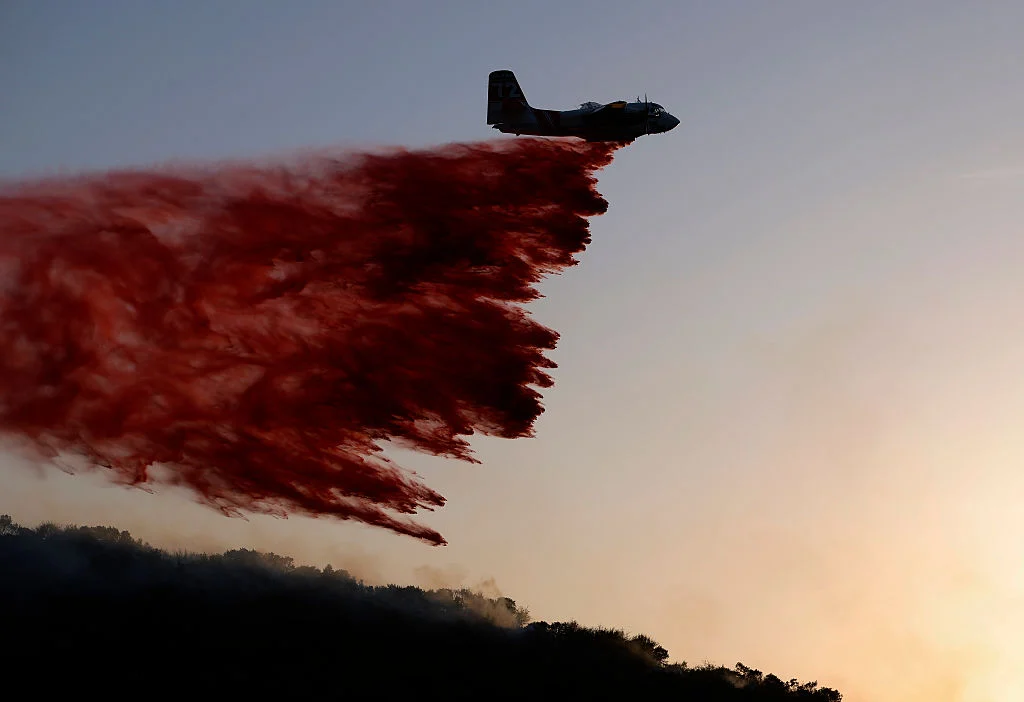
The Lost Fire in Kern County serves as a sobering case study of the current danger. As of the most recent reporting from Cal Fire, the blaze has consumed 4,324 acres of dry, rugged chaparral and brush. Despite the deployment of aircraft dropping fire retardant and ground crews working in 24-hour shifts, the fire remains only 5% contained.
The difficulty in containing the Lost Fire underscores the primary challenge facing agencies today: the speed of spread. With the current vegetation moisture levels at historic lows, the fire intensity is such that direct engagement by ground crews is often deemed too hazardous. Instead, agencies are forced to rely on "indirect" tactics, such as creating firebreaks far ahead of the flame front and utilizing aerial suppression—tactics that are less effective when winds are high and the fire front is moving rapidly.
Official Responses and Strategic Shifts
The scale of the fire risk has forced a multifaceted response from government officials and industry stakeholders.
Insurance and Policy Reforms
The recurring threat of catastrophic wildfire has triggered significant shifts in how the region approaches economic resilience. As reported in recent weeks, major insurers are recalibrating their portfolios. For instance, Zurich has filed a new growth plan under the California Sustainable Insurance Strategy, an effort to remain viable in a market that has seen many providers exit due to the overwhelming risk of total loss events.
Furthermore, the political landscape is shifting. With the upcoming election for the California Insurance Commissioner, the two remaining candidates have prioritized wildfire insurance reform as a central plank of their platforms. The debate centers on how to balance the financial health of insurance companies with the urgent need for affordable, accessible coverage for homeowners in the Wildland-Urban Interface (WUI).
Federal and State Resource Mobilization
At the state level, Cal Fire and the Bureau of Land Management (BLM) have activated emergency surge protocols. This includes pre-positioning fire engines, strike teams, and aviation assets in high-risk zones. The coordination between states—specifically through mutual aid agreements—is being tested as the risk is not confined to a single jurisdiction.
"We are moving from a reactive to a proactive posture," said a spokesperson for a regional wildfire task force. "When the atmospheric conditions dictate that we will have multiple ignitions simultaneously, we move assets to the path of least resistance to ensure we can protect human life and critical infrastructure first."
Long-Term Implications for the Western U.S.
The 2026 wildfire season is shaping up to be a critical indicator of the "new normal" in the American West. The interaction between climate variability and human development in fire-prone areas is creating an increasingly complex risk profile.
The Economic Burden
The economic costs of these fires extend far beyond the immediate suppression efforts. They include the destruction of residential property, the loss of agricultural output, and the long-term degradation of watershed quality. The rising cost of insurance, coupled with the potential for increased public expenditure on disaster relief, is putting a strain on municipal and state budgets across the region.
Infrastructure Vulnerability
Beyond the destruction of homes, these fires threaten the backbone of Western infrastructure. Power lines, communication towers, and transportation corridors frequently run through the very areas currently under red flag warnings. The prospect of "Public Safety Power Shutoffs" (PSPS)—a tactic used by utility companies to prevent fires caused by wind-damaged lines—remains a distinct possibility for thousands of residents.
Climate and Ecosystem Health
Ecologists point out that the increasing frequency of high-intensity fires is altering the landscape itself. Some ecosystems in the West are not evolving fast enough to regenerate after such frequent disturbances, leading to the permanent conversion of forests into shrublands or grasslands. This shift has massive implications for carbon sequestration and biodiversity, further complicating the long-term environmental management of the region.
Conclusion
As the weekend approaches, the eyes of the West are turned toward the sky. While fire suppression technology and coordination have improved significantly, the sheer scale of the environmental conditions currently in play serves as a humbling reminder of nature’s volatility.
The immediate danger—the lightning-induced ignitions predicted for the next 48 hours—is a localized tactical challenge for fire crews. However, the broader context of insurance reform, infrastructure vulnerability, and shifting ecological landscapes suggests that the wildfire challenge is a permanent feature of life in the West. Whether through more aggressive land management, systemic insurance reform, or continued investment in advanced fire-fighting technology, the region is bracing for a summer that will demand both resilience and adaptation.
For residents in the affected areas, the message from authorities remains consistent: stay vigilant, monitor local emergency alerts, and be prepared for the possibility of rapid evacuation. In a landscape primed for fire, the margin for error is non-existent.