Architects of Resistance: The Unbroken Legacy of Tejana Activism
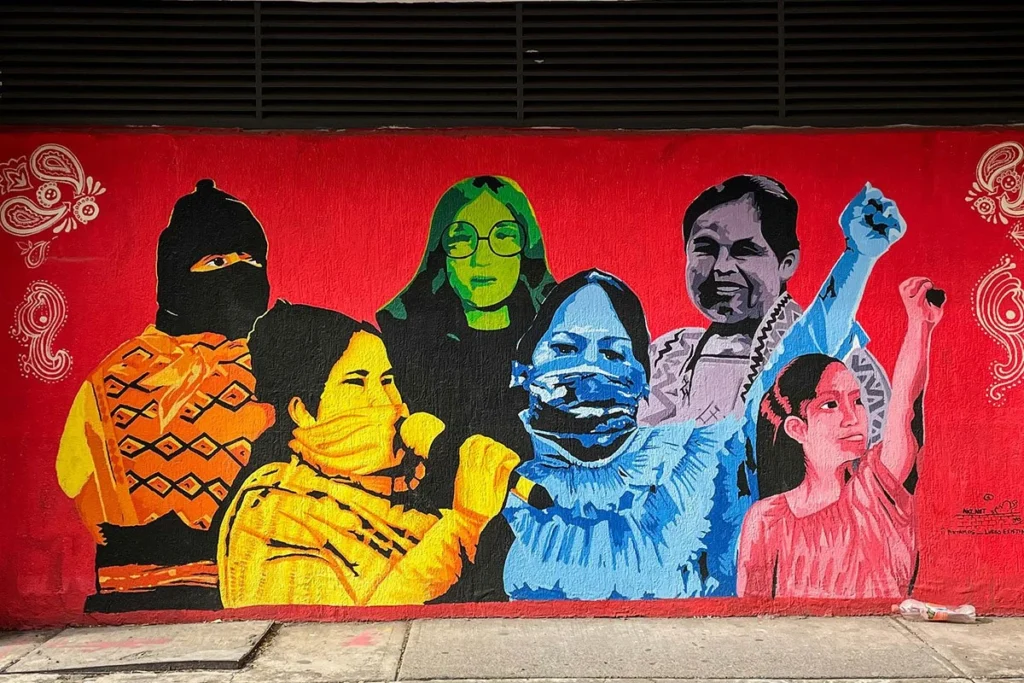
In the annals of American civil rights, the names of male leaders often dominate the narrative, obscuring a profound and radical history of resistance forged by Tejana activists. From the early 20th-century borderlands to the modern nonprofit landscape, Mexican American women have been the primary architects of community-based power. By recognizing that race, gender, and class are inextricably linked, these women created a blueprint for social change that remains the bedrock of democracy today.
The Foundation of Resistance: 1911 and the Birth of La Liga
The urgency of Tejana activism was born of violence. On June 19, 1911, in Thorndale, Texas, fourteen-year-old Antonio Gómez was lynched by a mob. Despite the presence of nearly 100 witnesses, no one was ever convicted. This tragedy was not an anomaly; it was part of a systemic climate of terror fostered by the militarization of the Texas border and the encroachment of Anglo settlers on Mexican American land.
Jovita Idar, a schoolteacher turned journalist, witnessed this brutality firsthand. Working for the Laredo newspaper La Crónica, Idar utilized the power of the press to document the state-sanctioned violence against her community. Her response to the climate of fear was the creation of La Liga Femenil Mexicanista (The League of Mexican Women) in 1911. Unlike the sociedades mutualistas (mutual aid societies) of the era—which often relegated women to secondary roles—La Liga was a political force. It focused on the education of impoverished Mexican American children and galvanized women to engage in direct civic action.
A Chronology of Courage: Three Generations of Tejana Leadership
The arc of Tejana activism can be traced through the lives of three pivotal figures, each representing a distinct era of struggle:
The Early Era: Jovita Idar (1910s–1920s)
Idar’s commitment was not merely rhetorical; it was physical. When Texas Rangers arrived at the offices of El Progreso in 1914 to shutter the publication for its outspoken criticism of the government, Idar stood in the doorway, physically blocking their entry. Her defiance was a testament to the power of the press as a tool for community survival. Her work laid the intellectual groundwork for the Chicano Civil Rights Movement, establishing the principle that to fight for one’s community, one must address the literacy, health, and economic stability of the most marginalized.
The Labor Era: Emma Tenayuca (1930s–1940s)
By the 1930s, the fight shifted toward the factory floor. Emma Tenayuca, a San Antonio native, emerged as a fierce labor organizer during the Great Depression. Disillusioned by the assimilationist and patriarchal stances of early organizations like LULAC, Tenayuca sought a more radical path.
In 1938, she led the historic Pecan-Shellers Strike. Thousands of workers, predominantly women, walked off the job to protest a wage reduction from six cents to five cents per pound in sweatshop conditions. Despite police brutality, mass arrests, and the eventual blacklisting of Tenayuca due to her political affiliations, the strike forced a wage increase and remains a cornerstone of American labor history.
The Modern Era: Cecilia Rodríguez and La Mujer Obrera (1970s–Present)
As the Chicano movement matured, internal fractures regarding gender equality persisted. Cecilia Rodríguez, a student activist in El Paso, found that even within progressive groups like La Raza Unida Party, women were often marginalized. In 1981, she co-founded La Mujer Obrera (The Working Woman). This organization became a beacon of intersectional activism, focusing on the needs of garment workers in El Paso. When the North American Free Trade Agreement (NAFTA) decimated the local textile industry, the organization did not fold; it pivoted. It transformed into a community development powerhouse, successfully blocking the gentrification of the historic Segundo Barrio neighborhood in 2007.
Supporting Data and Systematic Barriers
The struggle of these women was not just against individual prejudice but against structural systems designed to divide. Historical data from the early 20th century confirms that schools for Mexican American children were severely underfunded and segregated. The militarization of the border, marked by the deployment of Texas Rangers, functioned as a tool of voter suppression and land theft.
The intersectionality practiced by Idar, Tenayuca, and Rodríguez—addressing race, gender, and class simultaneously—was a direct response to the "divide and conquer" tactics used by state and corporate entities. For example, during the 1938 Pecan-Shellers Strike, the state utilized red-baiting (labeling organizers as communists) to delegitimize the movement, a tactic that continues to be used against labor organizers today.
Official Responses and Institutional Silence
For decades, the official response to these activists was either overt repression or historical erasure. As Congressman Joaquin Castro noted during a 2023 memorial for the pecan strikers, the contributions of these women were largely ignored by mainstream historical narratives. The Texas Rangers, the very body tasked with "law and order," were frequently the primary aggressors against these activists. It was not until the 21st century that these figures began to receive institutional recognition, reflecting a broader, ongoing reckoning within the nonprofit and academic sectors regarding who is centered in the history of democracy.
Implications for the 21st-Century Nonprofit Sector
The legacy of these Tejana activists serves as a vital case study for modern nonprofit leaders, particularly as the sector faces its own existential challenges.
1. The Necessity of Intersectional Frameworks
The failures of the early 20th century demonstrate that when organizations ignore gender or class to appease power structures, they inevitably fail their most vulnerable members. Modern nonprofits must prioritize intersectionality not as a buzzword, but as an operational requirement. DEI (Diversity, Equity, and Inclusion) efforts cannot be superficial; they must confront internal biases and the historical exclusion of marginalized voices.
2. The Infrastructure of Mutual Aid
As government support for social safety nets wanes, the model of the mutualista—community-led, self-sustaining aid—is more relevant than ever. Idar and her contemporaries understood that when the state refuses to provide for the poor, the community must build its own infrastructure. Nonprofits should view themselves as supporters of this infrastructure rather than as paternalistic providers.
3. Adaptability as Survival
The trajectory of La Mujer Obrera—moving from labor union support to broader economic development and urban preservation—highlights the need for organizational agility. The 21st century presents rapid, unpredictable shifts in the political landscape. Organizations that remain rigid in their mission statements are prone to extinction; those that remain rooted in the needs of their people, rather than just their original service delivery models, are the ones that endure.
4. Confronting the "Figurehead" Problem
The history of Tejana activism is a warning against the dangers of prioritizing "male figureheads" or charismatic individual leaders at the expense of collective action. True movement building, as practiced by these women, focuses on leadership development within the rank-and-file.
Conclusion: A Call to Continued Action
As the United States approaches the 250th anniversary of its founding, the work of Jovita Idar, Emma Tenayuca, and Cecilia Rodríguez remains unfinished. The contemporary challenges of illegal deportations, the suppression of union activity, and the erosion of educational equity mirror the systemic obstacles faced by these women nearly a century ago.
The lesson is clear: democratic infrastructure is not built by legislation alone, but by the relentless, collective organizing of those who have been systematically denied their rights. For the modern nonprofit, the path forward requires a return to these roots—a commitment to solidarity that transcends racial, gender, and class lines, and a refusal to be silenced, even when standing at the door against the forces of the status quo. The Tejana legacy is not just a chapter in history; it is a live, breathing instruction manual for the future of civil rights.