The Silicon Squeeze: Apple Signals Price Hikes as AI Demand Paralyzes Memory Supply Chains
By PYMNTS | June 17, 2026
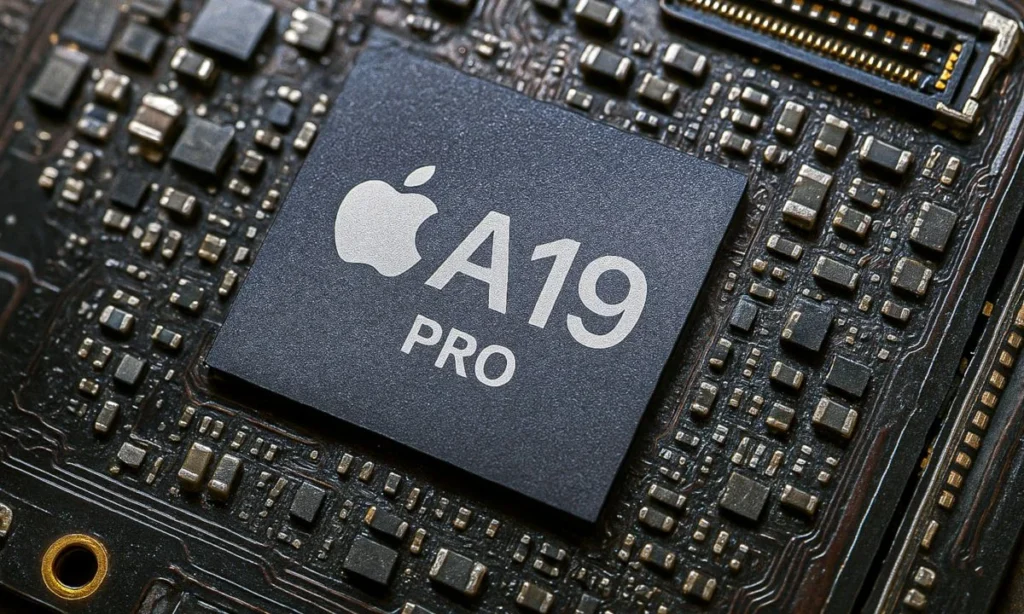
In a stark acknowledgement of the shifting tides in the global semiconductor market, Apple CEO Tim Cook has signaled that the era of stable consumer electronics pricing may be coming to an abrupt end. Speaking to The Wall Street Journal on Wednesday, June 17, 2026, Cook confirmed that Apple is preparing to raise prices across its hardware portfolio, a move necessitated by an unprecedented surge in the costs of memory and storage components.
This admission marks a rare and significant turning point for the Cupertino-based giant, which has historically leveraged its massive procurement volume to dictate terms to suppliers. Today, however, the market dynamics have been fundamentally rewritten by the insatiable appetite of the artificial intelligence (AI) sector, leaving even the world’s most valuable company vulnerable to the volatile economics of the "AI-first" supply chain.
The Core Conflict: AI’s Voracious Appetite
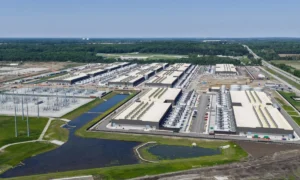
The fundamental driver of this crisis is the astronomical demand for high-bandwidth memory (HBM) and specialized storage chips required to train and run large-scale AI models. As tech conglomerates rush to build out massive data centers to house the next generation of generative AI, they have effectively monopolized the global supply of advanced memory components.
According to market analysts, the prices for these essential memory and storage chips have quadrupled over the past 12 months. This is not merely a temporary supply chain hiccup; it is a structural reorientation of the entire semiconductor industry. Where previously smartphone manufacturers and PC makers were the primary customers for memory chipmakers, they have now been pushed to the back of the queue.
"We’re doing our best to mitigate the huge increases that are being passed to us, and we’ve been trying to shield our customers from the increases, but the situation has become unsustainable," Cook stated during his interview. His comments underscore the reality that Apple—which has long been the primary beneficiary of economies of scale—can no longer fully absorb the inflationary pressures of the silicon market.
Chronology: From Surplus to Scarcity
The trajectory leading to this moment has been brewing for nearly two years. To understand how the global market reached this "hundred-year flood," one must look at the timeline of the AI boom.
2025: The Infrastructure Land Grab
Throughout 2025, hyperscalers like Google, Microsoft, and Meta began aggressive, long-term supply agreements with semiconductor manufacturers. These contracts prioritized the production of high-performance components for AI training clusters, effectively locking up the manufacturing capacity of major foundries.
January 2026: The Economic Shift
By the beginning of 2026, the ripple effects began to move from the data center to the consumer level. Industry reports in January highlighted that the global AI boom was forcing a diversion of memory components away from consumer-grade electronics. Manufacturers were increasingly unable to fulfill orders for smartphones and laptops at existing price points.
March 2026: The "Memory Starvation"
By March, the crisis had reached the smartphone industry directly. Reports emerged detailing how the AI industry was "starving" budget and mid-tier smartphone makers of the necessary memory components. Experts warned that if the trend continued, total global smartphone sales could be depressed by as much as 13% throughout 2026, as device makers were forced to either raise prices or reduce production.
June 2026: The Breaking Point
The confirmation from Apple this week serves as the culmination of these pressures. While other manufacturers of PCs and gaming consoles have already begun passing costs to consumers, Apple’s entry into the price-hike arena serves as a bellwether for the broader electronics industry. The "silicon squeeze" is no longer a localized issue; it is a global economic reality.
Supporting Data: Why This "Flood" is Different
Tim Cook described the current climate as a "hundred-year flood," noting that in his four decades in the industry, he has never seen a surge in commodity prices comparable to the last six months.
Data from industry observers, including Counterpoint Research, corroborates this assessment. In a June 16 press release, Research Director Tarun Pathak noted that supply chain stability has eclipsed almost every other operational concern for original equipment manufacturers (OEMs).
"It is now clear that memory prices will remain high for the rest of 2026, and OEMs have adjusted the playbook," Pathak stated. The "playbook" now involves a three-pronged strategy to manage the fallout:
- Direct Price Increases: Passing the cost of raw materials directly to the end consumer.
- Product Launch Realignments: Delaying or canceling hardware refreshes that rely heavily on expensive, high-capacity memory configurations.
- Aggressive Cost-Optimization: A trend often referred to as "cutting corners," where manufacturers reduce the quality of non-essential features, decrease storage options, or limit the inclusion of premium components to maintain a competitive price floor.
Official Responses and Strategic Pivots
Apple has remained characteristically tight-lipped regarding the specifics of its strategy. When pressed on the timing, scale, and scope of the price increases, Cook declined to provide granular details. This ambiguity serves a dual purpose: it keeps competitors guessing about Apple’s pricing strategy while simultaneously managing consumer expectations without triggering an immediate drop in brand sentiment.
The sentiment among analysts is that Apple is likely to implement these increases through a combination of higher base prices for new models and the phasing out of lower-priced entry-level configurations. By pushing consumers toward more expensive tiers, Apple can maintain its margins without necessarily slapping a massive price tag on every single device.
The Broader Implications: What This Means for the Future
1. The Death of the "Cheap" Upgrade
For years, consumers have grown accustomed to receiving more storage and faster memory for the same price year-over-year. That trend is likely over. As the cost of silicon remains elevated, consumers will likely see "storage stagnation," where the base capacity of devices remains flat while prices rise.
2. A Bifurcated Market
The industry is moving toward a sharp divide. Premium devices, which can command higher price points, will continue to feature the latest and greatest memory configurations. Conversely, budget and mid-range devices may see a significant degradation in performance or features as manufacturers struggle to balance the cost of components with the price sensitivity of the consumer.
3. Supply Chain Power Shifts
The power dynamic has shifted from the OEM (Apple) to the silicon foundry and memory manufacturer. Companies like TSMC, Samsung, and SK Hynix now hold the cards. Because AI demand is essentially "price-inelastic"—meaning AI companies will pay almost anything to get their hands on chips—consumer electronics makers must compete with entities that have virtually bottomless pockets.
4. Innovation Stagnation
If a significant portion of a product’s bill-of-materials (BOM) is consumed by the cost of memory, companies have less capital to invest in other areas of innovation, such as camera technology, display resolution, or battery efficiency. The "memory tax" imposed by the AI boom could, ironically, slow down the rate of innovation in the very devices that are meant to utilize AI.
Conclusion: A New Economic Reality
The comments from Tim Cook serve as a sobering reality check for the global technology market. We are currently witnessing a historic realignment of resources where the "digital brain" of the future—AI—is consuming the physical resources of the present.
As we look toward the remainder of 2026, the tech industry is bracing for a sustained period of high costs. For Apple, the challenge is to maintain its premium market position while navigating a supply chain that no longer dances to its tune. For the consumer, the message is clear: the era of cheap, ever-improving silicon has hit a hard, expensive ceiling. Whether this is a temporary bottleneck or a permanent shift in how we value hardware remains to be seen, but for now, the price of the future is rising.